
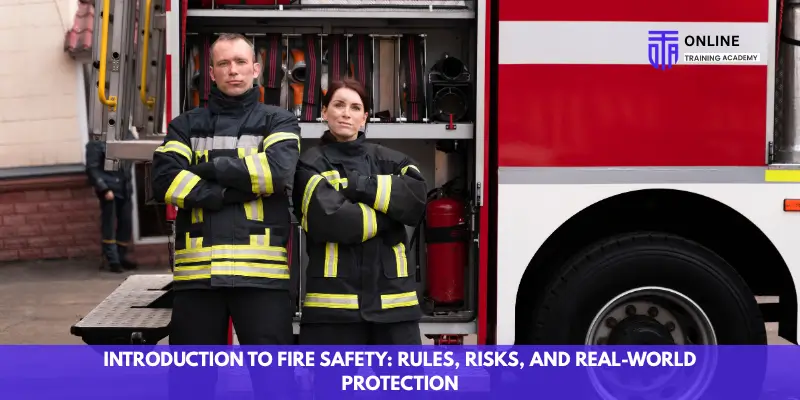
Introduction to Fire Safety: Rules, Risks, and Real-World Protection
The Pattern Behind Every Preventable Fire Fire investigations rarely uncover something unpredictable. The same sequence appears again and again. A minor fault goes unnoticed. A small risk is accepted. A routine task becomes slightly unsafe. Over time, these small decisions align—and the result is a fire that feels sudden, but was building long before it was visible. This is where …
Read More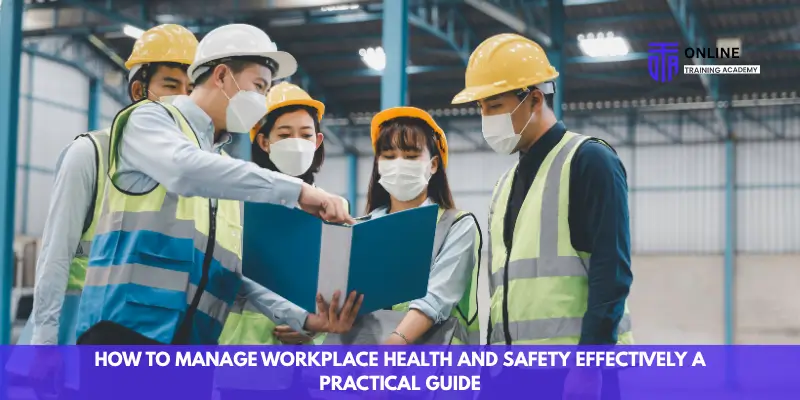
How to Manage Workplace Health and Safety Effectively: A Practical Guide
Most safety systems don’t fail because they are missing. They fail because they are not used in the way real work demands. A process looks safe in a document, but employees adjust it to meet deadlines. A control is introduced, but no one checks whether it still works months later. Over time, safety becomes something that exists on paper rather …
Read More
Why Managing Workplace Health and Safety Is Essential for Every Organisation
Walk into two workplaces that look identical on the surface. Same equipment, same number of staff, same type of work. Yet one runs smoothly, while the other experiences frequent disruptions, near misses, and rising absence. The difference is not luck. It is how risks are managed. Workplace health and safety management is the structured process of identifying hazards, assessing risks, …
Read More
Why Would a Child Need Counselling? Common Reasons Children Need Emotional Support
Children, like adults, experience stress, sadness, and emotional challenges—but they often lack the tools or words to express what they feel. Counselling provides a structured, safe space for children to explore their emotions, overcome difficulties, and build resilience. Understanding why a child might need counselling is essential for parents, caregivers, and educators who want to support children’s emotional well-being effectively. …
Read More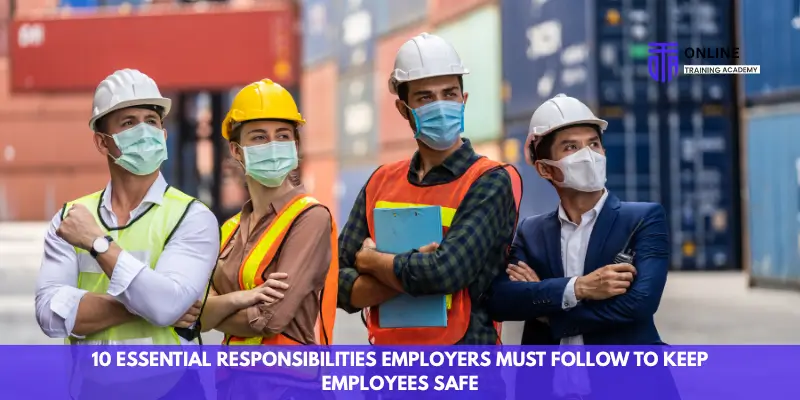
10 Essential Responsibilities Employers Must Follow to Keep Employees Safe
Two organisations operate in the same industry with similar resources, yet one experiences repeated incidents while the other runs with stability and confidence. The difference is rarely equipment or budget. It is how seriously employer responsibilities are defined, applied, and maintained. Workplace safety does not fail because rules are missing. It fails when responsibilities are unclear, inconsistent, or poorly enforced. …
Read More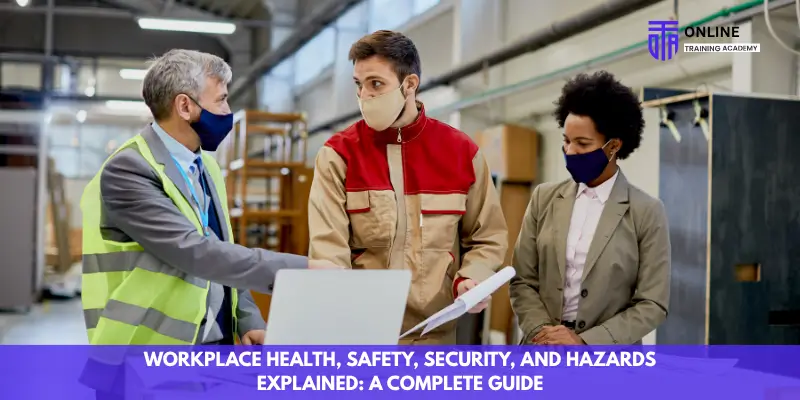
Workplace Health, Safety, Security, and Hazards Explained: A Complete Guide
Most workplace incidents don’t begin with danger. They begin with normal work. A chair slightly too low. A cable across a walkway. A task repeated the same way every day without question. Nothing appears unsafe in the moment, yet over time these small conditions build into real harm, lost time, and avoidable disruption. This is where workplace health, safety, security, …
Read More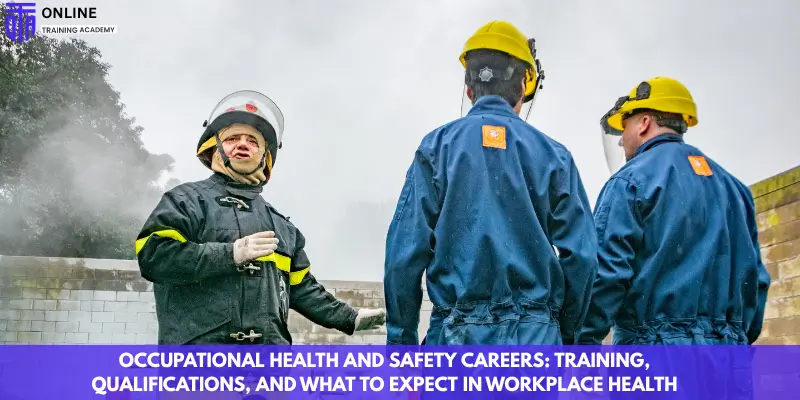
Occupational Health and Safety Careers: Training, Qualifications, and What to Expect in Workplace Health Assessments
Most people notice workplace safety only when something goes wrong. A worker gets injured. Stress builds until performance drops. An employee struggles to return after illness, and no one knows what support is needed. In these moments, occupational health and safety professionals become essential. They help organisations protect people, manage risk, and make better decisions before small issues become bigger …
Read More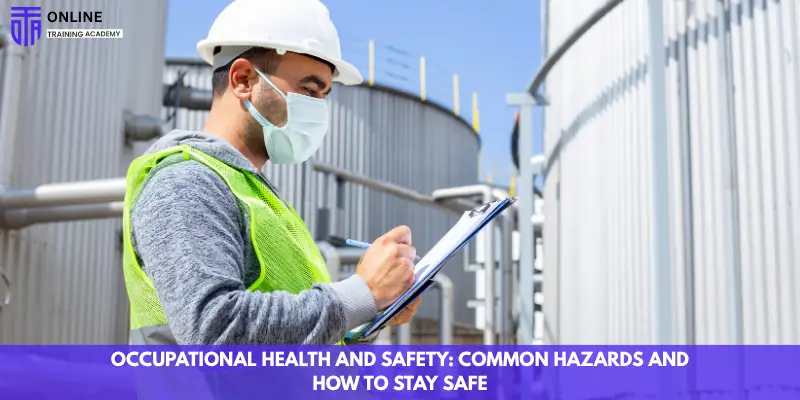
Occupational Health and Safety: Common Hazards and How to Stay Safe
A worker walks through the same path every day. Nothing looks unusual. The floor seems clean, the equipment appears fine, and the routine feels familiar. Then, in a single moment, they slip on a small wet patch that no one noticed—or no one acted on. This is how most workplace incidents actually happen. Not through major failures, but through common …
Read More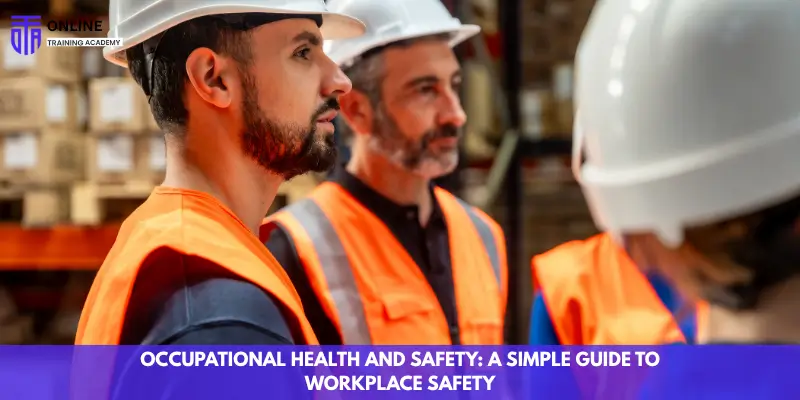
Occupational Health and Safety: A Simple Guide to Workplace Safety
A small mistake at work rarely looks dangerous at first. A loose cable stays on the floor because someone plans to fix it later. A machine runs without a guard just for “one quick job.” An employee ignores back pain because the shift is almost over. None of these feel urgent. Yet this is exactly how most workplace incidents begin. …
Read More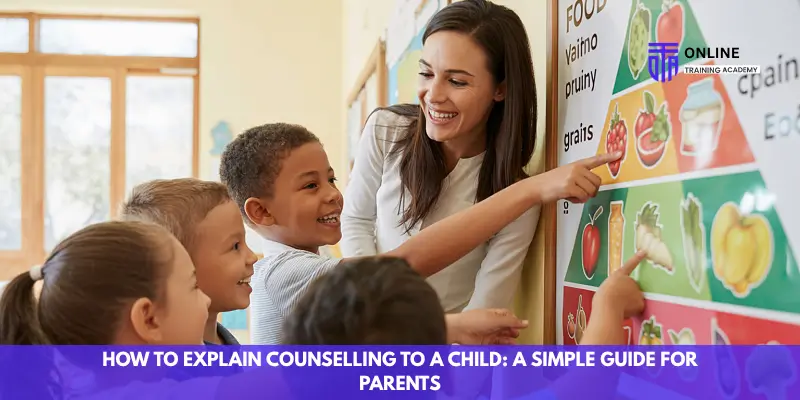
How to Explain Counselling to a Child: A Simple Guide for Parents
Explaining counselling to a child can feel daunting for many parents. Children often associate counselling with something “wrong” or scary, and without clear guidance, they may resist attending sessions. Yet, understanding therapy early can help children develop emotional resilience, improve communication skills, and feel supported during difficult moments. For parents, approaching the conversation thoughtfully is the first step in ensuring …
Read More
How to Become a Child Counsellor: Qualifications, Skills, and Career Path Explained
Supporting children through emotional challenges, behavioral issues, and social difficulties is a highly rewarding profession. Child counsellors play a critical role in shaping young minds, helping children navigate complex emotions, and building resilience that lasts a lifetime. But becoming a child counsellor requires more than empathy—it demands specialized knowledge, practical experience, and a commitment to understanding children’s unique developmental needs. …
Read More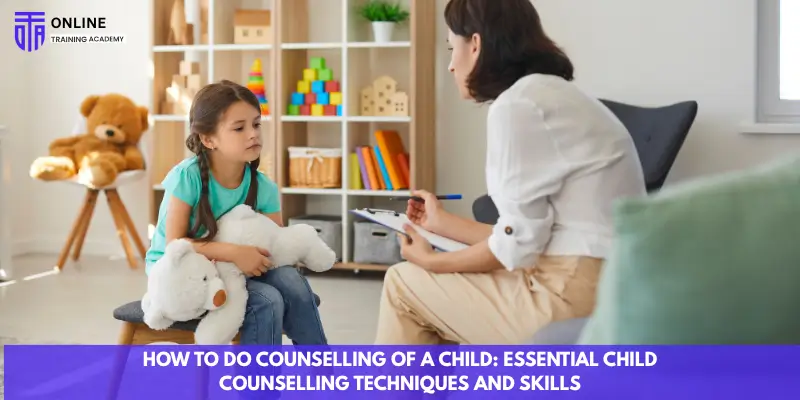
How to Do Counselling of a Child: Essential Child Counselling Techniques and Skills
A child carries a unique world of emotions, thoughts, and experiences—some of which they cannot express verbally. For instance, a child may start having frequent tantrums, avoid school, or withdraw from friends seemingly overnight. Often, these are silent calls for help that can be addressed through child counselling. Child counselling is not just “talk therapy for kids”; it is a …
Read More