


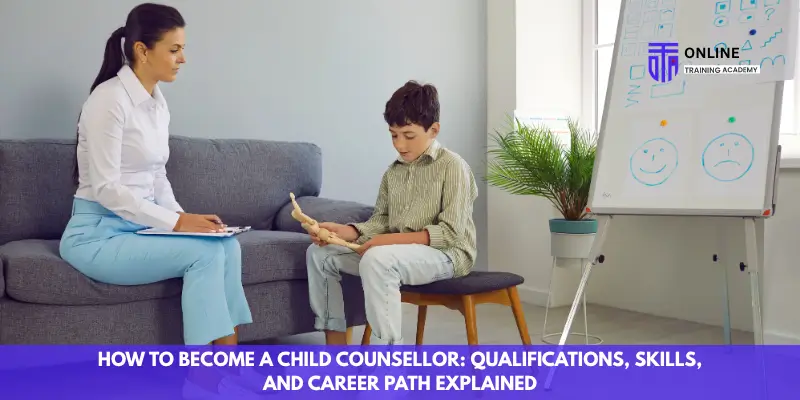
Supporting children through emotional challenges, behavioral issues, and social difficulties is a highly rewarding profession. Child counsellors play a critical role in shaping young minds, helping children navigate complex emotions, and building resilience that lasts a lifetime. But becoming a child counsellor requires more than empathy—it demands specialized knowledge, practical experience, and a commitment to understanding children’s unique developmental needs. This guide will take you through who child counsellors are, the qualifications and skills needed, the challenges of the role, and the career path to entering this field.
Table of Contents
How to Become a Child Counsellor: Qualifications, Skills, and Career Path Explained
"Becoming a child counsellor requires the right education, practical skills, and a commitment to supporting children's emotional well-being. This blog explains the qualifications, essential counselling skills, and career pathways needed to build a successful career in child counselling and make a positive impact on young lives."
Who Are Child Counsellors?
Child counsellors are trained professionals who specialize in the mental, emotional, and behavioral development of children. Unlike general therapists, they understand that children express themselves differently from adults, often relying on play, art, or storytelling to communicate thoughts and emotions they cannot verbalize.
Roles and Responsibilities
Child counsellors wear many hats, including:
- Assessment: Observing and understanding a child’s emotional, behavioral, and social needs.
- Treatment Planning: Designing individualized therapy approaches based on the child’s developmental stage and personal challenges.
- Therapy Sessions: Conducting one-on-one or group sessions using age-appropriate techniques such as play therapy, art therapy, CBT (Cognitive Behavioral Therapy), or storytelling.
- Parent and Caregiver Collaboration: Guiding parents to reinforce therapy strategies at home and maintain consistency.
- Progress Monitoring: Tracking improvement, adjusting interventions, and documenting results for ongoing support.
Example: A counsellor may help a 9-year-old with social anxiety practice conversation skills through role-playing, gradually building confidence in real-life social settings.
Why Child Counsellors Are Essential
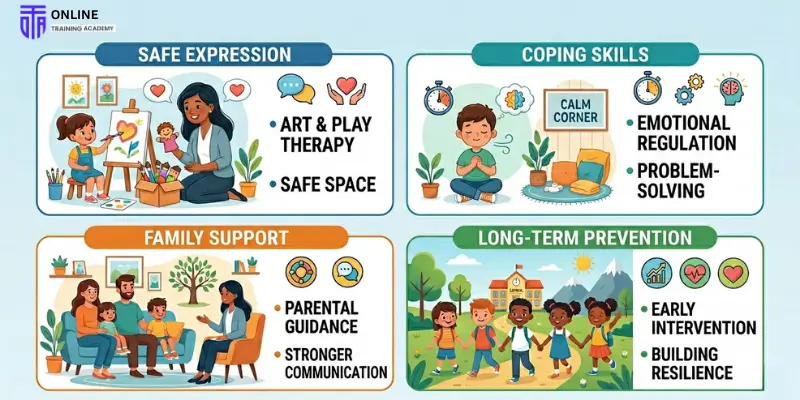
Children navigate a complex world filled with academic pressures, social challenges, and family dynamics. While some children may cope naturally, many experience stress, anxiety, or emotional struggles that they cannot express clearly. Without support, these challenges can affect mental health, social skills, and learning abilities over time. Child counsellors are essential because they intervene early, provide structured support, and equip children with lifelong skills.
1. Safe Space for Expression
Children often struggle to articulate their feelings, especially when experiencing fear, sadness, or anger. A child counsellor offers a confidential and supportive environment where children can:
- Speak freely without judgment
- Explore feelings in a structured way
- Gain trust in adults and develop healthy communication
Example: A 7-year-old who witnessed parental conflict may feel scared or confused but cannot explain their emotions verbally. Through play therapy, the counsellor helps the child express feelings using dolls or drawings, providing insight into their emotional world.
Why It Matters: Safe expression prevents emotional suppression, which can lead to behavioral problems, anxiety, or depression if left unaddressed.
2. Emotional Tools and Coping Strategies
Children face situations that may trigger strong emotions—arguments with friends, school stress, or family changes. Child counsellors teach practical techniques to manage these emotions:
- Self-regulation techniques: Breathing exercises, mindfulness, or grounding methods
- Problem-solving strategies: Step-by-step approaches to challenges, such as conflict resolution with peers
- Behavior management skills: Reinforcing positive behaviors while addressing negative patterns
Example: A 10-year-old struggling with anger at school learns to recognize warning signs (clenched fists, racing heart) and uses deep breathing or a “calm corner” technique to manage frustration before reacting aggressively.
Why It Matters: Emotional tools empower children to handle stress, anxiety, or disappointment effectively, reducing the likelihood of long-term emotional or behavioral problems.
3. Support for Families and Caregivers
A child’s emotional development doesn’t happen in isolation—family dynamics play a crucial role. Child counsellors guide parents and caregivers to:
- Understand the child’s emotional needs
- Reinforce strategies learned in therapy at home
- Improve communication and strengthen family relationships
Example: After a child shows signs of social withdrawal following a family relocation, a counsellor teaches parents how to create predictable routines, encourage safe social interactions, and validate the child’s feelings, ensuring that therapy gains continue outside the session.
Why It Matters: When parents are actively involved, counselling outcomes improve significantly. Children feel supported both in the therapy room and at home, creating a consistent environment for growth and resilience.
4. Preventing Long-Term Issues
Without intervention, emotional or behavioral challenges can escalate and affect future mental health, relationships, and learning outcomes. Common long-term consequences include:
- Chronic anxiety or depression
- Social isolation or difficulty maintaining friendships
- Academic underachievement or school avoidance
- Increased risk of behavioral disorders
Child counsellors intervene early, helping children develop coping mechanisms, emotional awareness, and problem-solving skills that reduce the risk of these long-term consequences.
Example: A child experiencing bullying who receives timely counselling may learn to assert themselves appropriately, rebuild confidence, and maintain healthy peer relationships—avoiding long-term social anxiety or school avoidance.
Child counsellors are essential because they provide:
- Safe spaces for children to express emotions freely
- Practical emotional tools to manage stress and behavioral challenges
- Family support to reinforce positive growth outside therapy
- Early intervention that prevents long-term mental health or social difficulties
By addressing emotional and behavioral challenges early, child counsellors help children build resilience, develop social skills, and thrive academically and socially, laying the foundation for healthy, emotionally balanced adulthood.
Qualifications Required to Become a Child Counsellor
Educational Background
1.Bachelor’s Degree: Psychology, social work, education, or counselling.
2.Master’s or Doctorate: Advanced studies in child psychology, clinical psychology, or counselling equip you with in-depth knowledge of child development and therapy techniques.
3.Specialized Certifications: While optional, certifications enhance expertise and credibility:
- Play Therapy
- Trauma-Focused Cognitive Behavioral Therapy (TF-CBT)
- Art Therapy or Music Therapy
- Behavioral Therapy
Practical Experience
Hands-on experience is crucial:
- Internships in schools, clinics, hospitals, or community programs
- Supervised sessions with children of different ages and backgrounds
- Exposure to diverse behavioral, emotional, and social challenges
Example: A trainee working in a pediatric mental health clinic may assist in sessions with children experiencing anxiety or grief, learning how to adapt interventions for different ages.
Essential Skills for Child Counsellors

Beyond academic qualifications, certain soft skills distinguish successful child counsellors.
Emotional Intelligence and Empathy
Understanding and responding to children’s emotions with sensitivity. Recognizing non-verbal cues in play, drawings, or body language.
Active Listening and Communication
- Listening attentively without judgment
- Explaining complex concepts in child-friendly language
- Guiding parents on effective communication strategies
Creativity and Adaptability
Using play, art, role-play, or storytelling to facilitate expression, adjusting approaches to match each child’s personality and developmental stage.
Problem-Solving and Critical Thinking
Identifying root causes of challenges and creating structured, practical solutions for both children and caregivers.
Example: A counsellor may use puppet play to help a shy child express fears about school, fostering communication and self-confidence.
Challenges in Child Counselling
Working with children is rewarding but comes with unique challenges:
- Communication Barriers: Young children or trauma-affected children may struggle to express feelings verbally. Counsellors must rely on non-verbal methods like art or play.
- Emotional Intensity: Children may become highly emotional during sessions, requiring counsellors to maintain patience and provide grounding techniques.
- Complex Family Dynamics: Family conflicts or inconsistent home environments may complicate therapy, requiring strong collaboration and parent guidance.
- Multi-Layered Needs: Some children face overlapping challenges such as trauma, behavioral problems, and academic stress, requiring integrated approaches.
Example: A child with behavioral issues at school and anxiety at home may require the counsellor to coordinate with teachers, parents, and other professionals simultaneously.
Career Path for Aspiring Child Counsellors
Step 1 – Education and Credentials
- Bachelor’s in psychology, social work, or counselling
- Master’s or Doctorate in child counselling or clinical psychology
- Optional certifications in specialized therapies
Step 2 – Gaining Practical Experience
- Internships in clinics, hospitals, or schools
- Supervised counselling sessions with children
- Volunteer work in community programs
Step 3 – Employment Opportunities
- Schools as counsellors or educational psychologists
- Hospitals and clinics specializing in pediatric mental health
- Private practice or therapy centers
- Nonprofits or community organizations supporting children
Step 4 – Continued Professional Development
- Workshops, conferences, and courses to stay updated on child therapy methods
- Specialization in trauma, behavioral therapy, or learning disorders enhances career prospects
Example Career Timeline:
- Bachelor’s degree (3-4 years)
- Master’s degree in child counselling (2 years)
- Supervised internship (6-12 months)
- Certification in play therapy or TF-CBT (3-6 months)
- Full-time employment in a clinic, school, or private practice
How to Find a Good Child Counsellor
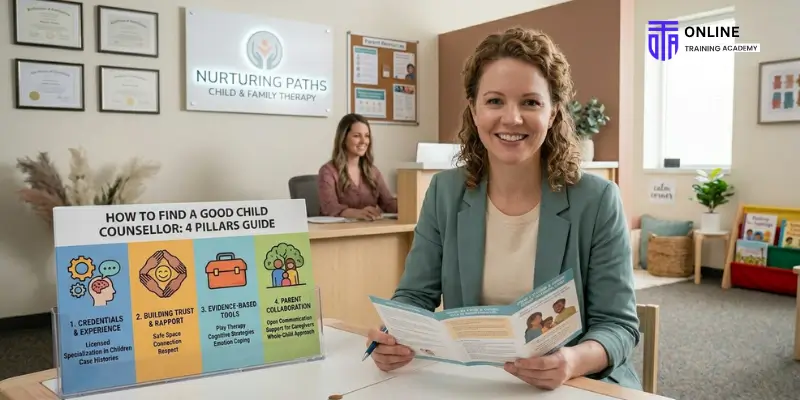
Parents and caregivers seeking support for their child should look for:
- Proper Qualifications: Degrees, certifications, and specialized training in child therapy.
- Relevant Experience: Working with children of similar age or challenges.
- Approach Compatibility: Age-appropriate methods such as play therapy for young children or CBT for anxiety.
- Parental Involvement: A counsellor who collaborates with caregivers and provides guidance for home reinforcement.
- Trust and Comfort: Children should feel safe and supported in sessions.
The Rewarding Impact of Child Counsellors
Child counsellors play a transformative role, helping children:
- Understand and express emotions safely
- Develop coping strategies for stress, anxiety, or trauma
- Improve social and communication skills
- Strengthen family relationships
- Reduce long-term emotional or behavioral problems
Example: A counsellor uses art therapy to help a child process grief after a family loss, enabling them to communicate feelings, regain confidence, and rebuild relationships with peers and family.
Conclusion
Becoming a child counsellor is a journey that combines education, practical experience, and deep empathy. It’s a profession that directly shapes children’s emotional and behavioral development, providing lifelong skills for resilience, social interaction, and mental well-being.
Final Thought: If you are passionate about nurturing young minds and have patience, creativity, and dedication, a career in child counselling offers the chance to make a meaningful, lasting impact—one child at a time.
Learn More



Get a FREE Course
- Learn useful skills online free
- Get CPD accredited certificate
- Add it to your CV today!