274 Students
Children and young people face a wide range of emotional, behavioural, social, and developmental challenges that can affect their wellbeing and future success. This Child Counselling course is designed for individuals in Canada who want to understand child development, counselling approaches, and the emotional needs of children and adolescents. It provides a strong foundation in supporting young people through various …
Children and young people face a wide range of emotional, behavioural, social, and developmental challenges that can affect their wellbeing and future success. This Child Counselling course is designed for individuals in Canada who want to understand child development, counselling approaches, and the emotional needs of children and adolescents. It provides a strong foundation in supporting young people through various life challenges while promoting healthy development and resilience.
Suitable for both beginners and those already working with children, the course explores child development, counselling theories, communication techniques, mental health conditions, and ethical considerations. Learners can apply this knowledge in educational settings, community programmes, youth services, childcare environments, and family support organisations across Canada.
Delivered through flexible online learning, the course allows learners to study at their own pace. Upon completion, learners receive a recognised certificate that supports professional development and career progression in child-focused support and counselling-related roles. Enrol today and deepen your understanding of supporting children’s emotional wellbeing.
Please note: This Child Counselling Course only gives you the theoretical knowledge that you need to excel in this field. This Course doesn’t entitle you to practise as a professional in this specific field.
This course is ideal for:
All of our courses, including this Child Counselling Course, are fully accredited, providing you with up-to-date skills and knowledge and helping you to become more competent and effective in your chosen field.
All of our courses are accredited by the CPD Quality Standards as conforming to universally accepted Continuing Professional Development (CPD) guidelines.
The Quality Licence Scheme (QLS) is a trusted endorsement framework that certifies high-quality, non-regulated training programmes across various sectors.
The Association of Healthcare Trainers (AoHT) promotes high-quality healthcare training, supporting providers to deliver relevant, industry-aligned education and improve professional standards.
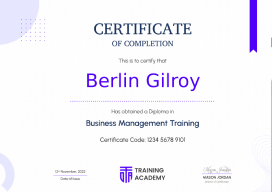
Once you’ve successfully completed your course, you will immediately be sent a digital certificate. Also, you can have your printed certificate delivered by post (shipping cost CA$9.99). All of our courses are fully accredited, providing you with up-to-date skills and knowledge and helping you to become more competent and effective in your chosen field.
The detailed curriculum outline of our Child Counselling is as follows:
Begin by exploring the purpose of counselling and the role counsellors play in supporting emotional wellbeing. This module introduces core counselling principles, professional responsibilities, and the qualities that contribute to effective support.
Gain insight into how children grow and develop from early childhood through adolescence. The module examines key developmental milestones and factors that influence healthy growth.
Children develop within unique family, social, cultural, and environmental contexts. This section explores the various influences that shape behaviour, learning, and emotional wellbeing.
Discover how children think, learn, process information, and solve problems at different stages of development. The module highlights important cognitive theories and developmental changes.
Explore how children develop relationships, manage emotions, and build social skills. Learners examine the connection between emotional wellbeing and healthy social functioning.
This module focuses on the formation of personality traits, intellectual growth, and individual differences. It explains how these factors contribute to children’s behaviour and learning styles.
Examine foundational counselling theories that have shaped modern practice. Learners are introduced to key approaches used to understand behaviour and support emotional development.
Building on previous learning, this section explores additional therapeutic models and their application when working with children and adolescents facing different challenges.
Develop awareness of common mental health conditions affecting young people. The module discusses symptoms, contributing factors, and the impact these disorders can have on daily life.
Schools often play an important role in supporting student wellbeing. This section examines counselling strategies used within educational environments and the challenges faced by young learners.
Understand the responsibilities involved in maintaining ethical and culturally sensitive counselling practice. Topics include confidentiality, professional boundaries, and safeguarding considerations.
Learn how stress and anxiety can affect children and adolescents. This module explores supportive counselling approaches that help young people manage emotional pressures and worries.
Traumatic experiences can significantly affect development and wellbeing. This section examines trauma-informed support approaches and explores issues relating to substance misuse among young people.
Explore the signs, symptoms, and effects of depression and mood-related conditions in children and adolescents. Learners gain insight into supportive intervention strategies.
Healthy eating and sleeping habits play a vital role in child development. This module examines common disorders, contributing factors, and counselling considerations.
Address one of the most sensitive areas of child and adolescent mental health. Learners develop awareness of warning signs, risk factors, intervention principles, and support pathways.
Strong communication forms the foundation of effective counselling relationships. This final module focuses on active listening, empathy, rapport building, and creating supportive conversations.
You will learn about child development, counselling theories, communication skills, mental health conditions, emotional wellbeing, and strategies for supporting children and adolescents.
Teachers, childcare workers, youth support staff, parents, caregivers, community workers, and anyone interested in supporting children’s wellbeing can benefit from this training.
Yes. The curriculum includes childhood and adolescent psychiatric disorders, anxiety, depression, trauma, self-harm, and other important mental health topics.
Active listening, empathy, rapport building, observation, and age-appropriate communication are essential skills for supporting children effectively.
Yes. Learners explore confidentiality, professional boundaries, cultural sensitivity, safeguarding responsibilities, and ethical decision-making.
The knowledge gained may support roles in childcare, youth work, education support, family services, and community-based child wellbeing programmes.
Growing awareness of children’s mental health and wellbeing continues to increase demand for individuals with knowledge of child development and emotional support practices.
| Module 01: Counselling and Counsellors | |||
| Counselling and Counsellors | 00:13:00 | ||
| Module 02: Understanding Child Development | |||
| Understanding Child Development | 00:24:00 | ||
| Module 03: Factors That Influence Development | |||
| Factors That Influence Development | 00:41:00 | ||
| Module 04: Cognitive Development | |||
| Cognitive Development | 00:25:00 | ||
| Module 05: Social and Emotional Development | |||
| Social and Emotional Development | 00:43:00 | ||
| Module 06: Personality and Intellectual Development in Children | |||
| Personality and Intellectual Development in Children | 00:36:00 | ||
| Module 07: Theories and Models of Counselling (Part 1) | |||
| Theories and Models of Counselling (Part 1) | 00:16:00 | ||
| Module 08: Theories and Models of Counselling (Part 2) | |||
| Theories and Models of Counselling (Part 2) | 00:18:00 | ||
| Module 09: Childhood and Adolescent Psychiatric Disorders | |||
| Childhood and Adolescent Psychiatric Disorders | 00:22:00 | ||
| Module 10: Counselling Children and Adolescents in Schools | |||
| Counselling Children and Adolescents in Schools | 00:20:00 | ||
| Module 11: Legal, Cultural and Ethical Issues in Professional Counselling | |||
| Legal, Cultural and Ethical Issues in Professional Counselling | 00:16:00 | ||
| Module 12: Counselling Stress and Anxiety Disorders | |||
| Counselling Stress and Anxiety Disorders | 00:30:00 | ||
| Module 13: Counselling Trauma and Substance Abuse | |||
| Counselling Trauma and Substance Abuse | 00:16:00 | ||
| Module 14: Counselling Mood Disorders and Depression | |||
| Counselling Mood Disorders and Depression | 00:22:00 | ||
| Module 15: Counselling Eating & Sleeping Disorders | |||
| Counselling Eating & Sleeping Disorders | 00:45:00 | ||
| Module 16: Counselling Self-Harm and Suicide | |||
| Counselling Self-Harm and Suicide | 00:17:00 | ||
| Module 17: Communication Skills and Empathy in Counselling | |||
| Communication Skills and Empathy in Counselling | 00:19:00 | ||
| Google Review | |||
| Google Review | 00:00:00 | ||
$125 Original price was: $125.$20Current price is: $20. ex VAT
SAVE 84% - OFFER ENDS SOON
![]() |
01 Year of full Course access
Intermediate
Endorsed Certificate of Compleiton