

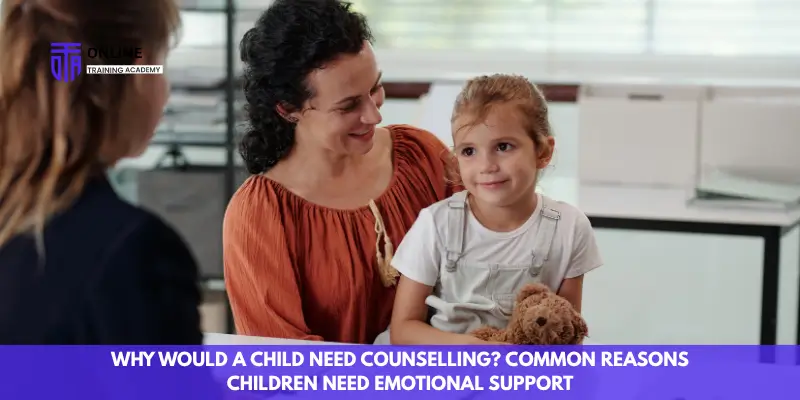
Children, like adults, experience stress, sadness, and emotional challenges—but they often lack the tools or words to express what they feel. Counselling provides a structured, safe space for children to explore their emotions, overcome difficulties, and build resilience. Understanding why a child might need counselling is essential for parents, caregivers, and educators who want to support children’s emotional well-being effectively.
What is Child Counselling?
Child counselling is a therapeutic process designed specifically for children, taking into account their developmental stage, communication style, and emotional needs. Unlike adult therapy, child counselling often involves play, creative activities, storytelling, or structured exercises to help children express themselves.
The primary goals of child counselling include:
- Helping children understand and manage their emotions
- Teaching coping skills for stress, anxiety, or trauma
- Improving social skills and relationships
- Supporting positive behavior and academic performance
Counselling is not only for children in crisis; it can also help children develop emotional intelligence and problem-solving skills before issues escalate.
Why Would a Child Need Counselling? Common Reasons Children Need Emotional Support
"A child may need counselling for many reasons, including anxiety, stress, family changes, bullying, grief, trauma, behavioural difficulties, or challenges at school. Counselling provides a safe and supportive environment where children can express their feelings, understand their emotions, and develop healthy coping strategies. Early emotional support can help improve wellbeing, strengthen resilience, and assist children in managing difficult experiences and relationships more effectively.
"
Table of Contents
Benefits of Child Counselling
Child counselling offers a wide range of benefits for both the child and their family. These benefits are both immediate and long-term, helping children thrive in school, at home, and in social environments.
For the Child
1. Emotional Regulation
- Counselling teaches children how to identify, understand, and manage their emotions.
- Example: A child prone to frequent anger outbursts learns to pause, take deep breaths, and express frustration verbally rather than physically.
2.Improved Behavior
- Targeted strategies help reduce problematic behaviors, such as defiance, aggression, or social withdrawal.
- Example: Behaviour modification and role-playing techniques teach a child to respond calmly in conflict situations.
3.Better Academic Performance
- Emotional well-being and focus are closely linked. Children who feel supported often concentrate better, participate more, and perform well in school.
- Example: A child struggling with anxiety learns stress management techniques that improve attention during tests.
For the Family
1.Enhanced Communication
- Counselling helps families understand a child’s feelings, needs, and triggers, fostering open, empathetic dialogue.
- Example: Parents learn to ask questions in a supportive way rather than punitive, encouraging the child to share concerns.
2.Stronger Family Bonds
- Family therapy components strengthen connections, reduce conflicts, and build mutual respect.
- Example: Regular family sessions help a sibling understand why a child with special needs may act out, improving patience and empathy.
3.Supportive Environment
- Counselling provides strategies to create a nurturing, stable home environment, essential for the child’s growth.
- Example: Parents learn routines and reinforcement strategies that reduce stress and increase security for the child.
Counselling is not only for children in crisis; it can also help children develop emotional intelligence and problem-solving skills before issues escalate.
Importance of Counselling in Child Development
Child counselling is not just a response to problems—it is a proactive tool for healthy development. Children who receive counselling gain foundational life skills that affect their emotional, social, and cognitive growth. Early intervention allows children to process emotions constructively, develop problem-solving skills, and build resilience. Let’s break this down further:
1. Self-Awareness and Emotional Intelligence
➽ Why it matters: Children often experience strong emotions they don’t fully understand, such as jealousy, fear, or frustration. Without guidance, these feelings can manifest as behavioral problems or social conflicts.
➽ How counselling helps: Therapists teach children to identify emotions, label them accurately, and understand what triggers them.
➽ Example: A 7-year-old struggling with anger learns to recognize the feeling rising in their chest, label it as “frustration,” and use calming techniques before acting out.
➽ Long-term benefit: Builds emotional intelligence, enabling children to manage feelings effectively and develop healthy interpersonal relationships.
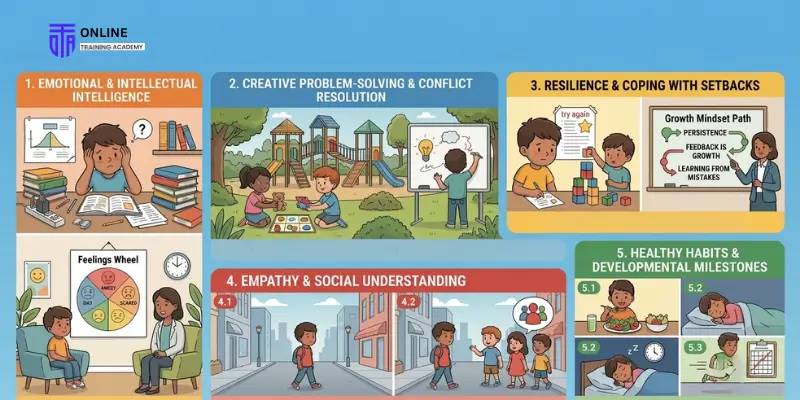
2. Conflict Resolution and Problem-Solving
➽ Why it matters: Conflict is inevitable in childhood—whether with siblings, peers, or teachers. Without guidance, children may resort to aggression, withdrawal, or avoidance.
➽ How counselling helps: Through role-playing, guided discussions, and scenario-based exercises, children learn to approach disagreements calmly, consider alternative perspectives, and negotiate solutions.
➽ Example: A 10-year-old learns to propose compromises during playground disagreements instead of yelling or excluding others.
➽ Long-term benefit: Equips children with skills that carry into adulthood, promoting teamwork, negotiation, and collaborative decision-making.
3. Resilience and Coping with Setbacks
➽ Why it matters: Life includes disappointments, failures, and unexpected challenges. Children who lack coping mechanisms may experience anxiety, depression, or learned helplessness.
➽ How counselling helps: Children practice techniques such as reframing negative thoughts, breaking problems into manageable steps, and recognizing small successes.
➽ Example: A child struggling academically learns to view mistakes as opportunities for growth rather than evidence of failure.
➽ Long-term benefit: Fosters persistence, adaptability, and mental toughness, allowing children to face challenges with confidence.
4. Empathy and Social Understanding
➽ Why it matters: Healthy social interactions require recognizing and responding to others’ feelings. Children who lack empathy may struggle with friendships and teamwork.
➽ How counselling helps: Using storytelling, role-play, and group activities, children explore perspectives other than their own.
➽ Example: During a counselling session, a child reenacts a peer’s experience of exclusion, learning to recognize feelings of loneliness and respond compassionately.
➽ Long-term benefit: Develops emotional literacy, cooperative behavior, and the ability to form lasting, meaningful relationships.
Summary: Through these skills, counselling not only resolves current challenges but lays a foundation for emotionally intelligent, resilient, and socially competent adults.
Fundamental Goals of Child Counselling
Child counselling is guided by clear objectives that ensure interventions are meaningful, targeted, and developmentally appropriate. Each goal is interconnected, contributing to the child’s overall well-being:
1. Identify and Address Emotional Needs
➽ Goal: Understand the child’s emotions, thoughts, and fears, even when they cannot articulate them.
➽ Application: Using observation, play, art, or discussion, counsellors identify the root causes of anxiety, anger, or sadness.
➽ Example: A child who refuses to attend school may be experiencing bullying; counselling helps uncover these hidden concerns.
2. Provide Safe Expression
➽ Goal: Give children structured avenues to express feelings safely and constructively.
➽ Application: Creative therapies like drawing, music, sand-tray, or storytelling allow children to externalize emotions.
➽ Example: A child drawing “storm clouds” to represent sadness can discuss the feelings symbolized without feeling judged.
3. Teach Coping Strategies
➽Goal: Equip children with tools to manage stress, anxiety, anger, and fear.
➽ Application: Counsellors introduce age-appropriate strategies such as:
- Deep breathing and mindfulness exercises
- Cognitive reframing of negative thoughts
- Problem-solving frameworks for real-life challenges
➽ Example: A child anxious about tests learns to use visualization and positive self-talk to calm nerves before exams.
4. Support Positive Development
➽ Goal: Promote healthy behavior, social skills, and decision-making.
➽ Application: Behaviour modification, social skills training, and role-play help children practice appropriate responses and build confidence.
➽ Example: A child who struggles to share toys learns negotiation skills and positive reinforcement techniques to reduce conflicts with siblings.
5. Strengthen Family Involvement
➽Goal: Ensure caregivers are active partners in the child’s growth.
➽Application: Counsellors guide parents in reinforcing strategies at home, improving communication, and modeling emotional regulation.
➽ Example: Parents are taught to conduct weekly “emotion check-ins” and respond empathetically to their child’s struggles, reinforcing therapy lessons.
Summary: These goals ensure counselling is comprehensive, structured, and sustainable, supporting the child’s immediate emotional needs while equipping them with lifelong skills.
Common Issues Addressed in Child Counselling

Child counselling is designed to help children cope with a wide range of emotional, social, and behavioral challenges. Addressing these issues early not only improves a child’s current well-being but also prevents long-term problems that can persist into adolescence and adulthood.
1. Anxiety or Excessive Worry
➽ What it looks like: Children may constantly fret about school, friendships, or family events. They may cling to parents, have trouble sleeping, or experience physical symptoms like stomachaches.
➽ Counselling approach: Techniques such as Cognitive Behavioral Therapy (CBT) and mindfulness exercises teach children to identify anxious thoughts, challenge irrational fears, and develop coping strategies.
➽ Example: A 9-year-old who refuses to attend school due to fear of failing a test learns breathing exercises and positive visualization to reduce anxiety.
2. Depression or Persistent Sadness
➽ What it looks like: Persistent low mood, loss of interest in activities, social withdrawal, or feelings of hopelessness.
➽ Counselling approach: Counsellors use a combination of play therapy, talk therapy, and structured activities to help children express emotions and gradually re-engage with life.
➽ Example: A child drawing “storm clouds” to represent sadness can discuss the feelings symbolized without feeling judged.Example: A 12-year-old who isolates themselves after a friend moves away gradually learns to express sadness through art and rebuild social connections.
3. Behavioral Challenges
➽ What it looks like: Aggression, defiance, tantrums, or difficulty following rules at home or school.
➽ Counselling approach: Behavior modification, social skills training, and parent-child interaction therapy (PCIT) are effective. Counsellors teach children positive behaviors while helping parents reinforce them consistently.
➽ Example: A child who hits peers when frustrated learns problem-solving techniques and receives consistent guidance from parents, reducing aggressive outbursts.
4. Social Difficulties
➽ What it looks like: Shyness, peer rejection, bullying, or inability to form friendships.
➽ Counselling approach: Role-playing, group therapy, and social skills training help children practice communication, empathy, and assertiveness.
➽ Example: A shy child who struggles to make friends practices conversation starters in counselling sessions, gradually gaining confidence to interact with classmates.
5. Grief, Loss, or Trauma
➽ What it looks like: Children may experience sadness, nightmares, fear, or behavioral regression after losing a loved one or experiencing trauma.
➽ Counselling approach: Trauma-focused therapies (TF-CBT) provide structured ways to process grief safely, while creative outlets such as art or storytelling help children express difficult emotions.
➽ Example: A child grieving a grandparent learns to create a memory journal, allowing them to process grief and maintain emotional connections.
6. Academic Stress or Learning Difficulties
➽ What it looks like: Declining grades, lack of focus, or frustration with schoolwork. Stress may manifest as irritability or avoidance.
➽ Counselling approach: Counsellors work with children to develop study strategies, time management skills, and self-confidence. Teachers and parents may also be involved for a coordinated support plan.
➽ Example: A child struggling with math anxiety learns relaxation techniques and step-by-step problem-solving methods, improving both grades and confidence.
7. Family-Related Stress
➽ What it looks like: Divorce, relocation, parental conflict, or sibling rivalry can disrupt a child’s emotional stability.
➽ Counselling approach: Family therapy, communication coaching, and coping skill training help children navigate changes while maintaining healthy relationships.
➽ Example: A child whose parents are divorcing learns to express feelings safely during family counselling sessions, reducing acting-out behaviors at home.
Signs Your Child Might Need Counselling
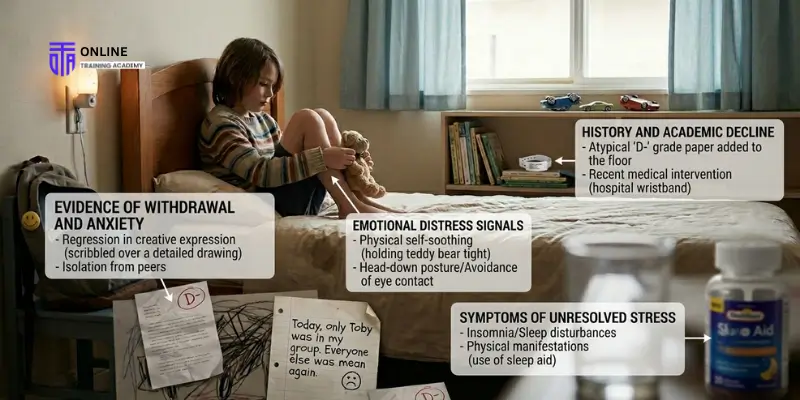
Parents and caregivers play a critical role in noticing when a child may benefit from professional support. Recognizing these signs early can prevent minor challenges from becoming long-term issues.
1. Emotional Signs
➽ Frequent sadness, irritability, anger outbursts, or mood swings.
➽ Persistent worry, excessive fear, or nervousness.
➽ Practical tip: Keep a journal noting recurring emotional patterns to share with the counsellor.
2. Behavioral Changes
➽ Withdrawal from family, friends, or hobbies.
➽ Aggression, defiance, or refusal to follow rules.
➽ Sudden change in eating, sleeping, or daily routines.
➽ Example: A usually outgoing child suddenly refuses to participate in sports or playdates—this could indicate emotional distress.
3. Social Struggles
➽Difficulty forming or maintaining friendships.
➽ Frequent conflicts with peers or bullying experiences.
➽ Avoidance of social situations.
➽ Example: A child repeatedly excluded by classmates begins to isolate themselves, showing a need for guidance in social skills and coping mechanisms.
4. Academic Issues
➽Declining grades or loss of interest in school.
➽ Difficulty concentrating or completing tasks.
➽ School avoidance or frequent absences.
➽Example: A child who previously enjoyed reading and writing suddenly struggles to complete homework assignments may be experiencing stress or anxiety that requires intervention.
5. Physical Symptoms
➽Frequent headaches, stomachaches, or unexplained illnesses.
➽Sleep disturbances, nightmares, or bedwetting.
➽ Explanation: Emotional distress often manifests physically, especially in children who cannot articulate feelings.
6. Trauma Indicators
➽Regression in behavior (e.g., thumb-sucking, clinging).
➽Nightmares, fears related to a past event, or hypervigilance.
➽Avoidance of triggers associated with trauma.
➽Example: A child experiencing a car accident may refuse to get into a vehicle, show anxiety, or have frequent nightmares, signaling the need for counselling.
A previously outgoing 10-year-old girl begins refusing to play with friends, experiences frequent headaches, and shows a sudden drop in grades. Parents notice increased irritability and reluctance to talk about school. Counselling helps uncover that she is being bullied, teaching her coping strategies, building self-confidence, and improving communication with both peers and parents.
Recognizing these issues and signs early allows parents and caregivers to provide timely support. Counselling not only addresses immediate concerns but also equips children with lifelong emotional, social, and coping skills. Children learn to manage stress, express themselves constructively, and navigate challenges—setting the stage for a healthier, more resilient adulthood.
Conclusion
Children do not always have the words or tools to process complex emotions. Counselling offers a structured, supportive environment where children can safely explore feelings, learn coping mechanisms, and build resilience. The benefits extend beyond the individual child, strengthening family communication, relationships, and overall well-being.
Final Thought: Recognizing when a child needs support and providing timely counselling can transform their emotional trajectory—helping them not only cope with challenges today but thrive for a lifetime.
Learn More





Get a FREE Course
- Learn useful skills online free
- Get CPD accredited certificate
- Add it to your CV today!