



In every classroom, playground, and home across the UK, children deserve to feel safe, supported, and valued. Safeguarding isn’t just a set of rules or policies—it is a commitment by parents, schools, healthcare professionals, and the wider community to protect children from harm, neglect, and abuse while promoting their overall wellbeing.
The consequences of neglecting safeguarding are profound. Abuse and neglect can impact mental health, emotional development, and even long-term life opportunities. By understanding the importance of safeguarding, adults can empower children, prevent harm, and create environments where young people thrive academically, socially, and personally.
What Is Safeguarding Children?
Safeguarding involves a proactive approach to protecting children from harm while promoting their wellbeing. It includes:
- Ensuring a safe environment where children can learn, play, and explore without fear.
- Observing and identifying signs of abuse or neglect and responding promptly.
- Promoting open communication, empowering children to express concerns or fears.
- Educating children and adults about safety, boundaries, and responsible behaviour.
Safeguarding is a shared responsibility that spans homes, schools, healthcare settings, and the wider community. By fostering awareness and vigilance, we help children build resilience and emotional strength, equipping them to thrive both now and in the future.
Table of Contents
Why Safeguarding Children Is Important: Protecting Young Lives in Schools and Beyond
Safeguarding children means protecting them from harm, abuse, and neglect in schools, homes, and communities. It is a shared responsibility that helps ensure every child can grow, learn, and thrive in a safe and supportive environment.
Why Is Safeguarding Children Important?
The stakes of safeguarding children are incredibly high. Every day, children navigate environments—at home, at school, and online—where they may be exposed to risks, from subtle neglect to overt abuse. Protecting them is not just about responding to crises; it is about creating conditions where children can thrive safely and reach their full potential.
Preventing Long-Term Harm
Children who experience abuse, neglect, or unsafe environments often face lasting consequences:
- Mental Health Challenges – Exposure to trauma can increase the risk of anxiety, depression, PTSD, and other mental health conditions.
- Educational Impact – Children in unsafe environments may struggle to concentrate, attend school consistently, or achieve academically.
- Social Development – Early experiences of harm can affect relationships, communication skills, and the ability to trust others.
By implementing safeguarding measures early, adults can identify warning signs, intervene promptly, and provide support, dramatically reducing these long-term effects. For example, a teacher noticing a child consistently arriving at school hungry or with unexplained injuries can trigger early intervention, preventing escalation of harm.
Legal and Moral Responsibility
In the UK, safeguarding is not optional—it’s a legal duty. Various laws, such as the Children Act 1989 and 2004, outline the responsibilities of adults working with children to protect them from harm.
- Schools, healthcare professionals, and social workers have statutory duties to report concerns and take action.
- Parents and caregivers have a moral and legal responsibility to provide safe, supportive home environments.
Beyond compliance, safeguarding is about ethical responsibility. Every child has the right to grow up free from fear, neglect, or abuse, and failing to uphold this duty can have severe consequences for both the child and society.
Social and Economic Impact
The consequences of failing to safeguard children are far-reaching. Children who grow up in unsafe environments may require extensive social care, mental health support, or even intervention from the criminal justice system later in life.
- The economic cost includes healthcare expenses, support for foster care or residential care, and long-term social service provision.
- The social cost is equally significant, affecting families, schools, and communities.
Investing in safeguarding early—through staff training, child protection policies, and proactive interventions—not only protects children but also reduces the financial and societal burden associated with long-term harm.
Empowering Children
Safeguarding is also about empowering children to take an active role in their own safety and wellbeing. This involves:
- Teaching children to recognise unsafe situations and potential abuse.
- Encouraging them to voice concerns and seek help from trusted adults.
- Supporting emotional resilience so children can navigate challenges confidently.
Empowered children are more likely to develop self-awareness, confidence, and coping skills, equipping them to thrive both during childhood and into adulthood.
Building a Positive Future
Ultimately, safeguarding is about enabling children to grow into healthy, confident, and capable adults who can contribute positively to society. By preventing harm, promoting wellbeing, and fostering resilience, safeguarding measures create a foundation for:
- Safe, inclusive, and nurturing school environments.
- Healthy family and community relationships.
- Children who are prepared to make positive choices and achieve their potential.
In the UK context, prioritising safeguarding ensures that children have not just protection, but also the opportunity to flourish academically, socially, and emotionally. It is an investment in both the child and society’s future.
Who Is Responsible for Protecting Children?
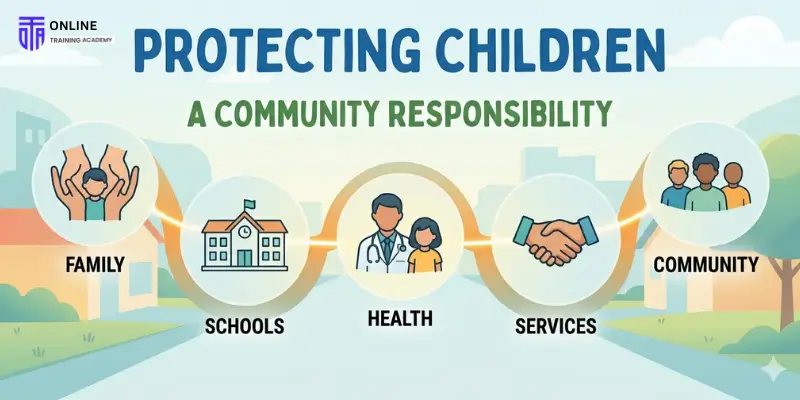
Safeguarding is everyone’s responsibility. While parents and caregivers are at the forefront, schools, healthcare professionals, and social services all play crucial roles. Collaboration between these stakeholders forms a robust protective network.
Parents and Caregivers
Parents and caregivers:
- Create safe home environments, setting boundaries for internet use, TV viewing, and personal safety.
- Teach children essential safety skills, like not talking to strangers or sharing personal information online.
- Provide emotional security, fostering confidence, resilience, and trust.
- Advocate for their children when engaging with schools, healthcare providers, or social services.
Schools
Schools play a critical safeguarding role, going beyond academics to ensure students are safe, nurtured, and supported:
- Protect students from abuse, neglect, bullying, and emotional harm.
- Teach social and emotional skills and promote positive physical health habits.
- Offer counselling services and mental health support.
- Promote online safety through digital literacy education.
Healthcare Professionals
Healthcare providers, including pediatricians and mental health specialists, support safeguarding by:
- Providing preventative care and guidance for physical and mental wellbeing.
- Identifying and reporting signs of abuse or neglect to authorities.
- Supporting children with stress, trauma, or developmental challenges.
Social Services
Social service agencies intervene in high-risk situations to ensure safety and wellbeing:
- Offer housing, food, and counseling support for vulnerable children.
- Facilitate foster care or adoption when necessary.
- Work with families and professionals to create protective, long-term solutions.
The 5 Key Areas of Safeguarding: The 5Rs Framework
Effective safeguarding relies on a structured approach to identify, respond to, and prevent harm. In the UK, the 5Rs of Safeguarding—Recognise, Respond, Report, Record, and Refer—form the foundation for protecting children in schools, healthcare settings, and the community. Following these principles ensures that concerns are addressed promptly, consistently, and safely.
1. Recognise – Spotting the Signs of Abuse or Risk
The first step in safeguarding is being able to recognise potential issues. This involves:
- Observing behavioural changes in children, such as withdrawal, aggression, or sudden mood swings.
- Noticing physical signs, including unexplained injuries, poor hygiene, or malnutrition.
- Being aware of environmental or social risk factors, such as family difficulties, domestic violence, or online exposure to inappropriate content.
Staff, parents, and caregivers are encouraged to be vigilant, as early recognition can prevent harm from escalating. Training courses and guidance from organisations like the UK’s Department for Education (DfE) help adults understand what signs to look for.
2. Respond – Taking Immediate and Appropriate Action
Once a concern is recognised, it’s vital to respond promptly and safely. This means:
- Listening carefully to the child without judgment or leading questions.
- Offering reassurance to make the child feel safe and heard.
- Avoiding confronting the suspected abuser directly, which could put the child at further risk.
Responding effectively ensures that children feel supported and that potential risks are addressed without delay.
3. Report – Informing the Right Authorities
Reporting is a critical step to ensure that concerns are handled by professionals who can provide protection:
- In schools, concerns should be reported to the Designated Safeguarding Lead (DSL).
- Outside of school, relevant authorities could include local children’s services, social workers, or the police if immediate harm is suspected.
- Reporting should be prompt and clear, focusing on facts rather than assumptions or personal opinions.
Accurate reporting helps trigger timely interventions to keep children safe.
4. Record – Documenting Observations and Actions
Maintaining detailed records is essential for transparency and accountability:
- Record what was observed or disclosed, using the child’s own words whenever possible.
- Note dates, times, and locations of incidents or observations.
- Document actions taken, including who was informed and any follow-up steps.
Clear records are valuable for multi-agency collaboration, legal proceedings, and ensuring consistent follow-up.
5. Refer – Escalating to Multi-Agency Support
When concerns go beyond immediate safeguarding measures, referral ensures that the child receives specialist help:
- Referrals may be made to social services, healthcare professionals, or child protection teams.
- Multi-agency collaboration provides a holistic response, taking into account the child’s environment, family circumstances, and wider risks.
- Follow-up from specialist agencies ensures that the child remains safe and supported over time.
Why the 5Rs Matter
Following the 5Rs framework ensures that safeguarding is:
- Structured – Everyone knows their role and the correct procedure.
- Timely – Early intervention prevents harm from escalating.
- Effective – Coordinated actions between parents, schools, and agencies protect children comprehensively.
By embedding the 5Rs into everyday practice, UK schools and organisations can create a robust safety net that prioritises children’s wellbeing and protects them from harm.
The 6 Principles of Child Safeguarding
UK safeguarding frameworks emphasise six key principles:
- Empowerment – Children have the right to voice opinions and make informed decisions.
- Protection – Adults take responsibility for protecting children from harm.
- Prevention – Risks are anticipated and addressed before harm occurs.
- Proportionality – Responses are appropriate to the level of risk.
- Partnerships – Collaboration between families, schools, and agencies ensures safety.
- Accountability – Adults and organisations are held responsible for safeguarding actions.
These principles guide policies, procedures, and daily practice in schools and other child-centred environments.
Why Safeguarding Is Vital in Schools
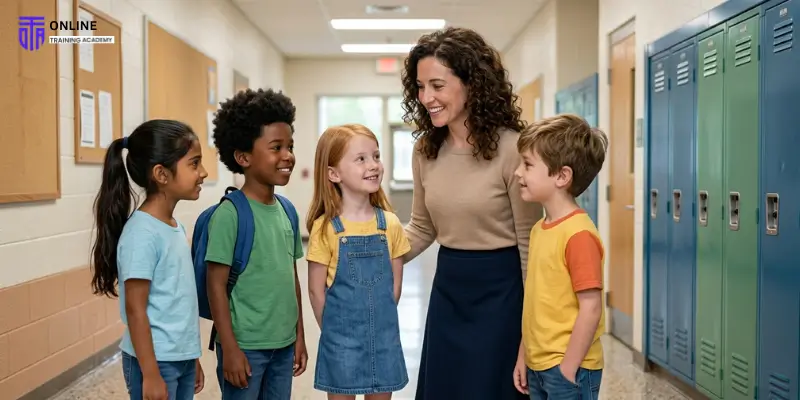
Schools have a unique role in safeguarding because children spend large portions of their day in this environment. Effective safeguarding ensures:
Protecting Students from Harm
- Shields children from physical, emotional, and sexual abuse, neglect, and bullying.
- Implements procedures to prevent and respond to incidents.
Supporting Vulnerable or At-Risk Students
- Identifies students with special educational needs, mental health challenges, or difficult backgrounds.
- Provides targeted support and interventions to meet their specific needs.
Protecting Staff and Visitors
- Ensures adults in schools are aware of their responsibilities and can report concerns safely.
- Safeguards staff from abuse or harassment and maintains a safe environment for all visitors.
Creating a Safe and Secure Environment
- Ensures school buildings, grounds, and facilities are safe and well-maintained.
- Establishes emergency procedures and drills to prepare for unexpected events.
- Promotes a culture of vigilance, awareness, and accountability.
Practical Tools for Safeguarding
Schools and organisations can strengthen safeguarding by using tools and training resources such as:
- Online safeguarding training packages – flexible, expert-written courses for staff on child protection, compliance, health and safety, and wellbeing.
- Policy management systems – helping schools document procedures, track incidents, and monitor compliance.
- Multi-agency communication platforms – facilitating collaboration between schools, social services, and healthcare providers.
These resources provide practical support to ensure that safeguarding policies are effective, actionable, and embedded into daily practice.
Conclusion
Safeguarding children is essential for their safety, wellbeing, and future potential. It is a collective responsibility shared by parents, schools, healthcare professionals, and social services.
By recognising risks, responding appropriately, and fostering safe, supportive environments, we can prevent harm, promote resilience, and empower children to thrive. In schools, safeguarding ensures that students are protected physically, emotionally, and digitally, creating the foundation for a healthy, safe, and inclusive learning community.
Ultimately, safeguarding is not just a policy—it is a commitment to every child’s right to grow, learn, and flourish safely.
Learn More


Get a FREE Course
- Learn useful skills online free
- Get CPD accredited certificate
- Add it to your CV today!