

Working with children and young people can be incredibly rewarding, but it also carries a significant responsibility. Anyone involved in education, childcare, healthcare, sports, or community organisations must prioritise the safety and wellbeing of the children in their care.
Safeguarding plays a vital role in protecting children from abuse, neglect, exploitation, and harm. It involves creating safe environments, recognising risks, and taking appropriate action when concerns arise.
Safeguarding training helps individuals and organisations develop the knowledge and skills necessary to protect children effectively. By understanding vulnerabilities, recognising warning signs, and responding appropriately, professionals can ensure that children are safe, supported, and able to thrive.
What Safeguarding Truly Means
Safeguarding refers to the actions and policies put in place to protect children from harm and promote their wellbeing.
It involves:
- Protecting children from abuse and neglect
- Preventing harm to children’s health or development
- Ensuring children grow up in safe and supportive environments
- Taking action when a child is at risk
Safeguarding is not only about responding to incidents. It also focuses on prevention, early intervention, and promoting children’s welfare.
Table of Contents
Benefits of Safeguarding Children: Why Protection and Awareness Matter
Safeguarding children is essential for protecting their safety, wellbeing, and development. By promoting awareness, preventing harm, and creating supportive environments, safeguarding helps children grow with confidence and security. Effective safeguarding practices ensure that every child has the opportunity to thrive, learn, and reach their full potential in a safe and nurturing setting.
Why Do We Have to Ensure the Safety of Children?
Children rely on adults to provide care, guidance, and protection. Because they are still developing emotionally, physically, and socially, they may not always be able to recognise risks or protect themselves from harm.
Ensuring the safety of children is important because it:
- Protects children from abuse and exploitation
- Supports healthy emotional and physical development
- Builds trust between children and caregivers
- Creates safe learning and social environments
- Encourages children to speak up when they feel unsafe
When children feel safe, they are more likely to develop confidence, form healthy relationships, and succeed in education and life.
How Can We Protect Children?
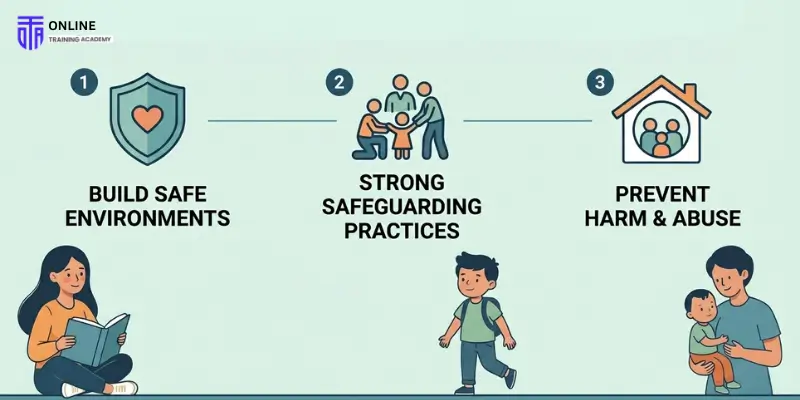
Protecting children requires a proactive and coordinated approach from individuals, organisations, and communities. Safeguarding is not only about responding to incidents of abuse or neglect; it is also about creating environments where children feel safe, valued, and supported. By implementing strong safeguarding practices, adults can help prevent harm and ensure that children’s wellbeing is always prioritised.
Below are some of the most important safeguarding measures that help protect children effectively.
Education and Training
One of the most effective ways to protect children is through proper safeguarding education and training. Staff members, volunteers, and anyone working with children must understand the responsibilities involved in safeguarding.
Training helps individuals learn how to:
- Recognise early warning signs of abuse, neglect, or exploitation
- Understand different types of safeguarding risks children may face
- Respond appropriately when a child discloses a concern
- Follow the correct safeguarding procedures and reporting processes
Regular training and refresher courses ensure that staff remain up to date with safeguarding legislation, policies, and best practices. When professionals are well-trained, they are more confident in identifying risks and taking appropriate action to protect children.
Creating Safe Environments
Children should feel safe in every environment they interact with, whether it is school, childcare settings, sports clubs, community groups, or online spaces. Organisations must create environments where children’s safety is embedded into everyday practices.
This can be achieved by implementing:
- Clear safeguarding policies and procedures
- Safe recruitment practices, including background checks and references
- Designated safeguarding leads responsible for handling concerns
- Risk assessments for activities and environments
- Supervision policies to ensure children are not left in unsafe situations
A well-structured safeguarding framework helps organisations minimise risks and ensures that everyone understands their role in protecting children.
Listening to Children
Children must feel confident that their voices are heard and their concerns are taken seriously. Creating a supportive environment where children feel comfortable speaking openly is a crucial aspect of safeguarding.
Adults should:
- Encourage open communication with children
- Listen carefully without interrupting or judging
- Reassure children that they are safe and supported
- Take all disclosures seriously, even if the situation seems unclear
Many children who experience abuse may feel afraid, confused, or unsure about speaking up. By building trusting relationships, adults can help children feel safe enough to share their concerns.
Early Intervention
Early intervention plays a vital role in safeguarding. Identifying problems at an early stage allows professionals and caregivers to provide support before issues escalate into serious harm.
Signs that early intervention may be needed include:
- Sudden changes in behaviour or mood
- Frequent absences from school
- Withdrawal from friends or activities
- Signs of neglect or poor wellbeing
When concerns are addressed early, support services such as counselling, family support programmes, or social care assistance can help improve the child’s situation and prevent further risk.
Reporting Concerns
If there is reason to believe that a child is experiencing abuse, neglect, or any form of harm, it is essential to report the concern immediately. Ignoring warning signs or delaying action can leave a child vulnerable.
Safeguarding procedures typically involve:
- Recording observations or disclosures accurately
- Reporting concerns to the Designated Safeguarding Lead (DSL) or appropriate authority
- Following organisational safeguarding policies
- Escalating serious concerns to social services or law enforcement if necessary
Accurate reporting ensures that safeguarding concerns are investigated by professionals who can provide appropriate protection and support for the child.
Building a Protective Community Around Children
Protecting children is not the responsibility of one person or organisation alone. Effective safeguarding relies on collaboration between families, schools, healthcare professionals, community organisations, and social services.
When communities work together to prioritise child safety, they create a strong protective network that helps ensure children grow up in environments where they can learn, develop, and thrive safely.
What Are the Benefits of Safeguarding Children?
Safeguarding training provides numerous benefits for organisations that work with children and young people.
1. Understanding Who May Be Vulnerable
Without safeguarding training, it can be difficult to recognise which children may be at higher risk of harm.
Safeguarding education helps staff understand that vulnerability can be influenced by factors such as:
- Family difficulties or domestic violence
- Disabilities or health conditions
- Mental health challenges
- Social isolation or bullying
Recognising vulnerability helps staff provide additional support and protection to children who need it most.
2. Recognising the Signs of Abuse and Neglect
One of the most important aspects of safeguarding training is learning how to identify the warning signs of abuse and neglect.
These signs may include:
- Unexplained injuries
- Sudden behavioural changes
- Withdrawal or anxiety
- Poor hygiene or signs of neglect
- Reluctance to go home or attend certain places
By recognising these signs early, staff can take appropriate action and ensure that concerns are investigated promptly.
3. Improving Communication with Children
Effective communication is essential in safeguarding.
Training helps staff learn how to:
- Speak with children in a supportive and non-judgmental way
- Encourage children to share concerns safely
- Respond calmly when a child discloses abuse
- Provide reassurance without making promises they cannot keep
Good communication builds trust between adults and children, making it easier for children to seek help when they need it.
4. Building Trust in Your Organisation
When organisations prioritise safeguarding, it sends a clear message to parents, caregivers, and the wider community that children’s safety is taken seriously.
Safeguarding training helps to:
- Strengthen organisational credibility
- Encourage transparency and accountability
- Build stronger relationships with parents and stakeholders
- Promote a culture of safety and responsibility
Parents are more likely to trust organisations that demonstrate a strong commitment to protecting children.
5. Ensuring Proper Recording and Reporting of Concerns
Discovering that a child may be experiencing abuse or neglect can be distressing for staff members.
Safeguarding training provides clear guidance on:
- Recording safeguarding concerns accurately
- Following correct reporting procedures
- Escalating concerns to safeguarding leads or authorities
- Supporting children throughout the process
This ensures that safeguarding concerns are handled professionally, responsibly, and in accordance with safeguarding policies.
Creating a Safe Culture in Schools and Organisations
Safeguarding should be embedded into the culture of any organisation that works with children.
A strong safeguarding culture includes:
- Regular staff training and refresher courses
- Clear safeguarding policies and procedures
- Designated safeguarding leads
- Safe recruitment practices
- Open communication between staff, children, and parents
When safeguarding becomes part of everyday practice, organisations can create environments where children feel protected, respected, and supported.
What Is the Purpose of Safeguarding Training?
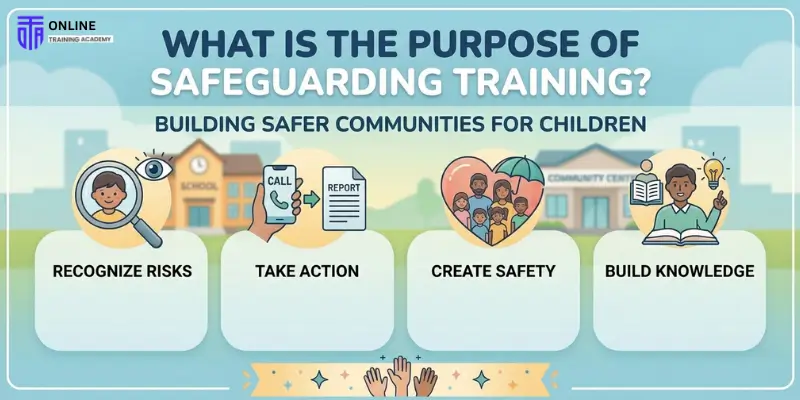
Safeguarding training plays a crucial role in protecting children and young people by ensuring that individuals who work with them understand how to recognise risks and respond appropriately. Whether in schools, childcare settings, healthcare, or community organisations, safeguarding training provides the essential knowledge and confidence needed to keep children safe.
The purpose of safeguarding training is not only to inform people about policies and procedures but also to create a culture where the safety and wellbeing of children are prioritised at all times. When staff members, volunteers, and professionals are properly trained, they are better equipped to identify concerns early and take the correct steps to protect vulnerable children.
Raising Awareness About Abuse and Neglect
One of the main goals of safeguarding training is to raise awareness about the different forms of abuse and neglect that children may experience. Training helps individuals understand that abuse can take many forms, including physical, emotional, sexual abuse, and neglect.
By learning about these forms of harm, professionals become more aware of the risks children may face both at home and in other environments. This awareness encourages staff to remain vigilant and attentive to the wellbeing of the children in their care.
Helping Professionals Recognise Warning Signs
Safeguarding training teaches professionals how to recognise early warning signs that a child may be experiencing harm. These signs can sometimes be subtle and may include behavioural changes, emotional distress, unexplained injuries, or signs of neglect.
By understanding these indicators, staff can monitor situations more effectively and ensure that concerns are not overlooked. Early recognition is critical in preventing abuse from continuing or escalating.
Teaching Appropriate Responses to Safeguarding Concerns
Knowing how to respond when a safeguarding concern arises is just as important as recognising the signs. Safeguarding training provides guidance on how to handle sensitive situations in a calm, professional, and supportive manner.
Participants learn how to listen to children carefully, avoid asking leading questions, and provide reassurance without making promises they cannot keep. These skills help ensure that children feel safe and supported when sharing concerns.
Ensuring Proper Reporting and Documentation
Another important purpose of safeguarding training is to ensure that staff understand the correct procedures for recording and reporting safeguarding concerns. Proper documentation is essential for maintaining accurate records and ensuring that concerns are passed on to the appropriate authorities.
Training typically covers how to document incidents clearly, report concerns to the designated safeguarding lead, and follow organisational safeguarding policies. This structured approach ensures that safeguarding issues are addressed promptly and responsibly.
Promoting Safe Environments for Children
Safeguarding training also focuses on creating environments where children feel secure, respected, and supported. Organisations that prioritise safeguarding establish policies and practices that reduce risks and promote positive relationships between staff and children.
By promoting a culture of safety, organisations can ensure that safeguarding becomes an integral part of everyday practice rather than simply a set of rules to follow.
Supporting a Shared Responsibility
Ultimately, safeguarding training helps everyone working with children understand that protecting young people from harm is a shared responsibility. By equipping individuals with the right knowledge, skills, and awareness, safeguarding training ensures that children receive the care, protection, and support they deserve.
FAQs
Safeguarding is important because it protects children from abuse, neglect, and exploitation while promoting their wellbeing and development in safe environments.
Safeguarding is a shared responsibility between parents, educators, healthcare professionals, social workers, volunteers, and community members.
Safeguarding training helps staff identify vulnerable children, recognise signs of abuse, communicate effectively, follow reporting procedures, and create safer environments for young people.
Organisations benefit from improved trust, better communication with parents, stronger policies, and increased confidence among staff when handling safeguarding concerns.
Staff should record their observations, report concerns to the designated safeguarding lead, and follow the organisation’s safeguarding procedures immediately.
Conclusion
Safeguarding children is a fundamental responsibility for anyone who works with or cares for young people. It involves more than simply responding to incidents of abuse or neglect; it requires a proactive approach that focuses on prevention, awareness, and early intervention. By understanding the different risks children may face and recognising the warning signs of harm, adults can take the necessary steps to protect vulnerable young people.
Safeguarding training plays a vital role in building this protective framework. It equips professionals, volunteers, and caregivers with the knowledge and skills needed to recognise concerns, respond appropriately, and follow the correct reporting procedures. When individuals are confident in their safeguarding responsibilities, they are better able to create environments where children feel safe, respected, and supported.
Ultimately, effective safeguarding relies on collaboration between families, schools, organisations, and communities. By working together and prioritising children’s safety and wellbeing, we can ensure that every child has the opportunity to grow, learn, and thrive in a secure and nurturing environment.
Learn More





Get a FREE Course
- Learn useful skills online free
- Get CPD accredited certificate
- Add it to your CV today!