

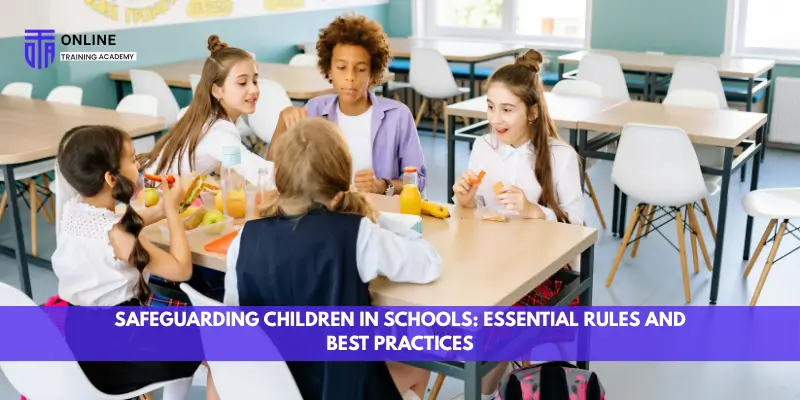
In schools across the UK, children learn, play, and grow, but their safety is always the foundation for any productive learning environment. Every day, students navigate classrooms, hallways, playgrounds, and online spaces. While major emergencies are rare, it’s the daily habits and routines that ensure safety and wellbeing.
Even small actions—like walking calmly in corridors, reporting hazards, or following classroom rules—can prevent accidents, stop bullying, and protect both physical and emotional health. In this guide, we’ll cover practical safety rules for students, common mistakes to avoid, and strategies schools can adopt to create a nurturing, secure environment.
Daily Safety Rules for Students
Students can actively protect themselves and others by following simple, consistent safety practices. Here are ten essential rules every student should know:
- Walk, Don’t Run in Hallways
Hallways are busy, and running increases the risk of slips, collisions, and injuries. Walking calmly helps prevent accidents and maintains order during class changes. - Listen to Teachers and Staff
Teachers, support staff, and security personnel are trained to handle emergencies and maintain safety. Following instructions—whether during a fire drill, lunchtime supervision, or a classroom incident—ensures that everyone remains secure. - Keep Hands and Feet to Yourself
Respect personal space and boundaries. Avoid rough play, physical altercations, or bullying. Practicing good manners and respectful behaviour helps everyone feel safe. - Know Emergency Procedures
Schools have protocols for fire, lockdowns, and other emergencies. Familiarise yourself with evacuation routes, assembly points, and alarm signals. Taking drills seriously prepares students to act calmly and safely in real emergencies. - Use Equipment Properly
From scissors and lab tools to playground equipment, improper use can cause injuries. Students should always follow instructions for safe handling, ensuring they protect themselves and their peers. - Stay Within School Boundaries
Leaving school grounds without permission exposes students to traffic hazards, strangers, or other dangers. Staying within campus ensures that help is nearby if needed. - Report Bullying, Suspicious Behaviour, or Hazards
Never ignore bullying, unsafe conditions, or damaged equipment. Early reporting allows staff to take action, preventing further harm and fostering a culture of safety. - Maintain Healthy Habits
Handwashing, covering coughs, and maintaining personal hygiene prevent illness and cross-contamination, protecting both individual students and the wider school community. - Be Safe Online
Digital safety is crucial. Avoid sharing personal information, adhere to school guidelines for online learning, and report cyberbullying or inappropriate content. Protecting your digital wellbeing is as important as physical safety. - Follow Instructions During Field Trips and Activities
Off-campus activities carry unique risks. Following staff instructions during trips, sports events, and excursions ensures that everyone enjoys activities safely.
Table of Contents
Safeguarding Children in Schools: Essential Rules and Best Practices
“The ‘Why Safeguarding Children and Vulnerable Adults Matters: Building Safer Systems to Prevent Harm’ article helps readers understand safeguarding principles, recognise risks, implement protective measures, and foster safer environments for children and vulnerable adults.”
Practical Safety Reminders for Students
Teachers and school staff often emphasise that small, everyday actions can prevent serious accidents. By incorporating simple habits into daily routines, students contribute not only to their own safety but also to the wellbeing of their peers. Here’s a detailed guide to key safety practices:
Practical Safety Reminders for Students
Knowing the location of fire exits, first aid kits, and safety equipment is essential. In an emergency, quick access can save lives. Students should:
- Take note of the nearest fire exits in every classroom they use.
- Know where first aid kits and defibrillators are located.
- Understand the procedure for raising an alarm or contacting staff if an incident occurs.
This awareness ensures that students can act swiftly during emergencies, reducing panic and avoiding confusion.
Pay Attention to Warning Signs
Warning signs, such as “wet floor”, “restricted area”, or “caution: slippery stairs”, are placed for a reason. These small indicators protect students from preventable accidents. By taking them seriously, students:
- Avoid slips, trips, and falls.
- Help staff maintain a safer environment.
- Encourage peers to follow safety protocols as well.
Report Hazards Immediately
Even minor hazards, like spilled water, loose railings, broken glass, or damaged equipment, can quickly escalate into serious accidents. Students should always report these issues to a teacher or school staff. Prompt reporting:
- Prevents injuries to themselves or classmates.
- Helps staff take corrective action quickly.
- Reinforces a culture of vigilance and shared responsibility.
Maintain Personal Hygiene
Health is an important part of safety. Students should:
- Wash hands regularly, especially before meals.
- Avoid sharing items like water bottles, utensils, or stationery that could spread germs.
- Stay home if feeling unwell to prevent spreading illness.
These practices protect both physical wellbeing and overall school hygiene, reducing absences and helping everyone stay healthy.
Make Safe Choices with Peers
Being mindful of whom you interact with is also a safety measure. Students should:
- Choose friends wisely and avoid risky situations.
- Avoid accepting items from strangers or individuals they do not trust.
- Support peers by noticing if someone is in distress or being isolated.
Fostering safe social interactions reduces both emotional and physical risks at school.
Common Mistakes Students Make
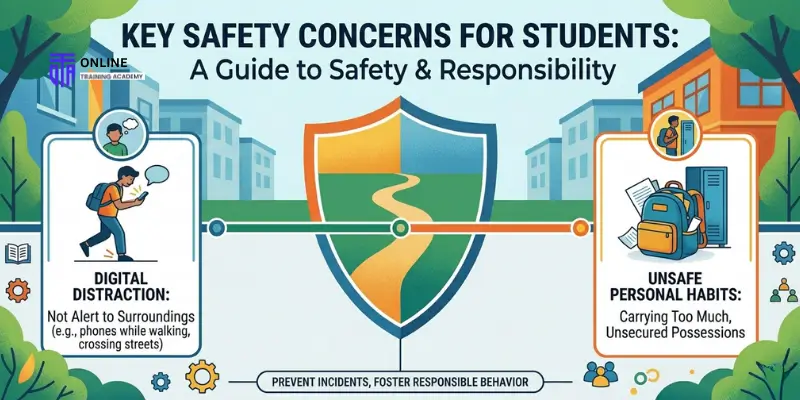
Even the most cautious students can make choices that compromise safety. Understanding common pitfalls helps prevent incidents and encourages responsible behaviour:
Rushing in Hallways
Many students hurry between lessons, especially if they are running late. This increases the likelihood of collisions or falls. Instead:
- Leave class a few minutes earlier to allow a calm, safe journey.
- Walk steadily and keep an eye on others to avoid accidents.
This awareness ensures that students can act swiftly during emergencies, reducing panic and avoiding confusion.
Ignoring Hazards
Walking past spills, broken furniture, or damaged playground equipment may seem harmless, but it can lead to serious injuries. Students should:
- Report hazards immediately to teachers or staff.
- Encourage friends to do the same.
Remaining Silent About Bullying or Unsafe Situations
Students may assume someone else will intervene when bullying occurs or when hazards are noticed. This can allow small problems to escalate. Proactively speaking up:
- Protects peers from harm.
- Helps teachers respond before situations worsen.
- Creates a safer, more inclusive school environment.
Assuming Rules Only Apply During Emergencies
Many students think safety rules matter only during drills or crises. In reality, everyday actions—like keeping the classroom tidy, using equipment properly, and practising good hygiene—prevent accidents before they happen.
Real-Life Example: Why Small Precautions Matter
Imagine a student notices a small wet spot near the stairs but ignores it, thinking it’s insignificant. Unfortunately, another student slips, injures their knee, and disrupts the class. This simple incident could have been prevented if the first student had reported the hazard immediately.
This example highlights that minor precautions save lives. Safety isn’t just about following rules during emergencies—it’s about consistently practising awareness and responsibility every day.
Strategies Schools Can Adopt
Creating a safe and nurturing school environment requires policy, culture, and practical measures:
Comprehensive Safety Policies
Schools should have clear, regularly updated policies covering child protection, bullying, emergency procedures, and staff responsibilities.
Thorough Background Checks
All staff should undergo criminal background checks, reference verification, and qualification assessments to ensure they are trustworthy and capable.
Ongoing Staff Training
Professional development should focus on recognising abuse, responding to bullying, handling emergencies, and promoting positive behaviour.
Partnerships with Parents
Open communication, regular meetings, and volunteering opportunities strengthen the home-school link and foster shared responsibility for child safety.
Positive School Culture
Promoting respect, kindness, and inclusion prevents bullying, encourages reporting of concerns, and supports mental and emotional wellbeing.
Physical Security Measures
Controlled access, surveillance, visitor protocols, and safety checks reduce risks from intruders or unsafe areas.
Emotional Support Services
Guidance counsellors, social workers, and psychologists provide safe spaces for students to express concerns and receive support for mental health and wellbeing.
Supporting Mental Health in Schools
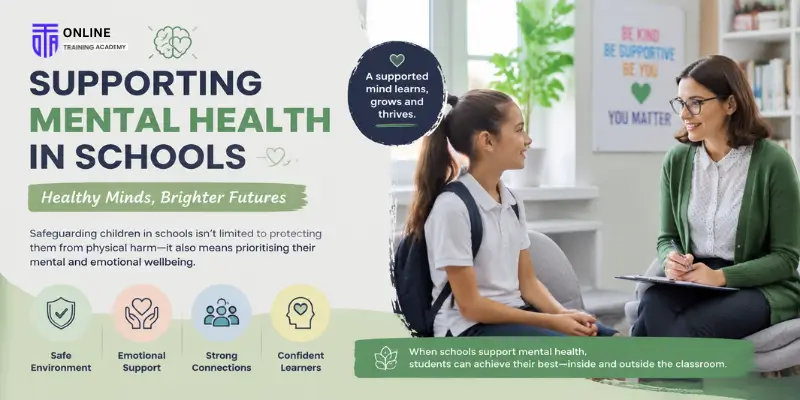
Safeguarding children in schools isn’t limited to protecting them from physical harm—it also means prioritising their mental and emotional wellbeing. A safe school environment helps students feel secure, supported, and confident, enabling them to focus on learning, forming friendships, and participating fully in school life.
Creating a Positive and Inclusive Environment
A supportive school culture is the foundation for good mental health. When students feel included and respected, they are less likely to experience anxiety, isolation, or behavioural issues. Schools can foster this environment by:
- Promoting empathy and respect – encouraging students to understand and value the perspectives of others.
- Celebrating diversity – recognising and appreciating different cultures, abilities, and backgrounds within the school community.
- Encouraging inclusive participation – making sure every child feels they belong, whether in classrooms, sports teams, or clubs.
Anti-Bullying Programs and Conflict Resolution
Bullying, whether in-person or online, can have severe impacts on a child’s mental health. Schools should implement:
- Anti-bullying programs – educating students on recognising bullying, understanding its effects, and empowering them to intervene safely.
- Conflict resolution workshops – teaching children effective ways to resolve disagreements without aggression or intimidation.
These programs help students develop problem-solving skills, resilience, and empathy, reducing the risk of long-term emotional harm.
Accessible Emotional Support
Students may face challenges that affect their wellbeing, such as family difficulties, peer pressure, or academic stress. Schools can provide accessible support through:
- Guidance counsellors or school psychologists – offering one-to-one sessions for children who need a safe space to discuss their feelings.
- Social workers or pastoral care staff – helping students navigate challenges and access additional services when necessary.
- Peer mentoring programs – allowing older or trained students to support younger peers, creating a sense of community and belonging.
By ensuring support is readily available, schools give children tools to cope with stress and build emotional resilience.
Encouraging Peer Support and Positive Behaviour
Mental health support isn’t only provided by adults—students themselves play a critical role. Schools can encourage:
- Peer support networks – buddies or mentoring programs where students help one another navigate challenges.
- Promoting kindness and respect – rewarding inclusive behaviour and highlighting positive examples.
- Student-led wellbeing initiatives – empowering children to take responsibility for their own and peers’ mental health.
This approach reinforces a culture of care, making students feel valued and protected.
The Impact of Mental Health Support on Learning
When schools address both physical safety and emotional wellbeing, students are better equipped to:
- Concentrate and engage in lessons
- Build meaningful friendships
- Participate confidently in extracurricular activities
- Develop resilience and coping skills for future challenges
In essence, mental and emotional wellbeing is inseparable from safeguarding. A school that nurtures the mind as well as the body ensures that children thrive academically, socially, and personally, forming a strong foundation for lifelong wellbeing.
Conclusion
Safeguarding children in schools is a shared responsibility involving students, staff, and parents. Daily safety habits, awareness of hazards, and adherence to school rules create a foundation for security, while structured policies, training, and support services strengthen that foundation.
From walking calmly in corridors to reporting bullying, every action contributes to a safe, nurturing environment. Schools that prioritise safeguarding not only protect children from harm but also empower them to learn, grow, and thrive with confidence.
Safety is more than a set of rules—it’s a culture that protects students and allows them to flourish in every aspect of school life.
Learn More





Get a FREE Course
- Learn useful skills online free
- Get CPD accredited certificate
- Add it to your CV today!