

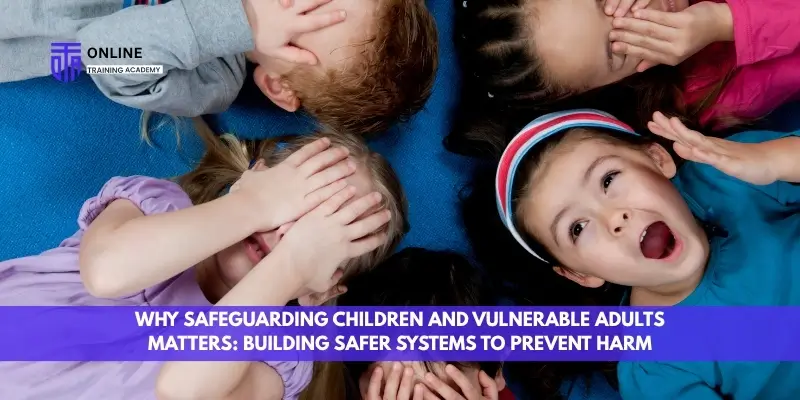
Protecting children and vulnerable adults is one of the most important responsibilities any organisation or community can hold. Safeguarding is not only about reacting when harm occurs—it is about preventing abuse, neglect, and exploitation before they happen.
Whether in education, healthcare, social services, community organisations, or workplaces, safeguarding ensures that individuals who may be at greater risk are supported, respected, and protected. Effective safeguarding systems create environments where people can feel safe, valued, and empowered to speak up when something is wrong.
In recent decades, global investigations into institutional failures have highlighted the devastating consequences that arise when safeguarding measures are weak or ignored. These events have reinforced the need for stronger policies, better accountability, and a culture that prioritises safety above all else.
Understanding Safeguarding and Its Purpose
Safeguarding refers to the actions, policies, and practices designed to protect individuals—particularly children and vulnerable adults—from harm. It involves identifying risks, preventing abuse, and ensuring that any concerns are handled quickly and appropriately.
A strong safeguarding framework typically includes:
- Clear organisational policies and procedures
- Staff and volunteer training
- Safe recruitment practices
- Effective reporting mechanisms
- Risk assessments and ongoing monitoring
Safeguarding is not a single policy or training session. Instead, it is a continuous commitment integrated into everyday practice, leadership decisions, and organisational culture.
Why Safeguarding Is Essential in Modern Organisations
Every organisation that interacts with people—especially those in vulnerable circumstances—has a duty to ensure their safety. When safeguarding measures are embedded into operations, organisations can:
Protect Individuals from Harm
Effective safeguarding reduces the likelihood of abuse, neglect, exploitation, or discrimination.
Promote Dignity and Human Rights
Everyone deserves to be treated with respect and given the opportunity to live safely without fear of harm.
Strengthen Public Trust
Communities place trust in organisations that work with children and vulnerable adults. Maintaining strong safeguarding standards helps protect that trust.
Improve Accountability
Clear procedures ensure that concerns are taken seriously and addressed through transparent processes.
Why Safeguarding Children and Vulnerable Adults Matters: Building Safer Systems to Prevent Harm
“The ‘Why Safeguarding Children and Vulnerable Adults Matters: Building Safer Systems to Prevent Harm’ article helps readers understand safeguarding principles, recognise risks, implement protective measures, and foster safer environments for children and vulnerable adults.”
Who Is Considered a Vulnerable Person?
Vulnerability can arise from many different circumstances, and it does not always relate to age or health alone. A vulnerable person is generally someone who may require additional support or protection because their situation places them at a higher risk of harm, abuse, neglect, or exploitation. This vulnerability may be temporary or long-term and can be influenced by social, physical, emotional, or environmental factors.
Understanding who may be vulnerable helps organisations, caregivers, and communities implement safeguarding measures that ensure safety, dignity, and appropriate support.
Children and Young People
Children and young people are naturally more vulnerable because they depend on adults for their care, protection, and guidance. Their limited life experience and understanding of social boundaries can make it difficult for them to recognise unsafe situations or report harmful behaviour.
Children may also be influenced or manipulated by adults or peers, particularly when they trust those individuals. Because of this, safeguarding systems in schools, childcare services, and community organisations must focus on creating safe environments where children feel comfortable speaking up and where concerns are taken seriously.
Older Adults
Older adults can become vulnerable due to factors such as declining physical health, reduced mobility, memory loss, or cognitive conditions like dementia. These challenges can make it harder for them to manage daily tasks, protect themselves, or report mistreatment.
Dependence on caregivers or family members for support may also increase the risk of neglect or abuse if appropriate safeguards are not in place. Ensuring that older adults are treated with dignity, have access to support services, and are included in decisions about their care is a key part of effective safeguarding.
Adults with Disabilities
Adults living with physical, intellectual, or developmental disabilities may face barriers that increase their vulnerability. These barriers might include communication difficulties, reliance on support workers, limited access to resources, or social isolation.
Some individuals may find it challenging to recognise abusive behaviour or to report it, particularly if the person responsible for their care is also the one causing harm. Safeguarding practices in disability services must therefore focus on empowerment, accessibility, and ensuring individuals have safe channels to report concerns.
Individuals Experiencing Social or Economic Disadvantage
Vulnerability can also arise from social circumstances such as poverty, homelessness, isolation, or lack of community support. People facing these challenges may experience increased stress, limited access to healthcare or education, and greater exposure to unsafe environments.
Individuals who have experienced trauma, discrimination, or social exclusion may also be at higher risk of exploitation or neglect. Safeguarding strategies must consider these broader social factors to ensure support systems are inclusive and responsive to different needs.
Recognising the wide range of factors that contribute to vulnerability allows organisations to design safeguarding approaches that address real risks and provide meaningful protection.
Recognising Different Types of Abuse
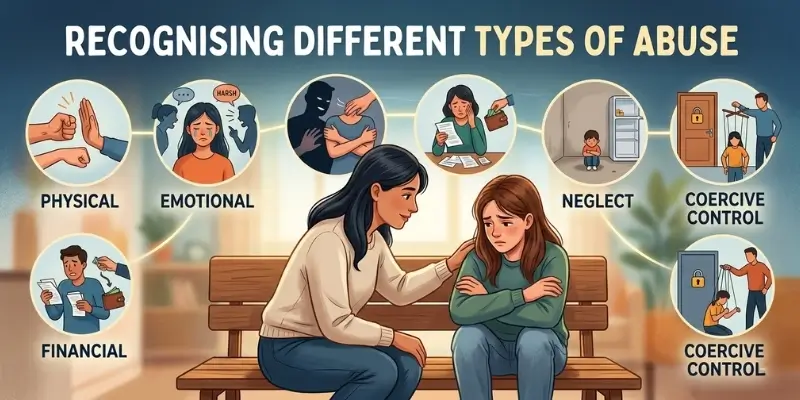
Safeguarding requires an understanding that abuse can take many different forms. It may occur in families, institutions, workplaces, or community settings, and it often happens in situations where there is an imbalance of power or trust.
Recognising the signs of abuse early can help prevent further harm and ensure that individuals receive the support and protection they need.
Physical Abuse
Physical abuse involves intentionally causing injury or harm to another person. This can include hitting, slapping, pushing, burning, or any other form of physical force used to cause pain or control someone.
Signs of physical abuse may include unexplained injuries, repeated bruising, fear of certain individuals, or attempts to hide physical marks. Immediate attention and reporting are essential when such signs are observed.
Emotional or Psychological Abuse
Emotional or psychological abuse involves behaviours that damage a person’s self-esteem, confidence, or emotional well-being. This type of abuse may include constant criticism, humiliation, threats, intimidation, isolation, or controlling behaviour.
Although it may not leave visible injuries, emotional abuse can have severe long-term effects on a person’s mental health, confidence, and ability to trust others.
Sexual Abuse
Sexual abuse occurs when someone is forced, pressured, or manipulated into sexual activity without their consent. This can include physical acts, inappropriate touching, exploitation, or exposure to sexual material.
Children, individuals with disabilities, and those who depend on caregivers may be particularly vulnerable to this form of abuse. Recognising behavioural changes, fear, withdrawal, or sudden emotional distress may help identify potential concerns.
Financial Abuse
Financial abuse involves the misuse or theft of an individual’s money, property, or assets. This may occur when someone manipulates a vulnerable person into giving away money, pressures them to change financial documents, or takes control of their finances without permission.
Older adults and individuals who rely on others for support may be particularly at risk of financial exploitation.
Exploitation
Exploitation occurs when someone takes advantage of another person’s vulnerability for personal gain. This can include forcing someone into labour, criminal activity, or situations where they are manipulated for profit.
Examples may include trafficking, coercion into illegal activities, or manipulation for financial benefit. Exploitation often occurs in hidden environments, making awareness and vigilance essential.
Early recognition of these forms of abuse is critical. When concerns are identified and reported promptly, appropriate authorities can intervene, provide support to victims, and prevent further harm.
The Role of Organisations in Preventing Abuse
Organisations play a central role in protecting vulnerable people. Safeguarding must be embedded into leadership, governance, and daily operations.
Key actions organisations should take include:
- Conducting thorough background checks before hiring staff or volunteers
- Providing regular safeguarding training
- Creating clear codes of conduct for behaviour and professional boundaries
- Establishing confidential reporting channels
- Encouraging a culture where concerns can be raised without fear
When these systems are implemented effectively, they help identify risks early and ensure swift intervention when problems arise.
Building a Culture of Safety and Prevention
Safeguarding is most effective when it becomes part of an organisation’s everyday culture. This means moving beyond simply meeting legal requirements and instead focusing on prevention and continuous improvement.
A culture of safety includes:
- Leadership commitment to safeguarding values
- Open communication and transparency
- Listening to the voices of children and vulnerable individuals
- Regular review of policies and procedures
- Continuous staff development and training
When everyone within an organisation understands their responsibility for safeguarding, safety becomes a shared priority.
Strengthening Safeguarding Through Independent Oversight
External accreditation and quality frameworks can help organisations maintain strong safeguarding standards. Independent assessment ensures that safeguarding policies are not only written but actively practiced.
Accreditation programs can help organisations:
- Evaluate existing safeguarding systems
- Identify gaps and areas for improvement
- Demonstrate accountability to stakeholders
- Maintain consistent quality and safety standards
This independent validation can also reassure families, communities, and regulators that safeguarding commitments are being taken seriously.
Rebuilding and Maintaining Public Trust
Public trust is essential when organisations work with vulnerable populations. When safeguarding failures occur, the damage extends beyond individuals and affects entire communities.
Transparency, accountability, and proactive action are essential for maintaining confidence. Organisations that prioritise safeguarding show that they are committed to protecting the people they serve and learning from past failures.
Safeguarding as a Shared Responsibility

Protecting vulnerable individuals is not the responsibility of a single organisation or professional group. Governments, community leaders, educators, healthcare workers, families, and volunteers all have a role to play.
Collaboration between these groups ensures that safeguarding measures are consistent and effective across different environments.
By working together, society can create safer spaces where children and vulnerable adults can live, learn, and thrive.
Conclusion
Safeguarding is far more than a legal obligation—it is a moral commitment to protect the dignity, safety, and rights of those who may be most at risk.
Strong safeguarding systems help prevent harm, build trust, and create environments where individuals feel secure and supported. For organisations working with children and vulnerable adults, safeguarding must be embedded into every level of operation, from leadership decisions to frontline interactions.
By prioritising prevention, accountability, and continuous improvement, organisations contribute to a safer and more inclusive society—one where every person has the opportunity to live free from abuse, neglect, and exploitation.
FAQs
Safeguarding refers to the policies, procedures, and actions taken to protect children and vulnerable adults from abuse, neglect, exploitation, and harm. It involves identifying risks, preventing unsafe situations, and responding appropriately when concerns arise to ensure individuals remain safe and supported.
Safeguarding is important because it protects people who may be unable to protect themselves. Effective safeguarding systems help prevent abuse, promote well-being, and ensure that organisations take responsibility for the safety and dignity of those in their care.
Safeguarding is a shared responsibility. Professionals working in education, healthcare, social services, and community organisations all play an important role. However, responsibility does not stop there—families, volunteers, and the wider community also contribute to creating safe environments and reporting concerns when necessary.
Some possible warning signs include unexplained injuries, sudden behavioural changes, withdrawal from social activities, poor hygiene, fear of certain individuals, or signs of financial exploitation. While these signs do not always indicate abuse, they should never be ignored and should be reported according to safeguarding procedures.
Organisations can improve safeguarding by implementing safe recruitment procedures, providing regular training for staff and volunteers, creating clear reporting processes, conducting risk assessments, and promoting a culture where concerns can be raised without fear.
If someone suspects that a child or vulnerable adult may be at risk, they should report their concerns through the appropriate safeguarding channels within their organisation or to local safeguarding authorities. Prompt reporting ensures that professionals can investigate and provide the necessary protection.
If someone suspects that a child or vulnerable adult may be at risk, they should report their concerns through the appropriate safeguarding channels within their organisation or to local safeguarding authorities. Prompt reporting ensures that professionals can investigate and provide the necessary protection.
Learn More


Get a FREE Course
- Learn useful skills online free
- Get CPD accredited certificate
- Add it to your CV today!