


Safeguarding children is a shared responsibility that requires awareness, vigilance, and proactive action from everyone involved in a child’s life. Parents, educators, healthcare professionals, social workers, and community members all play a role in ensuring children grow up in safe, supportive environments.
Children can face a range of risks both offline and online, including abuse, neglect, exploitation, and emotional harm. Recognising these risks early and understanding how to respond effectively can make a critical difference in protecting children from harm.
Raising awareness and educating ourselves about children’s vulnerabilities is one of the most important steps in safeguarding. By understanding the challenges children may encounter, adults can identify warning signs earlier and take action before problems escalate.
Table of Contents
How Do We Safeguard Children? A Practical Guide to Protecting Young People
Safeguarding children is vital for protecting their safety, well-being, and future. By working together, parents, schools, healthcare professionals, and communities can create safe environments where children can learn, grow, and thrive free from harm.
Raising Awareness and Building Safeguarding Knowledge
Safeguarding begins with education and awareness. When adults understand the risks children face, they are better prepared to identify concerns and intervene appropriately.
Training resources and safeguarding guidance help individuals learn how to:
- Recognise the warning signs of abuse or neglect
- Respond appropriately when a child discloses a concern
- Follow safeguarding procedures and reporting protocols
- Create safe environments in schools, youth groups, and community settings
Educational resources and safeguarding training programmes also help professionals remain updated on the latest policies and best practices. When parents, teachers, volunteers, and caregivers share this knowledge, they collectively create a protective network around children.
Creating Safe Environments for Children
Safeguarding is not only about reacting to incidents—it is also about prevention. Developing clear procedures and safety guidelines helps reduce the likelihood of harm.
In schools, clubs, and community groups, safeguarding measures may include:
- Clear safeguarding policies and reporting procedures
- Staff training and safeguarding leads
- Safe recruitment practices and background checks
- Risk assessments for activities and trips
- Online safety policies for digital platforms
Providing practical guides for handling safeguarding situations empowers staff and volunteers to respond confidently and appropriately when concerns arise.
Understanding Children’s Experiences Before Care
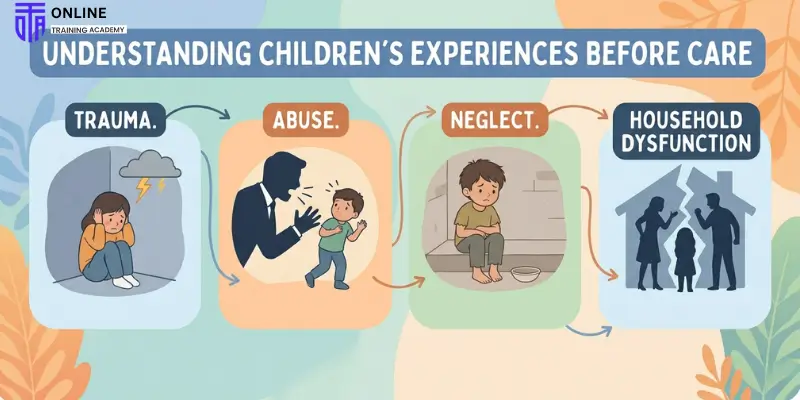
Many children who enter care systems or safeguarding services have experienced trauma, abuse, or neglect before receiving support. Understanding these experiences helps professionals provide better care and support.
Children may have been exposed to:
- Violence or physical harm
- Emotional abuse or neglect
- Sexual exploitation
- Domestic violence in the home
- Extreme poverty or unstable living environments
These experiences can significantly affect a child’s emotional wellbeing, behaviour, and development. Safeguarding professionals must approach such situations with sensitivity, patience, and trauma-informed care.
The Main Types of Child Abuse
Child abuse is typically categorised into four main types, as recognised in UK safeguarding frameworks.
Physical Abuse
Physical abuse occurs when a child is deliberately harmed or injured. This may include:
- Hitting, kicking, shaking, or burning
- Throwing objects at a child
- Poisoning or deliberately causing illness
- Fabricating or inducing illness in a child
Physical abuse often results in visible injuries such as bruises, burns, or fractures. However, not all signs are obvious, which is why adults must remain attentive to changes in behaviour or unexplained injuries.
Female Genital Mutilation (FGM) is also recognised as a form of physical abuse and is illegal in the UK. It can lead to severe health complications and long-term physical and emotional trauma.
Emotional Abuse
Emotional abuse involves ongoing behaviours that damage a child’s emotional wellbeing and development.
Examples may include:
- Humiliating or constantly criticising a child
- Isolating them from friends or family
- Ignoring their emotional needs
- Threatening or frightening them
- Exposing them to domestic abuse
Emotional abuse can be difficult to identify because it may not leave physical marks. However, it can have serious long-term effects on a child’s mental health and confidence.
Sexual Abuse
Sexual abuse occurs when a child is forced or persuaded to participate in sexual activities. This may involve physical contact or non-contact exploitation.
Contact abuse can include:
- Sexual touching
- Rape or penetration
- Forcing a child to engage in sexual acts
- Threatening or frightening them
- Exposing them to domestic abuse
Non-contact abuse may involve:
- Grooming a child online
- Encouraging children to watch sexual content
- Creating or sharing abusive images
- Exploiting children for financial gain or status
Children may not always recognise sexual abuse or may feel afraid to report it. Creating safe environments where children feel comfortable speaking out is essential.
Neglect
Neglect occurs when a child’s basic needs are not met. This can include:
Physical neglect
- Lack of food, clothing, or safe shelter
- Failure to supervise or protect the child
Educational neglect
- Failing to ensure a child attends school
Emotional neglect
- Ignoring a child’s emotional needs or isolating them
Medical neglect
- Not seeking medical treatment or ignoring healthcare advice
Neglect is one of the most common forms of abuse but can often go unnoticed if adults are not vigilant.
Additional Safeguarding Risks Children May Face
Beyond the four main types of abuse, children may experience other forms of harm that safeguarding professionals must be aware of.
Domestic Abuse in Young People’s Relationships
Teenagers may experience unhealthy or abusive relationships but fail to recognise the warning signs.
Examples include:
- Controlling behaviour
- Isolation from friends and family
- Pressure to dress or behave in certain ways
- Physical violence
Young people may confuse controlling behaviour with affection, making education about healthy relationships vital.
Child Sexual Exploitation and Criminal Exploitation
Some children are groomed or manipulated into exploitative situations where they are used for money, status, or criminal activities.
This may involve:
- Being forced to steal or commit crimes
- Being sexually exploited
- Being pressured into gang involvement
Safeguarding measures must focus on early identification and intervention.
Trafficking
Child trafficking can involve children being moved within the UK or across borders for exploitation.
Warning signs may include:
- Going missing frequently
- Unexplained travel to unfamiliar places
- Sudden changes in behaviour
- Substance misuse
- Poor hygiene or sudden weight loss
Recognising these signs early can help prevent ongoing exploitation.
Online and Cyber Abuse
Digital spaces have created new risks for children. Online abuse may include:
- Cyberbullying
- Grooming by adults or peers
- Exposure to inappropriate content
- Exploitation through images or videos
Children experiencing online abuse may show warning signs such as:
- Withdrawal from friends
- Avoiding school
- Secrecy around online activity
- Sudden changes in behaviour
Teaching digital safety and responsible internet use is an essential part of modern safeguarding.
Radicalisation
Some vulnerable children may be targeted by extremist groups seeking to recruit them.
Signs of radicalisation may include:
- Spending excessive time online with secretive behaviour
- Expressing extreme or discriminatory views
- Sudden behavioural or appearance changes
Early reporting and intervention are crucial in preventing radicalisation.
Financial Exploitation
Children may also experience financial abuse, particularly if they are being manipulated or forced to obtain money for others.
Examples include:
- Having pocket money or wages taken from them
- Being forced to steal or beg
- Being used to claim benefits fraudulently
Signs may include lack of basic items such as clothing or hygiene products despite receiving allowances.
Early Intervention and Prevention
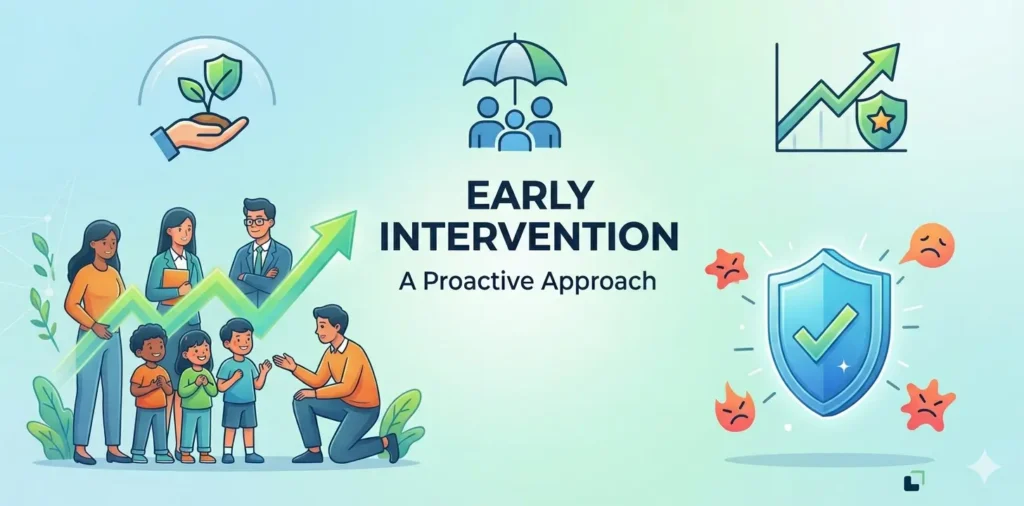
One of the most effective safeguarding strategies is early intervention. Addressing concerns at the earliest stage prevents problems from escalating into serious harm.
Early intervention includes:
- Listening to children and taking their concerns seriously
- Monitoring behavioural or emotional changes
- Providing support through counselling or mentoring
- Working collaboratively with social services and other professionals
Preventative safeguarding ensures children receive help before situations become critical.
FAQs
Safeguarding children refers to the actions taken to protect children from abuse, neglect, exploitation, and harm. It includes promoting children’s welfare, ensuring they grow up in safe environments, and taking appropriate steps if a child is at risk.
Child abuse is generally classified into four main types:
- Physical abuse – intentionally causing harm or injury to a child.
- Emotional abuse – ongoing behaviour that harms a child’s emotional wellbeing.
- Sexual abuse – forcing or persuading a child to take part in sexual activities.
- Neglect – failing to meet a child’s basic needs such as food, shelter, education, or healthcare.
Some common safeguarding warning signs include:
- Unexplained injuries or frequent accidents
- Sudden behavioural changes or withdrawal
- Fear of certain individuals or environments
- Poor hygiene or signs of neglect
- Sudden secrecy about online activities
- Missing school or frequently running away
Not all signs mean abuse is occurring, but they should always be taken seriously and reported.
If a child tells you they are being abused:
- Stay calm and listen carefully.
- Reassure the child that they did the right thing by telling you.
- Do not promise confidentiality.
- Record what the child said as accurately as possible.
- Report the concern to the designated safeguarding lead or relevant authority immediately.
Early intervention helps identify risks before they escalate into serious harm. By responding quickly to concerns, professionals and caregivers can provide support, involve safeguarding services, and prevent further abuse or neglect.
Communities play a crucial role by:
- Promoting safeguarding awareness
- Reporting concerns about vulnerable children
- Supporting families and caregivers
- Creating safe spaces in schools, clubs, and youth organisations
When communities work together, they create a strong protective network for children.
Conclusion
Safeguarding children requires continuous awareness, collaboration, and commitment from everyone involved in their lives. Understanding the different forms of abuse, recognising warning signs, and responding quickly can prevent harm and protect vulnerable young people.
By educating ourselves, implementing clear safeguarding procedures, and creating supportive environments, we strengthen the safety network around children. When safeguarding is prioritised, children are not only protected from harm but also given the opportunity to grow, learn, and thrive in secure and nurturing environments.
Learn More



Get a FREE Course
- Learn useful skills online free
- Get CPD accredited certificate
- Add it to your CV today!