


A customer orders a product online. The checkout is smooth, the payment goes through, and the confirmation email arrives instantly. Everything works as expected. Two days later, the delivery is delayed with no update. The customer sends a message and receives no reply. By the time the product arrives, the experience is already damaged.
Nothing was wrong with the product. The failure happened in the experience around it. Customer service is often misunderstood as a support function that only appears when something goes wrong. In reality, it is a continuous layer that shapes how customers feel at every stage of their journey. It influences trust, loyalty, and long-term business growth more than most companies realise.
This article breaks down customer service in depth, from its core definition to advanced strategies, practical skills, real-world examples, and future trends shaping how businesses interact with customers.
What Is Customer Service and Why Does It Matter?
Customer service is the system of interactions, processes, and behaviours a business uses to support customers throughout their journey. It includes everything from answering pre-sale questions to resolving post-sale issues and maintaining long-term relationships.
It is not limited to problem-solving. It is the experience customers have when they seek help, clarity, or reassurance.
Customer Service as a Business Function vs Experience Layer
Customer service operates on two levels. At a functional level, it includes support teams, communication channels, and service policies. At a deeper level, it acts as an experience layer that influences how customers perceive the brand.
A business may have efficient systems, but if interactions feel cold or unclear, the experience still suffers. Effective customer service aligns operational efficiency with human connection.
Why Customer Service Matters in Modern Markets
Customers no longer compare businesses only within one category. They compare experiences across industries. A fast response from a delivery app shapes expectations for banks, retailers, and service providers.
This shift has raised the standard. Customers expect speed, clarity, and consistency as baseline requirements.
Strong customer service matters because it:
- Builds immediate trust
- Reduces friction in decision-making
- Encourages repeat behaviour
- Influences public perception through reviews
The Economic Impact of Customer Service
Customer service has direct financial implications. Poor service increases churn, while strong service increases retention. Retaining customers is often more cost-effective than acquiring new ones.
Businesses with effective service strategies benefit from:
- Higher lifetime value per customer
- Lower acquisition costs over time
- Increased referral-driven growth
Customer service is no longer a support cost. It is a revenue enabler.
What Is Customer Service? Definition, Skills, Examples and Why It Matters in 2026
"Customer service involves supporting customers before, during, and after a purchase or interaction. In 2026, strong communication, problem-solving, and empathy are essential for meeting customer expectations. Effective customer service helps build trust, improve customer satisfaction, and create positive experiences across both digital and in-person interactions.
"
Table of Contents
How Customer Service Works Across the Customer Journey
Customer service is not a single interaction. It operates across multiple stages, each contributing to the overall experience.
Pre-Purchase Stage: Guiding Decisions
Before a customer makes a purchase, they often need information. This includes product details, pricing clarity, and comparisons.
Effective service at this stage:
- Reduces hesitation
- Builds confidence
- Shortens decision time
Purchase Stage: Removing Friction
During the transaction, customer service ensures that the process is smooth. This includes clear instructions, transparent pricing, and quick issue resolution. Even small obstacles at this stage can lead to abandoned purchases.
Post-Purchase Stage: Reinforcing Trust
After the purchase, customer service becomes critical in maintaining satisfaction. This includes delivery updates, troubleshooting, returns, and follow-ups. A well-handled issue at this stage can strengthen trust more than a perfect transaction.
Long-Term Engagement: Building Relationships
Customer service does not end after a single interaction. Long-term engagement includes personalised communication, loyalty programmes, and proactive support. This stage transforms customers into repeat buyers and advocates.
Customer Service vs Customer Support vs Customer Experience
Many businesses use these terms interchangeably, but they represent different layers of interaction.
Customer Service
Customer service covers all interactions between a business and its customers. It includes both proactive and reactive communication.
Customer Support
Customer support focuses specifically on resolving issues and answering questions. It is a subset of customer service.
Customer Experience (CX)
Customer experience refers to the overall perception a customer forms based on all interactions with a business. It includes product quality, branding, and service combined. Understanding these distinctions helps businesses design more effective strategies.
What Are the Most Important Customer Service Skills?
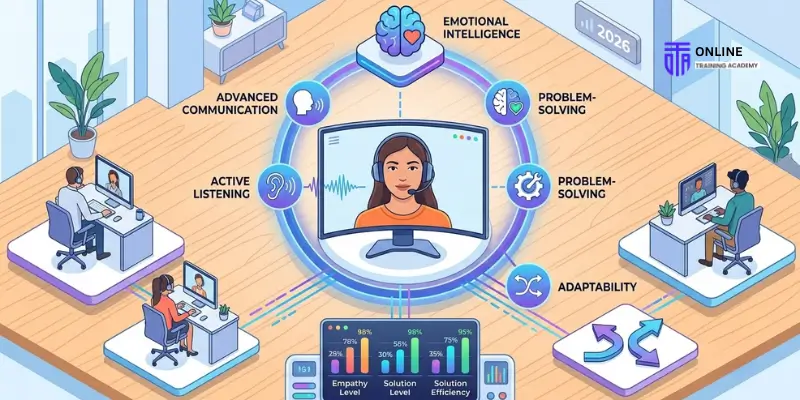
Customer service quality depends heavily on human capability. Skills determine how effectively interactions are handled.
Advanced Communication Skills
Communication is not limited to speaking clearly. It includes structuring information, adapting tone, and ensuring understanding.
Effective communication:
- Reduces confusion
- Builds confidence
- Prevents repeated interactions
Active Listening and Interpretation
Listening involves more than hearing words. It requires understanding intent, identifying underlying issues, and responding accurately. Many service failures occur because the real problem is not fully understood.
Emotional Intelligence and Empathy
Customers often approach service with frustration or urgency. Emotional intelligence allows service agents to recognise these states and respond appropriately. Empathy builds connection and reduces tension.
Analytical Problem-Solving
Complex issues require structured thinking. Service agents must assess situations, evaluate options, and deliver solutions efficiently.
Adaptability and Decision-Making
Every interaction is different. Rigid responses can lead to poor outcomes. Adaptability allows service agents to adjust their approach based on context.
The 7 Core Qualities of Excellent Customer Service
High-quality service consistently reflects certain characteristics.
1. Responsiveness and Speed
Timely responses signal respect for the customer’s time and urgency.
2. Consistency Across Touchpoints
Customers expect the same level of service whether they interact online, in-store, or over the phone.
3. Clarity and Transparency
Clear explanations reduce uncertainty and build trust.
4. Personalisation and Relevance
Tailored interactions make customers feel understood rather than processed.
5. Accountability and Ownership
Taking responsibility for issues strengthens credibility.
6. Professionalism and Composure
Maintaining a calm and respectful tone ensures productive interactions.
7. Proactive Support and Anticipation
Identifying potential issues before they occur improves efficiency and satisfaction.
Types of Customer Service Channels and Their Role
Customer service no longer happens in one place. Customers move between channels based on convenience, urgency, and the type of problem they are facing. A question that feels simple on live chat may require a phone call when it becomes complex. A quick in-store query may later turn into an email follow-up.
An effective customer service strategy does not rely on a single channel. It connects multiple channels into a system where customers can choose how they interact without losing continuity. The goal is not to be present everywhere, but to be effective where it matters.
In-Person Service
In-person service remains one of the most powerful forms of customer interaction because it combines communication with physical presence. Customers can see body language, tone, and responsiveness in real time, which creates a stronger emotional connection.
This channel is common in retail, hospitality, healthcare, and service-based environments where direct interaction is part of the experience. A customer walking into a hotel, for example, forms an impression within seconds based on how they are greeted.
The strength of in-person service lies in immediacy and personalisation. Problems can often be resolved on the spot, and conversations can adapt naturally based on the customer’s reactions. However, it also requires well-trained staff because mistakes are harder to recover from in real-time interactions.
Phone Support
Phone support allows businesses to handle complex or urgent issues where back-and-forth communication is necessary. Unlike written channels, phone conversations provide immediate clarification, which reduces misunderstandings.
Customers often choose phone support when:
- The issue is time-sensitive
- The situation is complicated
- They need reassurance or confirmation
Tone of voice plays a critical role here. A calm, clear, and confident tone can reduce frustration even before a solution is provided. On the other hand, poor communication can escalate issues quickly.
Phone support is especially valuable in industries such as banking, insurance, and technical services, where detailed explanations are often required.

Email Support
Email support offers a structured and traceable form of communication. It is well-suited for situations that require documentation, detailed explanations, or attachments.
Customers tend to use email when:
- The issue is not urgent
- They need a written record
- The query involves multiple details
For businesses, email provides the advantage of time to craft accurate responses. It also creates a record that can be reviewed later, which is useful for both customers and organisations.
The challenge with email support is maintaining clarity and response speed. Long delays or unclear replies can weaken trust. Effective email communication should be concise, well-structured, and easy to follow.
Live Chat
Live chat has become one of the most widely used customer service channels, especially in digital environments. It combines the speed of phone support with the convenience of written communication.
Customers prefer live chat because:
- It provides quick responses
- It does not interrupt their current activity
- It allows multitasking
For example, a customer browsing an online store can ask a question without leaving the page. This reduces friction and increases the likelihood of completing a purchase.
Live chat also allows service agents to handle multiple conversations at once, improving efficiency. However, it requires strong communication skills, as messages must be clear and concise without the benefit of tone or body language.
Self-Service Systems
Self-service systems allow customers to find answers on their own without contacting support. These include FAQs, knowledge bases, help centres, and automated chatbots.
This channel is particularly effective for:
- Common questions
- Simple troubleshooting
- Basic account or product information
Customers often prefer self-service because it is fast and available at any time. It removes the need to wait for a response and gives users control over the process.
For businesses, self-service reduces the workload on support teams and improves efficiency. However, it must be well-designed. Poorly organised or outdated information can frustrate customers and lead them back to other channels.
How These Channels Work Together
The real value of customer service channels comes from how they are integrated. Customers rarely stay within one channel. They may start with a chatbot, move to live chat, and then escalate to phone support if needed.
An effective system ensures that:
- Information is consistent across channels
- Customers do not have to repeat themselves
- Transitions between channels are smooth
This approach is often referred to as an omnichannel strategy. It focuses on creating a unified experience rather than treating each channel as a separate function.
Choosing the Right Channel Strategy
Not every business needs every channel. The right mix depends on customer behaviour, industry, and resources.
A simple service model may rely on email and self-service tools. A more complex operation may require full integration across in-person, phone, chat, and automation.
The key is alignment. Channels should match customer expectations and support the overall experience rather than complicate it.
Customer Service Automation and Technology
Technology is transforming how customer service is delivered.
Role of Automation in Customer Service
Automation handles repetitive tasks such as answering common questions, routing requests, and providing instant responses.
Benefits of Automation
- Faster response times
- Reduced workload for human agents
- Consistent service delivery
Limitations of Automation
Automation lacks emotional understanding. Complex or sensitive issues still require human interaction.
The most effective systems combine automation with human support.
Real-World Examples of Good and Poor Customer Service
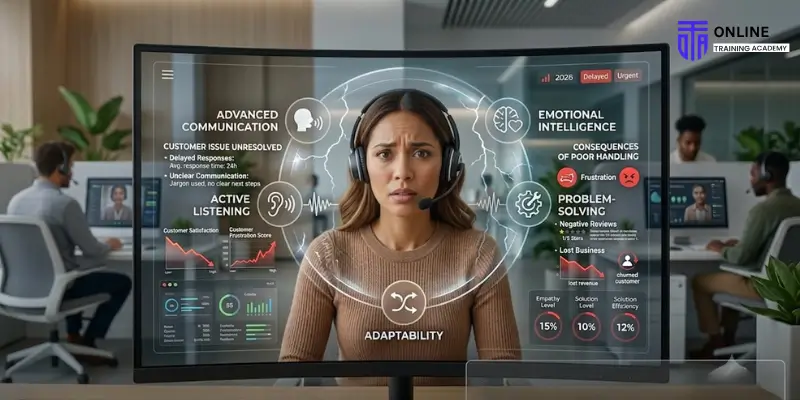
Examples highlight the practical impact of service quality.
Example of Strong Customer Service
A customer receives a damaged product. The company responds quickly, apologises, replaces the item, and follows up to ensure satisfaction.
The result is increased trust and loyalty.
Example of Poor Customer Service
A customer reports an issue but receives delayed responses and unclear communication. The problem remains unresolved.
The result is frustration, negative reviews, and lost business.
Key Insight from These Examples
The outcome of a situation matters less than how it is handled. Effective communication and resolution can turn negative situations into positive experiences.
Common Customer Service Mistakes to Avoid
Many service failures are preventable.
Slow Response Times
Delays increase frustration and reduce trust.
Lack of Clarity
Unclear communication leads to confusion and repeated interactions.
Over-Reliance on Scripts
Rigid responses can feel impersonal and ineffective.
Failure to Take Ownership
Passing responsibility between departments damages credibility.
Ignoring Customer Feedback
Feedback provides valuable insights for improvement.
Strategies for Improving Customer Service
Improvement requires a structured approach.
Investing in Training and Skill Development
Well-trained staff deliver more consistent and effective service.
Using Data to Understand Customer Needs
Customer data helps identify patterns, preferences, and pain points.
Designing Seamless Processes
Reducing friction in processes improves efficiency and satisfaction.
Building a Customer-Centric Culture
A culture focused on customer value influences every interaction.
The Future of Customer Service
Customer service continues to evolve with technology and changing expectations.
Increased Use of AI and Automation
AI-driven tools will handle more routine interactions.
Greater Focus on Personalisation
Data-driven insights will enable more tailored experiences.
Integration Across Channels
Customers expect seamless transitions between different communication channels.
Shift Toward Proactive Service
Businesses will focus more on anticipating needs rather than reacting to problems.
Conclusion
Customer service is not defined by a single interaction. It is built through consistent, meaningful experiences across the entire customer journey.
Businesses often focus on improving products or reducing costs. Those efforts matter, but they are rarely what customers remember most.
What customers remember is how they were treated when they needed help, when something went wrong, or when they were unsure.
That moment determines whether they return or move on.
FAQs
To support customers, solve problems, and create a positive experience that encourages long-term relationships.
Communication, empathy, problem-solving, adaptability, and a customer-first mindset.
It influences retention, customer satisfaction, and brand reputation, all of which affect revenue.
Customer service is part of the overall customer experience, which includes all interactions and perceptions.
A combination of in-person, phone, email, live chat, and self-service tools works best.
No. Automation handles routine tasks, but human interaction is essential for complex and emotional situations.
Slow responses, unclear communication, lack of empathy, and failure to take ownership.
Learn More





Get a FREE Course
- Learn useful skills online free
- Get CPD accredited certificate
- Add it to your CV today!