
What if a simple action you take—or fail to take—today could prevent a lifetime of harm for a vulnerable child or adult? Every professional working with children or vulnerable adults has the power to make decisions that can protect, support, and save lives. But recognising risk, understanding how to respond, and following the right procedures requires more than instinct—it requires knowledge, confidence, and training.
Level 3 Safeguarding Children & Vulnerable Adult training equips staff with these critical skills. From identifying subtle signs of abuse to knowing the correct reporting procedures, this training ensures that professionals can act ethically, legally, and effectively in safeguarding those in their care.
In this article, we’ll explore what Level 3 safeguarding training involves, why it matters, who needs it, and how it prepares professionals to respond to safeguarding challenges with confidence.
What Can Safeguarding Training Do for You?
Level 3 safeguarding training is essential for anyone working directly with children or vulnerable adults. It goes beyond awareness to provide staff with practical tools for protecting individuals and maintaining safe environments.
Key Benefits:
- Recognise Signs of Abuse: Learn to spot both obvious and subtle indicators of abuse, neglect, or exploitation.
- Identify Vulnerable Individuals: Understand exactly who is at risk and why.
- Build Employer Trust: Demonstrate competence and reliability in handling safeguarding situations.
- Communicate Effectively: Learn to engage safely and respectfully with vulnerable people.
- Follow Proper Protocols: Know how and when to report concerns to authorities, complying with legal and organisational standards.
- Confidence in Decision-Making: Handle complex or sensitive situations calmly and professionally.
By completing Level 3 safeguarding training, staff can proactively protect individuals, support their well-being, and prevent harm before it escalates.
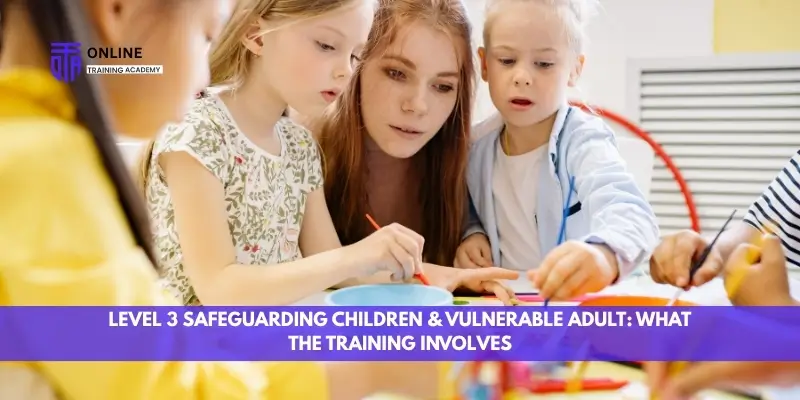
Level 3 Safeguarding Children & Vulnerable Adult: What the Training Involves
“The ‘Level 3 Safeguarding Children & Vulnerable Adults’ guide helps readers understand essential safeguarding practices, training requirements, key responsibilities, step-by-step procedures, and best practices to protect children and vulnerable adults effectively.”
What Is Safeguarding?
Safeguarding is the process of protecting children and adults from harm, abuse, and neglect, ensuring their safety and well-being in schools, workplaces, and care settings. Every staff member has a responsibility to safeguard others and provide appropriate care and support.
Effective safeguarding focuses on:
- Physical safety
- Emotional well-being
- Social protection
- Dignity and respect
It ensures that vulnerable individuals are not left exposed to harm and that staff can act quickly and appropriately when concerns arise.
Reducing Common Types of Abuse
Certain individuals are naturally more vulnerable due to age, health conditions, or cognitive challenges. Recognising these vulnerabilities is crucial for safeguarding, as it allows staff to intervene early and prevent harm.
- Sick individuals: People with chronic illness, physical disabilities, or severe medical conditions may rely on others for daily care. This dependence increases the risk of neglect, missed medical treatment, or exploitation. Level 3 safeguarding training teaches staff to monitor signs like untreated injuries, poor hygiene, or unusual fatigue, which could indicate neglect.
- Mentally disabled persons: Individuals with learning disabilities or cognitive impairments may struggle to recognise abusive behaviour or advocate for themselves. They can be manipulated, coerced, or pressured into unsafe situations. Training equips staff to communicate effectively, identify coercion, and provide support while respecting autonomy.
- Children: Young children may not understand social norms or recognise inappropriate behaviour. They are particularly at risk of emotional, physical, or sexual abuse, often exhibiting subtle signs such as sudden withdrawal, changes in behaviour, or unexplained injuries. Level 3 training helps staff detect these early warning signs and respond appropriately.
- Elderly people: Memory loss, dementia, or other cognitive challenges can leave older adults open to financial abuse, neglect, or exploitation. Staff are trained to notice unusual transactions, signs of physical neglect, or behavioural changes that may indicate abuse.
Level 3 safeguarding training also emphasizes risk assessment and proactive intervention, teaching staff to adapt strategies to each vulnerable individual’s needs. By understanding these vulnerabilities in detail, professionals can create safer environments, prevent abuse, and respond confidently when concerns arise.
Primary Safeguarding Issues
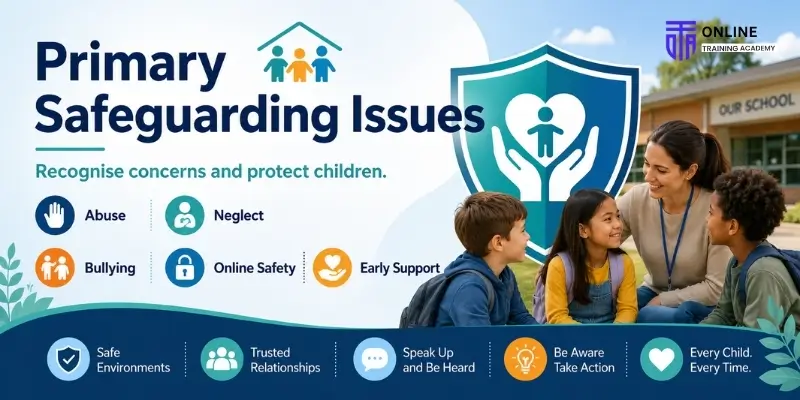
Abuse, neglect, and harm can take many forms, but some risks are particularly prevalent and require close attention from professionals. Level 3 safeguarding training equips staff to recognise, respond to, and report these issues effectively, helping protect both children and vulnerable adults.
- Child Criminal Exploitation: This occurs when children are manipulated or coerced into committing crimes, often by gangs or adults. Signs may include unexplained money or gifts, changes in behaviour, or missing school. Staff learn to spot these red flags and take appropriate safeguarding action.
- Child Sexual Exploitation: Children may be groomed or coerced into sexual activity, sometimes in exchange for money, gifts, or status. Indicators include withdrawal, inappropriate sexual behaviour for age, or secretive interactions online. Level 3 training teaches professionals how to identify grooming behaviours and intervene safely.
- County Lines: This refers to gangs exploiting children or vulnerable adults to transport and sell drugs. Victims may appear anxious, isolated, or have new possessions or injuries. Training helps staff recognise these patterns and report concerns to authorities.
- Domestic Abuse: Abuse within the home can include physical, emotional, sexual, or financial harm. Children and vulnerable adults living in abusive environments may show signs of fear, distress, or neglect. Staff are trained to support victims sensitively while following safeguarding protocols.
- Preventing Radicalisation: Extremist groups may attempt to influence or recruit vulnerable individuals, including children. Level 3 training covers the “Prevent” duty, helping staff identify early signs of radicalisation and take appropriate steps to protect those at risk.
- Upskirting: This involves taking inappropriate photos or videos under a person’s clothing without consent. It’s a form of sexual abuse that can affect both children and adults. Professionals learn how to recognise potential victims and respond appropriately.
- Honour-Based Abuse: Cultural or familial pressures can lead to abuse, such as forced marriage or female genital mutilation (FGM). Staff are trained to understand cultural sensitivities while prioritising the individual’s safety, reporting concerns to safeguarding authorities when necessary.
Level 3 safeguarding training ensures that professionals not only recognise these complex risks but also understand how to take action according to legal requirements and organisational policies, providing protection for those who cannot protect themselves.
The Safeguarding Principles
The UK government has defined six safeguarding principles under the Care Act 2014 to guide staff and organisations:
- Empowerment: Support individuals to make their own decisions and give informed consent.
- Protection: Provide support to those most at risk and implement preventive measures.
- Prevention: Act before harm occurs through awareness, staff training, and accessible information.
- Proportionality: Respond with the least intrusive action necessary, based on assessed risk.
- Partnership: Work with local communities and organisations to detect and prevent abuse.
- Accountability: Everyone who interacts with vulnerable individuals has a responsibility to note risks and act appropriately.
Safeguarding Vulnerable Adults
Vulnerable adults are people who cannot protect themselves from harm or exploitation, regardless of their mental capacity. This includes older adults, people with disabilities, or anyone unable to care for themselves.
Key actions to safeguard adults:
- Ensure they live safely away from abuse or neglect.
- Encourage them to make their own choices and provide informed consent.
- Take measures to prevent risk and respond to incidents quickly.
- Promote overall well-being, respecting thoughts, feelings, wishes, and beliefs.
Pro Tip: Completing a Level 3 course helps staff understand the Mental Capacity Act and know when to intervene appropriately.
Safeguarding Children
Safeguarding children focuses on:
- Protecting them from abuse and exploitation
- Ensuring they grow up with proper care
- Preventing obstacles to their health and development
- Taking action when harm is suspected or evident
Level 3 training gives staff the skills to recognise early warning signs, respond safely, and report concerns through the correct channels.
Who Needs Level 3 Safeguarding Training?
Anyone with frequent or high-responsibility contact with children or vulnerable adults should complete Level 3 training. This includes:
- Managers and supervisors
- Designated Safeguarding Leads (DSLs)
- Staff in care homes and residential settings
- Social housing staff
- Charity workers and volunteers
- Staff in religious or community organisations
- Adult education staff
- Sports club coaches and leisure centre staff
- Health and social care professionals
Even professionals not legally required to complete Level 3 training can benefit from the enhanced knowledge and confidence it provides.
Jobs That Require Level 3 Safeguarding Training
Level 3 training is ideal for those in positions of responsibility where safeguarding decisions directly impact children and vulnerable adults:
- Care homes and residential settings: Supervisors and senior carers
- Social housing and community projects: Managers responsible for at-risk residents
- Charities and social organisations: Staff working with children or adults in care programs
- Adult education and sports coaching: Teachers, trainers, and coaches supervising vulnerable groups
- Health and social care environments: Nurses, social workers, and healthcare assistants
Completing Level 3 training ensures professionals meet statutory requirements and have the competence to act confidently.
How Level 3 Training Works

Level 3 courses typically cover:
- Recognising all forms of abuse
- Understanding vulnerability and risk factors
- Safeguarding principles and legislation
- Responding to disclosures and reporting concerns
- Role-specific case studies for practical application
Courses are available online, face-to-face, or in blended formats, often taking 6–12 hours depending on delivery.
Pro Tip: Our accredited Level 3 Safeguarding Children & Vulnerable Adults course provides practical scenarios, real-life case studies, and certification recognised across the UK. Enrol today and gain the confidence to protect those who depend on you.
Conclusion
Level 3 Safeguarding Children & Vulnerable Adult training is more than a legal requirement—it’s a professional investment in the safety, dignity, and well-being of those in your care. By understanding abuse, learning how to respond, and following established safeguarding principles, staff can prevent harm, build trust, and act confidently in complex situations.
Every professional working with children or vulnerable adults has the power to make decisions that save lives and protect futures. Completing a Level 3 safeguarding course is the step that ensures your decisions are informed, ethical, and effective.
Take action today: Enrol in our Level 3 Safeguarding Children & Vulnerable Adults course and equip yourself with the knowledge, skills, and certification to make a real difference.
FAQs
An advanced course teaching professionals to recognise, prevent, and respond to abuse or neglect in children and vulnerable adults.
Staff in positions of responsibility, such as managers, DSLs, nurses, teachers, carers, and community workers.
Typically 6–12 hours, depending on online or face-to-face delivery. Refresher courses are recommended every 2–3 years.
Yes for many roles in healthcare, education, and social care. Even when not legally required, it’s best practice.
All major abuse types, safeguarding principles, legal requirements, risk assessment, and correct reporting procedures.
Yes. Many accredited providers offer flexible online courses alongside face-to-face or blended learning.
Accredited providers offer UK-recognised courses online and in-person. Our Level 3 Safeguarding course provides practical skills, case studies, and certification accepted across the UK.
Learn More


Get a FREE Course
- Learn useful skills online free
- Get CPD accredited certificate
- Add it to your CV today!