
Every year, cases of abuse and neglect make national headlines—children exploited in schools, vulnerable adults mistreated in care homes, or elderly individuals neglected at home. While these stories are shocking, they highlight a crucial reality: prevention begins with knowledge and preparedness.
Level 3 Safeguarding Children & Vulnerable Adults training is designed for professionals who work directly with at-risk groups and need advanced skills to identify, prevent, and respond to abuse. It goes beyond basic awareness, giving staff the confidence to make informed decisions, follow legal protocols, and take decisive action to protect those who cannot protect themselves.
This complete guide will explain what Level 3 safeguarding training is, who in the UK requires it, how long it lasts, its legal importance, the different types of abuse, and the specific responsibilities of nurses and other professionals. By understanding these aspects, you can ensure that safeguarding in your organisation is proactive, effective, and compliant with UK regulations.
Who Needs Level 3 Safeguarding Training?
Level 3 safeguarding training is an advanced course aimed at professionals with direct responsibility for safeguarding children and vulnerable adults. Unlike Level 1 or Level 2 courses, which provide general awareness, Level 3 training equips staff to:
- Recognise subtle and complex signs of abuse or neglect
- Respond appropriately to disclosures or concerns
- Understand the legal and organisational frameworks surrounding safeguarding
- Make informed decisions about escalating concerns to authorities
- Promote a culture of safety within organisations
Level 3 safeguarding training is mandatory for staff who have frequent or intensive contact with children and vulnerable adults, as these professionals are often the first point of contact when abuse or neglect occurs.
Table of Contents
Who Needs Level 3 Safeguarding Children & Vulnerable Adults Training? Complete UK Guide
The “Who Needs Level 3 Safeguarding Children & Vulnerable Adults Training? Complete UK Guide” article helps readers identify who should undertake safeguarding training, understand legal responsibilities, key practices, and essential tips to protect children and vulnerable adults in workplaces, education, and care settings.
Who Needs Level 3 Safeguarding Training in the UK?
The UK government and regulatory bodies recommend Level 3 safeguarding training for professionals who work directly with at-risk populations. These include:
1. Healthcare Professionals
Healthcare staff regularly work with patients who may be vulnerable due to age, disability, or illness. This group includes:
- Nurses and midwives
- Doctors and medical practitioners
- Paramedics
- Mental health professionals
- Care assistants
Healthcare professionals have a legal duty to raise safeguarding concerns and ensure vulnerable patients receive protection. Level 3 training provides the skills to recognise abuse, follow reporting protocols, and act in accordance with the NHS and local safeguarding guidelines.
2. Education and Childcare Staff
Teachers, teaching assistants, and other education professionals work closely with children and young people. Level 3 training is particularly relevant for:
- School teachers and senior staff
- Nursery and childcare workers
- Youth workers
- Educational safeguarding leads
Staff in educational settings must be able to identify abuse or neglect, intervene appropriately, and liaise with safeguarding authorities when necessary. Level 3 training ensures they understand both preventative and responsive safeguarding measures.
3. Social Care and Support Workers
Professionals in social care and community support often interact with vulnerable adults or children in complex situations. Roles include:
- Social workers
- Residential care staff
- Family support workers
- Community service providers
These professionals need advanced safeguarding knowledge to manage cases involving domestic abuse, mental health issues, or institutional neglect. Level 3 training helps them make safe and informed decisions for those in their care.
4. Safeguarding Leads and Managers
Organisations often appoint designated safeguarding leads (DSLs) or managers responsible for overseeing safeguarding policies. Level 3 training is essential for:
- Designated safeguarding officers in schools or workplaces
- Care home managers
- Charity or NGO safeguarding coordinators
These roles require decision-making authority when concerns arise. Level 3 training ensures they can manage incidents professionally, advise staff, and maintain compliance with UK safeguarding standards.
5. Other Professionals With Direct Contact
Other roles where Level 3 safeguarding training is recommended include:
- Coaches and sports instructors
- Volunteers in youth or community programmes
- Foster carers or adoption support workers
- Faith-based group leaders
Even if the contact is not daily, frequent or intensive interactions with vulnerable individuals necessitate Level 3 training to ensure safe practices are followed.
Understanding your responsibilities is only the first step. To ensure you are fully equipped to protect children and vulnerable adults, completing a Level 3 Safeguarding Children & Vulnerable Adults course is essential. Our comprehensive course offers practical guidance, real-life scenarios, and certification recognised across the UK.
How Long Does Level 3 Safeguarding Training Last?
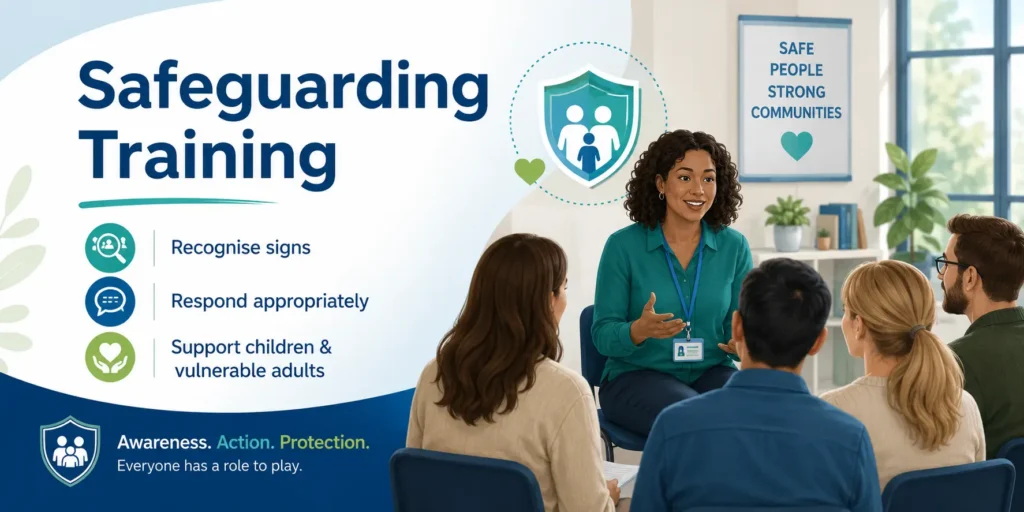
The duration of Level 3 safeguarding courses depends on the mode of delivery and the provider, but typical guidelines include:
- Face-to-face courses: Usually 1–2 full days (6–12 hours)
- Online courses: Can take 6–10 hours, depending on the modules and assessments
- Blended learning: A combination of online modules and in-person workshops
Most courses include interactive sessions, case studies, scenario-based learning, and assessments to ensure participants can apply knowledge in real-world situations.
Many UK organisations also require refresher training every 2–3 years to keep staff updated with current legislation, policies, and safeguarding practices.
Is Safeguarding Training Mandatory?
Yes, in many professional contexts, safeguarding training is mandatory:
- Healthcare staff: Required by the NHS and the Nursing and Midwifery Council (NMC)
- Teachers and school staff: Required under Keeping Children Safe in Education (KCSiE) guidance
- Social care workers: Required under Care Quality Commission (CQC) standards
- Volunteers and coaches working with children or vulnerable adults: Strongly recommended by local safeguarding boards and governing bodies
Even when not legally mandated, completing Level 3 safeguarding training is considered best practice. Organisations that fail to provide adequate training may face regulatory penalties, reputational damage, and legal liability if abuse occurs under their watch.
Safeguarding Responsibilities Every Nurse Must Know
Nurses have a professional and ethical duty to safeguard vulnerable patients. The Nursing and Midwifery Council (NMC) directs that nurses must:
- Promote and protect the rights of patients unable to protect themselves
- Raise safeguarding concerns without assuming someone else will act
- Report suspected abuse discreetly, following local policies, procedures, and legislation
Nurses frequently witness early warning signs of abuse, neglect, or exploitation, and Level 3 training ensures they can identify risks, take appropriate action, and document concerns accurately.
Different Types of Abuse and Neglect
Understanding the various forms of abuse and neglect is essential for effective safeguarding. Level 3 safeguarding training equips staff to recognise, respond to, and report these issues confidently, ensuring children and vulnerable adults are protected.
1. Physical Abuse
Physical abuse involves causing bodily harm or injury through actions such as hitting, shaking, burning, or using excessive restraint. It may leave visible marks, but sometimes injuries are hidden, making awareness and vigilance essential.
2. Emotional Abuse
Emotional abuse inflicts psychological harm through verbal abuse, threats, humiliation, intimidation, or social isolation. It can undermine a person’s self-esteem, mental health, and overall wellbeing, often leaving long-term effects.
3. Sexual Abuse
Sexual abuse occurs when someone is involved in sexual activity without their consent, including exploitation, grooming, harassment, or assault. Level 3 training helps staff recognise both direct and subtle signs, particularly in children or adults who may struggle to disclose abuse.
4. Neglect
Neglect happens when necessary care, supervision, or protection is not provided, leading to harm or the risk of harm. This can include failing to provide food, medical attention, hygiene, or emotional support.
5. Financial Abuse
Financial abuse involves the unauthorised use or exploitation of a person’s money, assets, or property. Vulnerable adults, especially the elderly, are often targeted. Staff must be alert to unusual transactions or exploitation by carers or family members.
6. Institutional Abuse
Institutional abuse occurs in care facilities or organisational settings, often due to poor policies, understaffing, or inadequate supervision. It can include neglect, over-restriction, or systemic mistreatment of children or vulnerable adults.
7. Self-Neglect
Self-neglect arises when an individual fails to care for their basic needs, such as hygiene, nutrition, or medical care. This may lead to serious health risks, especially in adults with mental health challenges or disabilities.
8. Discriminatory Abuse
Discriminatory abuse includes harassment or unfair treatment based on characteristics such as race, gender, disability, religion, sexual orientation, or age. It can occur in any setting and often overlaps with other forms of abuse.
Level 3 safeguarding training ensures staff can recognise both obvious and subtle signs of abuse, understand the underlying risk factors, and follow the correct reporting and safeguarding procedures to protect those in their care.
Why Level 3 Safeguarding Training Matters
Level 3 safeguarding training goes beyond ticking boxes for compliance—it equips staff with the knowledge, skills, and confidence to act ethically and effectively in protecting children and vulnerable adults. The key benefits include:

- Early identification of abuse: Staff learn to recognise both obvious and subtle signs of abuse, neglect, or exploitation, allowing intervention before issues escalate.
- Improved professional practice: Clear guidelines and scenario-based learning help staff follow procedures correctly, make informed decisions, and maintain high standards of care in everyday work.
- Legal compliance: Completing Level 3 training ensures staff and organisations meet UK statutory requirements, reducing the risk of legal repercussions and safeguarding failures.
- Protection for vulnerable individuals: Training empowers staff to actively safeguard those who cannot protect themselves, whether it’s a child in school, an elderly resident in care, or a patient with limited capacity.
- Organisational credibility: Demonstrating a commitment to safeguarding shows that your organisation values safety, ethics, and human rights, fostering trust with service users, families, and regulators.
- Confidence in handling complex situations: Level 3 training teaches staff how to respond calmly and appropriately to disclosures or incidents, reducing hesitation or mistakes in critical moments.
By completing Level 3 safeguarding training, staff can proactively protect individuals, support their overall well-being, and help create safe environments where everyone—children, vulnerable adults, and staff alike—can thrive.
Conclusion
Level 3 Safeguarding Children & Vulnerable Adults training is essential for professionals across healthcare, education, social care, and community services in the UK.
Whether you are a nurse identifying early warning signs, a teacher safeguarding students, or a social worker protecting vulnerable adults, Level 3 training equips you with the knowledge, skills, and confidence to act decisively.
By understanding who needs training, how long it lasts, the legal framework, and the types of abuse to watch for, professionals can create safer environments and ensure that vulnerable individuals are protected, respected, and supported.
In the world of safeguarding, prevention and preparedness save lives. Level 3 training ensures that those on the frontline are not only aware of the risks but are also capable of taking effective action when it matters most.
FAQs
Level 3 safeguarding training is an advanced course designed for professionals who work directly with children or vulnerable adults. It teaches staff how to recognise signs of abuse, respond appropriately, and follow legal and organisational safeguarding procedures.
Level 3 training is recommended for anyone with frequent or intensive contact with at-risk individuals, including: nurses, teachers, social workers, care home staff, youth workers, designated safeguarding leads, and certain volunteers.
The duration depends on the delivery method:
- Face-to-face courses: 1–2 full days (6–12 hours)
- Online courses: 6–10 hours
- Blended learning: Combination of online modules and in-person workshops
Refresher training is usually required every 2–3 years to stay up to date.
Yes, for many professionals it is legally required:
- Healthcare staff (NHS and NMC guidance)
- Teachers and school staff (Keeping Children Safe in Education guidelines)
Social care workers (CQC standards)
Even when not legally mandated, completing Level 3 training is considered best practice.
The training covers all major forms of abuse, including:
- Physical, emotional, and sexual abuse
- Neglect and self-neglect
- Financial, institutional, and discriminatory abuse
It teaches staff to recognise subtle signs, understand risk factors, and respond correctly.
Level 3 training helps staff:
- Identify abuse early
- Follow clear safeguarding procedures
- Comply with UK law
- Protect vulnerable individuals
- Build organisational credibility and trust
It ensures that professionals are confident, competent, and prepared to handle safeguarding concerns.
Learn More



Get a FREE Course
- Learn useful skills online free
- Get CPD accredited certificate
- Add it to your CV today!