

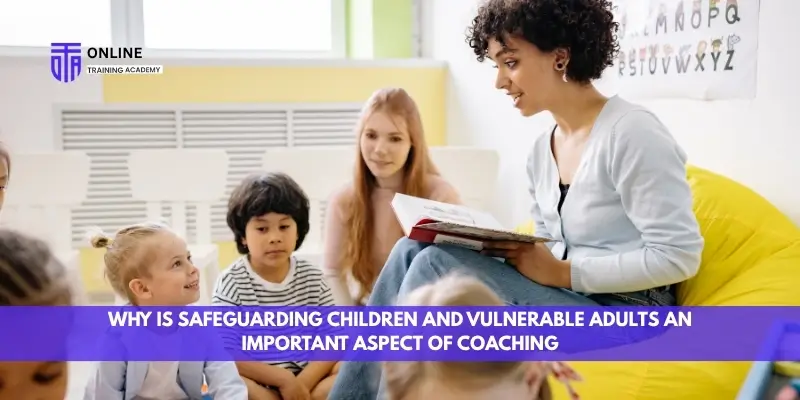
A young athlete attending their first sports coaching session. They are excited, nervous, and trusting the adults around them to guide and support them. Now imagine a vulnerable adult joining a coaching programme to improve their confidence, life skills, or wellbeing. In both situations, the coach holds a position of trust and responsibility.
Coaching environments—whether in sports, education, mentoring, or professional development—often involve close interaction with children and vulnerable individuals. While these environments can offer incredible opportunities for growth, they can also present risks if proper safeguarding practices are not in place.
This is why safeguarding children and vulnerable adults is such an essential aspect of coaching. Safeguarding ensures that every participant can learn, develop, and participate in activities without fear of harm, abuse, or neglect. It creates safe environments where trust, respect, and protection are prioritised.
Coaches are often role models and authority figures, which means they must be able to recognise signs of abuse, respond appropriately to concerns, and maintain professional boundaries at all times. Without proper safeguarding awareness and training, warning signs can easily be missed, potentially leaving vulnerable individuals at risk.
In this article, we’ll explore why safeguarding is so important in coaching, the different types of interactions coaches may have with children and vulnerable adults, the risks associated with poor safeguarding practices, and how safeguarding training helps create safer coaching environments for everyone involved.
What Is Safeguarding in Coaching?
Safeguarding refers to the measures and practices designed to protect children and vulnerable adults from abuse, neglect, exploitation, or harm. In coaching environments, safeguarding ensures that participants are treated with dignity, respect, and care.
Safeguarding goes beyond simply reacting to incidents of abuse. It involves creating systems, policies, and behaviours that prevent harm before it occurs.
For coaches, safeguarding responsibilities include:
- Creating safe and inclusive environments
- Maintaining appropriate professional boundaries
- Recognising warning signs of abuse or neglect
- Reporting concerns through the correct channels
- Ensuring participants’ rights and wellbeing are respected
Because coaches often work closely with participants during training sessions, events, and personal development programmes, they are in a unique position to observe behavioural changes or warning signs that others might miss.
Safeguarding ensures that these concerns are addressed quickly and appropriately.
Table of Contents
Why Is Safeguarding Children and Vulnerable Adults an Important Aspect of Coaching
The “Why Is Safeguarding Children and Vulnerable Adults an Important Aspect of Coaching” article guides readers through the fundamentals of safeguarding, key responsibilities, risk awareness, best practices, and essential tips to create a safe, supportive, and compliant coaching environment.
Types of Coaching Activities That Require Safeguarding
When working with children or vulnerable adults, safeguarding must be considered across all types of coaching interactions. These interactions can be divided into direct and indirect contact activities.
Direct Contact Activities
Direct contact activities involve physical presence and direct interaction between the coach and participants.
Examples include:
- Sports coaching sessions
- Educational workshops
- Mentoring programmes
- Team meetings and training sessions
- Events or conferences
- Field visits or trips
- Celebrations or group activities
- Game and sports activities
Direct contact activities may also include online or phone interactions, such as virtual coaching sessions or mentoring calls.
Because these activities involve direct engagement with participants, coaches must ensure they maintain professional behaviour, appropriate boundaries, and safe environments at all times.
Indirect Contact Activities
Indirect contact activities occur when coaches or organisations interact with children or vulnerable adults without direct physical contact.
These activities may involve:
- Access to personal data or sensitive information
- Access to photographs or videos
- Testimonials or case studies involving children
- Campaigns using children’s images or stories
- Research involving children’s data
- Online surveys involving minors
- Publications about children or vulnerable individuals
Even though there may not be direct interaction, safeguarding remains crucial. Personal information must be handled responsibly, and consent must always be obtained when sharing images, stories, or data.
Why Is It Important to Protect Vulnerable People?
Every individual has the fundamental right to live free from fear, abuse, and neglect, regardless of age, gender, religion, ethnicity, or background.
However, vulnerable individuals—including children, elderly people, and those with disabilities—are often at greater risk of harm because they may be less able to protect themselves or report abuse.
In coaching environments, failing to prioritise safeguarding can have serious consequences.
Without proper safeguarding practices, organisations may face situations where:
- Cases of abuse go unnoticed or unreported
- Vulnerable individuals are exposed to neglect
- People are deprived of their rights or freedoms
- Abuse escalates into serious injury or even death
- Individuals lose dignity and autonomy
- Victims experience emotional distress and behavioural changes
For vulnerable individuals, abuse can lead to long-lasting emotional, psychological, and physical effects. Safeguarding helps prevent these outcomes by ensuring that coaches, organisations, and communities remain vigilant and proactive.
What Can Safeguarding Training Do for Coaches?
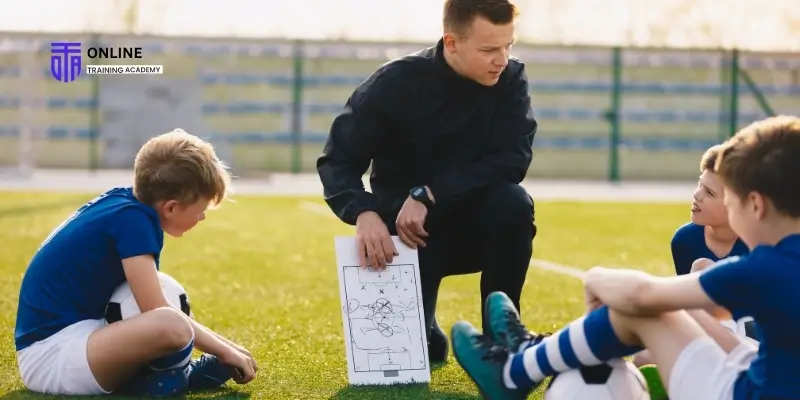
Safeguarding training is essential for anyone working with children or vulnerable adults, including coaches, mentors, and programme leaders.
Proper training equips coaches with the knowledge and confidence needed to manage safeguarding responsibilities effectively.
Recognising Signs of Abuse or Neglect
Safeguarding training helps coaches understand the different types of abuse and how they may appear in real situations.
This may include recognising signs such as:
- Unexplained injuries
- Sudden behavioural changes
- Withdrawal or anxiety
- Fear of certain individuals
- Poor hygiene or neglect
Recognising these warning signs early can prevent harm and allow appropriate action to be taken.
Identifying Who Is at Risk
Training also helps coaches understand which individuals may be considered vulnerable.
Vulnerable individuals may include:
- Children and young people
- Elderly individuals
- People with disabilities
- Individuals with mental health conditions
- People experiencing social or financial difficulties
Understanding vulnerability helps coaches remain aware of potential risks and provide appropriate support.
Learning How to Communicate with Vulnerable Individuals
Effective communication is a key part of safeguarding.
Training teaches coaches how to:
- Listen without judgment
- Respond calmly to disclosures
- Avoid asking leading questions
- Provide reassurance and support
- People experiencing social or financial difficulties
Proper communication helps build trust and ensures that individuals feel safe sharing concerns.
Understanding Reporting Procedures
Perhaps one of the most important aspects of safeguarding training is learning how to report concerns correctly.
Coaches must understand:
- Who to report concerns to
- How to document safeguarding incidents
- When to escalate concerns to authorities
Knowing the correct procedures ensures safeguarding issues are handled professionally and legally.
Why Safeguarding Is Essential in Organisations
Safeguarding is not only an individual responsibility—it is also an organisational commitment.
Institutions such as schools, sports clubs, charities, healthcare organisations, and community groups must have strong safeguarding policies in place.
These policies ensure that all participants are protected and that staff understand their responsibilities.
Organisations that fail to implement safeguarding procedures may face serious consequences, including:
- Increased cases of abuse or neglect
- Damage to organisational reputation
- Legal consequences and regulatory penalties
- Loss of public trust
- Emotional harm to vulnerable individuals
Strong safeguarding frameworks help organisations create safe, respectful, and inclusive environments.
Common Types of Abuse That Safeguarding Aims to Prevent
Safeguarding systems exist to protect individuals from many forms of harm.
Some common safeguarding issues include:
- Child criminal exploitation
- Child sexual exploitation
- Domestic abuse
- Radicalisation
- Honour-based abuse
- Sexual harassment or exploitation
- County lines drug exploitation
These forms of abuse often target vulnerable individuals who may lack the ability or confidence to report what is happening.
Coaches and staff must remain vigilant for warning signs and follow safeguarding procedures when concerns arise.
The Wider Importance of Safeguarding Systems
Across the world, investigations into institutional abuse have shown the devastating consequences of poor safeguarding systems.
In many cases, abuse continued for years because organisations lacked proper oversight, accountability, or reporting procedures.
These cases highlight the importance of:
- Strong safeguarding frameworks
- Staff training and screening
- Clear codes of conduct
- Accessible reporting systems
- Leadership accountability
Safeguarding is not simply about compliance with policies—it is about building cultures of safety, transparency, and respect.
The Key Benefits of Safeguarding
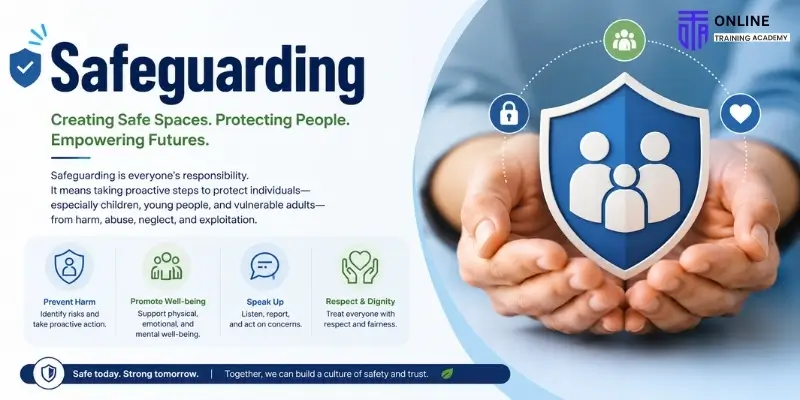
Effective safeguarding practices provide many important benefits for individuals, organisations, and communities. By implementing strong safeguarding measures, organisations create environments where children and vulnerable adults feel safe, respected, and supported. Below are some of the key benefits of safeguarding and why it plays such a vital role in coaching and other professional settings.
Protects Vulnerable Individuals
One of the most important benefits of safeguarding is that it protects children, young people, and vulnerable adults from harm, abuse, and exploitation. These individuals may be at greater risk due to factors such as age, disability, health conditions, or social circumstances. Safeguarding ensures that proper systems are in place to recognise risks early and take action to prevent harm. By prioritising safety and protection, safeguarding helps ensure that vulnerable individuals can participate in activities and services without fear of being mistreated or neglected.
Prevents Abuse and Neglect
Safeguarding is not only about responding to abuse after it occurs—it is also about preventing it from happening in the first place. Proactive safeguarding strategies, such as staff training, risk assessments, and clear reporting procedures, help identify potential dangers before they escalate. When organisations maintain strong safeguarding practices, they create a culture of vigilance where warning signs are recognised quickly and addressed appropriately. This preventative approach significantly reduces the likelihood of abuse or neglect occurring.
Promotes Human Rights
Safeguarding plays a key role in protecting the fundamental human rights of every individual. Everyone has the right to live in a safe environment free from harm, discrimination, and exploitation. By implementing safeguarding policies, organisations demonstrate their commitment to respecting and protecting these rights. Safeguarding ensures that children and vulnerable adults are treated with dignity, fairness, and respect, while also empowering them to have a voice in decisions that affect their lives.
Creates Safe Environments
A strong safeguarding framework helps create environments where individuals feel safe, secure, and valued. In coaching environments, for example, participants should feel confident that their well-being is a priority. When safeguarding practices are properly implemented, participants are more likely to engage fully in activities, develop new skills, and build positive relationships. Safe environments also encourage openness, allowing individuals to speak up if they experience discomfort or concerns.
Builds Trust and Transparency
Clear safeguarding policies and procedures help build trust between organisations, staff, participants, and the wider community. When individuals know that an organisation takes safeguarding seriously, they are more likely to feel confident in participating in its services. Transparency in safeguarding practices also encourages open communication, accountability, and ethical behaviour. This trust is particularly important in coaching environments where participants rely on coaches and mentors for guidance and support.
Encourages Community Participation
Safeguarding is most effective when it involves collaboration between individuals, organisations, and the wider community. Strong safeguarding frameworks encourage everyone—including staff, volunteers, parents, and community members—to take an active role in protecting vulnerable individuals. When communities work together to promote safeguarding, they create a culture of awareness and responsibility that helps reduce risks and protect those who may be vulnerable.
Supports Overall Well-Being
Safeguarding goes beyond simply preventing abuse—it also supports the overall well-being of individuals. When people feel safe and respected, they are more likely to experience positive physical, emotional, and psychological health. In coaching environments, safeguarding helps participants develop confidence, resilience, and a sense of belonging. By promoting well-being alongside protection, safeguarding contributes to healthier individuals and stronger communities.
The Role of Coaches in Safeguarding
Coaches play a powerful role in shaping the experiences of those they work with.
Because they often develop strong relationships with participants, they must act responsibly and ethically at all times.
Key safeguarding responsibilities for coaches include:
- Maintaining professional boundaries
- Treating all participants with respect and fairness
- Being vigilant for signs of abuse
- Following safeguarding policies
- Reporting concerns promptly
By prioritising safeguarding, coaches help create environments where individuals can learn, grow, and thrive safely.
Conclusion
Safeguarding children and vulnerable adults is not just a policy requirement—it is a moral and professional responsibility.
In coaching environments, participants place their trust in the individuals guiding them. Whether it’s a young athlete learning new skills or a vulnerable adult seeking support and confidence, the coach plays a crucial role in ensuring their safety and wellbeing.
Without proper safeguarding practices, abuse and neglect can go unnoticed, leaving vulnerable individuals exposed to serious harm. However, when coaches and organisations commit to strong safeguarding systems, they create environments built on trust, respect, and protection.
Safeguarding training empowers coaches to recognise risks, respond appropriately to concerns, and support individuals who may need help.
Ultimately, safeguarding is about creating spaces where everyone—regardless of age or vulnerability—can participate, learn, and develop without fear of harm or exploitation. By prioritising safeguarding, coaches contribute to safer communities and help ensure that every individual is treated with dignity, care, and respect.
Learn More


Get a FREE Course
- Learn useful skills online free
- Get CPD accredited certificate
- Add it to your CV today!