

Fire safety is easy to overlook when everyday routines feel harmless. A power bar under a desk, a running dryer, a candle on the counter, or a phone charging overnight can become a fire hazard when used incorrectly or poorly maintained.
Many fire hazards go unnoticed because we see them every day. Over time, damaged cords, clutter, heat sources, and combustible materials can become part of the background.
In this guide, we’ll explore 20 common fire hazard examples, the risks they can create, and practical ways to understand how to avoid fire hazards at home and in the workplace.
Table of Contents
What is a Fire Hazard?
A fire hazard is anything that can increase the likelihood of a fire starting, provide fuel for a fire, help a fire spread, or make it more difficult for people to escape safely. That can include an obvious ignition source, such as an open flame, but it can also involve something less noticeable. A damaged electrical cord, accumulated dryer lint, an overloaded outlet, flammable liquid stored beside a heater, or a blocked emergency exit can all contribute to fire risk. It is also useful to distinguish between a hazard that can start a fire and hazards created by fire itself. The first category includes ignition sources and combustible materials. The second includes smoke, toxic gases, extreme heat, burns, reduced visibility and structural damage. The specific fire safety hazards found in a home, office, workshop, kitchen, warehouse, garage or industrial setting will depend on the activities, equipment and materials present.Which of the Following Are Hazards Created by Fire?
When people think about fire, they often focus only on the flames. That is a mistake. Fire can create several hazards at the same time: Smoke: Smoke can reduce visibility and make it difficult to find an exit. Heat: Intense heat can cause burns and make an area impossible to cross safely. Toxic gases: Burning materials can release hazardous gases and particles. Structural damage: Heat and flames can weaken components of a building. Rapid fire spread: Combustible furniture, paper, packaging, wood, textiles and other materials can provide additional fuel. Panic and confusion: Poor visibility, alarms and rapidly changing conditions can make evacuation more difficult. So, when considering which of the following are hazards created by fire, remember that the danger is not limited to direct contact with flames. Smoke, heat, toxic combustion products and difficult escape conditions can all threaten life.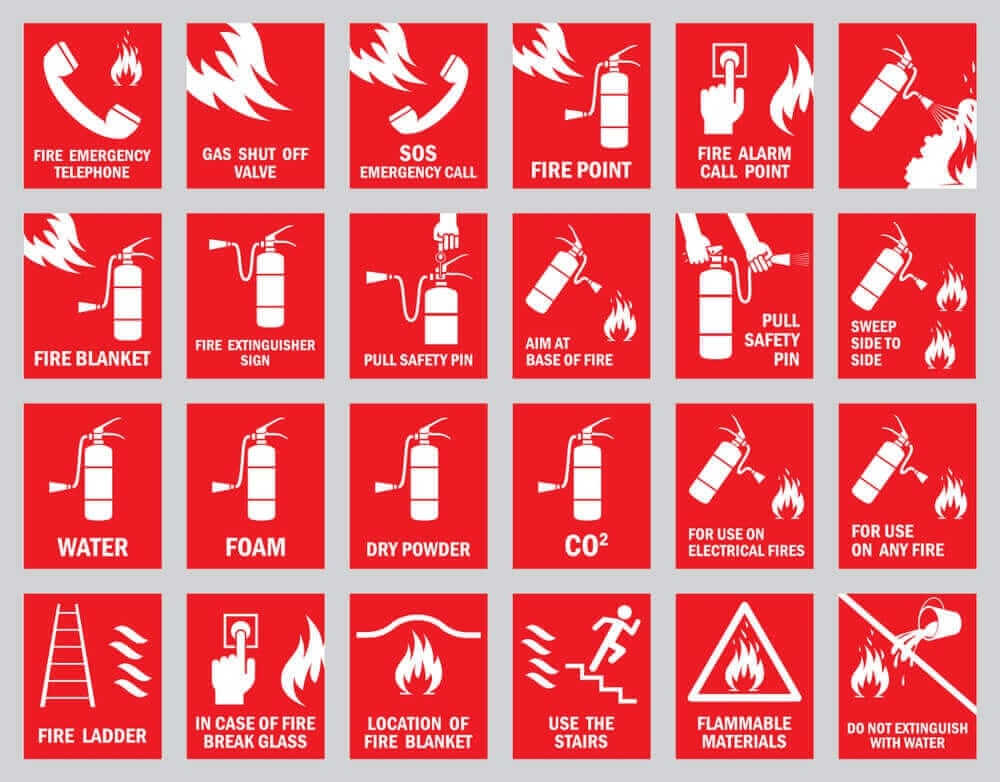
Fire Hazard Examples: What Should You Look For?
Good fire prevention starts with learning to spot hazards before they become emergencies. Some of the most common fire hazard examples involve:- Electrical equipment that is damaged or overloaded
- Heating equipment placed near combustible materials
- Cooking appliances left unattended
- Candles and other open flames
- Smoking materials
- Lint and debris
- Flammable liquids and gases
- Battery charging equipment
- Poor housekeeping
- Blocked fire exits
- Improper storage
- Equipment that has not been maintained
Fire Safety Training Course
This course is ideal for any individuals that work in any kind of premise, and wish to familiarise themselves with Fire Safety techniques and fire safety awareness training .
20 Fire Hazards You Are Overlooking
1. Overloaded Electrical Outlets
Plugging several appliances into one outlet or power bar can create excessive electrical demand. It becomes particularly concerning when high-power appliances are connected improperly or when cords and power bars are used in ways they were not designed for. Health Canada recommends using electrical products according to their instructions and avoiding unsafe use of extension cords and power bars. Take a look behind desks, entertainment units and kitchen counters. If you see multiple adapters, damaged cords, hot plugs or makeshift connections, do not ignore them.2. Damaged Electrical Cords and Plugs
A cracked plug, frayed cable or exposed wire may look like a small maintenance issue, but damaged electrical equipment can create a fire or shock hazard. Do not cover significant cord damage with tape and continue using the product as normal. Replace damaged equipment or have it assessed by a qualified person. Also look for cords running under rugs, beside heat sources or through areas where they can be crushed or damaged.3. Clothes Dryers and Lint Build-Up
Dryers are easy to overlook because they are used frequently and usually operate without much attention. Lint can accumulate in the filter, exhaust system and surrounding areas. Restricted airflow can contribute to overheating. Clean the lint filter as recommended and keep the dryer and its ventilation system properly maintained. Pay attention to unusual heat, drying times or airflow problems rather than assuming the appliance is simply getting old.4. Space Heaters
Portable heaters are a classic example of a household fire hazard that can be created by placement rather than the appliance alone. Health Canada advises keeping portable electric heaters at least one metre away from combustible materials such as couches, beds, clothing and curtains. It also advises against plugging portable electric heaters into extension cords or power bars. Keep heaters on a stable surface, follow the manufacturer’s instructions, and switch them off before leaving home or going to sleep.5. Cooking Equipment
Cooking is one of the most important fire risks to take seriously at home. Health Canada identifies cooking fires as a leading cause of house fires in Canada. A pan left unattended, a towel placed too close to a burner, grease accumulation or combustible items stored on a hot stovetop can quickly create problems. Keep cooking areas clear and stay nearby when using heat-producing appliances. If you must leave, turn the appliance off.6. Toasters and Toaster Ovens
Toasters can collect crumbs, grease and food particles. Toaster ovens can also become hot enough to ignite nearby materials. Keep these appliances away from paper towels, packaging, curtains and other combustible materials. Clean them regularly according to the manufacturer’s instructions and do not continue using a product that shows signs of electrical damage. Health Canada specifically advises keeping heat-producing electrical products such as toasters away from combustible materials.7. Candles and Open Flames
Candles are a familiar source of warmth and atmosphere, which is precisely why people can forget that they involve an open flame. Never leave a burning candle unattended. Keep candles away from curtains, paper, furniture, bedding and areas where children or pets can knock them over. The same principle applies to fireplaces, oil lamps and other open-flame products: control the flame, maintain a safe area around it and extinguish it properly when it is no longer needed.8. Smoking Materials
Smoking materials can remain hot long after they appear to be extinguished. A cigarette ember can smoulder in furniture or bedding and later ignite. Health Canada notes that smoking is one of the leading causes of house fires and recommends properly extinguishing smoking materials and checking furniture and bedding for fallen embers. Never leave smoking materials unattended, and use appropriate containers for disposal.9. Charging Devices and Lithium-Ion Batteries
Phones, laptops, power banks, e-bikes, e-scooters, power tools and other rechargeable products have made battery charging part of everyday life. Lithium-ion batteries are generally safe when used correctly, but Health Canada warns that they can overheat, catch fire or explode when damaged, misused or improperly charged. Use the charger supplied with the product whenever possible. Replacement chargers should be compatible and have an appropriate Canadian certification mark. Do not charge devices on beds, couches or other soft surfaces that can trap heat. Health Canada also advises keeping larger battery systems away from exit doors in case a fire occurs.10. Decorative and Seasonal Lighting
Fairy lights, seasonal decorations and LED strips are often considered harmless because they use relatively little power. But the actual risk depends on the quality, condition, installation and surrounding materials. Damaged wires, overloaded connections, unsuitable power supplies and decorations placed against combustible materials can create a problem. Inspect decorative lighting before use and replace damaged sets rather than trying to make them work one more season.11. Bathroom Exhaust Fans
Exhaust fans can collect dust and debris over time. A fan that is noisy, unusually hot, slow or malfunctioning should not simply be ignored. Regular cleaning and appropriate maintenance can help reduce the risk of overheating. Switch off equipment that appears faulty and arrange for repair or replacement where necessary.12. Air Conditioners and Other Appliances
Air conditioners and other appliances can become a risk when filters, vents, cords or internal components are neglected. Keep airflow clear, clean filters as recommended and follow maintenance instructions. Never use appliances with damaged plugs or cords. Health Canada recommends keeping electrical products dry and away from water and using them according to the manufacturer’s instructions.13. Range Hoods and Kitchen Exhaust Systems
Kitchen exhaust systems collect grease and cooking residue. When cleaning is neglected, combustible deposits can accumulate. Pay particular attention to range hoods, filters, nearby walls and surrounding surfaces. Commercial kitchens may require additional cleaning, inspection and fire protection measures based on their equipment and local requirements.14. Outdoor Grills and Barbecue Equipment
A barbecue can produce high temperatures and open flames, so placement matters. Keep grills away from buildings, combustible walls, fencing, dry vegetation and other materials that could catch fire. Clean grease and food residue regularly and inspect hoses, connections and fuel systems as applicable. Never treat outdoor cooking equipment as something that can be left unattended simply because it is outside.15. Flammable Liquids and Gas Cylinders
Fuel, solvents, paints, cleaning products and other flammable substances can become dangerous when stored incorrectly. Keep products in suitable containers, away from ignition sources and in accordance with the manufacturer’s storage instructions. Do not store flammable products beside furnaces, heaters, electrical equipment or open flames. Gas cylinders also require appropriate handling, storage and use. Always follow the instructions supplied with the product and applicable Canadian requirements.16. Dust, Debris and Combustible Waste
Dust and debris may not look like a traditional fire hazard, but accumulation around machinery, electrical equipment, heating systems or work areas can provide fuel for a fire. This is particularly important in garages, workshops, warehouses and industrial environments. Good housekeeping is not just about appearance. Removing unnecessary combustible materials can reduce the amount of fuel available if an ignition source is introduced.17. Oily or Contaminated Rags
Rags used with oils, solvents, coatings or other combustible products should not simply be thrown into an ordinary waste bin without considering the material involved. Certain contaminants can create a serious fire risk when waste is improperly stored or handled. Follow workplace procedures and product-specific instructions for collection, storage and disposal. Where there is uncertainty, ask the responsible safety person rather than guessing.18. Chimneys, Furnaces and Heating Systems
Heating equipment deserves particular attention in a Canadian climate. Blocked vents, heavy soot or deposits, damaged components and poor maintenance can create dangerous conditions. Have heating systems inspected and maintained according to the manufacturer’s recommendations and applicable requirements. Keep combustible items away from furnaces, boilers, fireplaces and other heat-producing equipment.19. Hairdryers, Lawnmowers and Small Equipment
Small appliances and tools are easy to overlook because they seem too ordinary to create a serious risk. Hairdryers, irons, lawn equipment, power tools and other devices can generate heat or contain motors, electrical components or rechargeable batteries. Do not leave heat-producing equipment running unnecessarily, and do not use products showing signs of damage or overheating. Health Canada specifically advises against leaving heat-producing electrical products plugged in when they are not in use.20. Clutter and Blocked Fire Exits
Clutter can create two separate problems. First, combustible clutter provides additional fuel for a fire. Second, clutter placed in hallways, stairways or near exits can slow evacuation. Keep exits, corridors and access routes clear. Do not store boxes, furniture or equipment where they could obstruct a door, emergency route or fire protection equipment. A fire extinguisher is of limited value if you cannot reach it safely.
Commonly Overlooked Fire Hazards at Home
A useful way to inspect your home is to stop looking only for obvious flames and start looking for conditions that allow a fire to start or spread.
Ask yourself:
- Is anything generating heat close to something that can burn?
- Are any electrical cords damaged, crushed or overloaded?
- Are appliances being used in ways the manufacturer does not recommend?
- Are cooking areas being left unattended?
- Are batteries charging on soft or combustible surfaces?
- Are candles, smoking materials or other open flames being left unattended?
- Is combustible clutter accumulating around heating or electrical equipment?
- Are exits and escape routes clear?
These questions cover many of the fire safety hazards people stop noticing because they have become part of everyday life.
Children and pets also deserve consideration. A candle, hot appliance, electrical cord or lighter can become dangerous when it is within reach or can easily be knocked over.
Make sure smoke alarms are installed and working as recommended. Health Canada advises using smoke alarms that meet Canadian safety standards and keeping them functional.
Fire Hazards in the Workplace
Workplaces can contain more complex combinations of fuel, heat, machinery and electrical equipment.
The relevant fire hazards will depend on the type of workplace. An office may have overloaded outlets, computers, cooking appliances and storage clutter. A restaurant may deal with cooking oils, grease, exhaust systems and high-temperature equipment. A workshop may have flammable liquids, combustible dust, machinery and hot work. A warehouse may have extensive packaging, storage and electrical equipment.
Some common workplace hazards include:
- Electrical equipment and damaged cables
- Poor housekeeping
- Flammable materials stored incorrectly
- Blocked emergency exits
- Kitchen appliances
- Heating equipment
- Charging stations
- Smoking materials where permitted
- Faulty equipment
- Maintenance problems
- Combustible storage near heat sources
Employees should know how to identify and report hazards rather than assuming someone else will notice them.
A simple report such as “there is a damaged cord beside the heater” is much more useful than waiting for the problem to become an incident.
What Are the 4 Types of Fire Hazards?
When people search “what are the 4 types of fire hazards,” they may actually be asking about the major conditions that allow fires to start and develop. A useful way to understand them is through four broad categories:1. Ignition Sources
These are sources of heat or energy capable of starting combustion, including electrical sparks, open flames, hot surfaces and some mechanical processes.2. Combustible Materials
These provide fuel. Examples include paper, wood, textiles, plastics, packaging, flammable liquids and gases.3. Conditions That Support Fire
Fire needs the right conditions to continue burning. Poor ventilation in some situations can affect combustion, while airflow can help a fire spread. Oxygen is one part of the basic fire triangle.4. Fire and Smoke Spread or Escape Hazards
A hazard is not limited to what starts a fire. Open doors, combustible storage, damaged fire separations, blocked exits and poor housekeeping can allow fire or smoke to spread or make evacuation harder. This classification is different from classes of fire, which describe the fuel involved in a fire and help determine appropriate extinguishing equipment.
What Are Ignition Sources?
An ignition source is something capable of providing enough heat or energy to start combustion. Common ignition sources include:- Electrical sparks or faults
- Open flames
- Cigarettes and smoking materials
- Candles
- Hot surfaces
- Space heaters
- Cooking equipment
- Welding or other hot-work activities
- Overheated electrical components
- Some motors and mechanical equipment
Fire Extinguisher Technician
To become successful in your profession, you must have a specific set of skills to succeed in today’s competitive world.
Different Classes of Fire
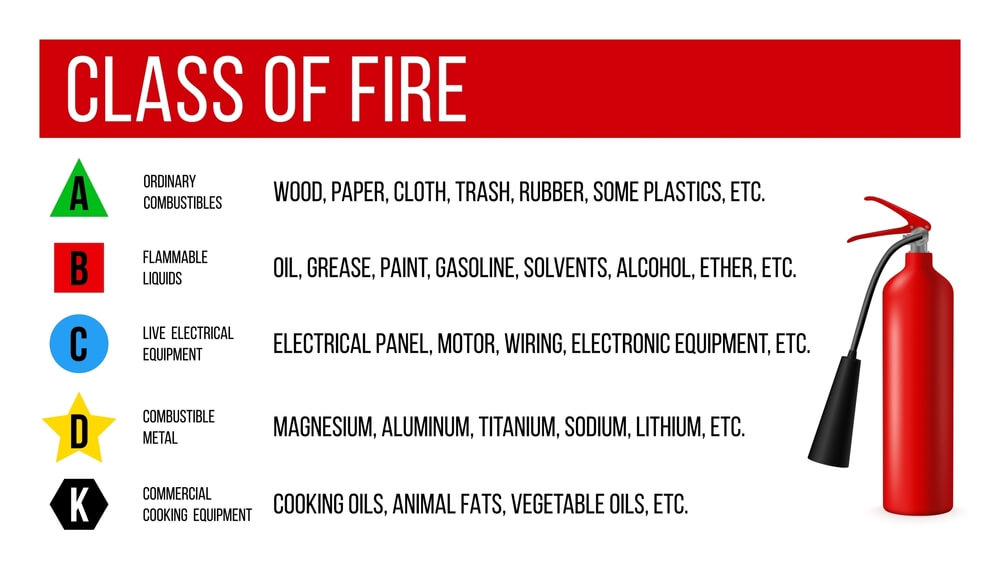
Fire classifications describe the type of fuel involved in a fire. They are not the same as the four broad categories of fire hazards discussed above. Canadian government guidance identifies the following common classifications:Class A: Ordinary Combustible Materials
These fires involve materials such as wood, paper, cloth, rubber and some plastics.Class B: Flammable Liquids and Related Fuels
These involve fuels such as gasoline, oil, grease, paints and other flammable liquids or gases, depending on the classification system and application.Class C: Energized Electrical Equipment
These fires involve electrically energized equipment, appliances, tools or wiring.Class D: Combustible Metals
These involve combustible metals such as magnesium, sodium or potassium. They are more likely to be encountered in specialised industrial environments.Class K: Cooking Oils and Fats
Class K fires involve cooking oils, animal fats or vegetable oils in cooking equipment. Class K extinguishers are commonly associated with commercial kitchens. The exact extinguisher requirements can depend on the building, occupancy and jurisdiction. Always read the extinguisher label and follow applicable local requirements.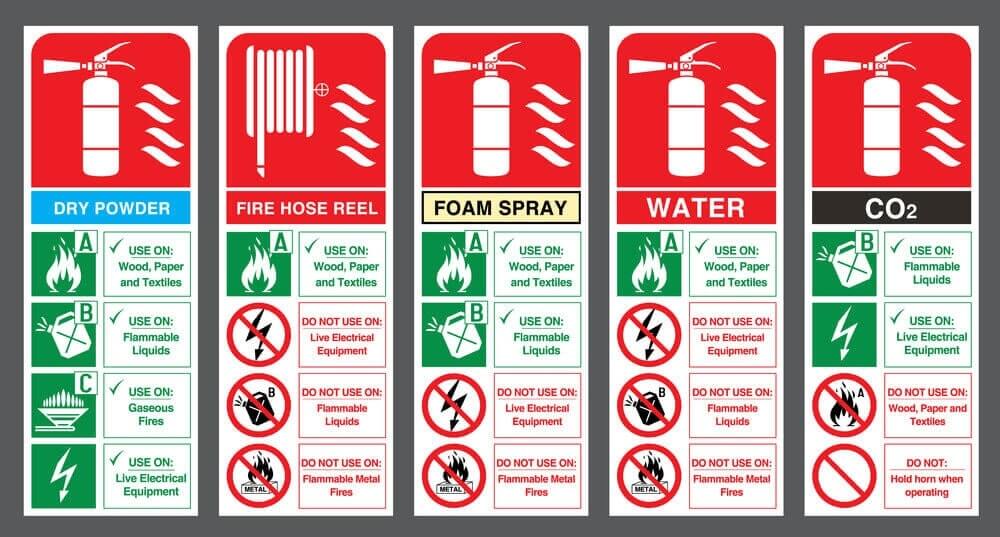
How to Report a Fire Hazard in Canada
What you do when you find a hazard depends on how serious it is. If there is an active fire, immediate danger to life, or a rapidly developing emergency, move away from the danger and contact 911. Do not put yourself at risk trying to investigate, repair or extinguish a dangerous fire. For a non-emergency hazard, report it to the appropriate person or organisation. In a workplace, this may be a supervisor, employer, health and safety representative or designated fire safety contact. In an apartment or condominium, it may be building management or the property owner. When reporting a hazard, provide useful information:- Where it is located
- What you observed
- What equipment or material is involved
- Whether anyone is immediately at risk
- Whether the problem is getting worse
Fire Safety Precautions Everyone Should Follow
Fire prevention is largely about controlling heat, fuel, ignition sources and the conditions that allow fire or smoke to spread. At home and at work: Keep heat sources clear. Do not place clothing, paper, bedding, boxes or other combustibles beside heaters and other hot equipment. Maintain electrical products. Replace damaged cords and plugs, avoid unsafe extension-cord use and purchase electrical products with recognised Canadian certification marks such as CSA, cUL or cETL where applicable. Keep cooking areas supervised. Cooking equipment should not be left unattended when it is operating. Store flammable materials properly. Follow the manufacturer’s instructions and keep them away from ignition sources. Maintain alarms. Use smoke alarms that meet Canadian safety requirements and test them regularly according to the manufacturer’s instructions. Keep escape routes clear. Every second matters during a fire. Charge batteries safely. Use compatible chargers, avoid damaged batteries and do not charge lithium-ion devices on soft surfaces. Keep fire extinguishers accessible. They should be appropriate for the hazards present and maintained according to their instructions. Know your escape plan. Everyone in a household or workplace should know how to get out and where to go afterward.How to Put Out a Fire
The first question should never be “Can I put this fire out?”
It should be:
“Can I do this safely without putting myself or someone else in greater danger?”
A portable fire extinguisher may be useful for a small, contained fire, but it is not a substitute for evacuation and professional firefighting.
Canadian government guidance recommends using a portable extinguisher only when the fire is small and contained, you are not exposed to dangerous smoke, someone has been alerted and the fire does not block your escape route.
Do not attempt to fight a fire when:
- The fire is growing rapidly.
- Heavy smoke is present.
- The fire has spread beyond a small, contained area.
- The fire could block your escape.
- You do not have the right extinguisher.
- You are unsure whether it is safe.
- You have not been trained to use the equipment safely.
For a cooking-oil or grease fire, never throw water onto the burning oil. The wrong response can spread the burning material and make the situation significantly worse.
When in doubt, get out and call 911.
How to Use a Fire Extinguisher: A Quick Guide
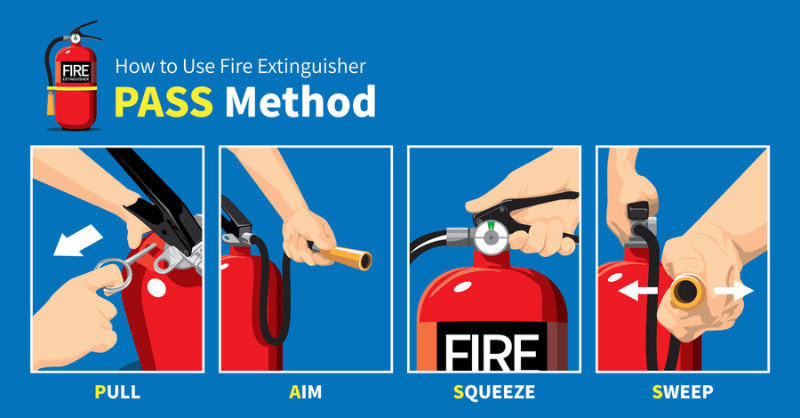
For extinguishers that use the PASS method:
Pull
Pull the pin or release the locking mechanism.
Aim
Aim the nozzle at the base of the fire, not the top of the flames.
Squeeze
Squeeze the handle steadily to discharge the extinguishing agent.
Sweep
Move the nozzle from side to side across the base of the fire.
Health Canada provides the same PASS sequence for portable fire extinguishers.
Keep your escape route behind you. If the fire grows, smoke increases, the extinguisher does not control the fire, or you begin to feel unsafe, stop and leave.
A Canadian government fire safety guide emphasises that extinguishers are intended for small fires and should only be used when the person has a safe escape route and is not exposed to dangerous smoke.
How to Avoid Fire Hazards?
Knowing how to avoid fire hazards is much easier when prevention becomes part of your routine.
Start with the basics:
- Never leave cooking unattended.
- Keep heaters away from combustible materials.
- Do not overload electrical outlets.
- Replace damaged electrical cords and plugs.
- Keep dryer filters and ventilation systems clean.
- Store flammable materials safely.
- Keep candles and open flames supervised.
- Extinguish smoking materials completely.
- Keep clutter away from heat sources.
- Keep emergency exits and walkways clear.
- Maintain smoke alarms and other fire protection equipment.
- Charge lithium-ion batteries on hard, stable surfaces.
- Use the original or properly compatible battery chargers.
- Stop using batteries that are swollen, damaged or unusually hot.
- Follow manufacturer instructions for appliances and equipment.
- Report hazards as soon as you notice them.
Health Canada specifically recommends using compatible lithium-ion chargers, avoiding damaged batteries and keeping rechargeable devices away from soft surfaces that can trap heat.
The best prevention habit is simple: notice small problems before they become emergencies.
Which of These Can Be a Fire Hazard?
Take a look at these situations:
A heater placed beside a curtain? Yes.
A damaged power cord that is still being used? Yes.
A clean, properly maintained appliance used according to its instructions? Not necessarily.
A phone charging under a pillow? It can become a fire risk because soft surfaces can trap heat.
A blocked workplace exit? Yes. It may not start a fire, but it can create a serious fire safety hazard by making evacuation more difficult.
A pile of combustible waste beside hot machinery? Yes.
A candle left unattended? Yes.
An e-bike battery showing signs of swelling or overheating? It should no longer be used and needs appropriate handling and disposal.
This is why identifying fire hazards is about more than memorizing objects. You need to recognize the condition, location and behaviour that make something dangerous.
Conclusion
Many fire hazards are hiding in plain sight.
They are the damaged cord you keep meaning to replace, the lint you forget to clean, the heater placed too close to a curtain, the clutter blocking an exit, the battery charging on a bed, or the pan left on the stove while you answer a phone call.
These are ordinary situations, but ordinary does not mean harmless.
Understanding a fire hazard, recognising fire hazard examples, knowing the hazards created by fire, and learning how to avoid fire hazards can help you make better decisions at home and at work.
Fire prevention does not require waiting for something to go wrong. Walk through your home or workplace today and look at the things you normally overlook. What creates heat? What provides fuel? What could ignite? What could make escape harder?
That inspection may take only a few minutes, but it can identify problems before they become serious.
For broader awareness and workplace preparation, consider completing appropriate Fire Safety Training to strengthen your understanding of fire prevention, emergency procedures and safe responses.
FAQ
1. Are LED Strip Lights a Fire Hazard?
LED strip lights generally operate at lower temperatures than many traditional light sources, but that does not mean every installation is automatically safe. Damaged wiring, unsuitable power supplies, overloaded connections, poor installation or placing lighting against combustible materials can create a risk.
Use products according to their instructions, inspect cables and connections, and replace damaged equipment.
2. Are Fairy Lights a Fire Hazard?
Fairy lights can become a fire safety concern when they are damaged, incorrectly connected, overloaded or positioned against combustible materials.
Check the wiring before use, follow the manufacturer’s instructions and avoid using damaged lighting. Do not assume that a product is safe simply because it uses small LEDs.
3. Why Are Fire Safety Education and Training Important?
Fire safety education helps people recognise hazards before an incident occurs. It also helps people understand evacuation procedures, emergency reporting, extinguisher limitations and safer everyday practices.
This matters because a fire can produce smoke, heat, toxic gases and rapidly changing conditions. Knowing when to evacuate rather than attempting to fight a fire can be just as important as knowing how an extinguisher works.
4. What Are Some Common Fire Hazard Examples?
Common examples include overloaded electrical outlets, damaged electrical cords, unattended cooking, candles, smoking materials, portable heaters, dryer lint, flammable liquids, combustible clutter, improperly charged lithium-ion batteries and blocked exits.
The exact hazards will depend on the environment. A restaurant, office, home, workshop and warehouse may all have different combinations of fire risks.
5. How Can You Avoid Fire Hazards at Home?
Start by keeping heat sources away from combustible materials, supervising cooking, maintaining electrical equipment, cleaning appliances, storing flammable products correctly, keeping exits clear and maintaining working smoke alarms.
Also pay attention to newer risks, including rechargeable lithium-ion batteries. Use compatible chargers, charge devices on hard surfaces and stop using damaged or overheating batteries.
Learn More





Get a FREE Course
- Learn useful skills online free
- Get CPD accredited certificate
- Add it to your CV today!


- Available Courses
- Career Bundles72
- Compliance32
- Regulated Courses4
- Quality Licence Scheme Endorsed58
- Teaching15
- Teaching & Academics Primary25
- Accounting & Finance Primary25
- Training1
- Design6
- IT & Software40
- Healthcare84
- Marketing28
- Health and Safety378
- Construction42
- Electronics24
- Hospitality23
- Health and Social Care200
- Child Psychology33
- Management349
- Business Skills263
- First Aid66
- Employability254
- Safeguarding61
- Food Hygiene104
- Personal Development1373
0 responses on "20 Fire Hazards You are Overlooking"