

When a Child Struggles in Silence
A child who used to eagerly wake up for school, laugh with friends, and enjoy their favourite hobbies. Suddenly, they become withdrawn, irritable, or anxious. Teachers notice a decline in participation, and at home, the child becomes unusually quiet or frustrated. When asked, they respond with a simple “I’m fine,” leaving parents and carers feeling helpless and worried.
In the UK, these signs are not uncommon. According to NHS statistics, around 1 in 8 children aged 5–19 experience a diagnosable mental health disorder, yet many children go unnoticed because they cannot articulate their feelings effectively. Children often struggle to identify or communicate emotions like anxiety, sadness, fear, or frustration. Behavioural changes—like aggression, withdrawal, or school avoidance—are often the only visible signals.
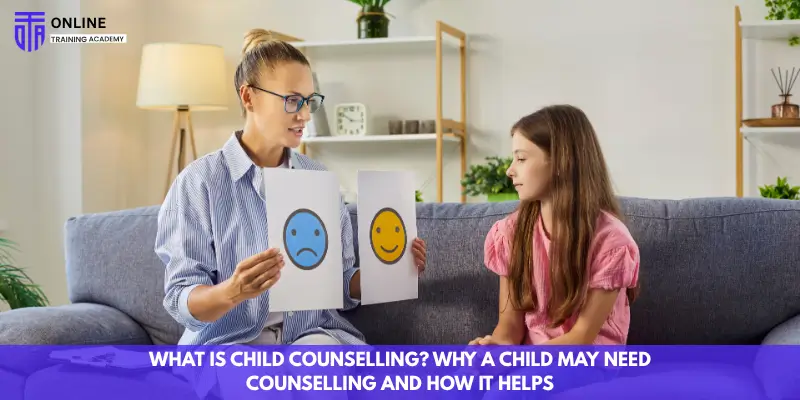
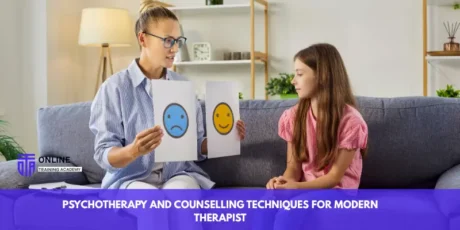
Child counselling provides a structured, safe space for children to express themselves, understand their feelings, and learn strategies to cope with challenges. Unlike adult therapy, child counselling often incorporates play, creative activities, and age-appropriate communication techniques to help children process emotions.
This guide will explore:
- What child counselling is and why it matters
- Signs that a child may benefit from counselling
- The goals and techniques of child counselling
- How parents, schools, and multi-agency support play a role
- How to access counselling in the UK, including NHS and private options
By understanding these elements, parents, carers, and educators can ensure children receive the support they need to thrive emotionally, socially, and academically.
What Is Child Counselling? Why a Child May Need Counselling and How It Helps
"Child counselling is a supportive process that helps children understand and manage their emotions, behaviors, and life challenges. This blog explores what child counselling is, the common reasons a child may need professional support, and how counselling can improve emotional well-being, resilience, confidence, and healthy development."
Table of Contents
What Is Child Counselling? Why a Child May Need Counselling and How It Helps
Understanding Child Counselling
Child counselling is a professional therapeutic process aimed at helping children manage emotional, behavioural, and psychological challenges. In the UK, child counsellors are trained to understand child development stages and use age-appropriate methods to communicate with children effectively.
While adult therapy often relies heavily on verbal discussion, child counselling uses a range of creative methods to help children express themselves:
- Play therapy: Using toys or games to explore feelings and experiences
- Art therapy: Drawing or painting to represent emotions
- Storytelling: Using narratives to understand thoughts and challenges
- Role-play: Practising social or emotional scenarios safely
These techniques allow children to externalise emotions, reduce anxiety, and gain insight into behaviours that may be challenging or disruptive.
Why Children Sometimes Need Professional Emotional Support
Children face various pressures in their lives. Academic expectations, social relationships, family transitions, bereavement, bullying, or trauma can all impact a child’s emotional wellbeing. While children often develop coping skills naturally, some may need professional guidance to navigate challenges safely and constructively.
Professional counselling is particularly important when emotional or behavioural difficulties:
- Persist over time
- Interfere with school or friendships
- Affect family dynamics
- Lead to self-harm or aggressive behaviours
UK safeguarding frameworks, including Working Together to Safeguard Children (2018), emphasise early intervention to support vulnerable children. Counselling aligns with these frameworks by providing structured emotional support to prevent further mental health difficulties.
How Child Counselling Supports Healthy Development
Counselling supports children’s development in multiple ways:
1. Understanding Emotions: Counselling helps children identify feelings such as anger, sadness, or fear. Awareness is the first step toward managing emotions effectively.
2. Communication Skills: Children learn to articulate feelings and needs clearly, improving interactions with parents, peers, and teachers.
3. Problem-Solving Abilities: Counselling encourages children to develop strategies for overcoming challenges in both school and social environments.
4. Confidence and Self-Esteem: Through small achievements and constructive guidance, children build belief in their abilities.
5. Resilience: Counselling teaches coping mechanisms that help children recover from setbacks and adapt to change.
The Long-Term Value of Early Emotional Support
Research shows that early intervention significantly reduces the risk of long-term mental health issues. Children who receive counselling early are more likely to:
- Regulate emotions effectively
- Maintain stable relationships with family and peers
- Perform better academically
- Develop resilience and independence
In the UK, early emotional support is seen as a preventative measure that reduces pressure on mental health services later in life and promotes overall wellbeing.
What Are the Main Goals of Child Counselling?
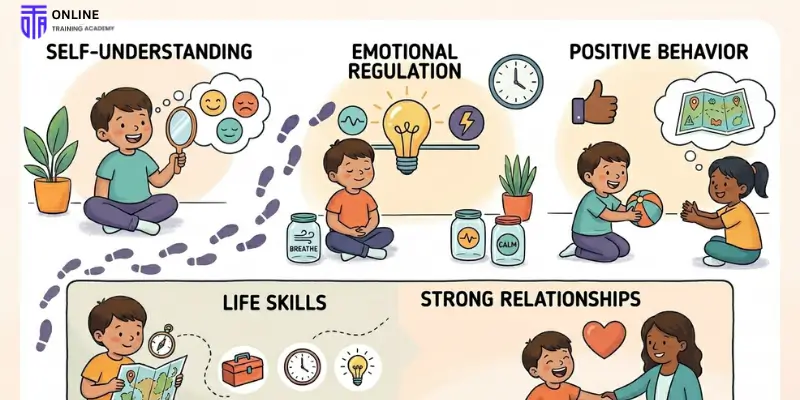
Child counselling is structured to achieve specific goals that enhance a child’s emotional, social, and cognitive development.
Building Self-Understanding
Children are guided to reflect on their thoughts, feelings, and behaviours. For example, a child who reacts angrily during group activities may begin to understand triggers, such as fear of criticism or social anxiety. Self-awareness is the foundation of emotional intelligence.
Teaching Emotional Regulation
Children learn to recognise emotions and respond in healthy ways. Counsellors may use techniques such as:
- Breathing exercises to reduce anxiety
- Mindfulness activities to focus attention
- Guided role-play to practice expressing feelings
Emotional regulation helps children manage stress without resorting to aggression or withdrawal.
Encouraging Positive Behavioural Change
Counselling addresses problematic behaviours by exploring underlying causes. For instance:
- A child who refuses to attend school may be experiencing social anxiety or bullying
- Counselling helps identify the root problem and introduces strategies like gradual exposure, social skills training, or parental support
Positive behavioural change is reinforced through consistency and constructive feedback.
Developing Coping and Life Skills
Counselling equips children with practical skills that apply beyond therapy:
- Problem-solving strategies for social and academic challenges
- Conflict resolution techniques
- Time management and organisational skills
- Decision-making strategies
These skills promote independence and self-confidence, preparing children for future challenges.
Strengthening Relationships
Children often benefit from family involvement in counselling. Counsellors guide parents on supporting children’s emotional growth, improving communication, and fostering positive relationships. Strengthened relationships enhance trust and reduce conflict within the home and school environment.
Signs That a Child May Need Counselling
Recognising early signs allows parents to intervene before difficulties escalate.
Emotional Warning Signs
- Persistent sadness, fear, or anxiety
- Mood swings or irritability
- Withdrawal from favourite activities
Behavioural Changes
- Increased aggression, defiance, or tantrums
- Trouble concentrating or following instructions
- Avoidance behaviours or hyperactivity
Social and School-Related Difficulties
- Challenges forming or maintaining friendships
- School avoidance or bullying
- Academic decline
Life Events That May Trigger Emotional Stress
- Family separation or divorce
- Bereavement or serious illness
- Moving schools or relocating
These situations may overwhelm a child’s natural coping mechanisms. Professional counselling provides guidance and support to process experiences safely.
Child Counselling Techniques and Skills
Effective child counselling in the UK relies on evidence-based techniques. Counsellors adapt methods to suit each child’s age, personality, and needs.
Play Therapy
Play therapy allows children to express feelings they cannot verbalise. Through toys, games, or imaginative play, children explore emotions, practise problem-solving, and build social skills.
Cognitive Behavioural Therapy (CBT)
CBT helps children recognise negative thought patterns and replace them with positive, realistic alternatives. For example, a child who believes “I can’t make friends” learns to identify evidence that challenges this thought and develops strategies to connect socially.
Art and Creative Therapies
Drawing, painting, or storytelling provides a medium for self-expression. Children can communicate experiences, anxieties, or emotions through creative outputs, which are then discussed with the counsellor.
Family and School Involvement
Counselling often includes parental guidance and collaboration with teachers. This ensures consistent support across home and school environments, reinforcing coping strategies and behavioural improvements.
How Parents and Schools Can Support Counselling
Parental Role
- Encourage attendance and engagement
- Maintain open communication with the counsellor
- Reinforce techniques at home (e.g., coping exercises, emotion identification)
- Model healthy emotional regulation
School Involvement
- Teachers can provide observations on behaviour and academic performance
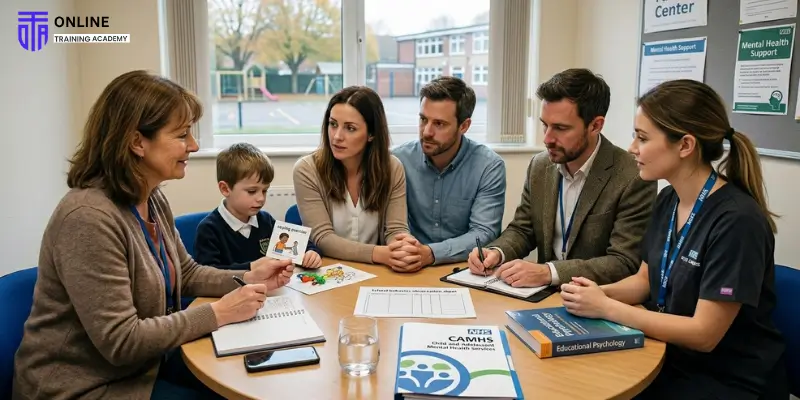
- Schools may offer counselling services or liaise with NHS CAMHS
- Collaboration ensures consistent support for the child
Multi-Agency Support
In the UK, safeguarding frameworks often require multi-agency collaboration. Counselling may involve:
- GP referrals
- NHS CAMHS
- Educational psychologists
- Social workers (if safeguarding concerns arise)
Accessing Child Counselling in the UK
NHS CAMHS (Child and Adolescent Mental Health Services)
- Free service for children with significant emotional or behavioural difficulties
- Referral usually via GP, school, or social worker
- Provides assessment, therapy, and multi-disciplinary support
School-Based Counselling
- Many schools offer in-house counsellors or external sessions
- Early support reduces escalation to specialised NHS services
- Confidential sessions encourage children to share feelings safely
Private Counselling
- Offers flexible sessions and personalised approaches
- Costs typically range £40–£100 per session depending on therapist experience and location
- Look for accredited professionals registered with: British Association for Counselling and Psychotherapy UK Council for Psychotherapy
Supporting a Child’s Emotional Growth
Children experience complex emotions, and when challenges arise, professional guidance can make a transformative difference. Child counselling provides a structured, supportive environment where children learn to understand their feelings, develop coping strategies, and build resilience.
Early intervention in the UK aligns with national safeguarding and mental health frameworks, ensuring children receive care at the right time. By combining professional counselling with parental support, school collaboration, and multi-agency involvement, children can navigate challenges more effectively, strengthen relationships, and develop into emotionally healthy adults.
Sometimes the most powerful step is simply giving a child a safe space to be heard. With counselling, children are not just supported—they are empowered to grow, thrive, and face life with confidence.
FAQs
A structured therapy process where children explore emotions, behaviour, and experiences in a safe environment.
To manage emotional challenges, behavioural issues, trauma, anxiety, bullying, or significant life events.
Children of all ages benefit, with methods adapted to developmental stage.
Explain it as a safe space to talk to someone who helps them understand feelings and find solutions.
Duration varies: a few sessions for minor issues, several months for complex challenges.
Yes, evidence shows it improves emotional wellbeing, social skills, and coping strategies.
Better emotional regulation, improved relationships, enhanced confidence, and long-term resilience.
Learn More


Get a FREE Course
- Learn useful skills online free
- Get CPD accredited certificate
- Add it to your CV today!