

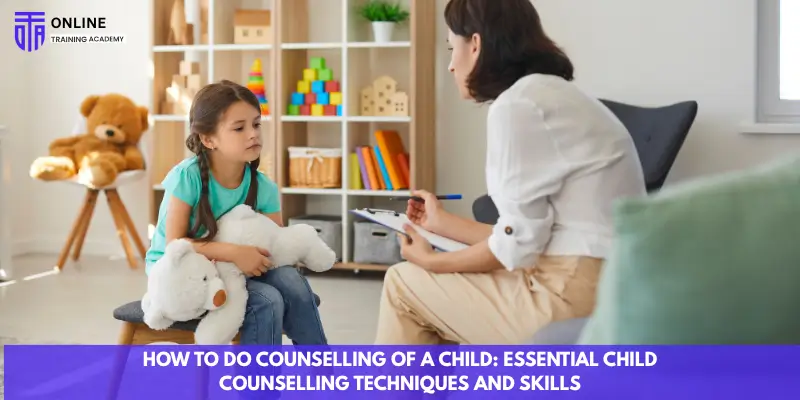
A child carries a unique world of emotions, thoughts, and experiences—some of which they cannot express verbally. For instance, a child may start having frequent tantrums, avoid school, or withdraw from friends seemingly overnight. Often, these are silent calls for help that can be addressed through child counselling.
Child counselling is not just “talk therapy for kids”; it is a structured, developmentally sensitive process that helps children understand their feelings, develop coping strategies, and navigate social and emotional challenges. Early counselling can prevent long-term behavioral issues, enhance emotional intelligence, and strengthen family and social relationships.
This guide provides a complete roadmap for understanding, implementing, and mastering child counselling techniques and skills. From foundational principles to practical strategies, this article equips caregivers, teachers, and aspiring counsellors with actionable tools to support children effectively.
How to Do Counselling of a Child: Essential Child Counselling Techniques and Skills
"Effective child counselling requires a combination of communication, empathy, active listening, and age-appropriate therapeutic techniques. This blog explores the essential child counselling techniques and skills that help professionals build trust, understand children's emotions, support their mental well-being, and create positive outcomes for their development and growth."
Table of Contents
Understanding Child Counselling – The Foundation
Child counselling is a professional therapeutic process tailored to a child’s cognitive, emotional, and social development. Unlike adult therapy, child counselling often relies on creative, experiential, and play-based methods to help children express themselves.
A strong safeguarding framework typically includes:
What is Child Counselling?
Child counselling focuses on:
- Emotional awareness and expression
- Coping skills for stress, anxiety, and trauma
- Social skill development
- Behavioral management
- Strengthening family and peer relationships
It is both preventative and corrective—helping children address current issues while building skills to manage future challenges.
When to Seek Child Counselling
Parents or caregivers should consider child counselling if a child exhibits:
- Persistent anxiety, sadness, or mood swings
- Behavioral problems like aggression, defiance, or withdrawal
- Trauma-related symptoms from abuse, accidents, or loss
- Social difficulties such as isolation, bullying, or difficulty forming friendships
- Sudden academic decline or school avoidance
A 9-year-old begins wetting the bed regularly after a family separation. Child counselling can uncover underlying emotional stress and provide coping strategies.
How Child Counselling Works
- Initial Assessment: The counsellor meets with the child and parents to understand behavior, emotions, and environmental context.
- Customized Therapy Plan: Interventions are tailored to the child’s developmental stage and specific needs.
- Counselling Sessions: Regular sessions (45–60 minutes) may be individual or involve family participation.
- Parental Involvement: Caregivers are taught strategies to reinforce therapy at home.
- Ongoing Monitoring: Progress is reviewed, and therapy approaches are adjusted as necessary.
Essential Child Counselling Techniques and Approaches
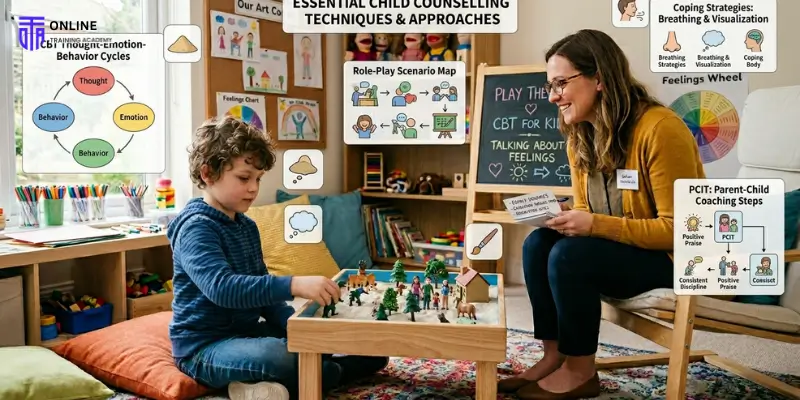
Play Therapy
Play therapy leverages the natural language of children—play—to explore emotions, thoughts, and conflicts.
Benefits:
- Facilitates expression for children who struggle with verbal communication
- Helps process complex feelings like grief, fear, or anger
- Promotes problem-solving and emotional regulation
Techniques:
- Role-Playing: Children act out situations using dolls or action figures to explore family conflicts or social dilemmas.
- Sand Tray Therapy: Children use miniature figures in a sandbox to represent emotions or experiences.
- Storytelling Through Play: Children create narratives to explore feelings indirectly.
Example: A 6-year-old experiencing parental divorce uses dolls to recreate home scenarios, which helps the counsellor understand feelings of loss, confusion, or guilt.
Cognitive Behavioral Therapy (CBT)
CBT for children helps them recognize negative thought patterns and transform them into constructive behaviors.
Applications:
- Anxiety, phobias, depression
- Behavioral challenges like temper tantrums or defiance
- Social skill development
Techniques:
- Thought Records: Children identify negative thoughts (“I’m always in trouble”) and replace them with balanced thoughts.
- Behavioral Experiments: Encouraging children to test assumptions (e.g., talking to a peer they fear) to reduce anxiety.
- Coping Strategies: Teaching deep breathing, visualization, and positive self-talk.
Example: A child afraid of speaking in class gradually builds confidence by practicing presentations with the counsellor, learning to replace “I’ll fail” with “I can try my best.”
Trauma-Focused CBT (TF-CBT)
TF-CBT is designed for children who have experienced trauma, including abuse, accidents, or significant loss.
Core Components:
- Psychoeducation: Helping children understand trauma reactions
- Relaxation Techniques: Breathing exercises and mindfulness
- Cognitive Processing: Identifying and reframing harmful beliefs
- Gradual Exposure: Safely discussing trauma experiences
- Parental Involvement: Guiding caregivers on supporting recovery
Example: A 10-year-old survivor of bullying learns coping skills to manage intrusive thoughts, while parents are taught how to reinforce emotional safety.
Art and Music Therapy
Creative therapies allow children to express feelings they cannot verbalize.
Benefits:
- Externalizes internal emotions
- Reduces stress and anxiety
- Encourages self-reflection and problem-solving
Art Therapy Techniques:
- Drawing emotions as images or colors
- Using sculptures or crafts to express conflicts
- Journaling combined with art
Music Therapy Techniques:
- Improvising music to convey emotions
- Listening to specific pieces to identify feelings
- Using rhythmic exercises for self-regulation
Example: A child drawing “storms” to represent anger allows the counsellor to guide discussion about triggers and coping strategies.
Parent-Child Interaction Therapy (PCIT)
PCIT strengthens parent-child relationships through structured sessions focusing on communication, discipline, and emotional support.
Steps:
- Observing parent-child interactions
- Teaching parents positive reinforcement techniques
- Practicing effective discipline and boundary-setting
- Monitoring behavioral improvements over time
Example: A parent struggling with managing a hyperactive child learns to use praise for positive behaviors and consistent consequences for inappropriate actions.
Behavior Modification Techniques
Behavior modification involves reinforcing desired behaviors while reducing undesired behaviors through structured interventions.
Strategies:
- Positive Reinforcement: Rewarding desired behaviors (stickers, praise, privileges)
- Negative Consequences: Non-harmful consequences for unwanted behavior
- Goal Setting: Collaboratively defining behavioral goals
- Monitoring: Daily or weekly tracking of progress
Example: A child who struggles with chores gradually improves responsibility through a reward chart, creating motivation and accountability.
Structuring Effective Counselling Sessions
Frequency and Duration
- 45–60 minutes per session is standard
- Weekly sessions for ongoing issues; bi-weekly for mild concerns
Individual vs. Family Sessions
- Individual sessions address personal challenges
- Family sessions address family dynamics, communication patterns, and shared coping strategies
Creating a Safe Environment
- Emotional safety: empathy, non-judgmental listening, and confidentiality
- Physical safety: calm, child-friendly, and distraction-free space
Involving Parents and Caregivers
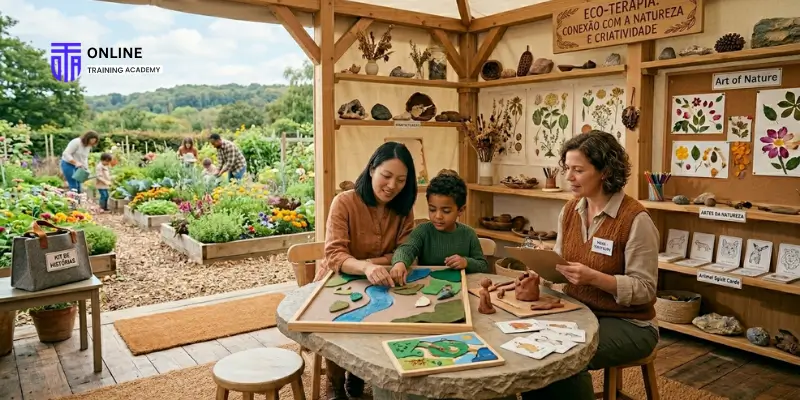
Parental involvement is often the most critical factor in successful child counselling. Children rely on consistent support, guidance, and reinforcement outside therapy sessions, and parents act as the bridge between therapy and real life. However, guiding parents is more than telling them what to do—it requires teaching, modeling, and empowering them to become active partners in their child’s growth.
Educating Parents
Simply attending sessions is not enough; parents need to understand why counselling is happening and how their role affects progress.
Practical Strategies:
Explain Goals Clearly:
- Break down the therapy objectives in plain language. For example: “We are helping your child identify emotions, learn coping strategies for anxiety, and improve communication skills with peers and family.”
Demonstrate Techniques:
- Role-play scenarios where parents respond positively to difficult behavior. For instance, if a child refuses to do homework, the counsellor models a calm and encouraging approach rather than punishment.
Home Reinforcement Plan:
Give parents concrete ways to reinforce therapy at home:
- Use “emotion check-ins” at mealtime to ask how the child is feeling.
- Praise specific behaviors, e.g., “I noticed you shared your toy with your brother today—that was very thoughtful!”
- Provide creative outlets, such as encouraging journaling, drawing, or music to express feelings.
Real-Life Example: A parent of an 8-year-old with social anxiety was guided to schedule short playdates and gradually increase exposure to peers, reinforcing confidence-building techniques taught in therapy. Within weeks, the child began initiating social interactions at school.
Monitoring Progress
Tracking improvement is not about rigid measurement—it’s about observing behavioral changes and emotional growth.
Steps for Effective Monitoring:
Set Clear, Measurable Goals:
- Example: Instead of “improve behavior,” define goals like: “Child will express frustration verbally 3 times per week instead of yelling.”
Use Journals or Logs:
- Parents record daily observations: moods, triggers, positive behaviors, and setbacks.
- Helps counsellors adjust interventions based on real-world evidence.
Regular Check-Ins:
- Monthly progress meetings with parents to discuss improvements, challenges, and strategies for the next phase.
Scenario: A child struggling with bedtime resistance showed little improvement initially. After parents implemented a reward chart and calming bedtime routine suggested by the counsellor, progress was visible in two weeks, reinforcing the importance of consistent monitoring.
Handling Resistance
Resistance is normal—both children and parents may hesitate to engage due to fear, distrust, or misunderstanding. Counsellors need to address this with empathy, patience, and creativity.
Techniques to Overcome Resistance:
Gradual Engagement:
- Start with short, low-pressure sessions to build comfort and trust.
- Example: Let a child spend 5 minutes in the counselling room with a favorite toy before starting structured activities.
Empower the Child:
- Offer choices: “Do you want to start with drawing or a game today?”
- Giving children control reduces anxiety and increases cooperation.
Creative Tools:
- Use art, storytelling, role-playing, or music to make participation less intimidating.
- Example: A child resistant to talking about a recent move was encouraged to draw a comic story of the experience, which later became a discussion point in counselling.
Parent Guidance: Educate parents to respond without frustration when children resist, reinforcing the message: therapy is a safe space, not a punishment.
Challenges in Child Counselling and Solutions
Counselling children is rarely straightforward. Understanding common challenges and implementing proactive strategies is key to success.
Behavioral Resistance
Challenge: Children may refuse to participate, disrupt sessions, or show oppositional behavior.
Solutions:
- Make Activities Enjoyable: Integrate games, interactive storytelling, or hands-on projects aligned with therapeutic goals.
- Incremental Steps: Break tasks into small achievable parts. Celebrate even minor successes.
- Collaborative Goal Setting: Let the child co-create small goals to increase ownership and motivation.
A 7-year-old refused to discuss feelings verbally. The counsellor introduced a board game where each move involved sharing one feeling. Slowly, the child began verbalizing emotions naturally.
Emotional Overwhelm
Challenge: Sessions can trigger strong emotions such as anger, sadness, or fear.
Solutions:
- Grounding Techniques: Teach children deep breathing, sensory exercises (touching a textured object, smelling calming scents), or visualization to regain control.
- Creative Outlets: Encourage drawing, clay modeling, or music as emotional channels.
- Session Pacing: Shorten sessions temporarily or intersperse calm activities after emotionally intense discussions.
A child recalling bullying at school became visibly distressed. The counsellor paused discussion, guided the child in deep-breathing exercises, and then transitioned to a sand tray activity, helping the child regain composure while processing the event safely.
Communication Barriers
Challenge: Children may struggle to articulate feelings due to age, trauma, or developmental delays.
Solutions:
- Non-Verbal Expression: Use art, music, or play to communicate emotions indirectly.
- Visual Aids and Tools: Emotion cards, mood thermometers, and pictorial prompts help children describe feelings.
- Role-Playing: Acting out scenarios allows practice in expressing emotions safely and developing social skills.
A child with speech delays was taught to use emotion cards to indicate anger, sadness, or happiness, gradually improving communication and reducing frustration.
Final Thought
Every child has a world inside them. With understanding, empathy, and expert guidance, we can help them not only face challenges but emerge stronger, confident, and equipped to thrive.
Child counselling is not just about addressing immediate issues—it’s about nurturing resilience, emotional intelligence, and lifelong coping skills. By combining structured techniques like play therapy, CBT, TF-CBT, creative therapies, and parent-focused interventions, counsellors can guide children through emotional, behavioral, and social challenges.
FAQs
Children as young as 3 can benefit from play-based therapy, with methods adapted to developmental stages.
Typically 6–12 sessions for mild issues; longer-term therapy for trauma or complex behavioral challenges.
Parental involvement is recommended but balanced with the child’s need for privacy.
Yes, especially with behavior modification and family support strategies.
Look for certification in child psychology or therapy, experience with children, and positive referrals.
Counselling complements, but does not replace, medical treatments prescribed for mental health conditions.
Alternative approaches like play, art, and gradual trust-building techniques can encourage engagement.
Learn More





Get a FREE Course
- Learn useful skills online free
- Get CPD accredited certificate
- Add it to your CV today!