


Your face has a drainage system—just like a city.
Every day, your skin produces fluids, metabolic waste, and toxins that need to be carried away. This important job belongs to the lymphatic system, a quiet network of vessels and nodes that works beneath the skin to maintain balance and remove excess fluid. Unlike your heart or lungs, however, the lymphatic system doesn’t have a built-in pump pushing things along.
Because of that, the flow can sometimes slow down. When lymphatic circulation becomes sluggish, fluid may collect in areas like the cheeks, jawline, and under the eyes. The result is something many people notice in the mirror: morning puffiness, facial swelling, dull skin, and tired-looking eyes.
This is where face lymphatic drainage massage can help.
By using gentle, rhythmic movements that follow the natural pathways of lymph fluid, you can stimulate circulation and encourage the body to move excess fluid away from the face. The technique is surprisingly simple and doesn’t require expensive treatments or complicated tools.
With the right approach, even beginners can safely practice face lymphatic drainage at home and enjoy benefits such as reduced puffiness, improved skin tone, and a more sculpted appearance.
In this guide, you’ll learn beginner-friendly tips, step-by-step techniques, safety precautions, and practical advice to help you incorporate lymphatic drainage into your daily skincare routine.
Table of Contents
Beginner Tips for Face Lymphatic Drainage at Home: A Simple Guide to a Sculpted, Glowing Face
The “Beginner Tips for Face Lymphatic Drainage at Home” guide helps readers learn simple, safe techniques for a sculpted, glowing face, with step-by-step instructions, key benefits, and essential tips to support circulation, relaxation, and overall facial wellness.
What Are the Best Beginner Tips for Face Lymphatic Drainage at Home?
When starting face lymphatic drainage at home, the key is understanding that this technique is very different from traditional facial massage. Instead of deep pressure, lymphatic drainage uses gentle, controlled movements designed to guide fluid toward lymph nodes where it can be filtered and removed.
Here are the most important beginner tips to keep in mind.
Understand How the Lymphatic System Works
The lymphatic system plays a major role in maintaining healthy tissues. It removes waste, toxins, and excess fluid from the body while also supporting the immune system.
However, unlike blood circulation, which is powered by the heart, lymphatic circulation relies on movement, breathing, and muscle activity to keep fluids flowing.
When the system slows down, fluid may accumulate in tissues. This is why areas like the face, neck, and under-eyes are particularly prone to puffiness.
Gentle massage helps stimulate the lymphatic vessels and encourage the movement of fluid toward lymph nodes located around the ears, neck, collarbone, and underarms.
Start with Deep Breathing
Before beginning facial massage, many specialists recommend practicing deep breathing.
Deep breathing stimulates lymphatic circulation throughout the body and prepares the system for drainage.
A simple breathing exercise:
- Place your hands on your stomach
- Slowly breathe in through your nose
- Allow your stomach to expand
- Slowly breathe out through pursed lips
- Let your stomach flatten
Repeat this process about five times, taking short breaks if you feel dizzy.
This small step helps activate lymphatic flow and improves the effectiveness of your massage.
Always Use Light Pressure
One of the most common beginner mistakes is pressing too hard.
Lymph vessels are located very close to the surface of the skin, which means strong pressure is unnecessary and may even be counterproductive.
Instead of pushing into the muscles, focus on gently stretching the skin and releasing it.
The movements should feel relaxing and comfortable, never painful.
Use Facial Oil or Serum
Applying a small amount of facial oil, serum, or moisturizer allows your fingers to glide smoothly across the skin.
This prevents pulling or dragging, which can irritate the skin.
Using skincare products during massage also helps improve product absorption, allowing active ingredients to penetrate more effectively.
Follow the Correct Direction of Flow
Lymphatic drainage works best when movements follow the natural direction of lymph flow.
In general, lymph fluid from the face moves toward:
- lymph nodes near the ears
- lymph nodes along the neck
- lymph nodes near the collarbone
This means most facial strokes should guide fluid outward and downward toward the neck.
What Are the Benefits of Face Lymphatic Drainage?
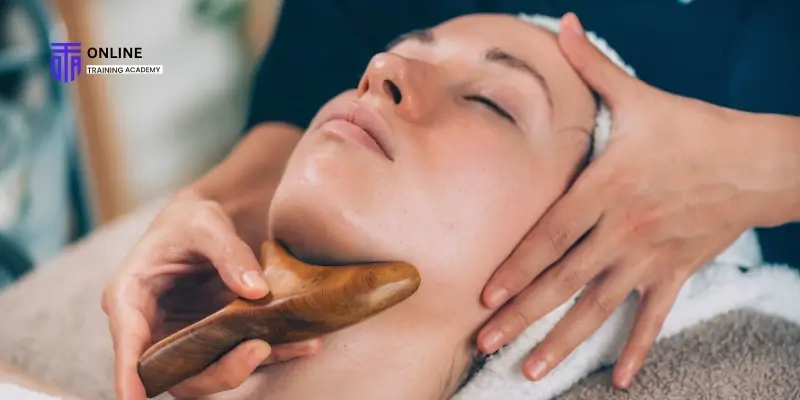
Although the technique is gentle, regular lymphatic massage can provide several noticeable benefits.
Reduces Puffiness and Swelling
By encouraging the movement of lymph fluid, facial massage helps reduce fluid retention that causes puffiness, especially around the eyes and cheeks.
Improves Skin Tone and Circulation
Better circulation means more oxygen and nutrients reach skin cells, leading to a healthier, brighter complexion.
Enhances Facial Contours
As swelling decreases, natural facial features such as the jawline and cheekbones may appear more defined.
Supports Detoxification
Lymphatic drainage helps remove waste products and toxins that accumulate in tissues.
Relieves Stress and Facial Tension
The slow, rhythmic movements of lymphatic massage can also be deeply relaxing, helping release tension stored in facial muscles.
Step-by-Step Face Lymphatic Drainage Routine for Beginners
You don’t need complicated techniques to benefit from lymphatic drainage. A short routine performed consistently can make a noticeable difference.
Step 1: Open the Chest and Collarbone Area
Before working on the face, it’s important to prepare the drainage pathways.
Place your fingers gently above the collarbone and massage downward toward the collarbone using soft strokes. Repeat about 10–15 times.
This helps stimulate lymph nodes that will receive fluid from the face and neck.
Step 2: Massage the Neck
Place your hands just under your ears on each side of your neck.
Gently stretch the skin backward and downward toward the base of the neck.
Repeat the movement slowly 10–15 times.
This step helps move lymph fluid away from the face and toward the body’s drainage points.
Step 3: Sculpt the Jawline
Using your thumbs, start under your chin and glide them along the jawline toward the earlobes.
Lift your fingers and repeat the movement about 8–10 times.
This technique helps reduce fluid buildup under the chin while creating a more defined jawline.
Step 4: Drain the Cheeks
Place your fingers beside the nose and gently glide them outward along the cheekbones toward the ears.
Repeat the movement several times using light pressure.
This helps move fluid away from the center of the face and reduces mid-face puffiness.
Step 5: Depuff the Under-Eye Area
The skin around the eyes is delicate, so movements must be very gentle.
Use your fingertips to lightly tap or sweep from the inner corner of the eye toward the temples.
This helps reduce under-eye swelling and improve circulation.
Step 5: Depuff the Under-Eye Area
The skin around the eyes is delicate, so movements must be very gentle.
Use your fingertips to lightly tap or sweep from the inner corner of the eye toward the temples.
This helps reduce under-eye swelling and improve circulation.
Step 6: Relax the Forehead
Place your fingers above your eyebrows and gently glide upward toward the hairline.
These upward strokes help release tension in the forehead and promote lymphatic movement.
Final Step: Sweep Down the Neck
Finish the routine by sweeping your hands from the sides of the face down the neck toward the collarbone.
This ensures that lymph fluid has a clear pathway to leave the facial area.
How Often Should Beginners Do Lymphatic Drainage at Home?
Consistency matters more than intensity.
Most experts recommend performing facial lymphatic drainage for 5 to 10 minutes a day.
Morning Routine
Morning massage helps reduce overnight fluid retention, making the face look more refreshed.
Evening Routine
Evening massage can relax facial muscles and support the body’s natural nighttime repair process.
Consistency Is Key
Short daily sessions tend to produce better results than occasional long treatments.
Over time, regular massage may improve skin tone, facial contour, and circulation.
What Should You Avoid During Face Lymphatic Drainage?

Although lymphatic drainage is generally safe, there are a few important precautions.
Avoid Excess Pressure
Pressing too hard can irritate the skin and disrupt the gentle lymphatic vessels.
Always keep pressure light.
Do Not Massage Areas with Infection
Avoid massage if you notice signs such as:
- redness spreading across the skin
- warmth or tenderness
- swelling accompanied by pain
- fever or chills
These may indicate infection and require medical attention.
Stop if You Feel Pain
Lymphatic drainage should always feel gentle and comfortable.
If the massage causes pain, stop immediately.
Avoid Open Wounds or Skin Irritation
Do not perform massage over cuts, sores, or inflamed skin.
How to Make Face Lymphatic Drainage Part of Your Daily Routine
One of the easiest ways to stay consistent is to integrate the technique into habits you already have.
Combine It with Your Skincare Routine
Massage while applying cleanser, serum, or facial oil.
This saves time and makes the process feel natural.
Do It During Relaxation Time
Some people prefer doing lymphatic massage while:
- watching television
- taking a warm shower
- winding down before bed
- fever or chills
Use Facial Tools
Tools such as gua sha stones, facial cups, or dry brushes can enhance lymphatic stimulation when used correctly.
Turn It Into a Self-Care Ritual
Instead of seeing it as another skincare step, treat lymphatic massage as a moment of relaxation and mindfulness.
Your Face Already Knows How to Heal—You Just Need to Help It
Most skincare advice focuses on adding more products—new serums, stronger creams, or complicated routines.
But sometimes, better skin isn’t about adding something new.
Sometimes it’s about helping your body do what it was already designed to do.
Your lymphatic system is quietly working every day to clear waste, move fluids, and keep tissues balanced. With just a few minutes of gentle massage, you’re simply giving that system a little guidance.
Think of face lymphatic drainage as clearing traffic from a busy city street. Once the pathways open and everything starts moving again, the difference becomes visible: less puffiness, smoother contours, and skin that looks naturally refreshed.
And the best part?
The tool you need most is already in your hands.
FAQs
Yes. When done regularly, lymphatic drainage can reduce puffiness, improve circulation, and enhance facial appearance.
Many people notice reduced puffiness immediately after massage, while long-term improvements develop with consistent practice.
Yes, as long as the technique uses light pressure and gentle movements.
No. Your fingers work perfectly well, although tools like gua sha can be helpful.
It may reduce fluid retention under the chin, making the jawline appear more defined.
Yes. Daily sessions of about 5–10 minutes are generally safe and effective.
Avoid massage if you have active infections, wounds, severe inflammation, or fever.
Learn More





Get a FREE Course
- Learn useful skills online free
- Get CPD accredited certificate
- Add it to your CV today!