
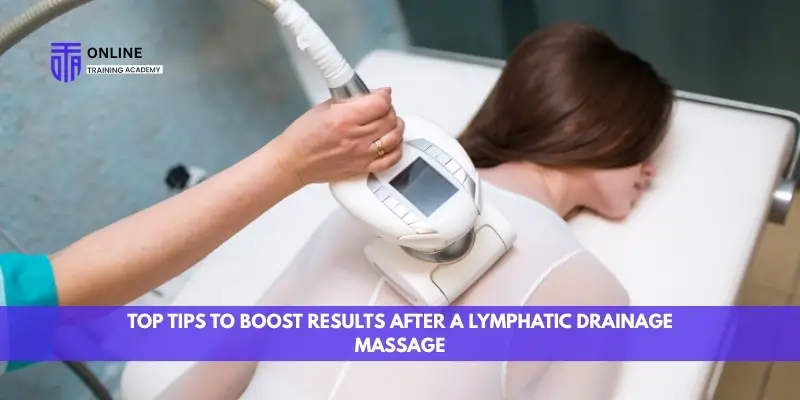
Lymphatic drainage massage has become increasingly popular for its ability to support the body’s natural detoxification process, reduce swelling, and improve circulation. Whether you’ve received this treatment to reduce puffiness, recover from surgery, or simply improve your overall wellness, the benefits can be significant. However, many people don’t realize that what you do after your massage session plays a major role in how effective the treatment will be.
The lymphatic system is responsible for removing toxins, waste, and excess fluid from the body. During a lymphatic drainage massage, gentle rhythmic movements stimulate the flow of lymph fluid through the lymph vessels and nodes. This process helps reduce congestion, supports immune function, and encourages detoxification.
But the treatment itself is only part of the process. After your session, your body continues working to process and eliminate the toxins and fluids that were mobilized during the massage. That’s why proper aftercare is essential. Simple habits like staying hydrated, eating supportive foods, and getting enough rest can significantly enhance the benefits of your treatment.
In this guide, we’ll explore the top tips to boost results after a lymphatic drainage massage, along with important aftercare practices, common side effects, and things you should avoid to ensure your body gets the maximum benefit from your session.
Top Tips to Boost Results After a Lymphatic Drainage Massage
After a lymphatic drainage massage, the body begins actively processing the fluids and toxins that were stimulated during the treatment. Supporting your body with the right habits can help maximize the benefits and prevent lymphatic congestion from returning.
Below are some of the most effective ways to enhance your results.
Hydrate Properly After Your Massage
Hydration is one of the most important steps you can take after a lymphatic drainage massage. Lymph fluid is made mostly of water, and proper hydration helps keep it flowing smoothly through the lymphatic system.
When you are dehydrated, lymph fluid becomes thicker and moves more slowly. This can lead to congestion, swelling, and discomfort. Drinking enough water ensures that the toxins released during the massage can be properly filtered through the kidneys and liver.
Without sufficient hydration, some people may experience symptoms such as headaches, fatigue, or bloating. These are often signs that the body needs more fluids to support the detoxification process.
Hydrate Properly After Your Massage
After your lymphatic drainage session, it’s recommended to:
- Drink 1–2 extra glasses of water within the first two hours
- Continue sipping water throughout the rest of the day
- Aim for 2–3 liters of water daily over the next several days
Some people also benefit from adding electrolytes, especially if they feel lightheaded or depleted.
Drinks to Avoid
Certain beverages can reduce the effectiveness of the treatment. Try to avoid the following for at least 24 hours:
- Alcohol
- Excess caffeine
Both substances can cause dehydration and place extra stress on the body while it is working to eliminate toxins.
Table of Contents
Top Tips to Boost Results After a Lymphatic Drainage Massage
“Top Tips to Boost Results After a Lymphatic Drainage Massage” article guides readers on maximising benefits post-massage, including improving circulation, enhancing relaxation, supporting detoxification, simple follow-up techniques, and practical daily tips to maintain wellness and improve overall lymphatic health.
Support Lymph Flow With Gentle Movement
Unlike the circulatory system, the lymphatic system does not have a pump like the heart to move fluid through the body. Instead, it relies heavily on muscle movement and body motion to keep lymph circulating.
This means that gentle activity after your massage can help maintain the lymphatic flow stimulated during your session.
Best Activities After Your Massage
Light movement helps encourage circulation without overwhelming the body. Good options include:
- A 10–20 minute walk
- Gentle stretching
- Restorative yoga
- Light mobility exercises
These activities help keep lymph fluid moving while reinforcing the effects of the massage.
What Activities Should You Avoid?
For the first 24 hours after your lymphatic drainage massage, avoid strenuous exercise such as:
- High-intensity workouts
- Heavy weightlifting
- High-impact cardio
Overexertion can increase inflammation in the body and may counteract some of the benefits of the treatment. This is especially important for individuals receiving lymphatic drainage massage as part of post-surgery recovery, where the body needs additional time to heal.
Eat Clean and Supportive Foods
Your diet plays an important role in how effectively your body processes toxins and maintains healthy fluid balance. After a lymphatic drainage massage, focusing on anti-inflammatory foods can help support the detoxification pathways already activated during the treatment.
Foods That Support Lymphatic Drainage
Choose nutrient-rich, whole foods such as:
- Leafy greens like spinach, kale, and arugula
- Berries and citrus fruits
- Ginger and turmeric
- Lean proteins such as fish, chicken, and legumes
These foods help reduce inflammation, support circulation, and assist the body in eliminating waste.
Foods to Limit After Your Massage
For the first 24–48 hours after treatment, try to limit:
- Processed foods
- Excess sodium
- Refined sugar
- Alcohol
These foods can cause water retention and inflammation, which may slow lymphatic circulation and diminish the benefits of your massage.
Prioritize Rest and Recovery
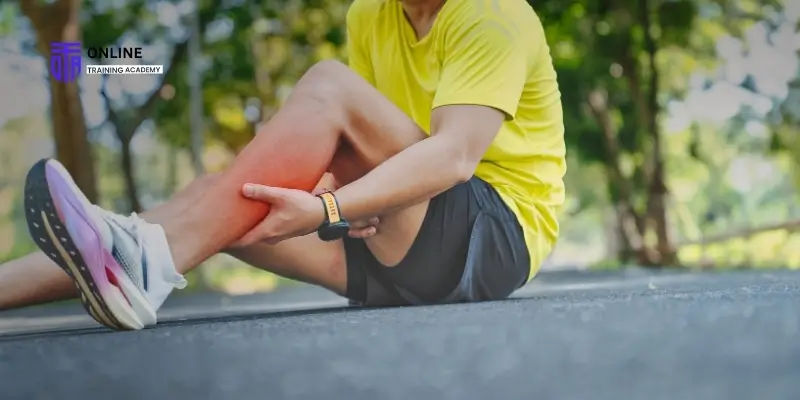
It’s common to feel slightly tired after a lymphatic drainage massage. This fatigue is not a negative reaction. Instead, it often reflects the body’s natural response as the nervous system relaxes and the detoxification process begins.
Your body needs time to process the increased lymph circulation created during the session.
Listen to Your Body
Some people may notice temporary changes after their massage, including:
- Mild fatigue
- Increased urination
- Emotional release
- Subtle mood shifts
These reactions indicate that the body is adjusting to improved lymph flow and beginning to eliminate toxins.
Sleep and Recovery Tips
To support recovery after your massage:
- Aim for 7–9 hours of sleep
- Avoid screens before bedtime
- Take a warm (not hot) shower to relax your muscles
Proper rest allows the lymphatic and immune systems to function more efficiently and helps extend the benefits of the massage.
Maintain Results Between Massage Sessions
Supporting your lymphatic system between treatments can help maintain results and prevent fluid buildup.
Dry Brushing
Dry brushing is a simple technique that involves brushing the skin with a natural bristle brush in upward strokes toward the heart. This method may help stimulate lymph flow while also exfoliating the skin.
Contrast Showers
Alternating between warm and cool water during a shower can stimulate circulation and encourage lymph movement.
Deep Diaphragmatic Breathing
Deep breathing exercises help activate the diaphragm, which naturally encourages lymph flow through the body.
Suggested Treatment Frequency
For first-time clients, many practitioners recommend:
- Weekly sessions for 3–4 weeks
- Followed by maintenance sessions every 3–4 weeks
This schedule helps the body adapt gradually while improving overall lymphatic efficiency.
Why Aftercare Is Important After a Lymphatic Drainage Massage
Many people focus only on the massage itself, but aftercare is equally important for achieving the best results.
The Lymphatic System Continues Working After the Session
A lymphatic drainage massage stimulates the movement of lymph fluid and mobilizes stored waste and toxins. Once these substances are moved into circulation, the body must process and eliminate them through natural detoxification pathways.
Aftercare Supports Detoxification
Proper aftercare helps key organs perform their roles effectively. Hydration supports the kidneys, while nutritious foods assist the liver in processing toxins. Gentle movement helps maintain fluid circulation throughout the lymphatic vessels.
Without supportive habits, toxins may remain in circulation longer, which can lead to temporary discomfort such as fatigue or headaches.
Aftercare Helps Maintain Long-Term Results
Consistent aftercare practices can help:
- Reduce swelling and puffiness
- Prevent lymphatic stagnation
- Improve energy levels
- Support immune function
In other words, the choices you make after your massage determine how long the benefits will last.
6 Things to Avoid After a Lymphatic Drainage Massage
Certain habits can interfere with the lymphatic system while it is working to process toxins and restore balance.
1. Strenuous Exercise
Intense workouts immediately after treatment can increase inflammation and overwhelm the body during recovery.
2. Alcohol
Alcohol dehydrates the body and increases the toxin load the liver must process.
3. Excess Caffeine
Too much caffeine may contribute to dehydration and disrupt lymphatic flow.
4. Junk Food and Processed Meals
Highly processed foods often contain large amounts of sodium and sugar, which can increase inflammation and fluid retention.
5. Hot Baths or Saunas
High heat can overstimulate circulation right after treatment. Stick to warm showers instead.
6. Tight Clothing
Tight garments may restrict lymphatic flow. Loose, comfortable clothing allows the body to recover more effectively.
Common Side Effects After a Lymphatic Drainage Massage
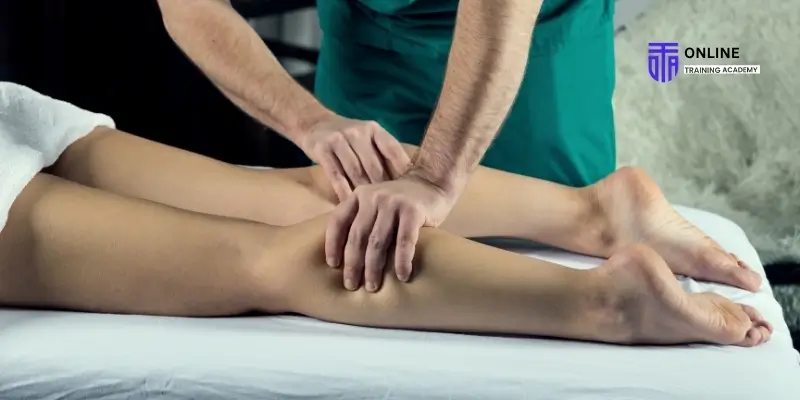
Most side effects following a lymphatic drainage massage are mild and temporary.
1. Temporary Headaches
These can occur if the body becomes dehydrated during the detoxification process.
2. Increased Thirst
Feeling thirsty is a sign that your body needs more water to support fluid balance.
3. Mild Fatigue
Fatigue often reflects the body’s natural detox response and usually resolves within 24–48 hours.
4. Increased Urination
As the body eliminates toxins and excess fluid, urination may temporarily increase.
5. When to Seek Medical Advice
Although rare, you should contact a healthcare professional if you experience:
- Persistent swelling
- Severe pain
- Red or hot skin
- Shortness of breath
- Symptoms lasting longer than 48 hours
Conclusion
Lymphatic drainage massage is a powerful therapy that supports the body’s natural detoxification process, improves circulation, and reduces swelling. However, the true benefits of the treatment depend largely on how well you care for your body afterward.
Simple habits like drinking enough water, eating nutritious foods, moving gently, and getting sufficient rest can significantly enhance the results of your session. At the same time, avoiding alcohol, intense exercise, processed foods, and tight clothing can prevent unnecessary strain on the lymphatic system.
By following these aftercare tips and maintaining healthy habits between sessions, you can extend the benefits of your lymphatic drainage massage and support long-term lymphatic health.
With consistent care and attention, your body will continue to feel lighter, more energized, and better balanced long after your massage session ends.
Ready to Learn Lymphatic Drainage Like a Pro?
While these tips help boost results after a massage, professional training can teach you how to perform Lymphatic Drainage Massage Therapy safely and effectively—on yourself or others. Explore certified courses to master the gentle, precise techniques that make lymphatic drainage so beneficial.
FAQs
Drink plenty of water, engage in light movement like walking, eat nutritious foods, and allow your body time to rest and recover.
Water is the best option. Staying hydrated helps flush toxins and supports lymphatic circulation.
Most practitioners recommend drinking at least 24 ounces of additional water immediately after the massage.
Yes, but only gentle activities such as walking or stretching. Avoid intense exercise for at least 24 hours.
Yes. Mild fatigue is common and typically occurs because the body is working to process toxins.
Results may last several days or even weeks depending on lifestyle habits, hydration, and treatment frequency.
Many practitioners recommend weekly sessions initially, followed by maintenance treatments every few weeks.
Feather-light—just enough to move the skin, not deeper tissue.
Learn More





Get a FREE Course
- Learn useful skills online free
- Get CPD accredited certificate
- Add it to your CV today!