

Introduction
Have you noticed how cryotherapy is becoming a common feature in wellness clinics, sports recovery centres, and aesthetic practices? As interest in cold therapy continues to grow, so does the demand for people who understand how to use it safely and effectively. Naturally, many beginners are asking the same question: is cryotherapy training worth it?
The answer depends on your career goals, the quality of the training, and how you plan to use your new skills. For some, it can complement an existing role in health and wellness, while for others, it may be the first step toward a new career path.
This guide explores what cryotherapy training involves, what you’ll learn, who it’s best suited for, and the key factors to consider before enrolling. By the end, you’ll have the information you need to decide whether it’s the right investment for your future.
Table of Contents
Cryotherapy Training
Cryotherapy Training provides practical knowledge of cryotherapy principles, safety procedures, treatment applications, client assessment, contraindications, and aftercare. Learn how cold therapy supports recovery, pain management, and overall wellbeing while developing the confidence to deliver treatments safely and professionally.
Is Cryotherapy Training Worth It? A Straightforward Answer
For many beginners, cryotherapy training can be worthwhile, but only when it aligns with realistic career goals and a genuine interest in health, wellness, or recovery services. It’s not a shortcut to instant success or a guarantee of employment. Instead, it’s an opportunity to develop specialized knowledge that can complement existing skills or support a new career direction.
Before deciding whether cryotherapy training is worth your investment, ask yourself a few important questions:
➽ Do you enjoy working directly with clients?
➽ Are you interested in learning about safe treatment practices?
➽ Would adding cryotherapy knowledge strengthen your current role or future career plans?
➽ Are you prepared to continue learning as research and industry practices evolve?
If your answer to most of these questions is yes, the training may offer meaningful long-term value.
The Short Answer: It Depends on Your Goals
People choose cryotherapy training for different reasons. Some are already working in wellness and want to expand the services they offer. Others are exploring a new career and are looking for specialized knowledge that sets them apart.
Cryotherapy training may be a good fit if you are:
- A massage therapist interested in recovery-focused services
- A fitness or sports professional supporting active clients
- An aesthetic practitioner expanding treatment options
- Someone exploring opportunities in wellness or rehabilitation settings
However, it may not be the right investment if you’re expecting a certificate alone to create immediate career opportunities. Employers and clients generally value a combination of education, practical understanding, professionalism, and a commitment to safe practice.
Why More People Are Considering Cryotherapy Training
Interest in cryotherapy has increased alongside the growing popularity of recovery-focused wellness. Athletes, fitness enthusiasts, and individuals managing certain types of discomfort often seek treatments that may support recovery, reduce muscle soreness, or complement broader wellness routines.
As demand for these services grows, many practitioners see cryotherapy training as an opportunity to broaden their expertise. Rather than replacing existing treatments, cryotherapy is often incorporated into a wider range of recovery and wellness services.
This growing interest has also encouraged more education providers to offer cryotherapy training, making it easier for beginners to explore the field through flexible learning options.
What "Worth It" Really Means
When people ask whether cryotherapy training is worth it, they often focus on the course fee. While cost is an important consideration, the real value extends beyond the initial investment.
A well-designed course helps you understand:
- The science behind cryotherapy
- When cryotherapy may or may not be appropriate
- How to prioritize client safety
- How to communicate realistic expectations
- Professional responsibilities when providing cryotherapy services
These skills contribute to greater confidence and credibility, particularly for practitioners who want to provide informed, client-centred care.
Instead of viewing cryotherapy training as simply earning another certificate, think of it as building knowledge that supports better decision-making and safer practice.
What Is Cryotherapy Training and What Will You Actually Learn?
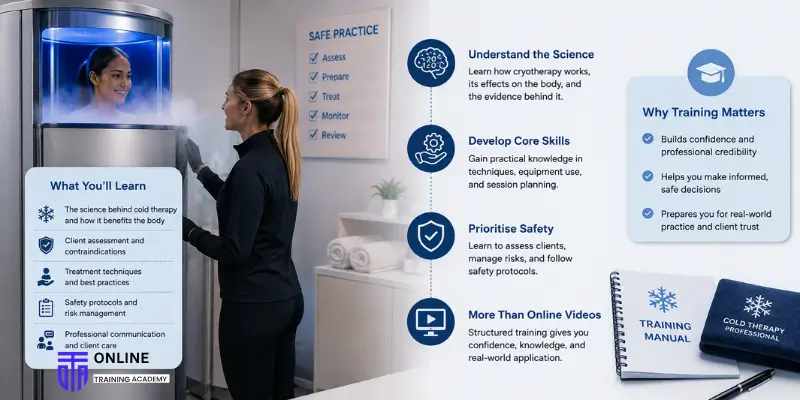
Many beginners assume cryotherapy training is simply about learning how to operate equipment. In reality, a comprehensive course covers much more than treatment techniques. It introduces the scientific principles behind cold therapy while emphasizing client assessment, safety, and responsible practice.
Understanding these fundamentals helps practitioners make informed decisions rather than relying on assumptions or marketing claims.
Understanding How Cryotherapy Works
Cryotherapy involves exposing targeted areas of the body—or, in some cases, the entire body—to very cold temperatures for a short period. The body’s natural response to cold can influence circulation, inflammation, and pain perception, which is why cryotherapy is commonly discussed in sports recovery and wellness settings.
Healthcare providers may also use localized forms of cryotherapy to remove abnormal tissue, such as certain skin lesions or warts. These medical procedures differ significantly from the whole-body or wellness-focused cryotherapy offered in recovery clinics.
Understanding this distinction is one of the first lessons beginners should learn. Cryotherapy isn’t a single treatment but a collection of techniques used for different purposes depending on the setting and the individual’s needs.
A quality cryotherapy training course explains:
- The physiological effects of cold exposure
- Common applications of cryotherapy
- Potential benefits and limitations
- Situations where cryotherapy should be avoided
- The importance of evidence-informed practice
This foundation helps learners understand not just how cryotherapy works, but why safety and proper client assessment are essential.
Core Skills You'll Develop During Training
One of the biggest misconceptions about cryotherapy training is that it focuses only on treatment delivery. In reality, effective training develops a much broader skill set.
Depending on the course, beginners often learn how to:
- Conduct client consultations and gather relevant health information
- Identify common contraindications and situations requiring caution
- Explain procedures clearly and answer client questions
- Prepare equipment according to recommended protocols
- Monitor clients throughout treatment
- Provide appropriate aftercare guidance
- Maintain accurate treatment records
These skills support a professional approach to client care and help reduce avoidable risks.
Why Safety Is Just as Important as Technique
Knowing how to perform a treatment is only part of the job. Understanding when not to perform it is equally important.
Every client brings different health considerations. Factors such as certain cardiovascular conditions, cold sensitivity disorders, open wounds, or other medical concerns may influence whether cryotherapy is appropriate. Learning to recognize these situations helps practitioners make informed decisions and refer clients for medical advice when necessary.
A strong training program emphasizes:
- Client screening before treatment
- Recognizing contraindications
- Infection prevention and hygiene
- Equipment safety
- Emergency procedures
- Clear documentation
These topics may not seem as exciting as learning treatment techniques, but they’re often what distinguish knowledgeable practitioners from inexperienced ones.
Training vs. Learning from Online Videos
With so much free information available online, it’s natural to wonder whether formal cryotherapy training is necessary. While videos and articles can introduce the basics, they often lack the structure and depth needed to build practical knowledge.
A quality training course covers essential topics such as cryotherapy science, client assessment, contraindications, and safety protocols in a logical, evidence-informed way. This helps learners understand not just how cryotherapy works, but when and how it should be used responsibly.
Beyond technical knowledge, structured training develops critical thinking, communication, and professional judgement. These skills help practitioners make informed decisions and deliver safe, client-centred care.
Who Should Consider Cryotherapy Training?
Many people assume cryotherapy training is only for healthcare professionals or elite sports practitioners, but that’s not the case. Learners from a range of health, wellness, fitness, and beauty backgrounds choose this training to expand their knowledge and services.
The key is whether the course aligns with your career goals and interests. Beyond learning treatment techniques, cryotherapy training emphasizes client safety, communication, and responsible practice.
Beginners Exploring a Career in Wellness
If you’re new to the wellness industry, cryotherapy training can provide a solid introduction to one of today’s most talked-about recovery methods. You’ll gain an understanding of the science behind cold therapy, learn how practitioners assess clients, and discover why safe treatment practices are just as important as technical knowledge.
While training alone won’t make someone an expert overnight, it can help beginners build confidence and develop a stronger foundation before moving into more advanced learning or complementary qualifications.
Health and Wellness Professionals Looking to Expand Their Skills
Cryotherapy training can also be valuable for professionals who already work with clients and want to broaden their expertise.
Examples include:
- Massage therapists interested in supporting post-exercise recovery
- Personal trainers working with active clients
- Strength and conditioning coaches
- Sports recovery practitioners
- Wellness consultants
- Aesthetic practitioners who offer complementary wellness services
For these professionals, cryotherapy may become one part of a wider service offering rather than a standalone treatment. Expanding your knowledge can also help you have more informed conversations with clients who are curious about cold therapy and its potential applications.
Who May Want to Explore Other Options First
Cryotherapy training isn’t the right choice for everyone, and recognizing that can save both time and money.
You may want to postpone enrolling if you:
➽ Expect the course to guarantee employment or higher income
➽ Aren’t interested in working directly with clients
➽ Prefer avoiding ongoing education and skill development
➽ Want a qualification without learning the science and safety principles behind the treatment
The most successful learners tend to view cryotherapy training as part of a broader professional development journey rather than a quick career shortcut.
A Simple Self-Assessment Before You Enrol
Before committing to any course, ask yourself these questions:
- Am I genuinely interested in health, wellness, or recovery services?
- Do I enjoy helping people and communicating clearly?
- Am I comfortable following safety procedures and professional guidelines?
- Am I willing to continue learning as research evolves?
- Would this training complement my current career or future goals?
If you answered “yes” to most of these questions, cryotherapy training could be a worthwhile addition to your learning journey.
What Makes Cryotherapy Training Valuable Beyond the Certificate?
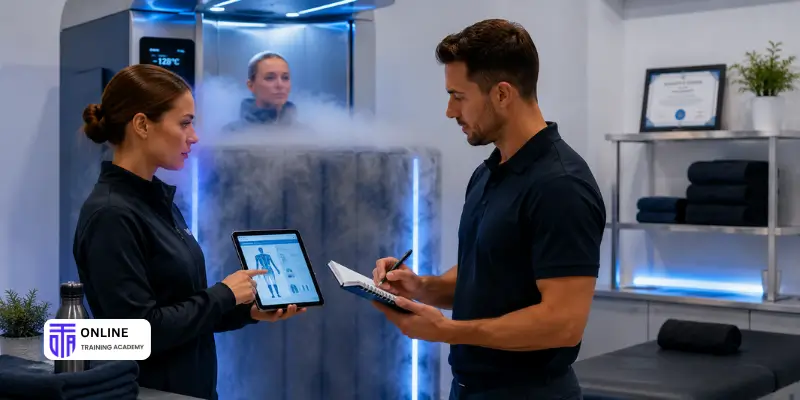
When comparing courses, it’s easy to focus on the certificate you’ll receive at the end. However, experienced practitioners know that the real value lies in the knowledge, judgement, and confidence you gain throughout the learning process.
A certificate may demonstrate that you’ve completed a course, but your ability to apply what you’ve learned responsibly is what builds trust with employers, colleagues, and clients.
Building Confidence Through Structured Learning
Confidence doesn’t come from memorizing procedures—it comes from understanding why those procedures matter.
A well-designed cryotherapy training course helps learners connect theory with practice by covering topics such as:
- How the body responds to cold exposure
- Client consultation techniques
- Recognizing when treatment may not be appropriate
- Communicating expected outcomes realistically
- Monitoring clients throughout a session
Developing this understanding allows beginners to make informed decisions instead of relying on assumptions or copying what they’ve seen online.
Learning to Balance Benefits with Risks
Cryotherapy is often promoted for its potential to support muscle recovery, reduce temporary soreness after exercise, and contribute to a broader wellness routine. Some people also report feeling refreshed or energized following treatment.
However, responsible practitioners understand that cryotherapy isn’t a universal solution, and research continues to explore its effectiveness for different applications.
Training should therefore encourage a balanced perspective by discussing both potential benefits and possible risks.
Potential benefits may include:
- Supporting post-exercise recovery
- Helping manage temporary muscle soreness
- Complementing rehabilitation programs when appropriate
- Providing an additional wellness option for suitable clients
At the same time, learners should understand that cryotherapy may not be suitable for everyone. Certain medical conditions, sensitivity to cold, or other health concerns may require additional assessment or medical advice before treatment.
Understanding both sides of the discussion helps practitioners provide honest, evidence-informed guidance rather than making exaggerated promises.
Skills Employers and Clients Value
One area often overlooked by competitor articles is what employers actually expect from someone who has completed cryotherapy training.
In many settings, technical knowledge is only part of the equation. Employers and clients also appreciate practitioners who demonstrate professionalism and sound judgement.
Valued skills include:
- Effective communication
- Thorough client consultations
- Attention to safety protocols
- Understanding contraindications
- Professional ethics
- Accurate documentation
- Respect for client comfort and privacy
These transferable skills remain valuable even as industry trends and technologies continue to evolve.
How Cryotherapy Fits Within a Broader Wellness Approach
Another important lesson beginners should understand is that cryotherapy rarely works in isolation.
Many practitioners incorporate it alongside other evidence-informed approaches such as:
- Exercise programming
- Stretching and mobility work
- Massage therapy
- Recovery planning
- Healthy lifestyle habits
Viewing cryotherapy as one component of a comprehensive wellness strategy encourages more realistic expectations and supports better client outcomes.
Questions to Ask Before Choosing a Cryotherapy Training Course
Not all cryotherapy training courses are created equal. While many programs cover the basics, the depth of content, teaching quality, and focus on safety can vary considerably.
Rather than choosing a course based solely on price or marketing claims, take time to evaluate whether it provides the knowledge and support you actually need.
Does the Curriculum Cover More Than Treatment Techniques?
A strong course should go beyond explaining how cryotherapy works. Look for a curriculum that also includes:
- Human anatomy and physiology
- Client assessment methods
- Contraindications and precautions
- Infection prevention
- Communication skills
- Ethical practice
- Record keeping
- Aftercare recommendations
These topics help learners understand the responsibilities that come with providing cryotherapy services.
Is the Course Suitable for Beginners?
If you’re completely new to the subject, check whether the course is designed for entry-level learners.
Consider questions such as:
- Are there any prerequisites?
- Is the content explained clearly?
- Can you learn at your own pace?
- Does the course build knowledge step by step?
- Are assessments included to reinforce learning?
A beginner-friendly course should make complex topics easier to understand without oversimplifying important safety information.
Will the Training Help You Apply Your Knowledge?
Some courses focus heavily on theory but offer little guidance on applying that knowledge in real-world situations.
Look for learning experiences that encourage you to think critically about:
- Conducting client consultations
- Recognizing situations that require caution
- Explaining procedures clearly
- Responding professionally to client questions
- Documenting treatments accurately
Developing these practical thinking skills can help you feel more prepared when interacting with clients.
Red Flags That May Indicate a Poor-Quality Course
Finally, be cautious of programs that make unrealistic promises or provide very little information about what you’ll actually learn.
Potential warning signs include:
- Claims that the certificate guarantees employment
- Little or no emphasis on safety or contraindications
- Vague curriculum descriptions
- Outdated or unsupported information
- Overly promotional language without educational detail
Choosing a reputable course takes a little extra research, but it’s an investment that can pay off in the quality of your education and your confidence as a future practitioner.
Common Misconceptions About Cryotherapy Training
As cryotherapy becomes more popular, so do the misconceptions surrounding it. Social media posts, marketing campaigns, and personal testimonials can make the field seem straightforward, but cryotherapy training involves far more than learning how to use cold therapy equipment.
Understanding what the training does—and doesn’t—offer can help you make a more informed decision and avoid unrealistic expectations.
"Completing One Course Makes You an Expert"
A certificate is an important milestone, but it marks the beginning of your learning journey rather than the end.
Like many areas of health and wellness, cryotherapy requires ongoing learning. New research continues to improve our understanding of how cold therapy may support recovery, pain management, and overall wellness. Staying informed helps practitioners provide evidence-informed care and adapt to evolving best practices.
Experienced practitioners also develop their expertise through real-world experience, continuing education, and regular reflection on their practice.
"Cryotherapy Is Suitable for Everyone"
One of the most important lessons covered in quality cryotherapy training is that treatments should never follow a one-size-fits-all approach.
Before recommending or providing cryotherapy, practitioners should consider factors such as:
- The client's medical history
- Current health conditions
- Sensitivity to cold
- Treatment goals
- Potential contraindications
Some individuals may not be suitable candidates for cryotherapy, which is why client screening and informed decision-making are essential parts of responsible practice.
"More Cold Means Better Results"
It’s easy to assume that colder temperatures or longer sessions automatically produce better outcomes. However, that’s not how cryotherapy works.
Treatment recommendations are based on established protocols rather than the idea that “more is better.” Excessive exposure to cold can increase risks without necessarily improving results.
Quality training helps learners understand how to follow recommended procedures, monitor clients carefully, and prioritize safety over intensity.
"Training Guarantees Employment"
Perhaps the biggest misconception is that completing cryotherapy training automatically leads to a new job or a higher income.
In reality, employers often consider a combination of factors, including:
- Relevant education
- Practical knowledge
- Communication skills
- Professional attitude
- Previous experience
- Commitment to continuing education
For self-employed practitioners, success also depends on business skills, client relationships, and maintaining high standards of care.
Cryotherapy training can strengthen your qualifications, but it works best as part of a broader professional development plan.
Is Cryotherapy Training the Right Next Step for You?
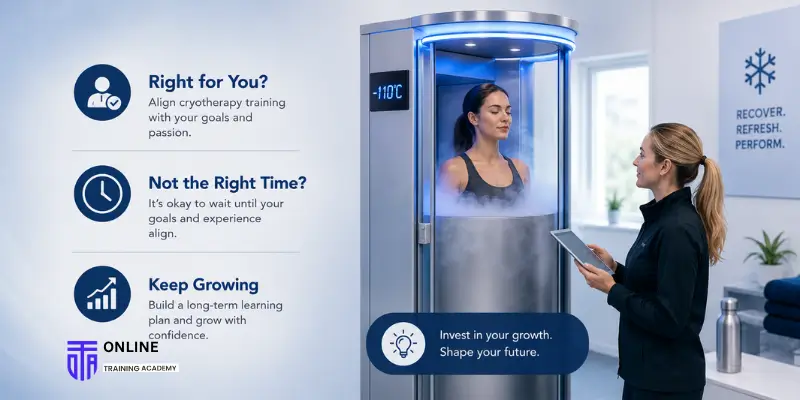
After learning what cryotherapy training involves, the remaining question is whether it’s the right fit for your personal and professional goals.
Rather than asking whether the course is “worth it” in general, it’s more helpful to ask whether it’s worth it for you.
Signs You're Ready to Invest in Training
Cryotherapy training may be a worthwhile next step if you:
- Enjoy learning about health and wellness.
- Want to expand your knowledge in recovery-focused care.
- Value evidence-informed practice over trends.
- Feel comfortable working closely with clients.
- Understand the importance of safety and professional responsibility.
- See cryotherapy as one part of a broader career plan.
People who approach training with realistic expectations often gain the most value because they’re focused on building long-term skills rather than looking for quick results.
When It Might Be Better to Wait
There are also situations where delaying enrolment may be the wiser decision.
For example, you may want to wait if:
➽ You’re still deciding which area of health or wellness interests you most.
➽ You’re expecting the course to guarantee employment.
➽ You’re unwilling to commit to ongoing learning.
➽ You’re choosing a course based solely on marketing claims rather than curriculum quality.
Taking time to research different learning options can help ensure that your investment aligns with your future goals.
Creating a Long-Term Learning Plan
The most successful practitioners rarely stop learning after earning a certificate.
As the industry evolves, continuing education can help you:
- Stay informed about new research.
- Refresh your understanding of safety standards.
- Improve client communication skills.
- Expand your knowledge of complementary recovery approaches.
- Build greater confidence in professional practice.
Viewing cryotherapy training as the foundation of a lifelong learning journey often leads to more sustainable career growth than treating it as a one-time qualification.
Conclusion
Whether cryotherapy training is worth it depends on your career goals, interests, and commitment to learning. A quality course offers more than a certificate—it helps you build the knowledge, safety awareness, and confidence needed to use cryotherapy responsibly.
Before enrolling, compare course content carefully and choose a program that aligns with your long-term goals. The right training can be a valuable step toward expanding your skills and supporting clients with safe, evidence-informed care.
FAQs
Not always. Many introductory cryotherapy courses are designed for beginners and welcome learners from a variety of backgrounds. However, entry requirements vary, so it’s important to review the course details before enrolling.
Online articles and videos can introduce basic concepts, but structured training provides a more comprehensive understanding of cryotherapy science, client assessment, contraindications, safety procedures, and professional responsibilities. Formal courses also present information in a logical sequence that’s easier for beginners to follow.
Depending on your existing qualifications and local regulations, cryotherapy training may complement careers in wellness centres, sports recovery clinics, fitness facilities, massage therapy, rehabilitation support, and aesthetic practices. It can also be valuable for practitioners looking to expand their current service offerings.
Most beginner-friendly courses are designed to explain concepts step by step. While topics such as anatomy, physiology, and safety require careful study, learners who stay engaged and practice critical thinking generally find the material manageable.
Look for a course that covers more than treatment techniques. A strong curriculum should include cryotherapy science, client screening, contraindications, safety protocols, communication skills, ethical practice, and aftercare guidance. Transparent learning outcomes and up-to-date content are also good indicators of course quality.
Yes. Cryotherapy isn’t appropriate for everyone, and understanding potential risks is a key part of responsible practice. Quality training should teach learners how to identify contraindications, conduct client assessments, follow safety procedures, and recognize when referral to a healthcare professional may be appropriate.
The duration depends on the course provider and learning format. Some introductory online courses can be completed within a few days of part-time study, while more comprehensive programs may require several weeks. Always review the course structure to understand the expected study commitment.
Learn More


Get a FREE Course
- Learn useful skills online free
- Get CPD accredited certificate
- Add it to your CV today!