
Have you ever woken up with a puffy face, swollen hands, or legs that feel heavier than usual? You might have blamed it on a salty meal or a restless night’s sleep—but often, the real culprit is your lymphatic system. This silent, hard-working network keeps your body hydrated, fights infections, and removes toxins. Unlike your heart, which pumps blood continuously, the lymphatic system relies on gentle pressure, movement, and massage to flow efficiently.
When the system slows down—due to surgery, injury, long periods of sitting, or just stress—you may notice:
- Puffiness in your hands, feet, or face that doesn’t go away
- Tight or stiff joints, especially in the mornings
- Brain fog or fatigue
- Slow recovery from exercise or surgery
Lymphatic Drainage Massage (LDM) can help restore flow, reduce swelling, and support overall health. Done incorrectly, it can be harmful. Done properly, it’s transformative. This guide will walk you through the science, the risks, step-by-step techniques, exercises, lifestyle habits, and routines that make lymphatic massage effective and safe.
Understanding the Lymphatic System: Your Body’s Hidden Network
Think of your lymphatic system as a network of rivers and streams flowing throughout your body. It collects excess fluid, filters out toxins, and returns clean lymph to the bloodstream.
Key Components:
- Lymph Fluid: Clear-to-milky fluid carrying white blood cells that fight infections.
- Lymph Nodes: Small, bean-shaped filters located in the neck, armpits, groin, and behind the knees. They trap bacteria, viruses, and cellular waste.
- Lymph Vessels: Thin, branching “highways” transporting fluid from tissues to nodes, eventually returning it to the bloodstream.
- The Terminus: Located at the base of the neck, this is where lymph enters the circulatory system—think of it as your system’s main drain.
How It Works
Lymph fluid moves slowly through one-way valves in the vessels. Unlike blood, it has no pump (like the heart) and relies on muscle movement, deep breathing, and massage to flow. When flow is impaired, fluid backs up, causing swelling, heaviness, or puffiness.
Analogy: Imagine a city with clogged drains. No matter how much water comes in, it stagnates and overflows. LDM is like sending a cleaning crew to gently clear the pipes.
Conditions That Benefit From Lymphatic Drainage Massage
LDM isn’t just a cosmetic or spa treatment; it’s clinically recognized for several conditions:
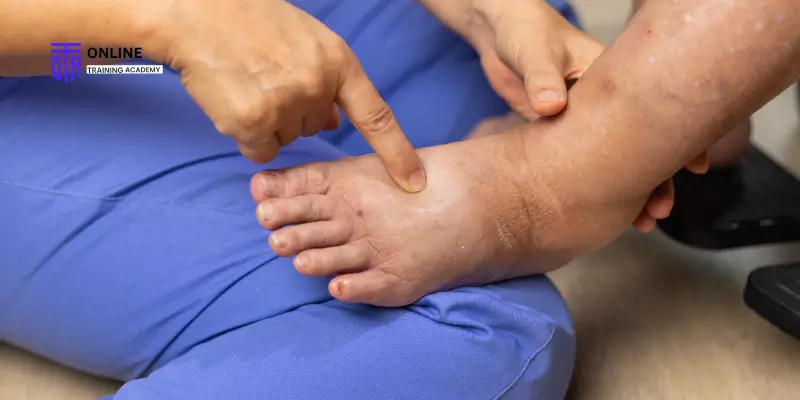
- Lymphedema: Chronic swelling, often after lymph node removal due to cancer. Massage helps prevent fluid buildup and eases discomfort.
- Fibromyalgia: Gentle lymph stimulation reduces inflammation and hypersensitivity, improving mobility and comfort.
- Chronic Venous Insufficiency: Supports veins in returning blood from the legs to the heart.
- Post-Surgical Recovery: Reduces seromas (fluid pockets), bruising, and speeds up healing after surgeries like liposuction or orthopedic procedures.
- Sinusitis: Neck node stimulation can relieve congestion in sinus cavities
Real-life example: Sarah, 42, noticed persistent swelling in her hands after a minor wrist surgery. With gentle daily lymphatic massage, combined with light exercise, her hands returned to normal size within three weeks.
Even if you don’t have these conditions, LDM can improve circulation, reduce puffiness, and support overall wellness.
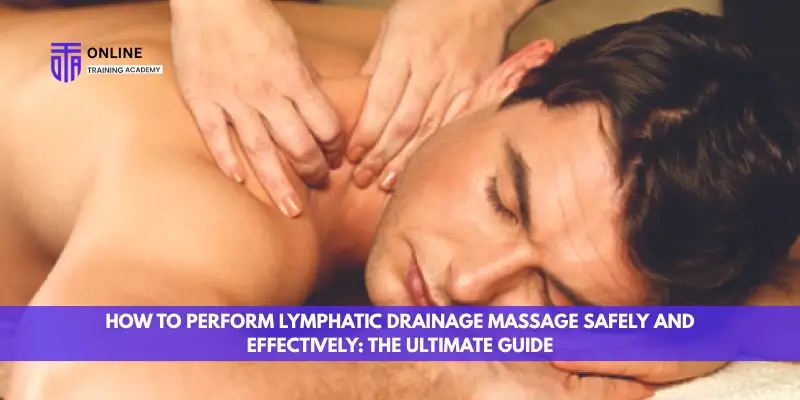
How to Perform Lymphatic Drainage Massage Safely and Effectively: The Ultimate Guide
The “How to Perform Lymphatic Drainage Massage Safely and Effectively: The Ultimate Guide” article helps readers learn the basics of lymphatic drainage massage, including safe techniques, key benefits, simple step-by-step guidance, and important tips to support relaxation, circulation, and overall wellness.
How Do You Know You Need a Lymphatic Drainage Massage?
Not every bloating or swelling is a lymph problem. Look for these signs:
- Persistent puffiness: Swelling in face, hands, or ankles that doesn’t resolve overnight.
- Stemmer’s sign: You can’t pinch the skin on the top of your second toe or finger—this may indicate lymphedema.
- Brain fog or fatigue: Difficulty concentrating or feeling lethargic can indicate slow lymph flow.
- Tight joints: Fluid in tissues can make joints stiff, especially in the mornings.
- Slow recovery after surgery or injury: Excess fluid can slow healing.
Safety First: Risks and Complications
Lymphatic massage moves fluid into the bloodstream, so safety is crucial. Avoid LDM if you have:
- Congestive heart failure (CHF): Excess fluid can overload the heart.
- Active infections (cellulitis, fever): Massage could spread infection deeper into the body.
- Blood clots (DVT): Massaging a clot could dislodge it, causing a pulmonary embolism.
- Kidney failure: Extra fluid may overwhelm kidneys
Always consult your doctor before trying LDM if you have chronic conditions or recent surgery.
Can You Perform Lymphatic Drainage Massage Yourself?
Yes, but with caution. Home LDM is generally safe for:
- Clinical lymphedema
- Post-surgery recovery
- Conditions that affect circulation
- Minor swelling in hands, feet, or face
- Morning puffiness
Professional care is recommended for:
Professionals understand “watersheds,” boundaries in your skin that guide fluid flow. DIY massage should be gentle, slow, and always move fluid toward the heart.
Step-by-Step DIY Lymphatic Drainage Massage
Here’s a detailed guide for home massage, with variations for face, arms, and legs.
Face Massage:
- Open the neck drain: Gently sweep hands down the sides of the neck.
- Activate nodes: Massage under the jawline and near the ears.
- Sweep cheeks outward: From nose to ears.
- Forehead: Light upward strokes from center to temples.
- Eyes: Very gentle circular motions around orbital bones.
Tip: Feather-light pressure—almost like moving a coin on the skin. Repeat 3–5 times.
Arm Massage:
- Open axillary nodes (armpits).
- Sweep from fingertips → elbows → armpits.
- Repeat 5–10 times per arm.
Leg Massage:
- Open inguinal nodes (groin).
- Sweep from toes → knees → groin
- Repeat slowly, 5–10 times per leg.
A Day in the Life of a Lymph Drop
Imagine a drop of fluid at your fingertip:
Fingertip → Lymph capillary → Small vessels → Axillary node → Terminus (neck) → Bloodstream → Kidney → Bladder
- Stimulation: Gentle massage pushes the drop into a capillary.
- Transit: Travels through vessels, passing filters
- Filtration: Immune cells check for toxins.
- Integration & excretion: Joins bloodstream and is filtered by kidneys
Practical tip: Feeling the urge to urinate after a session is normal—it’s your body clearing excess fluid.
Exercises That Boost Lymphatic Flow
Because lymph lacks a pump, muscles act as natural engines:
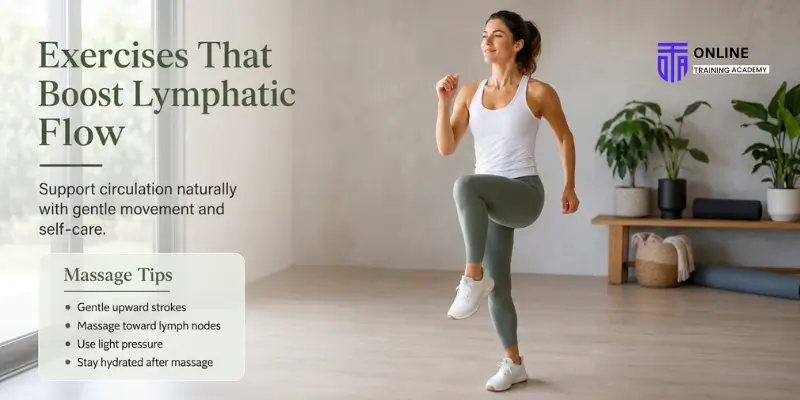
- Rebounding: Mini-trampoline bouncing opens lymph valves
- Diaphragmatic breathing: Deep belly breaths pull fluid toward the terminus.
- Ankle pumps: Flexing and extending feet clears lower-leg fluid.
- Gentle stretching: Promotes overall circulation.
Extra tip: Moving even lightly throughout the day—short walks, stretches, or yoga—keeps lymph flowing efficiently.
Morning, Afternoon, and Evening Lymph Routines
Morning (puffy face wake-up):
- Diaphragmatic breathing – 1–2 min
- Neck sweep – gentle downward strokes
- Face massage – upward and outward sweeps
- Ankle pumps – 1–2 min lying down
- Hydration – drink a glass of water
Afternoon (desk slump reset):
- Shoulder rolls – open lymph nodes in armpits
- Wrist and hand sweeps – release tension
- Gentle back stretch – improves thoracic lymph flow
Evening (wind-down):
- Leg elevation – lie down, legs on a wall for 5–10 min
- Light foot/ankle massage – encourages evening drainage
- Deep breathing – promotes relaxation and lymph movement
When to Call the Doctor
While gentle lymphatic drainage massage is generally safe, it’s important to know when your body is sending warning signals. Some symptoms indicate that fluid buildup could be linked to an underlying medical condition, and delaying care could worsen the situation. Seek professional help if you notice any of the following:
1. Sudden or Worsening Puffiness
Not all swelling is created equal. Occasional puffiness—like after a salty meal—is normal, but sudden or persistent swelling can be a sign that your lymphatic system or circulatory system is under stress.
- Why it matters: Rapid fluid accumulation can indicate lymph blockage, kidney issues, or heart-related problems.
- What to do: Track when and where the swelling occurs. If it appears suddenly in the hands, feet, face, or abdomen, contact your healthcare provider promptly. Don’t try to force it away with massage alone.
2. Tight Joints or Inability to Move Extremities
If your wrists, fingers, knees, or ankles suddenly feel stiff, heavy, or difficult to move, it could be more than normal morning stiffness.
- Why it matters: Swelling in the tissues can compress joints and nerves, reducing mobility. In some cases, it may signal lymphedema progression or fluid accumulation due to circulatory issues.
- What to do: Stop massage and movement in the affected area. Seek medical evaluation to rule out serious conditions, especially if the stiffness is accompanied by pain or redness.
3. Red, Hot, or Leathery Skin
Changes in your skin’s appearance can indicate infection or inflammation. Redness, warmth, and a leathery texture are warning signs that shouldn’t be ignored.
- Why it matters: These could be symptoms of cellulitis (a bacterial skin infection) or other inflammatory conditions. Massage over infected areas can push bacteria deeper into the body, increasing the risk of sepsis.
- What to do: Stop any lymphatic massage immediately. Contact your healthcare provider. Do not try to self-treat with creams or home remedies if you notice these changes.
4. Swelling with Shortness of Breath
If swelling in your limbs or face is accompanied by difficulty breathing, chest tightness, or a feeling of heaviness in the lungs, seek urgent medical attention.
- Why it matters: This can be a sign of heart or lung complications, such as congestive heart failure or pulmonary edema. These conditions can be life-threatening if untreated.
- What to do: Call emergency services immediately. Avoid attempting massage or home remedies until a doctor clears you.
Keep a simple diary of swelling patterns, joint stiffness, or skin changes. This makes it easier for your healthcare provider to understand your symptoms and recommend safe treatments.
By recognizing these warning signs early, you can prevent complications and ensure your lymphatic massage routine remains safe and effective.
Long-Term Lymphedema Management
Massage is part of a holistic approach:
- Compression garments: Often more important than massage itself.
- Avoid extreme heat: Saunas or hot tubs can worsen swelling.
- Exercise: Walking, yoga, Pilates, and light strength training support lymph flow.
- Hydration & diet: Anti-inflammatory foods, high water intake, and limiting excess salt.
- Mindful movement: Slow, intentional stretches or yoga can complement massage.
Can Exercise Reverse Lymphedema?
The short answer: No, exercise cannot reverse lymphedema completely, but it is still one of the most effective ways to manage and reduce symptoms. Here’s why and how it helps:
Why Exercise Helps
Lymphedema occurs when lymph fluid builds up in the tissues because the lymphatic system is damaged or blocked. While exercise cannot repair damaged lymph nodes or vessels, it does:
- Stimulate lymph flow: Muscle contractions act like a natural pump, gently pushing lymph fluid toward open pathways.
- Improve mobility: Lymphedema often causes stiffness or heaviness; movement keeps joints flexible.
- Support circulation: Healthy blood flow complements lymph drainage, keeping tissues nourished and reducing discomfort.
Types of Beneficial Exercise
Some exercises are particularly effective for people with lymphedema:
- Low-impact cardio: Walking, cycling, or swimming helps the body move fluid without overstraining joints.
- Resistance training: Light weights or resistance bands strengthen muscles that support lymphatic flow. Start slowly and increase gradually.
- Stretching and yoga: Gentle stretches improve flexibility and promote fluid movement. Yoga poses that elevate limbs (like legs up the wall) are especially helpful.
- Rebounding: A mini-trampoline can stimulate lymph valves throughout the body.
Tip: Always start with short sessions and gradually increase intensity. If swelling worsens, stop and consult your healthcare provider.
What Exercise Can’t Do
While helpful, exercise cannot cure lymphedema:
- It cannot repair damaged lymph nodes or vessels.
- It is not a substitute for compression garments, professional massage, or medical treatment when needed.
- It cannot eliminate lymphedema entirely, especially if it is advanced.
Consider Mary, a 55-year-old breast cancer survivor with mild arm lymphedema. By doing daily resistance exercises and gentle yoga, her arm swelling became minimal, allowing her to carry out daily tasks comfortably. She hasn’t “reversed” the lymphedema, but the symptoms are manageable, and she experiences far less discomfort.
Quick Safety Table
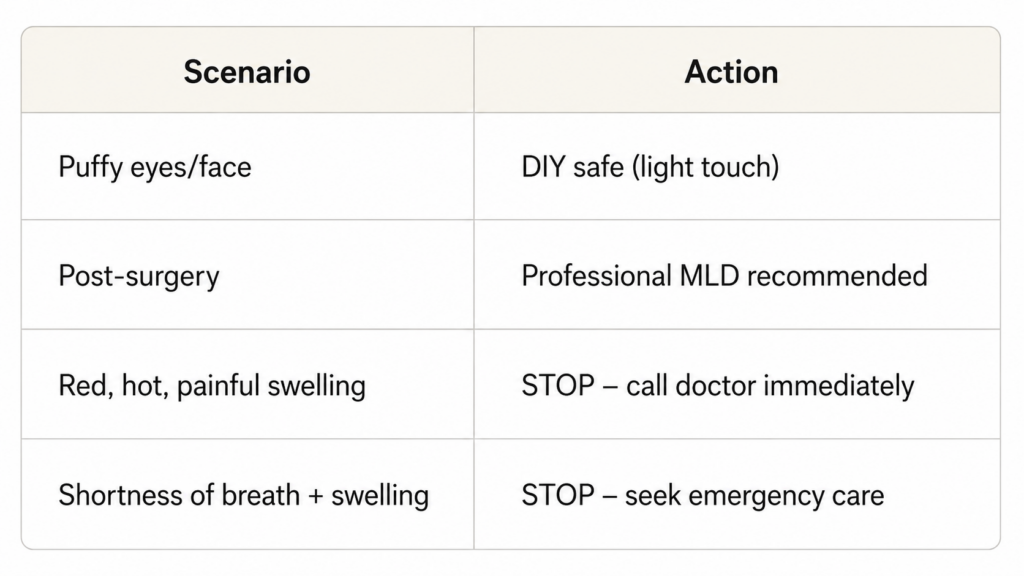
FAQs
Yes, gentle sessions are safe for minor swelling, but professional guidance is best for serious conditions.
No—pressure is light, rhythmic, and slow. Pain means you’re pressing too hard.
Yes, oils or serums help your fingers glide.
Absolutely. Hydration aids kidney function and lymph flow.
Mild puffiness may improve after a few sessions; post-surgical or chronic swelling can take weeks.
No—LDM is safe for most adults; children should be supervised by a professional.
It can reduce risk in post-surgical patients but doesn’t eliminate it entirely.
Feather-light—just enough to move the skin, not deeper tissue.
Learn More




Get a FREE Course
- Learn useful skills online free
- Get CPD accredited certificate
- Add it to your CV today!