



Finding someone to care for your dog is not just about hiring help. It is about trusting someone with your pet’s safety, routine, and well-being when you are not there. Many owners choose a pet sitter or dog walker based on convenience, price, or a personal recommendation. While those factors matter, they should never be the only criteria.
A poor choice can lead to missed medications, unsafe walks, stress-related behavior changes, or serious emergencies handled badly. A strong choice can give your dog stability, reduce anxiety, and give you peace of mind. The difference often comes down to knowing what to look for before you hire.
This guide explains how to evaluate pet sitters and dog walkers, what red flags to avoid, what professional standards matter, and how to choose care that truly fits your dog’s needs.
How Do You Choose a Good Pet Sitter or Dog Walker?
The first mistake many owners make is judging based on personality alone. Someone may seem warm, friendly, and clearly love animals, but that does not automatically make them qualified to care for your dog. Good pet care depends on judgment, preparation, and experience.
Start by evaluating safety knowledge. Ask practical questions about how the sitter handles emergencies, dog fights during walks, leash escapes, illness symptoms, or medication schedules. A qualified professional should answer clearly and confidently, with specific procedures rather than vague reassurances.
Next, assess experience based on your dog’s needs. Not all dogs require the same kind of care. A senior dog with mobility issues, a reactive rescue, a high-drive working breed, or a young puppy all present different challenges. You want someone who has worked with dogs like yours, not simply someone who has “owned dogs before.”
Professional standards matter as well. Strong candidates often carry insurance, use written service agreements, maintain emergency protocols, and may hold certifications in pet first aid or CPR. These details may seem small, but they often separate serious professionals from casual hobby sitters.
Before making a final decision, arrange a meet-and-greet or trial walk. This gives you a chance to observe how the person interacts with your dog and how your dog responds in return. A trial visit often reveals far more than an interview.
Advanced Pet Sitting and Dog Walking
The Advanced Pet Sitting and Dog Walking course explores responsible pet care, safe dog walking practices, animal behaviour, and professional techniques to help learners provide confident, reliable care for pets in a variety of everyday situations.
Table of Contents
What Are the Red Flags in a Pet Sitter or Dog Walker?
Red flags often appear early, but many owners miss them.
One major warning sign is resistance to questions. If someone seems irritated when you ask about insurance, safety procedures, or emergency planning, take that seriously. Professionals expect responsible owners to ask those questions.
Another concern is lack of structure. If a sitter has unclear pricing, no written agreement, inconsistent communication, or vague service boundaries, that often points to poor reliability.
Safety shortcuts are another serious warning sign. A dog walker who takes too many dogs at once, uses poor leash control, or allows uncontrolled dog-to-dog greetings may be exposing your dog to unnecessary risks.
Behavior around dogs also matters. A sitter who uses harsh corrections, yells, ignores signs of fear, or forces interaction with nervous dogs may lack the judgment needed for safe care.
Even after hiring, continue paying attention. If your dog begins showing unusual stress, resists going with the sitter, or comes home unusually anxious, those changes may signal a problem worth investigating.
What Are the Signs of a Good Dog Sitter?
Strong pet sitters often stand out in practical ways. They pay attention to behavior. They notice when a dog is stressed, overstimulated, uncomfortable, or tired. Rather than forcing a rigid routine, they adjust based on what the dog needs. They communicate well. Good sitters provide updates, share concerns promptly, and do not hide problems. If something unusual happens, they tell you. They also follow instructions carefully. Whether it is medication schedules, feeding routines, or house security procedures, they respect the details you provide. Perhaps most importantly, good sitters often improve a dog’s routine rather than simply maintain it. Walks may become calmer. Anxiety may decrease. Structure may improve. Those outcomes often reflect real skill.
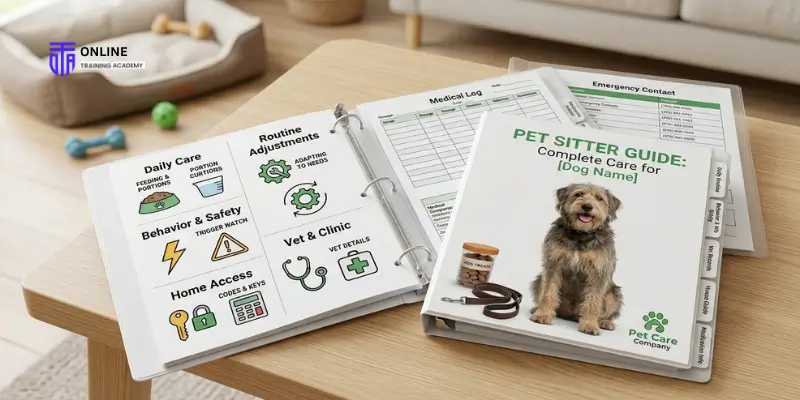
Even experienced pet sitters need clear instructions. The more information you provide, the easier it is for them to follow your dog’s routine and respond well if something unexpected happens. A simple written guide, whether on paper or in a digital note, can prevent confusion and reduce mistakes. Here is the key information to leave for a pet sitter:
Daily Care Instructions
Include the basics of your dog’s routine, such as:
- Feeding schedule and portion sizes
- Medication instructions and dosage
- Walking schedule and exercise needs
- Bathroom routine
- Sleeping arrangements
- Treat rules or food restrictions
These details can help prevent accidents and reduce stress for your dog.
Behavior and Safety Notes
Share anything your sitter should know about your dog’s behavior, including:
- Fear triggers, such as thunder or strangers
- Reactivity toward dogs or people
- Escape habits, like slipping out doors or harnesses
- Resource guarding or food aggression
- Anxiety when left alone
- Any unusual habits or warning signs
Passive measures buy time by slowing the fire.
Emergency Information
Leave all important emergency contacts in one place, including:
- Your veterinarian’s name and phone number
- The nearest emergency animal clinic
- A backup emergency contact
- Your travel contact information
- Instructions for urgent medical decisions if you cannot be reached
This information can save time during a real emergency.
Home and Access Details
Make sure your sitter has practical information about your home, such as:
- Keys, door codes, or alarm instructions
- Wi-Fi password if needed for updates
- Trash, lights, or house care expectations
- Pet supply locations, including food, leash, medications, and cleaning supplies
This helps avoid confusion during visits.
Use a Pet Care Binder or Digital Care Sheet
Many owners keep everything in one document or binder. This can include routines, contacts, vet records, and care instructions. Having everything organized in one place makes life easier for your sitter and adds an extra layer of protection for your dog.
What Safety Rules Should a Dog Walker Follow?
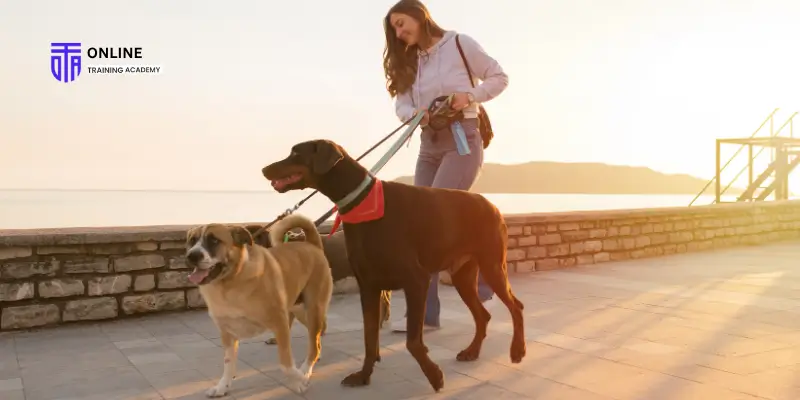
A professional dog walker should follow clear safety standards.
One useful example is the 5-second rule for pavement temperature. If pavement is too hot for the back of your hand for five seconds, it is too hot for your dog’s paws. A competent walker should understand and use this principle.
Public walking safety also matters. Good walkers maintain control, avoid unnecessary risks, and manage dog encounters carefully. They do not assume every dog should greet every other dog.
Environmental awareness is another critical part of safety. Heat, cold, broken glass, toxic substances, and traffic hazards all require attention. Walkers should assess conditions rather than treat every walk the same.
Preparedness matters too. A professional should have a plan for injuries, loose dogs, and emergency situations. Safety is not just avoiding problems. It is knowing how to respond when problems happen.
Professional Pet Sitter vs Friends or Family: Which Is Better?
Many owners rely on friends or family for pet care, often to save money or because it feels more comfortable. Sometimes that works well. Sometimes it does not. The difference often comes down to systems and accountability.
Friends may care deeply about your dog, but they may not have experience managing emergencies, following structured routines, or handling behavioral challenges. Professional sitters often bring stronger procedures, clearer communication, and better risk management.
That does not mean friends are always the wrong choice. For low-needs pets and short absences, they may be fine. The better question is not whether one option costs less.
It is which option best protects your dog if something unexpected happens. That question usually leads to a smarter decision.
Conclusion
Choosing a pet sitter or dog walker is ultimately a decision about trust, competence, and risk management. It is easy to focus on price, convenience, or who seems the most friendly during a first meeting, but those factors alone do not tell you how someone will perform when your dog refuses medication, slips a leash, or faces an unexpected emergency.
The right pet sitter does more than complete a checklist. They protect routines, recognize stress signals, follow instructions carefully, and make sound decisions when you are absent. A skilled dog walker does more than provide exercise. They manage safety, read behavior, avoid preventable risks, and help support your dog’s physical and emotional well-being. That is the real standard to use when hiring. Anyone can claim they love dogs. Not everyone has the judgment, preparation, and experience to care for one well when it matters most.
Taking time to ask better questions, verify qualifications, and watch for red flags may feel like extra work now, but it can prevent serious problems later. In many cases, the quality of the care you choose affects not only your peace of mind, but your dog’s safety, comfort, and long-term trust. A good pet sitter helps while you are away. A great one makes sure your dog feels secure until you return. That is worth choosing carefully.
FAQs
Check references, reviews, insurance, certifications, and how they answer practical safety questions. Trust should be based on evidence.
Yes. Insurance is an important sign of professionalism and can protect against liability issues.
It depends on your dog’s temperament, routine needs, and comfort level. Many dogs do better at home, while some do well in structured boarding.
Pet first aid, CPR, and recognized pet care certifications are valuable indicators of training.
Investigate the cause, review what may have changed, and consider switching providers if concerns continue.
Learn More





Get a FREE Course
- Learn useful skills online free
- Get CPD accredited certificate
- Add it to your CV today!