

Introduction
After a challenging workout or a sports injury, recovery often becomes the biggest obstacle to getting back to normal activities. While rest, nutrition, and rehabilitation all play important roles, cryotherapy has become an increasingly popular option for supporting muscle recovery and managing pain. However, the effectiveness of cryotherapy depends not only on the treatment itself but also on the knowledge and skills of the person providing it.
This is where cryotherapy training makes a difference. Quality training helps practitioners understand when cryotherapy may be appropriate, how it works, and how to use it safely as part of a broader recovery plan. Instead of relying on trends or assumptions, trained practitioners learn to make informed decisions based on each client’s needs.
In this guide, we’ll explore how cryotherapy training supports muscle recovery and pain management, what practitioners learn during training, and why proper education is essential for delivering safe, evidence-informed care.
Table of Contents
Cryotherapy Training
Cryotherapy Training provides practical knowledge of cryotherapy principles, safety procedures, treatment applications, client assessment, contraindications, and aftercare. Learn how cold therapy supports recovery, pain management, and overall wellbeing while developing the confidence to deliver treatments safely and professionally.
How Does Cryotherapy Training Support Muscle Recovery and Pain Management?
Cryotherapy training gives practitioners the knowledge to understand how cold therapy affects the body and how it can be used responsibly to support recovery. Rather than simply teaching treatment techniques, a well-designed course focuses on client assessment, recovery planning, and evidence-informed practice.
For people recovering from exercise or certain injuries, cryotherapy may help manage temporary discomfort and complement other recovery strategies. Training prepares practitioners to decide when cryotherapy may be appropriate, recognize situations where additional caution is needed, and communicate realistic expectations to clients.
The Short Answer
Cryotherapy training supports muscle recovery and pain management by helping practitioners:
- Understand how the body responds to cold exposure.
- Assess whether cryotherapy is suitable for individual clients.
- Apply recovery principles safely and responsibly.
- Recognize potential risks and contraindications.
- Integrate cryotherapy with other recovery approaches.
Instead of viewing cryotherapy as a standalone solution, trained practitioners learn how it fits into a broader plan focused on client well-being.
Why Muscle Recovery Is More Than Relieving Soreness
Many people associate recovery with reducing muscle soreness after exercise, but effective recovery involves much more than that.
Recovery aims to help the body restore normal function, maintain mobility, and prepare for future activity. Depending on the individual’s goals, it may involve reducing temporary discomfort, supporting rehabilitation, improving movement, or helping someone return to training gradually.
Cryotherapy can play a supportive role in this process, but it works best alongside other recovery strategies such as appropriate exercise, stretching, hydration, sleep, and healthy nutrition.
The Importance of Evidence-Informed Practice
One of the most valuable aspects of cryotherapy training is learning to separate evidence from marketing claims.
Current research suggests that cryotherapy may help with short-term muscle soreness and temporary pain relief for some individuals. However, evidence for certain claims—such as significantly improving athletic performance or providing long-term relief for chronic conditions—is still developing.
Quality training encourages practitioners to communicate these findings honestly. Rather than promising guaranteed results, they learn to explain both the potential benefits and the limitations of cryotherapy, helping clients make informed decisions about their recovery.
How Does Cryotherapy Work to Support Recovery?
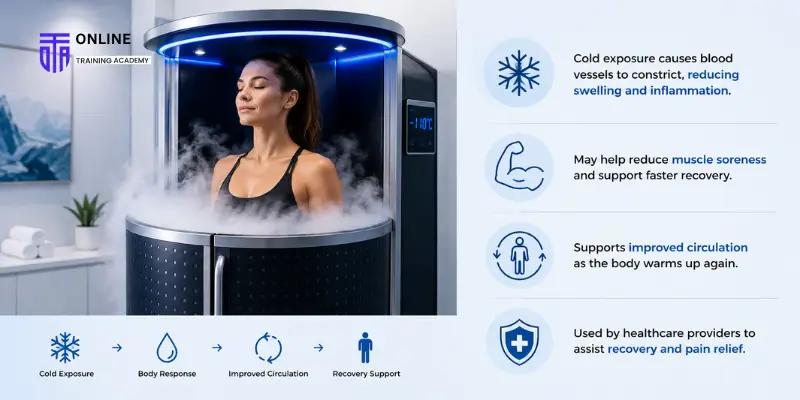
Understanding how cryotherapy works is an important part of professional training. When the body is exposed to cold temperatures for a controlled period, it responds through several natural physiological processes that may support recovery and temporary pain relief.
Rather than focusing only on treatment techniques, cryotherapy training explains why these responses occur and how they may vary between individuals.
The Body's Response to Cold Exposure
Cold exposure causes blood vessels near the skin to narrow temporarily, helping the body conserve heat. Once the treatment ends, circulation gradually returns to normal. These responses are believed to contribute to some of cryotherapy’s recovery effects, although research continues to explore exactly how different techniques influence healing and performance.
Cryotherapy may also affect how the body perceives pain, which is one reason it is commonly used in sports recovery and wellness settings.
Common Cryotherapy Methods
During training, practitioners learn about different approaches to cryotherapy and when each may be appropriate.
The most common methods include:
➽ Localized cryotherapy, which targets a specific area of the body.
➽ Whole-body cryotherapy, where individuals are briefly exposed to extremely cold temperatures in a specialised chamber.
➽ Ice-based applications, which may be used in certain recovery settings.
Understanding these methods helps practitioners choose an approach that aligns with a client’s recovery goals while considering individual needs and safety.
Why Healthcare Providers Use Cryotherapy
Cryotherapy is used in different ways depending on the setting.
In healthcare, medical professionals may use localized cryotherapy to remove abnormal tissue, such as certain skin lesions or warts. In sports recovery and wellness settings, cryotherapy is more commonly used to support recovery, help manage temporary muscle soreness, or complement rehabilitation programs.
Recognizing these different applications is important because medical cryotherapy and wellness cryotherapy serve different purposes and require different levels of expertise.
Potential Benefits and Current Limitations
Cryotherapy continues to attract interest because of its potential to:
- Support muscle recovery after exercise.
- Help manage temporary pain and soreness.
- Complement broader rehabilitation or wellness plans.
At the same time, trained practitioners understand that cryotherapy is not a cure-all. It should be viewed as one tool within a comprehensive recovery strategy rather than a replacement for appropriate medical care, rehabilitation, or healthy lifestyle habits.
What Does Cryotherapy Training Teach About Client Assessment?
Successful cryotherapy sessions begin long before any cold therapy is applied. One of the most important parts of cryotherapy training is learning how to assess each client and determine whether the treatment is appropriate for their individual needs.
Rather than following the same approach for everyone, trained practitioners learn to evaluate health history, recovery goals, and potential risks before recommending cryotherapy. This client-centred approach helps improve safety and supports better outcomes.
Understanding Recovery Goals
People seek cryotherapy for different reasons. Some want to ease muscle soreness after an intense workout, while others are recovering from a sports injury or looking for temporary pain relief.
Training teaches practitioners to identify these goals and understand how cryotherapy may fit into a broader recovery plan. Setting realistic expectations from the start also helps clients understand what the treatment can—and cannot—achieve.
Assessing the Individual Before Treatment
Every client responds differently to cold therapy, which is why a thorough assessment is essential.
During cryotherapy training, practitioners learn how to review factors such as:
- Medical history
- Current symptoms
- Previous injuries
- Activity level
- Recovery objectives
- Possible contraindications
This information helps determine whether cryotherapy is suitable or whether another approach—or further medical advice—may be more appropriate.
Acute vs. Chronic Pain
Understanding the difference between acute and chronic pain is another important part of training.
Acute pain usually develops after a recent injury or strenuous exercise and often improves as the body heals. Cryotherapy may help manage temporary discomfort during this stage as part of an overall recovery plan.
Chronic pain, on the other hand, lasts much longer and can have many underlying causes. While cryotherapy may provide temporary relief for some people, it should not be viewed as a standalone solution. Practitioners learn to set realistic expectations and encourage clients to follow advice from their healthcare providers when managing ongoing conditions.
Communicating with Clients
Technical knowledge alone isn’t enough. Effective communication is a key skill that helps practitioners build trust and improve the client experience.
Training often includes guidance on how to:
- Explain how cryotherapy works
- Discuss potential benefits and limitations
- Answer common client questions
- Provide clear aftercare advice
- Encourage clients to report any unusual reactions
Strong communication helps clients make informed decisions and supports a more professional standard of care.
How Cryotherapy Training Helps Practitioners Deliver Better Recovery Support
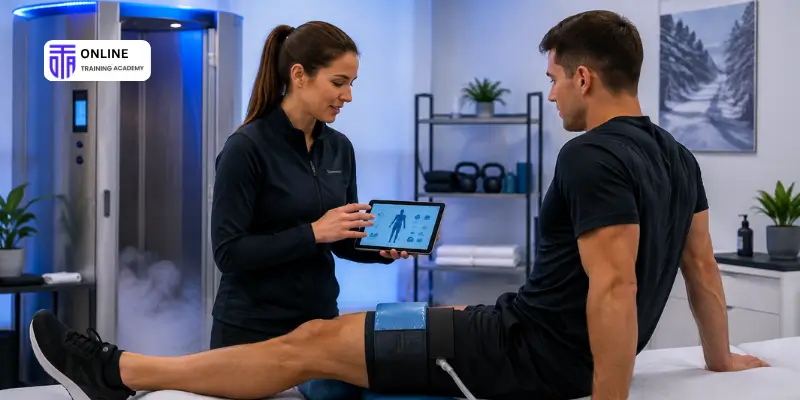
Cryotherapy works best when it’s part of a well-rounded recovery strategy rather than the only treatment being used. Quality training helps practitioners understand how cold therapy can complement other recovery methods and how to adapt their approach to individual clients.
Integrating Cryotherapy into a Recovery Plan
Recovery is influenced by many factors, including exercise, nutrition, hydration, sleep, and rehabilitation. Cryotherapy may support this process, but it is rarely the only intervention needed.
Trained practitioners learn how cryotherapy can work alongside:
- Stretching and mobility exercises
- Strength and conditioning programs
- Massage therapy
- Rehabilitation exercises
- Healthy recovery habits
Looking at recovery as a whole allows practitioners to provide more balanced recommendations instead of relying on a single treatment method.
Monitoring Client Progress
Recovery doesn’t always follow the same timeline for every individual. That’s why cryotherapy training emphasizes the importance of monitoring progress rather than assuming one treatment plan fits everyone.
Practitioners learn to observe:
- Changes in pain levels
- Muscle soreness
- Range of motion
- Client feedback
- Overall recovery progress
This ongoing assessment helps determine whether cryotherapy continues to support the client’s goals or whether adjustments should be considered.
Documentation and Professional Practice
Accurate documentation is an important but often overlooked part of cryotherapy training.
Keeping clear records helps practitioners:
- Track treatment sessions
- Record client responses
- Monitor progress over time
- Support continuity of care
- Maintain professional standards
Good documentation also demonstrates a thoughtful and organized approach to client care.
A Real-World Example
Imagine a recreational runner who completes a half marathon and experiences significant muscle soreness the following day.
Instead of immediately recommending cryotherapy, a trained practitioner first discusses the runner’s symptoms, medical history, activity level, and recovery goals. After confirming that cryotherapy is appropriate, the practitioner explains the procedure, monitors the client’s response during treatment, and provides aftercare advice that includes hydration, gentle movement, and adequate rest.
This example highlights an important lesson from cryotherapy training: successful recovery isn’t just about applying cold therapy—it’s about making informed decisions before, during, and after treatment.
What Are the Benefits, Risks, and Limitations Practitioners Should Understand?
Cryotherapy is often promoted for its recovery benefits, but responsible practitioners understand that every treatment has both advantages and limitations. Learning to evaluate these objectively is a key part of cryotherapy training.
Potential Benefits of Cryotherapy
Depending on the individual and the situation, cryotherapy may help:
- Reduce temporary muscle soreness after exercise
- Support post-workout recovery
- Provide short-term pain relief
- Complement rehabilitation programs
- Enhance an overall recovery routine
These potential benefits make cryotherapy a valuable option for some clients, particularly when used alongside other evidence-informed recovery strategies.
Risks and Safety Considerations
Cryotherapy isn’t suitable for everyone. Certain medical conditions, sensitivity to cold, or other health concerns may require additional caution or make the treatment inappropriate.
This is why quality training places such a strong emphasis on client screening, informed decision-making, and recognizing when referral to a healthcare professional may be necessary.
Rather than focusing only on benefits, trained practitioners learn to balance potential advantages with individual safety.
Common Beginner Mistakes
New practitioners sometimes make mistakes that can affect both client confidence and treatment outcomes.
Common examples include:
- Skipping a thorough client assessment
- Overpromising results
- Ignoring contraindications
- Failing to explain realistic expectations
- Providing limited aftercare guidance
Quality cryotherapy training helps learners recognize and avoid these issues, encouraging a more thoughtful and professional approach to client care.
Is Cryotherapy Training Worth It for Recovery-Focused Careers?
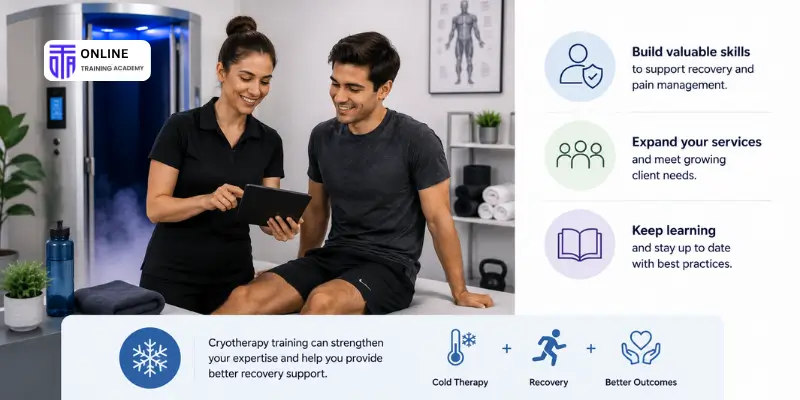
As interest in sports recovery and wellness continues to grow, many professionals are looking for ways to expand their knowledge and services. Cryotherapy training can be a valuable option for those who want to understand cold therapy and apply it responsibly within their scope of practice.
While the training isn’t a guarantee of career advancement, it can strengthen your skill set and improve your confidence when supporting clients with recovery and pain management goals.
Who Can Benefit Most from This Training?
Cryotherapy training may be particularly useful for professionals who already work in client-focused health and wellness roles, including:
- Massage therapists
- Fitness trainers and coaches
- Sports recovery practitioners
- Wellness consultants
- Rehabilitation support professionals
- Aesthetic practitioners offering complementary wellness services
For these individuals, cryotherapy can become one part of a broader recovery approach rather than a standalone service.
Skills That Extend Beyond Cryotherapy
One of the greatest benefits of formal training is that many of the skills you develop apply far beyond cryotherapy itself.
These include:
- Client communication
- Critical thinking
- Professional judgement
- Recovery planning
- Safe treatment practices
- Ethical decision-making
These transferable skills can strengthen your overall approach to client care, regardless of the recovery techniques you use.
Continuing Education Matters
Health and wellness practices continue to evolve as new research becomes available. That’s why learning shouldn’t stop after completing one course.
Continuing education helps practitioners:
- Stay informed about current research.
- Refresh their understanding of best practices.
- Improve client care.
- Adapt to new developments in recovery techniques.
Viewing cryotherapy training as part of ongoing professional development can provide greater long-term value than treating it as a one-time qualification.
Conclusion
Cryotherapy can be a valuable tool for supporting muscle recovery and pain management, but its effectiveness depends on more than the treatment itself. Proper assessment, evidence-informed decision-making, and clear communication all contribute to safer and more effective client care.
That’s why quality cryotherapy training matters. It helps practitioners understand how cold therapy works, recognize its benefits and limitations, and apply their knowledge responsibly in real-world settings.
If you’re considering a career in wellness or looking to expand your existing skills, take the time to choose a cryotherapy training course that emphasizes safety, evidence-based learning, and practical application. The right education can provide a strong foundation for supporting clients with confidence.
FAQs
Cryotherapy may help reduce temporary muscle soreness and discomfort after exercise by exposing the body or a specific area to controlled cold temperatures. It is commonly used as part of a broader recovery plan alongside rest, hydration, and appropriate exercise.
For some individuals, cryotherapy may provide temporary pain relief by influencing how the body responds to cold and pain signals. However, it should complement—not replace—appropriate medical care or rehabilitation when needed.
Beginner-friendly courses typically cover cryotherapy science, client assessment, contraindications, recovery principles, communication skills, safety protocols, and aftercare. The goal is to help learners understand how to use cryotherapy responsibly rather than simply learning treatment techniques.
Whole-body cryotherapy exposes most of the body to extremely cold temperatures for a short period, while localized cryotherapy targets a specific area. Training helps practitioners understand the purpose, potential benefits, and considerations of each method.
No. Some medical conditions or sensitivities may make cryotherapy unsuitable for certain individuals. Proper client assessment is an essential part of determining whether treatment is appropriate.
They evaluate factors such as the client’s health history, current symptoms, recovery goals, activity level, and any contraindications before recommending treatment. This assessment helps ensure cryotherapy is used safely and responsibly.
No. Cryotherapy works best as part of a comprehensive recovery strategy that may also include exercise, stretching, nutrition, hydration, sleep, and rehabilitation. It should be viewed as one supportive tool rather than a complete solution.
Learn More



Get a FREE Course
- Learn useful skills online free
- Get CPD accredited certificate
- Add it to your CV today!