

Every vehicle on Canadian roads relies on hundreds of carefully engineered components working together to deliver safe, reliable performance. While most drivers only think about their car when something goes wrong, professional automotive technicians understand that every repair starts with identifying the root cause of the problem—not simply replacing a faulty part.
Whether it’s a squealing brake, a slipping clutch, an engine warning light, or a transmission that refuses to shift smoothly, diagnosing vehicle problems requires technical knowledge, practical experience, and the right tools. Modern vehicles have become increasingly sophisticated, combining mechanical systems with advanced electronics and computer-controlled components. As a result, today’s automotive technicians must understand both traditional repair methods and modern diagnostic technology.
For aspiring mechanics, learning how essential tools and vehicle systems work together forms the foundation of automotive repair. For vehicle owners, understanding the basics can help you recognize early warning signs, communicate more effectively with repair professionals, and make informed maintenance decisions that extend your vehicle’s lifespan.
In this guide, we’ll explore the essential tools used by professional mechanics, explain how critical vehicle systems operate, and discuss why preventive maintenance is one of the smartest investments Canadian drivers can make.
Table of Contents
Car Mechanic Training Course
A Car Mechanic Training course provides the knowledge and practical skills needed to inspect, maintain, diagnose, and repair vehicles safely and efficiently. It covers essential topics such as engine systems, brakes, suspension, steering, electrical components, diagnostics, routine servicing, and the correct use of workshop tools. The course also emphasises workplace safety, problem-solving, and industry best practices, helping learners build the confidence required for a career as a professional car mechanic or automotive technician.
Essential Tools Every Professional Car Mechanic Uses
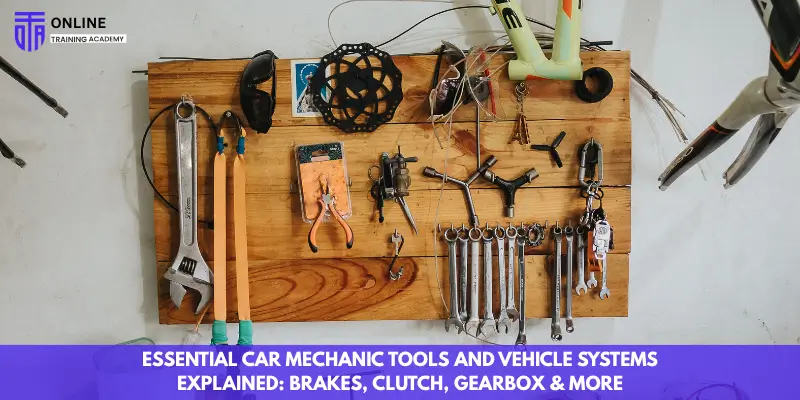
Professional automotive repair is built on precision. While experience and technical knowledge are essential, mechanics rely on specialized tools to perform repairs safely, accurately, and efficiently. Each tool serves a specific purpose, helping technicians diagnose problems, remove worn components, install replacement parts, and verify that repairs meet manufacturer specifications.
Spanners and Socket Sets
Spanners and socket sets are among the most frequently used tools in any automotive workshop. Nearly every repair—from changing brake components to removing engine parts—requires loosening and tightening bolts or nuts.
Socket sets, used with ratchets and extension bars, allow mechanics to access fasteners in confined engine compartments and underneath vehicles. Because sockets grip bolts from multiple sides, they reduce the risk of damaging bolt heads while allowing faster repairs.
Spanners, often referred to as wrenches in Canada, are equally important when working in areas where sockets cannot fit. Combination wrenches, adjustable wrenches, and box-end wrenches all serve different purposes depending on the repair.
Using the correct tool size is critical. A loose-fitting wrench or socket can round off bolt heads, making repairs more difficult and potentially increasing labour costs. Professional technicians carefully select the appropriate tool for each fastener to ensure repairs are completed safely and efficiently.
Screwdrivers and Pliers
Although they appear simple, screwdrivers and pliers perform a wide variety of essential tasks throughout a vehicle.
Flathead and Phillips screwdrivers are commonly used to remove interior trim panels, dashboard components, battery terminals, engine covers, and electrical connectors. Modern vehicles also use Torx and hex-head fasteners, making specialized screwdriver sets an important part of every mechanic’s toolbox.
Pliers provide gripping power where fingers cannot safely reach. Mechanics use needle-nose pliers to manipulate electrical connectors, remove retaining clips, retrieve dropped components, and work in confined spaces around the engine bay.
Other common varieties include:
- Locking pliers for securing stubborn components
- Slip-joint pliers for adjustable gripping
- Side cutters for trimming electrical wiring
- Hose clamp pliers for cooling system repairs
Because modern vehicles contain increasingly complex electrical systems, quality pliers have become indispensable during diagnostic and repair work.
Hydraulic Floor Jack and Jack Stands
Before many repairs can begin, the vehicle must be raised safely off the ground.
Hydraulic floor jacks allow technicians to lift a vehicle quickly for tire changes, brake service, suspension repairs, or underbody inspections. However, a hydraulic jack should never support a vehicle while someone works underneath it.
Instead, mechanics place heavy-duty jack stands beneath designated lift points recommended by the vehicle manufacturer. These stands provide stable support throughout the repair process and significantly reduce the risk of accidents.
In professional Canadian repair facilities, vehicle lifts are commonly used for full underbody access. Nevertheless, jack stands remain essential for mobile mechanics, smaller workshops, and home garages.
Proper lifting procedures are one of the most important safety practices in automotive repair. Even experienced technicians follow strict safety protocols before working beneath a vehicle.
Torque Wrench
A torque wrench is one of the most important precision tools in automotive repair.
Rather than relying on experience or guesswork, mechanics use torque wrenches to tighten bolts according to manufacturer specifications. Every fastener on a vehicle is designed to withstand a specific amount of clamping force. Tightening bolts too much can strip threads, crack components, or distort metal surfaces. Tightening them too little can allow parts to loosen during operation.
Torque wrenches are especially important when servicing:
- Wheel lug nuts
- Brake calipers
- Cylinder heads
- Suspension components
- Engine mounts
- Transmission assemblies
Modern vehicles frequently use lightweight aluminum components that require extremely accurate torque settings. Even small deviations can affect reliability and safety.
Most professional repair shops calibrate their torque wrenches regularly to ensure measurement accuracy.
OBD-II Diagnostic Scanner
Today’s vehicles contain dozens of electronic control modules that constantly monitor engine performance, emissions, braking systems, airbags, steering, and other critical functions.
When a fault occurs, the vehicle stores a diagnostic trouble code (DTC). Mechanics retrieve these codes using an OBD-II (On-Board Diagnostics) scanner.
An OBD-II scanner helps technicians identify issues involving:
- Engine management
- Fuel injection
- Ignition systems
- Automatic transmissions
- Anti-lock braking systems (ABS)
- Airbag systems
- Emissions controls
However, reading a fault code is only the beginning. Experienced mechanics interpret the data alongside physical inspections and additional testing to determine the actual cause of the problem.
For example, a code indicating an oxygen sensor fault may actually be caused by an exhaust leak or wiring issue rather than a failed sensor.
Digital Multimeter
Electrical problems are becoming increasingly common as vehicles incorporate more sensors, computers, and electronic safety systems.
A digital multimeter allows technicians to measure:
- Battery voltage
- Charging system output
- Electrical resistance
- Current flow
- Continuity
- Sensor signals
Using this information, mechanics can diagnose faulty wiring, blown fuses, defective alternators, damaged sensors, or weak batteries.
Accurate electrical testing prevents unnecessary parts replacement and reduces repair costs by identifying the true source of electrical faults.
Air Impact Wrench
Removing tightly secured bolts manually can take considerable time, particularly when dealing with rust or corrosion caused by Canadian winters.
Air-powered or cordless impact wrenches produce high rotational force, allowing mechanics to loosen stubborn fasteners quickly.
Impact wrenches are commonly used for:
- Tire removal
- Suspension repairs
- Brake service
- Exhaust system work
Although these tools save significant time, final tightening is always completed using a calibrated torque wrench to meet manufacturer specifications.
Understanding How Major Vehicle Systems Work
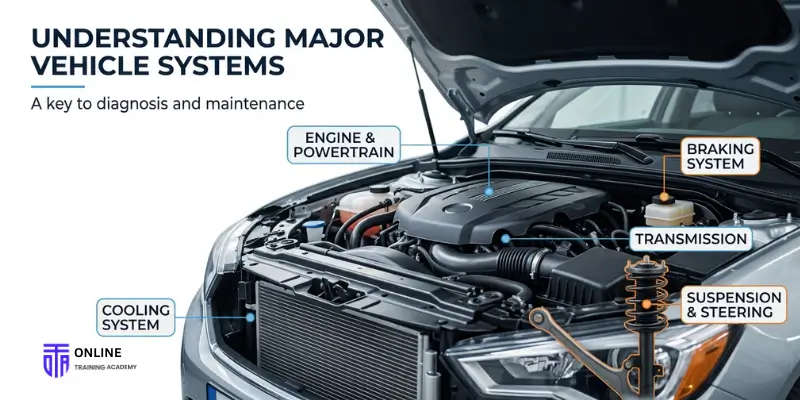
Having the right tools is only one part of automotive repair. Professional mechanics must also understand how every major system operates and how different components interact with one another.
Rather than viewing the engine, brakes, steering, and transmission as separate parts, technicians see the vehicle as a complete mechanical system. A fault in one component often affects several others, making systematic diagnosis essential.
Below are some of the most important vehicle systems every mechanic—and every informed vehicle owner—should understand.
The Braking System
The braking system is arguably the most important safety feature on any vehicle. Its purpose is simple: convert the vehicle’s kinetic energy into heat through friction, allowing the driver to slow down or stop safely.
Modern vehicles primarily use hydraulic braking systems. When the driver presses the brake pedal, hydraulic pressure travels through brake fluid to the brake calipers. The calipers then squeeze the brake pads against rotating brake discs (rotors), creating friction that slows the wheels.
Most vehicles also include anti-lock braking systems (ABS), which help prevent wheel lock-up during emergency braking by automatically adjusting brake pressure.
Common components include:
- Brake pedal
- Brake booster
- Master cylinder
- Brake fluid
- Brake lines
- Brake calipers
- Brake pads
- Brake rotors
- ABS sensors
- Electronic control module
Canadian driving conditions can be particularly demanding on braking systems. Road salt, moisture, freezing temperatures, and frequent stop-and-go driving accelerate corrosion and wear. Regular brake inspections are therefore essential, especially before winter and after long periods of exposure to harsh weather.
Common signs of brake problems include squealing noises, grinding sounds, vibrations while braking, reduced stopping performance, or warning lights on the dashboard. Ignoring these symptoms can increase repair costs and compromise vehicle safety.
Clutch System
The clutch system is a vital component in vehicles with manual transmissions. It connects and disconnects the engine from the gearbox, allowing drivers to change gears smoothly without damaging transmission components. Every time the clutch pedal is pressed, the engine’s power is temporarily separated from the drivetrain, making gear changes possible.
The main components of a clutch system include:
- Clutch pedal
- Clutch master and slave cylinders (hydraulic systems)
- Clutch disc
- Pressure plate
- Flywheel
- Release bearing
When the clutch pedal is released, the pressure plate presses the clutch disc firmly against the flywheel, transferring engine power to the transmission and ultimately to the wheels. Pressing the pedal releases this pressure, interrupting the power flow so gears can be changed.
Like any mechanical component, the clutch wears over time. Aggressive driving habits, heavy towing, and frequent stop-and-go traffic can accelerate clutch wear. In Canada, urban commuting in cities such as Toronto, Montréal, Calgary, and Vancouver often places additional strain on clutch systems due to repeated gear changes during congested traffic.
Signs of a Worn Clutch
A failing clutch often gives several warning signs before complete failure, including:
- Difficulty shifting gears
- A burning smell after driving
- Clutch pedal feels unusually soft or stiff
- Engine revs increase without corresponding acceleration (clutch slipping)
- Vibrations when engaging the clutch
- Grinding noises while shifting
Replacing a clutch is labour-intensive because the transmission must usually be removed to access the clutch assembly. For this reason, many repair shops recommend replacing the clutch disc, pressure plate, and release bearing together to avoid future labour costs.
Manual Gearbox
The gearbox, also known as the transmission, controls how engine power is delivered to the wheels. Different gears allow the engine to operate efficiently under varying driving conditions, whether accelerating from a stop, climbing hills, or maintaining highway speeds.
Inside a manual gearbox are several precision-engineered components, including:
- Input shaft
- Output shaft
- Countershaft
- Synchronizers
- Bearings
- Gear sets
- Shift forks
Lower gears provide greater torque for acceleration and climbing steep grades, while higher gears reduce engine speed during highway driving, improving fuel efficiency and reducing engine wear.
Common Gearbox Problems
Although manual gearboxes are generally durable, several issues can develop over time:
- Worn synchronizers causing difficult gear changes
- Low or contaminated transmission fluid
- Damaged bearings
- Gear slippage
- Excessive noise while driving
- Oil leaks
Many transmission problems begin gradually. Drivers may notice unusual whining sounds, resistance when changing gears, or vibrations that worsen over time. Addressing these symptoms early can prevent expensive gearbox rebuilds.
Diesel Engine Basics
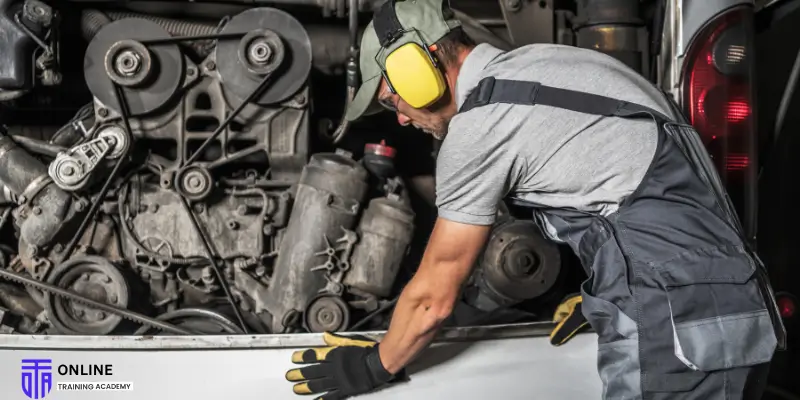
Diesel engines operate differently from gasoline engines. Instead of using spark plugs to ignite fuel, they rely on extremely high air compression. As air is compressed inside the cylinder, its temperature rises enough to ignite the injected diesel fuel automatically.
This compression ignition process gives diesel engines several advantages:
- Higher fuel efficiency
- Greater low-speed torque
- Longer engine lifespan when properly maintained
- Better towing performance
These characteristics make diesel engines popular in commercial trucks, heavy-duty pickups, agricultural equipment, and construction vehicles across Canada.
Components of a Modern Diesel Engine
Modern diesel engines include several specialized components, such as:
- Turbocharger
- High-pressure fuel injection system
- Glow plugs
- Diesel particulate filter (DPF)
- Exhaust gas recirculation (EGR) system
- Diesel exhaust fluid (DEF) system on many newer vehicles
While diesel engines are known for durability, they also require precise maintenance. Poor-quality fuel, contaminated injectors, neglected oil changes, or clogged emissions systems can significantly affect performance.
Canadian winters also create unique challenges for diesel engines. Extremely cold temperatures can cause diesel fuel to gel if winter-grade fuel is not used, making regular maintenance and seasonal preparation especially important.
Modern Diagnostic Tools Used by Mechanics
Today’s vehicles rely heavily on computers and electronic sensors. As a result, diagnosing vehicle problems often involves more than simply inspecting mechanical parts.
Professional automotive technicians use advanced diagnostic equipment to accurately identify faults before replacing components.
OBD-II Scan Tools
Modern scan tools communicate with the vehicle’s onboard computer systems to retrieve diagnostic trouble codes, monitor sensor readings, and test electronic components.
These tools help identify problems involving:
- Engine management
- Transmission control
- ABS
- Airbags
- Stability control
- Climate control
- Hybrid systems
Compression Testers
Compression testing helps determine the internal condition of an engine by measuring the pressure produced within each cylinder.
Low compression may indicate:
- Worn piston rings
- Burnt valves
- Head gasket failure
- Cylinder wear
Battery and Charging System Testers
Electrical system testing has become increasingly important as vehicles include more electronic features.
Technicians regularly test:
- Battery health
- Alternator output
- Starter performance
- Charging voltage
Weak batteries are particularly common during Canadian winters when cold temperatures reduce battery performance.
Most Expensive Car Repairs Explained
Some automotive repairs require significantly more labour and specialized parts than others, making them among the most expensive services vehicle owners may face.
Engine Rebuilds
An engine rebuild involves disassembling much of the engine to repair or replace worn internal components such as pistons, bearings, crankshafts, valves, and timing components.
These repairs require extensive labour and precision machining, making them one of the costliest automotive services.
Transmission Replacement
Whether manual or automatic, replacing a transmission requires removing major drivetrain components. Automatic transmissions are particularly complex, containing hundreds of precision parts that must function perfectly together.
Transmission repairs often involve:
- Valve body repairs
- Clutch pack replacement
- Torque converter replacement
- Complete transmission rebuilds
Clutch Replacement
Although the clutch itself may not be extremely expensive, accessing it requires removing the transmission. Labour costs account for much of the repair expense.
Electronic Control Module Failures
Modern vehicles contain numerous computers controlling everything from engine timing to collision avoidance systems.
Replacing control modules often requires:
- Specialized diagnostic equipment
- Software programming
- System calibration
These procedures contribute to higher repair costs compared to traditional mechanical repairs.
Which Vehicles Cost Less to Maintain?
Long-term ownership costs depend on much more than a vehicle’s purchase price. Maintenance, replacement parts, labour requirements, and reliability all contribute to the overall cost of ownership.
Generally, vehicles that are less expensive to maintain share several characteristics:
- Proven reliability
- Widely available replacement parts
- Simple mechanical design
- Strong aftermarket support
- Common repair procedures
In Canada, compact cars, midsize sedans, and many crossover SUVs from manufacturers with extensive dealer and parts networks often have lower maintenance costs because replacement parts are readily available and technicians are familiar with servicing them.
Luxury vehicles, high-performance models, and vehicles with advanced electronic features typically cost more to maintain due to specialized components, higher labour requirements, and more expensive replacement parts.
Regardless of the vehicle you own, following the manufacturer’s maintenance schedule remains one of the most effective ways to reduce long-term repair costs.
Preventive Maintenance Tips for Canadian Drivers
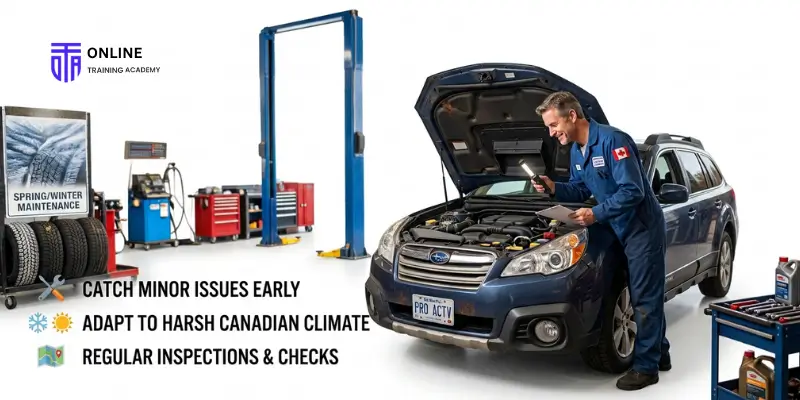
Preventive maintenance helps identify minor issues before they become major repairs. Canada’s diverse climate—from freezing winters to hot summers—places additional stress on many vehicle systems, making regular inspections especially important.
Follow the Recommended Service Schedule
Routine maintenance includes:
- Engine oil and filter changes
- Brake inspections
- Tire rotations
- Coolant replacement
- Transmission fluid inspections
- Air filter replacement
- Battery testing
Keeping up with scheduled servicing helps maximize reliability and extends the lifespan of major vehicle components.
Prepare Your Vehicle for Winter
Canadian winters can be particularly demanding on vehicles. Before temperatures drop, drivers should:
- Test the battery
- Check coolant freeze protection
- Install winter tires where appropriate
- Replace worn windshield wipers
- Refill winter-grade windshield washer fluid
- Inspect the heating and defrost systems
These simple steps improve both safety and reliability during colder months.
Watch for Early Warning Signs
Ignoring small problems often leads to larger and more expensive repairs.
Schedule an inspection if you notice:
- Dashboard warning lights
- Unusual engine noises
- Fluid leaks
- Vibrations
- Poor braking performance
- Hard shifting
- Reduced fuel economy
- Excessive exhaust smoke
Prompt diagnosis usually results in less extensive and less expensive repairs.
Wash Your Vehicle Regularly
Road salt used during Canadian winters accelerates corrosion, particularly underneath the vehicle.
Regular washing—including the undercarriage—helps remove salt buildup and protect the frame, suspension, brake lines, and exhaust system from premature rust.
Conclusion
Professional automotive repair requires much more than simply replacing worn parts. Skilled mechanics combine technical knowledge, practical experience, and specialized tools to diagnose faults accurately and restore vehicles to safe operating condition.
Understanding the basics of essential mechanic tools and major vehicle systems gives drivers greater confidence when discussing repairs and helps them recognize early warning signs before small issues become costly problems. From braking systems and clutches to gearboxes, diesel engines, and advanced diagnostic equipment, every component plays an important role in keeping a vehicle reliable and safe.
For Canadian drivers, preventive maintenance is particularly important. Harsh winters, changing temperatures, road salt, and diverse driving conditions place additional stress on vehicle components throughout the year. Following the manufacturer’s maintenance schedule, addressing problems promptly, and staying informed about how your vehicle works can help extend its lifespan, improve safety, and reduce long-term repair costs.
Whether you’re considering a career as an automotive service technician or simply want to become a more knowledgeable vehicle owner, understanding these essential tools and systems provides a strong foundation for making informed decisions and keeping vehicles performing at their best on Canada’s roads.
FAQs
A basic automotive toolkit should include socket sets, combination wrenches, screwdrivers, pliers, a hydraulic floor jack, jack stands, a torque wrench, and a digital multimeter. As experience grows, additional diagnostic tools such as OBD-II scanners and compression testers become valuable investments.
The braking system is generally considered the most critical safety system because it allows the driver to control stopping distance and avoid collisions. Regular brake inspections are essential for maintaining safe driving performance.
A torque wrench ensures bolts are tightened to manufacturer-specified torque values. This prevents over-tightening, under-tightening, and potential component failure while improving repair quality and vehicle safety.
Transmissions contain hundreds of precision components and require significant labour to remove, inspect, repair, or replace. Specialized tools and technical expertise also contribute to higher repair costs.
Diesel engines require specialized maintenance, particularly for fuel injection and emissions systems. However, when properly serviced, they are known for their durability, fuel efficiency, and excellent towing performance.
Most automotive professionals recommend inspecting brakes at least once a year or during routine maintenance appointments. Vehicles driven in heavy traffic, mountainous regions, or harsh winter conditions may require more frequent inspections.
Learn More





Get a FREE Course
- Learn useful skills online free
- Get CPD accredited certificate
- Add it to your CV today!