
Your body has an internal network working 24/7 to keep you healthy, yet most of us don’t even think about it. The lymphatic system silently regulates fluid balance, fights infections, and clears waste from tissues—but unlike the heart, it doesn’t have a pump. Without proper stimulation, lymph fluid can stagnate, leading to swelling, fatigue, and a host of other issues. That’s where lymphatic drainage massage comes in: a gentle, precise therapy designed to give your lymphatic system the boost it needs.
In the UK, lymphatic drainage massage is increasingly recognised not just for post-surgical recovery, but also for wellness, stress relief, and even cosmetic benefits. But does it actually work, or is it just another wellness trend? Let’s dive into the science, the benefits, and what the latest research and experts in the UK have to say.
What Is Lymphatic Drainage Massage?
Lymphatic drainage massage (LDM) is a specialised, light-pressure massage technique that encourages lymph fluid to flow efficiently through the body’s network of vessels and nodes. Unlike deep tissue or sports massage, lymphatic massage is gentle, rhythmic, and precise, targeting the skin and superficial lymphatic vessels rather than muscles.
The technique was developed in the 1930s by Danish doctors Emil and Estrid Vodder, who observed that stimulating certain points on the body improved lymph node responsiveness and reduced swelling. Today, qualified UK therapists use LDM to aid recovery, reduce fluid retention, and support overall wellness.
Table of Contents
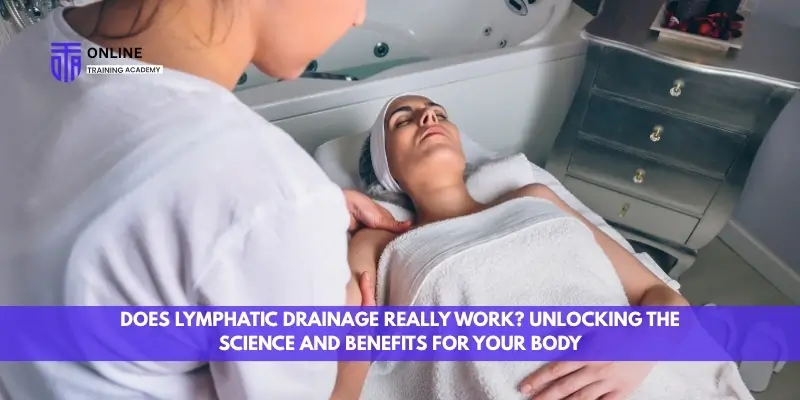
Does Lymphatic Drainage Really Work? Unlocking the Science and Benefits for Your Body
"The article ‘Does Lymphatic Drainage Really Work?’ guides readers through the science, key benefits, and effects of lymphatic drainage massage, showing how it supports detoxification, circulation, relaxation, and overall body wellness."
How Does Lymphatic Drainage Massage Work?
The lymphatic system is a vital part of your body’s immune and circulatory network, responsible for transporting lymph—a fluid containing white blood cells, proteins, and cellular waste—throughout the body. Unlike the cardiovascular system, the lymphatic system does not have a central pump like the heart, meaning that its circulation relies heavily on muscle movement, breathing, and external stimulation.
When the system is disrupted—whether due to surgery, injury, chronic conditions such as lymphedema, or sedentary lifestyles—lymph can accumulate in tissues, causing swelling, heaviness, and discomfort. This is where lymphatic drainage massage (LDM) comes in. LDM is a gentle, specialised technique that supports and enhances the natural flow of lymph, helping the body return to balance.
Here’s how it works in practice:
1. Activating Lymph Nodes
Lymph nodes are small, kidney-shaped structures that filter lymph and produce immune cells. During an LDM session, a trained therapist targets key lymph node areas, including the neck, armpits, and groin. Using soft, precise strokes, the therapist stimulates these nodes to “wake up” and process excess fluid. By doing so, the nodes become more responsive, helping the body efficiently manage fluid and waste. In the UK, therapists often focus on these activation points as part of post-surgical recovery plans—for example, after breast cancer surgery, to reduce arm swelling caused by lymph node removal.
2. Guiding Fluid Flow
Once the nodes are activated, the therapist uses rhythmic, directional movements to guide stagnant lymph from congested tissues toward functioning lymph nodes. This isn’t a deep, forceful massage—rather, it’s gentle stretching and sweeping of the skin, which helps move fluid along the lymphatic pathways. The goal is to encourage circulation without causing trauma to the tissues, making it suitable for delicate post-operative areas or sensitive regions affected by chronic swelling.
For example, in cases of leg edema from chronic venous insufficiency, lymphatic drainage techniques focus on the lower legs and thighs, moving fluid toward the groin nodes. Over time, this can reduce swelling, improve mobility, and ease discomfort.
3. Supporting Natural Detoxification
While the term “detox” is often misused in wellness circles, LDM does support the body’s natural cleansing processes. By enhancing lymph circulation, the massage helps transport cellular waste, excess proteins, and fluid out of tissues and toward lymph nodes where the body can filter and remove it. This process aids the immune system in its function and can help reduce fluid-related inflammation.
In practice, regular LDM sessions—whether for medical or wellness purposes—can contribute to:
- Reduced puffiness in the face and extremities
- Faster recovery after surgery or injury
- Improved overall wellbeing, including a lighter, more energised feeling
4. Complementing Medical and Wellness Plans
It’s important to emphasise that LDM is not a replacement for medical treatment. It is most effective when used alongside conventional therapies, such as compression garments for lymphedema, physiotherapy, or post-surgical care. In the UK, many healthcare providers integrate LDM as a supportive therapy to help patients recover more comfortably and maintain lymphatic health.
Even for wellness-focused clients, LDM can be a proactive way to support circulation, reduce minor fluid retention, and encourage relaxation, especially in combination with healthy lifestyle habits such as staying active, practising deep breathing, and maintaining proper hydration.
By gently stimulating the lymphatic system, guiding fluid flow, and supporting the body’s natural detox pathways, lymphatic drainage massage offers a targeted, science-backed method to reduce swelling, enhance immunity, and promote overall wellbeing—all without harsh or invasive intervention.
Who Can Benefit from Lymphatic Drainage Massage?
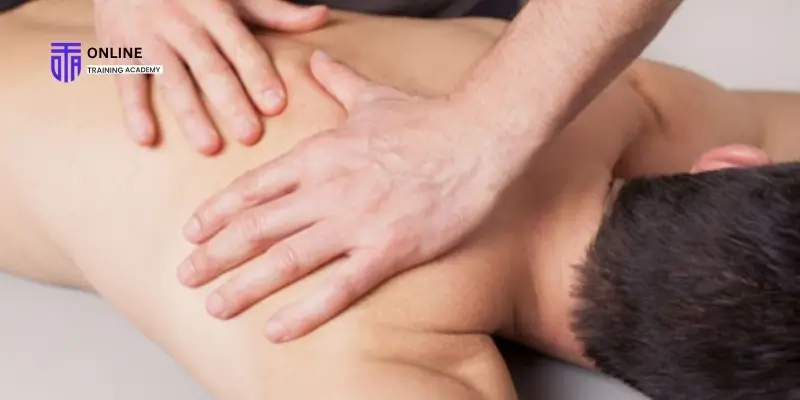
Lymphatic drainage massage is most commonly used for medical purposes, but it also offers wellness and cosmetic benefits. People who may benefit include:
1. Post-Surgical Recovery Patients
If you’ve had surgery—particularly breast cancer surgery, liposuction, or cosmetic procedures—LDM can:
- Reduce swelling and inflammation
- Improve circulation
- Speed up tissue healing
- Minimise discomfort and fluid retention
2. Individuals with Lymphedema
Lymphedema is the accumulation of lymph fluid due to lymph node removal or dysfunction. LDM helps alleviate swelling, improve mobility, and ease discomfort, making daily life more manageable.
3. People with Chronic Conditions
- Chronic venous insufficiency – LDM supports blood and lymph flow in the legs, reducing swelling.
- Fibromyalgia – Gentle lymphatic stimulation may help reduce tissue inflammation and discomfort.
- Lipedema – LDM assists fluid movement and alleviates pressure from abnormal fat accumulation.
- Rheumatoid arthritis – While not a cure, LDM can reduce fluid-related joint swelling and improve comfort.
4. Wellness and Cosmetic Clients
Even without underlying health issues, lymphatic massage can:
- Reduce facial puffiness
- Improve skin tone and radiance
- Enhance relaxation and mental wellbeing
Signs You Might Benefit from Lymphatic Drainage
How can you tell if your lymphatic system could use a boost? Common indicators include:
- Puffy hands, ankles, or face
- Persistent fatigue or low energy
- Frequent headaches or brain fog
- Skin issues like dryness, acne, or irritation
- Swollen lymph nodes in the neck, groin, or armpits
- Chronic sinus problems or congestion
If you notice several of these, a trained therapist may recommend lymphatic drainage massage as part of a wellness routine.
What to Expect During a Session
A typical LDM session in the UK follows a structured, gentle approach:
- Preparation – The therapist will explain the procedure and identify areas of congestion.
- Activation – Lymph nodes in the neck, armpits, and groin are gently stimulated.
- Guided strokes – Using soft, rhythmic movements, fluid is directed toward healthy nodes.
- Monitoring and adjustment – The therapist continuously checks pressure and comfort, ensuring effective and safe drainage.
Sessions often last 30–60 minutes. Post-session, clients may feel lighter, less swollen, and more relaxed, with temporary increases in urination as excess fluid leaves the body.
Potential Benefits of Lymphatic Drainage Massage
LDM offers a wide range of benefits that go beyond aesthetics:
1. Reduced Swelling and Fluid Retention
By moving excess lymph fluid from tissues back into circulation, LDM alleviates swelling in areas affected by surgery, injury, or chronic conditions.
2. Enhanced Immune Function
The lymphatic system is integral to immune health. Stimulating lymph flow helps the body clear pathogens and toxins more efficiently.
3. Accelerated Healing
Post-surgery or post-injury, lymphatic massage supports tissue repair, reduces inflammation, and can improve recovery outcomes.
4. Detoxification
While it won’t “flush toxins” magically, LDM assists your body in naturally processing cellular waste, which can improve overall wellbeing.
5. Improved Skin Appearance
Enhanced circulation promotes nutrient delivery to the skin, helping reduce puffiness, improve tone, and support a healthy, radiant look.
6. Stress Relief and Relaxation
The gentle, rhythmic motions of lymphatic massage also calm the nervous system, reducing stress and promoting relaxation.
Common Myths and Misconceptions
Despite its growing popularity, many misconceptions surround LDM. Here’s what you need to know:
- Myth 1: Lymphatic Drainage Can Make You Lose Weight – It can reduce temporary fluid retention but does not burn fat.
- Myth 2: Only People with Health Conditions Benefit – Anyone can enjoy enhanced circulation, reduced puffiness, and relaxation.
- Myth 3: You Need Special Tools – Massage can be done effectively by hand; tools like jade rollers or gua sha are optional and mainly for comfort.
Does Lymphatic Drainage Actually Work?
Scientific evidence and clinical experience in the UK show that lymphatic drainage is effective for reducing swelling, improving circulation, and aiding recovery. While it’s not a miracle cure, LDM can:
- Improve post-surgical outcomes
- Reduce edema in lymphedema patients
- Enhance wellness and relaxation for everyday clients
The key is proper technique and guidance from a qualified therapist. Self-massage and superficial tools may help maintain benefits, but the expertise of a trained professional ensures safety and effectiveness.
How to Incorporate Lymphatic Drainage Into Your Daily Routine
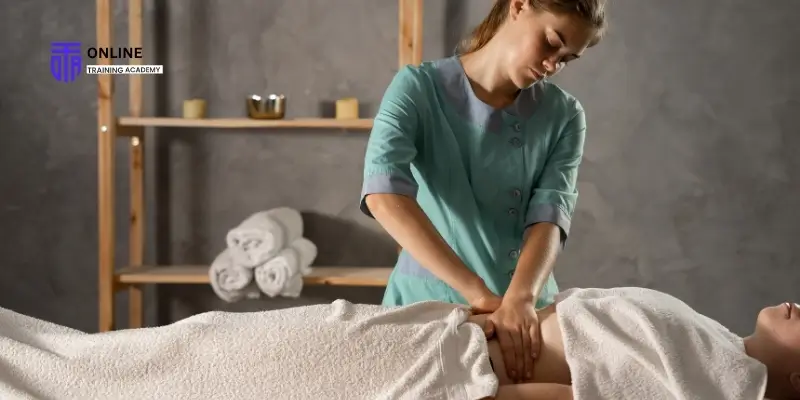
Even without medical conditions, simple daily practices can help keep your lymphatic system active:
- Gentle Neck and Face Massage – Use upward strokes toward lymph nodes to reduce puffiness.
- Collarbone and Chest Activation – Light massage in these areas supports lymph movement.
- Deep Breathing Exercises – Diaphragmatic breathing stimulates lymph flow naturally.
- Hydration and Movement – Staying active and well-hydrated keeps lymph fluid circulating efficiently.
For busy UK lifestyles, you can combine these steps with your morning skincare or evening wind-down routine.
Safety Considerations
While generally safe, lymphatic drainage should be avoided in certain cases:
- Blood clots or deep vein thrombosis (DVT)
- Active infections or fever
- Heart, kidney, or severe systemic conditions
- Areas affected by untreated cancer or recent radiation therapy
A consultation with a qualified therapist is always recommended, especially if you have underlying health conditions.
The Bottom Line: Does It Work?
Yes—lymphatic drainage massage works, but its effects are specific. It’s most beneficial for:
- Reducing swelling from surgery, injury, or chronic conditions
- Supporting immune and circulatory function
- Improving recovery and wellness
For healthy individuals, LDM is a gentle, relaxing therapy that can support overall wellbeing, improve circulation, and reduce fluid retention—but it’s not a weight-loss or “detox miracle.” Its benefits are real, measurable, and cumulative when performed safely.
Why Your Lymphatic System Deserves Attention
Your lymphatic system works quietly behind the scenes every day, yet it’s one of the most overlooked aspects of health. Lymphatic drainage massage doesn’t promise instant weight loss or magical detoxes—but it supports your body in ways few other therapies can: easing swelling, enhancing recovery, and promoting relaxation.
Whether you’re recovering from surgery, managing chronic swelling, or simply looking for a wellness boost, investing in your lymphatic health is investing in your body’s resilience. And here’s a final idea that might surprise you: even small, daily self-massage routines or deep breathing exercises can keep your lymph moving efficiently—turning a few minutes a day into a long-term wellness habit.
Your body isn’t waiting for miracles—it’s waiting for movement, rhythm, and care. Lymphatic drainage massage is your hand in making that happen.
Learn More





Get a FREE Course
- Learn useful skills online free
- Get CPD accredited certificate
- Add it to your CV today!