



Construction is one of Canada’s most important industries, building the homes, workplaces, roads, bridges, and infrastructure that communities rely on every day. However, it is also one of the country’s highest-risk sectors, with workers regularly exposed to hazards such as falls from heights, electrical systems, heavy equipment, fires, and hazardous materials.
Creating a safe construction site requires more than simply following regulations. It depends on careful planning, thorough risk assessments, effective supervision, and a workplace culture where safety is part of every task. Across Canada, employers and workers share a responsibility to identify hazards, control risks, and follow safe work practices that help prevent injuries and keep projects running efficiently.
In this guide, we’ll explore the most common construction hazards and the best practices used across Canadian construction sites to improve safety, reduce workplace risks, and support compliance with occupational health and safety requirements.
Why Construction Health and Safety Matters
Construction projects involve multiple contractors, changing work environments, and numerous high-risk activities taking place simultaneously. Workers may be installing electrical systems while heavy machinery operates nearby, roofers work overhead, and welding activities create additional fire hazards.
Without proper coordination, these overlapping tasks can significantly increase workplace risks.
Strong health and safety management provides several important benefits:
- Reduces workplace injuries and fatalities
- Protects workers, visitors, and the public
- Helps employers comply with Canadian OHS regulations
- Minimizes costly delays caused by incidents
- Improves productivity through better planning
- Reduces workers' compensation claims and insurance costs
- Strengthens employee confidence and workplace morale
Safety should never be viewed as a barrier to productivity. Well-managed construction sites are often more efficient because work is planned carefully, hazards are controlled before tasks begin, and unexpected disruptions are minimized.
Health and Safety Management for Construction Level 3
Gain a practical understanding of health and safety principles for construction environments with this online course. Learn how to identify workplace hazards, understand risk management, follow safe working practices, and support a safer construction site through structured, easy-to-follow learning covering key health and safety responsibilities.
Table of Contents
Working at Heights: Canada's Leading Construction Hazard
Falls continue to be one of the leading causes of serious injuries and fatalities in the Canadian construction industry. Workers may be exposed to fall hazards while installing roofing materials, erecting structural steel, working on scaffolding, using aerial work platforms, or performing maintenance on elevated surfaces.
Even relatively short falls can result in severe injuries. As a result, working at heights requires detailed planning before any work begins.
Begin with Hazard Assessment
Every task involving elevated work should begin with a thorough hazard assessment. Supervisors should first determine whether the work can be completed safely from ground level using alternative methods or equipment. Eliminating the need to work at height is always the safest option.
If elevated work cannot be avoided, employers must identify potential fall hazards, evaluate weather conditions, assess ground stability, and determine the most appropriate access equipment.
Proper planning also includes considering nearby hazards such as power lines, vehicle traffic, overhead loads, and unstable surfaces.
Selecting the Right Access Equipment
Choosing suitable access equipment is essential for worker safety.
Depending on the task, construction sites may use:
- Properly erected scaffolding
- Mobile elevated work platforms
- Boom lifts
- Scissor lifts
- Temporary work platforms
- Extension ladders for limited low-risk tasks
Ladders should never replace safer equipment simply because they are convenient. They are intended only for short-duration, low-risk work and must always be placed on stable surfaces and secured to prevent movement.
Scaffolding should be erected, inspected, and modified only by competent personnel. Regular inspections help identify loose boards, damaged guardrails, missing toe boards, and other conditions that could increase fall risks.
Fall Protection Systems
When collective protection measures cannot eliminate fall hazards, personal fall protection systems become essential.
These may include:
- Full-body safety harnesses
- Shock-absorbing lanyards
- Self-retracting lifelines
- Certified anchor points
- Horizontal lifeline systems
However, personal protective equipment should always be considered the final layer of protection. Eliminating hazards or preventing falls through engineering controls remains the preferred approach.
Workers should also receive practical training on properly inspecting, fitting, and using fall protection equipment before beginning work.
Electrical Safety: Preventing Invisible Hazards
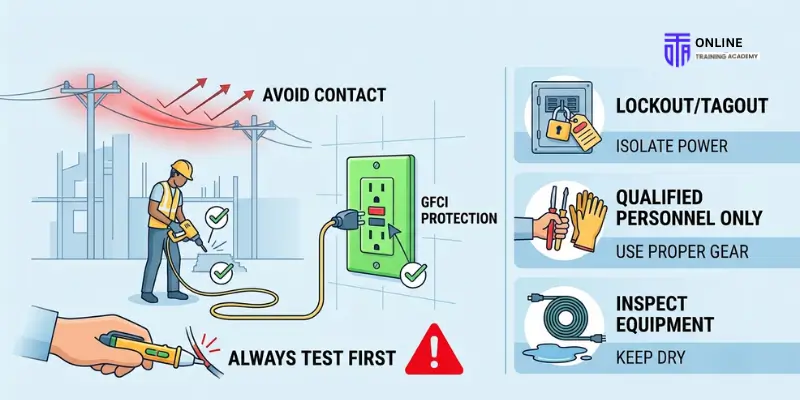
Electricity is one of the most dangerous hazards found on construction sites because it cannot be seen, smelled, or heard. A worker may unknowingly come into contact with energized equipment or damaged cables, leading to severe injuries or fatal electrocution.
Construction sites frequently rely on temporary electrical systems, portable power tools, extension cords, generators, and overhead power lines, all of which increase exposure to electrical hazards.
Common Electrical Risks
Electrical incidents often involve:
- Damaged extension cords
- Exposed wiring
- Faulty power tools
- Temporary electrical installations
- Underground utilities
- Overhead power lines
- Wet working conditions
- Improper grounding
Canadian weather can further increase electrical risks. Rain, snow, and freezing conditions may damage cables or create conductive surfaces that increase the likelihood of electrical shock.
Lockout and Isolation Procedures
Before maintenance or repair work begins, electrical systems must be properly isolated.
Effective lockout procedures include:
- Disconnecting electrical power
- Locking energy sources
- Applying warning tags
- Verifying isolation through testing
- Preventing unauthorized re-energization
Workers should never assume equipment is safe simply because it has been switched off. Testing for the absence of voltage is a critical step before beginning any electrical work.
Qualified Personnel and Safe Work Practices
Electrical installations and repairs should only be performed by qualified, authorized workers with appropriate training and experience.
Additional protective measures include:
- Using Ground Fault Circuit Interrupters (GFCIs) where required
- Inspecting electrical equipment before use
- Keeping cables away from water and vehicle traffic
- Maintaining safe clearance distances from overhead power lines
- Using insulated tools designed for electrical work
A simple but essential safety principle remains true on every construction site:
Always treat every electrical conductor as energized until it has been properly tested and confirmed safe.
Fire Safety: Prevention Is Always Better Than Response
Construction sites contain numerous potential ignition sources alongside combustible materials such as timber, packaging, insulation, fuel, paints, and solvents. Activities including welding, grinding, soldering, and cutting further increase the risk of fire.
Unlike completed buildings, construction sites often have temporary electrical systems, incomplete fire barriers, and changing layouts, making fire prevention especially important.
Identifying Fire Hazards
Common fire risks include:
- Hot work operations
- Fuel storage
- Gas cylinders
- Flammable liquids
- Electrical faults
- Smoking in prohibited areas
- Poor housekeeping
- Improper waste storage
Good housekeeping alone can significantly reduce fire risks by removing combustible waste before it accumulates.
Hot Work Permit Systems
Activities involving open flames or sparks should never begin without proper authorization.
Hot work permit systems typically require:
- Inspection of the work area
- Removal of combustible materials
- Availability of fire extinguishers
- Assignment of a trained fire watch
- Continuous monitoring after work is completed
Many construction fires occur after workers leave the area, making post-work inspections just as important as monitoring during the task itself.
Emergency Preparedness
Every construction project should have a documented fire emergency plan that includes:
- Clearly marked evacuation routes
- Emergency exits
- Assembly points
- Emergency contact information
- Fire extinguisher locations
- Worker training and evacuation drills
During an emergency, workers should know exactly where to go and who to report to without hesitation.
Managing Chemical, Biological, and Environmental Hazards
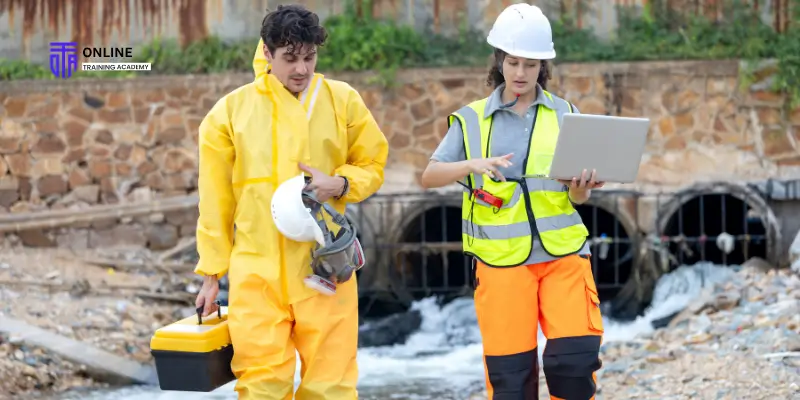
Not every construction hazard causes immediate injury. Some of the most serious occupational illnesses develop slowly after repeated exposure to hazardous substances.
Construction workers may encounter:
- Silica dust
- Cement dust
- Asbestos during renovation or demolition
- Paints and coatings
- Solvents
- Adhesives
- Fuels
- Cleaning chemicals
- Mould
- Contaminated water
- Biological waste
Exposure can affect the skin, eyes, lungs, and other organs, particularly when adequate protective measures are not in place.
Applying the Hierarchy of Controls
Rather than relying solely on personal protective equipment, Canadian construction safety programs prioritize the hierarchy of controls.
Whenever possible, hazardous materials should be replaced with safer alternatives. If elimination or substitution is not practical, engineering controls such as local exhaust ventilation, dust suppression systems, enclosed work areas, or wet-cutting methods should be implemented to reduce worker exposure.
Administrative controls—including worker training, safe work procedures, exposure monitoring, and restricted access—provide an additional layer of protection.
Only after these measures have been considered should appropriate PPE, such as respirators, chemical-resistant gloves, protective eyewear, and disposable coveralls, be relied upon.
Physical and Psychological Hazards in Construction
Construction safety extends beyond preventing immediate accidents such as falls or electrical shocks. Many hazards develop gradually through repeated exposure to physical strain, environmental conditions, or workplace stress. If left unmanaged, these hazards can affect workers’ long-term health, productivity, and overall well-being.
Noise and Vibration
Construction sites are often noisy environments due to heavy machinery, power tools, demolition activities, and vehicle movement. Prolonged exposure to excessive noise can lead to permanent hearing loss, tinnitus, and communication difficulties, increasing the likelihood of workplace accidents.
Similarly, workers who regularly operate jackhammers, grinders, compactors, or other vibrating equipment may develop Hand-Arm Vibration Syndrome (HAVS), a condition that affects blood circulation, nerves, and muscle function. Whole-body vibration experienced by heavy equipment operators can also contribute to back pain and musculoskeletal disorders.
Employers can reduce these risks by:
- Selecting lower-noise equipment where possible.
- Maintaining machinery to minimize unnecessary vibration.
- Rotating workers to reduce prolonged exposure.
- Providing hearing protection and anti-vibration gloves where appropriate.
- Monitoring exposure levels and following occupational exposure limits.
Manual Handling and Ergonomic Risks
Construction work frequently involves lifting, carrying, pushing, pulling, and repetitive movements. Poor lifting techniques or handling heavy materials incorrectly can result in back injuries, muscle strains, shoulder problems, and long-term musculoskeletal disorders.
To reduce manual handling injuries, employers should:
- Use mechanical lifting equipment whenever possible.
- Store materials at accessible heights.
- Train workers in safe lifting techniques.
- Plan material deliveries to minimize unnecessary handling.
- Encourage team lifting for heavy or awkward loads.
Proper ergonomics not only prevent injuries but also improve productivity by reducing worker fatigue.
Heat, Cold, and Weather Conditions
Canadian construction workers often face challenging weather conditions throughout the year. Summer projects may expose workers to heat stress, dehydration, and sun exposure, while winter projects create risks associated with freezing temperatures, snow, ice, and reduced visibility.
Cold weather can reduce dexterity, slow reaction times, and increase the likelihood of slips and falls. Ice accumulation on scaffolding, ladders, and walkways presents additional hazards.
Effective weather-related safety measures include:
- Monitoring weather forecasts before work begins.
- Providing suitable cold-weather or heat-protective clothing.
- Scheduling physically demanding tasks during safer temperature periods.
- Ensuring workers have access to drinking water and warming or cooling areas.
- Clearing snow and ice from access routes promptly.
Mental Health and Psychological Safety
Construction is a demanding industry where tight schedules, physically demanding work, long hours, and changing project requirements can contribute to stress and fatigue. Mental health is increasingly recognized as an important part of workplace safety because stress and exhaustion can reduce concentration, impair decision-making, and increase the likelihood of accidents.
Creating a psychologically safe workplace involves:
- Encouraging open communication about mental health.
- Promoting respectful behaviour and preventing workplace harassment.
- Monitoring workloads to reduce excessive fatigue.
- Providing adequate rest breaks.
- Supporting employee assistance programs where available.
A healthy workforce is not only safer but also more productive and engaged.
Heavy Equipment and Machinery Safety
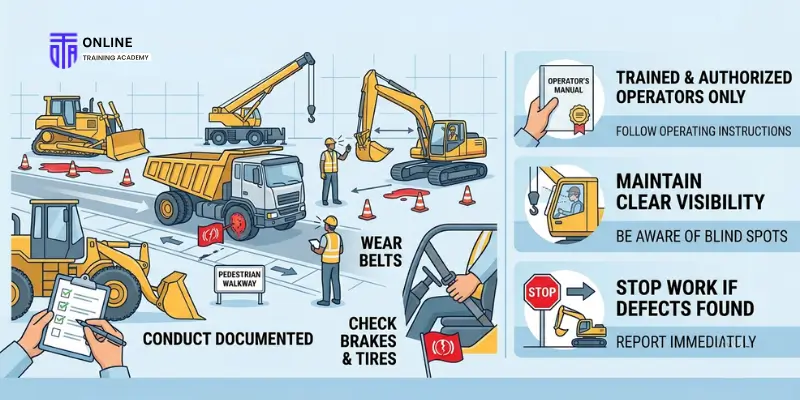
Heavy machinery is essential on construction sites, but it also presents significant hazards if not properly managed. Excavators, cranes, bulldozers, loaders, forklifts, and dump trucks operate in areas where workers may also be performing manual tasks, making clear communication and traffic management essential.
Safe Equipment Operation
Only trained and authorized operators should use heavy equipment. Before each shift, machinery should undergo a documented inspection to identify defects such as hydraulic leaks, worn tires, damaged safety devices, or faulty brakes.
Operators should always:
- Conduct pre-use inspections.
- Wear seat belts where provided.
- Maintain clear visibility around the equipment.
- Follow manufacturer operating instructions.
- Stop work immediately if defects are identified.
Controlling Vehicle and Pedestrian Movement
Construction sites should have traffic management plans that separate workers from moving vehicles whenever possible. Clearly marked pedestrian walkways, designated loading zones, speed limits, and trained signalers help reduce collision risks.
Blind spots remain one of the greatest dangers around heavy equipment. Workers should avoid standing behind or beside moving machinery unless they have made eye contact with the operator and received confirmation that it is safe to approach.
Risk Assessment: The Foundation of Construction Safety
Every effective safety program begins with identifying hazards before work starts. Risk assessments help employers determine what could cause harm, who may be affected, and which control measures should be implemented.
A typical construction risk assessment includes:
- Identifying hazards.
- Determining who could be harmed.
- Evaluating the likelihood and severity of the risk.
- Selecting appropriate control measures.
- Recording findings.
- Reviewing the assessment as work conditions change.
Because construction sites evolve throughout a project, risk assessments should never be treated as one-time documents. They must be reviewed whenever new equipment, contractors, materials, or work activities are introduced.
Applying the Hierarchy of Controls
Canadian construction safety programs emphasize controlling hazards using the hierarchy of controls. This internationally recognized approach prioritizes the most effective methods of risk reduction rather than relying solely on personal protective equipment.
The hierarchy includes:
Elimination
Completely remove the hazard whenever possible. For example, prefabricating components at ground level can eliminate certain working-at-height tasks.
Substitution
Replace hazardous materials, equipment, or processes with safer alternatives whenever practical.
Engineering Controls
Use physical barriers or equipment modifications to reduce exposure. Examples include guardrails, machine guards, ventilation systems, and dust extraction equipment.
Administrative Controls
Implement safe work procedures, training, supervision, scheduling, and warning signs to reduce exposure to hazards.
Personal Protective Equipment (PPE)
PPE includes hard hats, safety glasses, gloves, respiratory protection, hearing protection, high-visibility clothing, and safety footwear. While essential, PPE should always be considered the final layer of protection rather than the primary safety measure.
Personal Protective Equipment (PPE): Your Last Line of Defence
Personal protective equipment plays a vital role in reducing injury severity when hazards cannot be eliminated through other control measures.
Depending on the task, construction workers may require:
- CSA-approved hard hats.
- High-visibility safety apparel.
- Protective footwear with toe protection and slip-resistant soles.
- Safety glasses or face shields.
- Hearing protection.
- Respiratory protection.
- Cut-resistant or chemical-resistant gloves.
- Fall arrest equipment for working at heights.
Employers should ensure PPE fits correctly, is maintained in good condition, and is replaced when damaged or worn. Workers must also understand how to inspect, wear, store, and maintain their equipment properly.
Site Inspections, Toolbox Talks, and Safety Culture
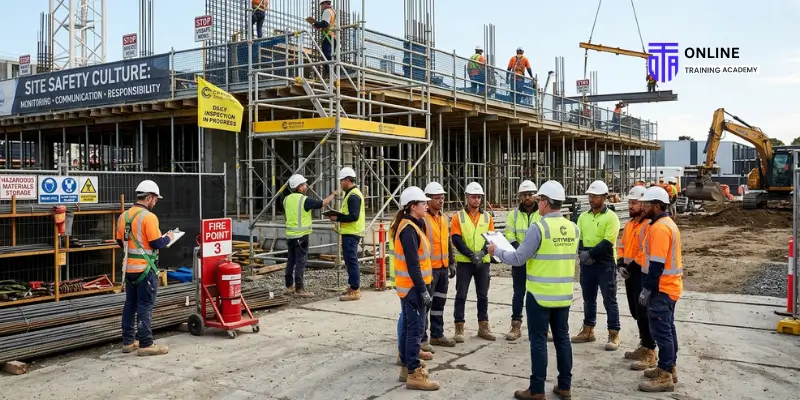
Strong safety performance depends on continuous monitoring rather than occasional inspections.
Regular Site Inspections
Routine inspections help identify hazards before incidents occur. Supervisors should inspect:
- Scaffolding and fall protection systems.
- Electrical installations.
- Fire extinguishers and emergency exits.
- Housekeeping standards.
- Equipment condition.
- Hazardous material storage.
- Traffic management controls.
Any deficiencies should be corrected promptly and documented.
Toolbox Talks
Short safety meetings held before work begins help reinforce safe work practices, discuss site-specific hazards, and communicate changes in work activities.
Topics may include:
- Weather-related hazards.
- Equipment safety.
- Manual handling.
- Recent near misses.
- Emergency procedures.
- Working around subcontractors.
These brief discussions encourage worker participation and keep safety at the forefront of daily operations.
Building a Positive Safety Culture
A strong safety culture exists when everyone—from senior management to new apprentices—takes responsibility for health and safety.
Successful organizations encourage workers to:
- Report hazards immediately.
- Stop unsafe work without fear of retaliation.
- Participate in safety meetings.
- Share lessons learned from near misses.
- Support coworkers in following safe procedures.
Safety becomes far more effective when it is viewed as a shared responsibility rather than simply a legal requirement.
Conclusion
Construction health and safety is far more than following rules or wearing personal protective equipment. It is a proactive process that begins with identifying hazards, assessing risks, and implementing effective control measures before work starts. Every successful construction project depends on careful planning, competent supervision, worker participation, and continuous monitoring to ensure risks remain under control.
From preventing falls and electrical incidents to managing fire hazards, hazardous substances, heavy equipment, and worker well-being, every aspect of construction safety contributes to protecting lives and improving project performance. Canadian employers who foster a strong safety culture not only meet their legal obligations but also create more productive, efficient, and resilient workplaces.
Ultimately, the safest construction sites are those where health and safety are integrated into every stage of the project—not treated as an afterthought. By investing in training, communication, risk management, and continuous improvement, construction organizations can reduce workplace incidents, support worker well-being, and deliver successful projects safely across Canada.
FAQs
Falls from heights remain one of the leading causes of serious injuries and fatalities in the Canadian construction industry, making fall prevention one of the highest priorities on any construction project.
A risk assessment helps identify hazards, evaluate potential consequences, and determine appropriate control measures before work starts, reducing the likelihood of incidents.
Temporary electrical systems, portable tools, damaged cables, and overhead power lines create serious electrocution risks. Proper isolation, testing, and qualified personnel are essential for preventing incidents.
Good housekeeping, proper storage of flammable materials, hot work permit systems, fire extinguishers, emergency planning, and worker training all contribute to effective fire prevention.
Common PPE includes hard hats, CSA-approved safety footwear, high-visibility clothing, eye protection, gloves, hearing protection, respiratory protection, and fall arrest equipment where required.
Extreme cold, snow, ice, heat, and changing weather conditions increase risks such as slips, reduced visibility, equipment malfunctions, heat stress, and cold-related illnesses. Seasonal planning is essential.
Learn More





Get a FREE Course
- Learn useful skills online free
- Get CPD accredited certificate
- Add it to your CV today!