
Introduction
At first glance, becoming a CCTV operator might seem straightforward. Many people imagine the job simply involves sitting in front of a wall of screens and watching camera footage all day. While monitoring surveillance systems is part of the role, it’s only one aspect of what employers expect from today’s CCTV professionals.
In reality, CCTV operators identify potential security risks, document incidents accurately, communicate with security teams, and make informed decisions when situations unfold. Without understanding these responsibilities, it’s easy to choose a course that doesn’t prepare you for the demands of the job.
If you’re considering a CCTV Operator Course, avoiding a few common mistakes can save you time, money, and disappointment. This guide highlights the most common pitfalls learners make and shows you how to choose training that better prepares you for a successful career in the security industry.
Table of Contents
CCTV Operator Course
Gain practical knowledge of CCTV operations, surveillance techniques, security procedures, incident reporting, and legal responsibilities. This CCTV Operator Course helps learners develop the essential skills needed to monitor, record, and support effective security operations confidently.
What Are the Most Common CCTV Operator Course Mistakes?
The biggest mistakes don’t usually happen after enrolling—they happen before the course even begins.
Many learners focus on comparing tuition fees, course duration, or certificates while overlooking the bigger picture: Does this course actually prepare me for the work I’ll be doing?
A CCTV Operator Course should help you develop more than technical knowledge. It should give you a realistic understanding of surveillance operations, improve your ability to assess situations calmly, strengthen your communication skills, and prepare you to follow security procedures confidently in real workplace settings.
Some of the most common mistakes include:
- Not understanding what a CCTV operator actually does
- Assuming CCTV operators and security guards perform the same job
- Ignoring qualification requirements and employer expectations
- Underestimating the challenges of working in surveillance
- Choosing a course without practical control room training
These mistakes may seem minor at first, but they can influence both your learning experience and your future career opportunities.
Why These Mistakes Can Affect Your Security Career
Starting a CCTV Operator Course with the wrong expectations can make learning more difficult and leave you unprepared for the realities of the job. Many people expect a routine role, only to discover that CCTV operators regularly assess situations, document incidents, and communicate during time-sensitive events.
Choosing a course based solely on cost or convenience can also limit your development. If the training focuses mainly on theory and doesn’t reflect real workplace scenarios, you may struggle to apply your knowledge confidently on the job.
Employers look for more than a certificate. They value candidates who understand the role, have realistic expectations, and are ready to apply their skills in a professional security environment.
How Avoiding These Mistakes Leads to Better Learning Outcomes
Taking time to research the role before enrolling helps you approach the course with confidence and purpose. Instead of wondering whether you’ve chosen the right path, you’ll understand how each lesson contributes to your future responsibilities.
You’ll also be better prepared to:
- Participate actively in practical exercises
- Understand why specific procedures are important
- Build habits that employers value
- Connect classroom learning to real workplace situations
Ultimately, the goal isn’t just to complete a course—it’s to develop the knowledge, judgement, and confidence needed to perform effectively in a professional security environment.
Mistake #1: Not Understanding What a CCTV Operator Actually Does
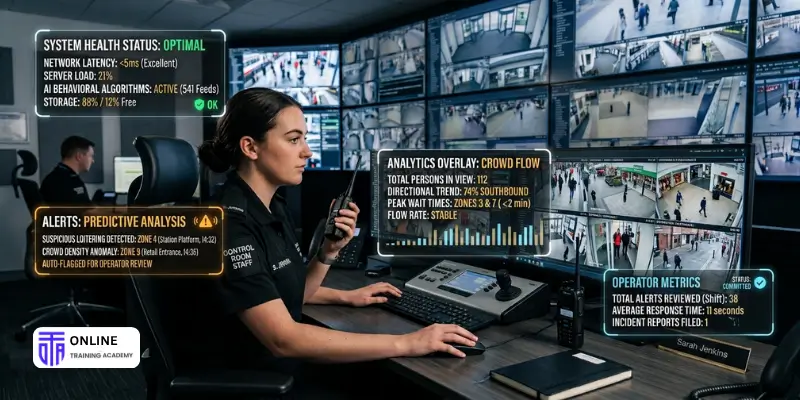
One of the most common misconceptions about a CCTV Operator Course is that it teaches people how to “watch cameras.” While monitoring video feeds is part of the job, effective surveillance involves much more than simply looking at screens.
Modern CCTV operators play an active role in protecting people, property, and assets. They must remain alert, recognize unusual behaviour, assess potential risks, follow established procedures, and communicate accurate information when incidents occur.
Without understanding these responsibilities beforehand, learners may underestimate the level of concentration, professionalism, and decision-making the role requires.
The Core Duties and Responsibilities of a CCTV Operator
Although responsibilities vary depending on the workplace, most CCTV operators perform a combination of surveillance, observation, communication, and documentation throughout their shift.
Typical duties include:
- Monitoring live CCTV footage across multiple camera systems
- Identifying suspicious or unusual behaviour
- Reporting security incidents according to workplace procedures
- Recording important events through detailed incident logs
- Communicating with on-site security personnel or supervisors
- Retrieving recorded footage when required for investigations
- Maintaining confidentiality when handling surveillance information
- Following emergency response procedures when necessary
Rather than reacting to every movement, experienced operators learn to recognize behavioural patterns and identify situations that genuinely require attention. This ability develops through training, practice, and experience—not by simply watching screens for hours.
A Day in the Life of a CCTV Operator
A CCTV operator’s shift is rarely as predictable as many people imagine. While there may be quiet moments, staying alert is essential because a routine day can change in seconds.
Most shifts begin with a handover, where operators review ongoing incidents, equipment status, and any areas requiring extra attention. Once surveillance begins, they monitor multiple camera feeds, identify unusual activity, log important events, and communicate with security teams whenever action is needed.
Before finishing their shift, operators complete incident reports, update surveillance records, and brief the next team. The job isn’t just about watching cameras—it’s about making informed decisions, responding calmly under pressure, and helping maintain a safe and secure environment.
Common Misconceptions About the Role
Many people begin a CCTV Operator Course with assumptions that don’t reflect the realities of modern surveillance work. Understanding these misconceptions beforehand can help you approach your training with realistic expectations.
"I only need to watch camera screens."
Monitoring cameras is just one responsibility. Operators also interpret what they see, assess risks, follow procedures, and communicate accurate information to others.
"Technology does most of the work."
Modern surveillance systems include advanced features such as motion detection and automated alerts, but technology cannot replace human judgement. Operators still need to evaluate situations, distinguish between genuine threats and false alarms, and decide how to respond appropriately.
"Communication isn't an important skill."
In reality, communication is one of the most valuable skills a CCTV operator can develop. Clear incident reporting and effective coordination with colleagues help ensure appropriate action is taken during security events.
"Every day is exactly the same."
While routine monitoring forms part of the job, no two shifts are completely identical. Unexpected situations require operators to remain adaptable, observant, and prepared to respond according to established procedures.
"Anyone can do the job without training."
Watching video footage may seem simple, but understanding surveillance procedures, documenting incidents correctly, protecting confidential information, and recognizing suspicious behaviour all require structured learning and continuous practice.
Mistake #2: Confusing a CCTV Operator with a Security Guard
It’s easy to assume that CCTV operators and security guards perform the same job because both contribute to workplace safety. However, their responsibilities, work environments, and daily tasks are quite different. Understanding these differences before enrolling in a CCTV Operator Course can help you choose the right career path and avoid unrealistic expectations.
CCTV Operator vs Security Guard: What's the Difference?
Although both roles support security operations, they focus on different aspects of protecting people and property.
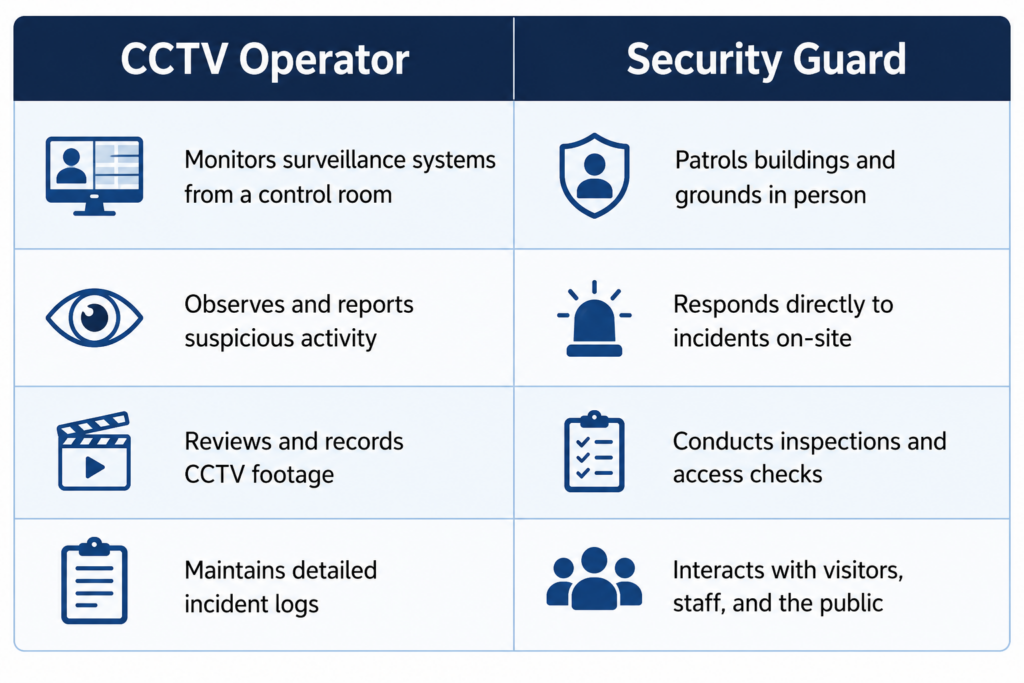
A CCTV operator is responsible for identifying potential issues early and providing accurate information to those responding on the ground. Security guards, on the other hand, are often the first to physically respond to alarms, disturbances, or emergencies.
How the Two Roles Work Together
Imagine a CCTV operator notices someone attempting to enter a restricted area. Instead of confronting the individual, the operator verifies the situation through multiple camera angles, records the incident, and alerts the on-site security team. The security guard then investigates the situation while the operator continues monitoring and documenting events.
This teamwork allows security teams to respond quickly while maintaining a clear record of what happened.
Which Role Is Right for You?
If you enjoy analysing situations, paying close attention to detail, and working with surveillance technology, becoming a CCTV operator may be a good fit. If you prefer active patrols, interacting with people, and responding directly to incidents, a security guard role might suit you better.
Understanding these differences before choosing a course helps ensure your training aligns with your interests and long-term career goals.
Mistake #3: Ignoring Qualification Requirements Before Enrolling
Another common mistake is signing up for a course without understanding what employers actually expect. While many CCTV Operator Courses are suitable for beginners, completing a course alone doesn’t automatically prepare you for every job opportunity.
What Qualifications Do You Need?
Requirements vary depending on the employer and region, but most organizations look for candidates who:
- Have completed relevant CCTV operator training
- Can communicate clearly and professionally
- Are comfortable using computers and surveillance systems
- Can remain calm during stressful situations
Some employers may also require background checks or additional licensing depending on local regulations.
Employers Look Beyond Certification
A certificate demonstrates that you’ve completed training, but employers also want evidence that you can apply your knowledge in real situations.
They often value candidates who can:
- Stay focused during long monitoring periods
- Write clear and accurate incident reports
- Follow security procedures consistently
- Communicate effectively with colleagues
- Make sound decisions under pressure
These qualities develop through continuous learning and practical experience—not just completing a course.
Questions to Ask Before You Enrol
Before enrolling in any CCTV Operator Course, ask yourself:
- Does the course explain real workplace responsibilities?
- Will I learn incident reporting and surveillance procedures?
- Does the training reflect current industry practices?
- Will the skills I gain support my long-term career goals?
Choosing a course with these questions in mind can help you make a more informed decision and better prepare for a career in surveillance.
Mistake #4: Overlooking Real Control Room Training
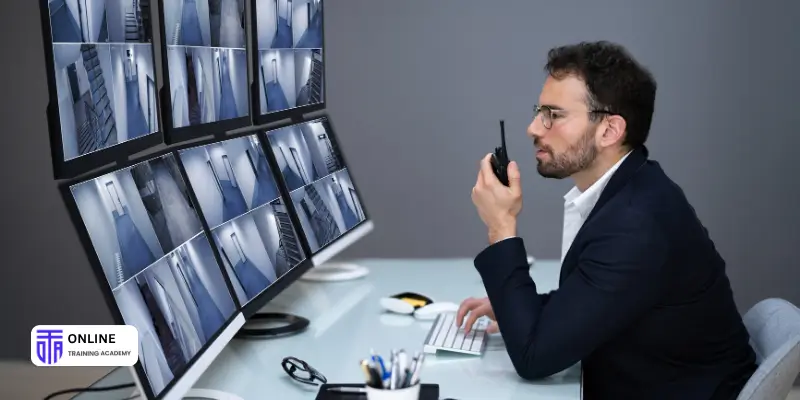
Many people choose a CCTV Operator Course based on its title, price, or duration without looking closely at what they’ll actually learn. While understanding surveillance theory is important, employers also expect CCTV operators to know how a control room functions and how to respond when real situations arise.
A course that only covers basic concepts may leave you unprepared for the pace and responsibilities of a professional surveillance environment.
How Is a CCTV Monitoring Room Used?
A CCTV monitoring room serves as the central hub for surveillance operations. Operators monitor live camera feeds, review recorded footage, track alarms, and document incidents as they happen.
Depending on the workplace, they may also:
- Monitor multiple locations at the same time
- Verify security alarms before escalating them
- Communicate with on-site security personnel
- Record important events for future investigations
- Maintain accurate surveillance logs
Understanding how these environments operate helps learners connect classroom knowledge with real workplace responsibilities.
Why Control Rooms Matter in Modern Security
A well-managed control room helps organisations detect security issues early, coordinate responses, and maintain reliable records of incidents. Rather than reacting after an event has occurred, CCTV operators help identify risks as they develop, allowing security teams to respond more efficiently.
This is why employers value candidates who understand not only how surveillance equipment works but also how information flows between the control room and on-site personnel during everyday operations and emergencies.
Signs a Course Includes Practical, Workplace-Relevant Learning
Not every course offers the same learning experience. Before enrolling, review the curriculum to see whether it goes beyond basic theory.
Look for training that includes:
- Scenario-based surveillance exercises
- Incident reporting and documentation
- Communication during security incidents
- Decision-making in realistic situations
- Best practices for operating in a CCTV control room
The more closely a course reflects real working conditions, the easier it becomes to transition from training to the workplace.
Mistake #5: Not Preparing for Real Workplace Challenges
Many new learners expect the job to be routine, but CCTV operators regularly face situations that require concentration, sound judgement, and professionalism. Understanding these challenges before starting your course helps you build realistic expectations and prepare more effectively.
Common Challenges CCTV Operators Face
Even with modern surveillance technology, operators remain responsible for making informed decisions. Some common workplace challenges include:
- Maintaining focus during long shifts
- Monitoring several camera feeds simultaneously
- Distinguishing genuine threats from false alarms
- Responding calmly during emergencies
- Completing accurate reports while incidents are still unfolding
The ability to stay attentive and follow procedures consistently is often just as important as technical knowledge.
Best Practices Experienced Operators Follow
Successful CCTV operators develop habits that improve both accuracy and confidence. These include:
- Following standard operating procedures at all times
- Keeping detailed and objective incident records
- Communicating clearly with colleagues and supervisors
- Staying alert without making assumptions
- Continuously updating their knowledge and skills
These practices help reduce errors and support effective security operations.
Don't Overlook Legal and Ethical Responsibilities
One area that many beginners underestimate is the importance of handling surveillance information responsibly. CCTV operators often work with sensitive footage and confidential information, making professionalism essential.
Before entering the field, it’s important to understand responsibilities such as:
- Respecting individual privacy
- Protecting confidential recordings
- Following workplace policies for storing and sharing footage
- Reporting incidents objectively and accurately
A good CCTV Operator Course should introduce these principles early, helping learners understand that effective surveillance is about responsibility as much as technology.
How to Avoid These Mistakes Before You Start Your CCTV Operator Course
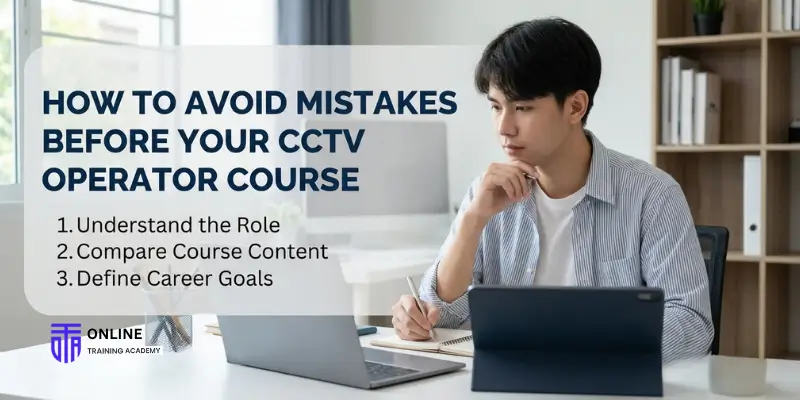
Choosing the right course begins with good preparation. Before enrolling, take time to understand the role, compare course content, and think about your long-term career goals.
A few simple steps can make a significant difference:
- Research the day-to-day responsibilities of CCTV operators.
- Compare course content rather than choosing based on price alone.
- Look for training that includes practical workplace scenarios.
- Understand the qualifications and skills employers value.
- Choose a course that aligns with the type of security career you want to build.
Starting your training with realistic expectations will help you gain more from the course and feel better prepared when you enter the workplace.
Conclusion
Choosing a CCTV Operator Course is about more than earning a certificate—it’s about preparing for the responsibilities you’ll face in a real surveillance environment. Understanding the role, knowing what employers expect, and selecting training that reflects real workplace scenarios can help you avoid common mistakes from the start.
Before you enrol, take the time to compare course content, understand the qualifications required, and look for training that develops both technical knowledge and essential workplace skills. A well-chosen course will leave you better equipped to handle the challenges of a CCTV operator’s role with confidence.
The best CCTV operators aren’t simply watching screens—they’re making informed decisions, communicating effectively, and helping maintain safe and secure environments. Start your learning journey with realistic expectations, and you’ll build a stronger foundation for long-term success in the security industry.
FAQs
A CCTV operator monitors surveillance systems, identifies suspicious activity, records incidents, communicates with security personnel, and maintains accurate reports to support security operations.
No. CCTV operators primarily monitor surveillance systems from a control room, while security guards patrol premises, interact with the public, and respond to incidents on-site. Although the two roles often work together, their daily responsibilities are different.
Many CCTV Operator Courses are suitable for beginners. However, employers often look for candidates with good communication skills, attention to detail, computer literacy, and the ability to remain calm under pressure. Depending on your location, additional licensing or background checks may also be required.
Some of the most valuable skills include observation, situational awareness, communication, critical thinking, incident reporting, problem-solving, and the ability to make informed decisions during security incidents.
Common challenges include maintaining concentration during long shifts, monitoring multiple camera feeds, identifying genuine security risks, responding to emergencies, and producing accurate incident reports while following workplace procedures.
Compare course content instead of focusing only on price. Look for training that covers real workplace responsibilities, surveillance procedures, incident reporting, and practical scenarios that reflect modern security operations.
Yes. Many courses are designed for people with little or no previous experience. They’re intended to introduce learners to surveillance principles, CCTV operations, and the responsibilities associated with working in the security industry.
Learn More


Get a FREE Course
- Learn useful skills online free
- Get CPD accredited certificate
- Add it to your CV today!