

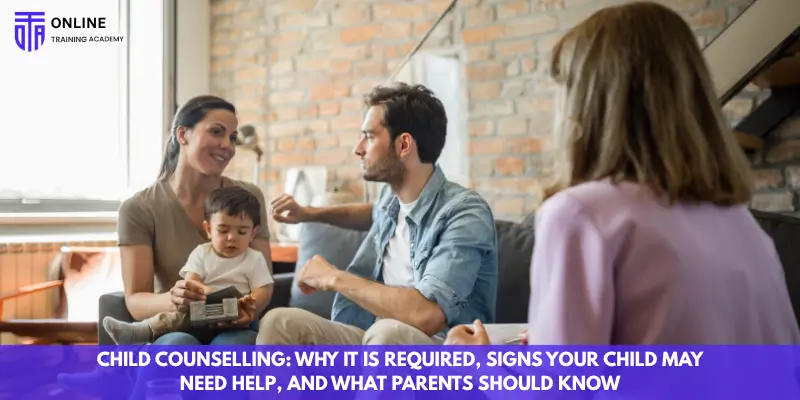
Understanding When a Child Needs Support
Did you know that nearly 1 in 8 children in the UK experience a diagnosable mental health condition, yet most never receive professional support? For many children, struggles with emotions, behaviour, or social challenges go unnoticed until they start affecting school, friendships, or family life.
Childhood is a critical period for emotional development, and early support can make a lasting difference. While some children naturally navigate challenges, others may benefit from professional guidance to understand their feelings, manage difficult emotions, and develop coping skills.
Child counselling provides a structured, safe space for children to express themselves, build resilience, and learn strategies to manage stress, anxiety, or behavioural challenges. Unlike adult therapy, child counselling often uses creative, age-appropriate techniques such as play therapy, storytelling, and drawing, allowing children to communicate in ways they feel comfortable.
This blog explores:
- Why child counselling is required
- Signs that a child may need help
- Benefits of child counselling for both the child and the family
- How to find a suitable child counsellor in the UK
- Common treatment approaches used in child counselling
By understanding these aspects, parents, carers, and educators can provide the support children need to thrive emotionally, socially, and academically.
Child Counselling: Why It Is Required, Signs Your Child May Need Help, and What Parents Should Know
"Child counselling helps children cope with emotional, behavioral, social, and developmental challenges in a healthy way. This blog explains why child counselling is important, highlights common signs that a child may need professional support, and provides parents with essential information on how counselling can promote their child's emotional well-being, confidence, and overall development."
Table of Contents
Why Child Counselling Is Required
Child counselling is not only a response to emotional or behavioural difficulties but also a proactive tool to support healthy development.
Emotional Development and Mental Health
Children experience a wide range of emotions, from joy and excitement to fear, sadness, and frustration. When children cannot process these emotions effectively, it may lead to:
- Anxiety or depression
- Aggression or withdrawal
- Difficulty in school or social situations
In the UK, safeguarding frameworks such as Working Together to Safeguard Children (2018) and Care Act 2014 emphasise early emotional support as essential to prevent long-term psychological harm. Counselling provides structured support tailored to developmental needs, helping children manage challenges before they escalate.
Academic and Social Impact
Emotional struggles often affect school performance and social integration. Children may find it difficult to concentrate, complete assignments, or maintain friendships. Counselling supports:
- Focus and concentration
- Confidence in social situations
- Problem-solving and decision-making skills
Family Wellbeing
A child’s distress often impacts the entire family. Counselling strengthens family relationships by:
- Improving communication
- Teaching strategies to handle conflicts constructively
- Reducing household stress and tension
Signs Your Child May Need Counselling
Recognising early warning signs allows parents to intervene before difficulties escalate. Children may not be able to verbalise their emotions, so behavioural changes often provide the first clues.
Emotional Warning Signs
- Persistent sadness, anxiety, or fear
- Excessive worry or clinginess
- Mood swings or irritability
Behavioural Changes
- Increased aggression or defiance
- Avoidance of school, friends, or social activities
- Regression in behaviour (e.g., bedwetting in older children)
Academic and Social Indicators
- Declining grades or lack of motivation
- Struggles with concentration or completing tasks
- Difficulties maintaining friendships
Responses to Life Events
- Bereavement or loss of a loved one
- Family separation, divorce, or relocation
- Traumatic events such as accidents, bullying, or abuse
In these situations, timely intervention through counselling can prevent further emotional or behavioural challenges.
Benefits of Child Counselling

Child counselling provides benefits that extend beyond the child, positively influencing family and school life.
Benefits for the Child
1.Emotional Regulation
Counselling teaches children to recognise, understand, and manage their emotions effectively. For example, a child who experiences anger outbursts can learn techniques to calm down and express feelings constructively.
2.Improved Behaviour
Problematic behaviours such as aggression, defiance, or withdrawal are addressed by identifying underlying causes and replacing negative patterns with healthier responses.
3.Better Academic Performance
Children learn coping and concentration skills that improve focus, motivation, and engagement at school. Counselling helps reduce anxiety that may interfere with learning.
4.Enhanced Self-Esteem and Confidence
Success in managing emotions and solving problems builds self-worth. Counselling helps children recognise strengths and develop a positive sense of self.
5.Social Skills Development
Through counselling, children learn to navigate social interactions, communicate effectively, and form healthy relationships with peers.
Benefits for the Family
1.Enhanced Communication
Counselling provides parents with tools to communicate better with their children, encouraging open discussion of feelings and concerns.
2.Stronger Family Bonds
By improving understanding and reducing conflict, counselling strengthens relationships within the family unit.
3.Supportive Environment
Families learn strategies to create a nurturing home environment that fosters emotional wellbeing and resilience.
4.Reduced Parental Stress
Understanding a child’s needs and having practical strategies reduces anxiety and frustration for parents, creating a calmer household.
When to Seek Child Counselling
Recognising when a child might benefit from counselling is not always straightforward. Children often cannot articulate what they are feeling, and many behaviours are part of normal development. However, persistent emotional or behavioural difficulties can indicate that professional support is needed. Here are the key indicators parents should look out for, with examples and UK-focused guidance:
1. Emotional or Behavioural Difficulties Persist for More Than a Few Weeks
Children naturally experience ups and downs, mood swings, and occasional defiance. But when emotional or behavioural issues continue for several weeks without improvement, it could indicate underlying distress.
Examples include:
- A 9-year-old who is usually cheerful but has been consistently tearful or anxious for over a month
- A 12-year-old showing frequent outbursts of anger or irritability at home and at school
- Persistent bedwetting in a child who had previously been fully toilet-trained
In the UK, mental health professionals recommend observing patterns over time rather than reacting to isolated incidents, as early intervention can prevent problems from becoming more serious.
2. Problems Interfere with School, Friendships, or Family Relationships
A child’s difficulties are particularly concerning when they affect everyday functioning. Counselling can help children learn coping strategies to navigate these challenges.
Examples include:
- A child refusing to go to school due to anxiety or bullying
- Frequent arguments or withdrawal from siblings or friends
- Decline in academic performance because of difficulty concentrating or low motivation
Schools in the UK play a crucial role in early detection. Teachers may notice changes in participation, attention, or social interactions and can suggest counselling support or refer the child to NHS CAMHS if appropriate.
3. Experiencing Significant Stress, Trauma, or Life Changes
Certain life events can overwhelm a child’s ability to cope. Counselling provides a safe, supportive space to process these experiences.
Common triggers in the UK context include:
- Family separation or divorce
- Relocation or changing schools
- Bereavement or serious illness in the family
- Witnessing domestic violence or other traumatic events
For example, a child who recently moved to a new town may feel isolated, anxious about friendships, or struggle academically. Counselling can help the child adapt to the change, process emotions, and develop resilience.
4. Parents Are Unsure How to Support the Child Effectively
Sometimes parents notice subtle signs that something is wrong but are unsure how to respond. Counselling can provide both child-focused support and parent guidance, enabling families to respond constructively.
Examples include:
- A parent observes withdrawal but is unsure how to encourage the child to talk
- A child exhibits anxiety at bedtime, and parents are unsure how to calm or reassure them
- Confusion over whether behaviour is age-appropriate or indicative of deeper issues
UK guidelines emphasise that parents are often the first line of support, but professional counselling is vital when expert strategies are needed to help children manage their emotions safely.
The Importance of Early Intervention
In the UK, national frameworks such as Working Together to Safeguard Children (2018) and NHS guidance highlight the value of early support for emotional and behavioural issues. Evidence shows that children who access counselling early are more likely to:
- Develop emotional regulation skills
- Maintain positive relationships with peers and family
- Recover more quickly from trauma or stressful events
- Achieve better academic outcomes
A 10-year-old struggling with anxiety about school initially resisted counselling. After a few sessions of play therapy and parental guidance, the child learned coping techniques and gradually returned to full attendance, demonstrating the long-term benefit of early intervention.
How to Find a Good Child Counsellor in the UK
Tips for Selecting the Right Counsellor
1. Check Qualifications and Accreditation
Look for professionals registered with:
- British Association for Counselling and Psychotherapy
- UK Council for Psychotherapy
2. Experience with Children
Ensure the counsellor has experience working with your child’s age group and developmental stage.
3. Specialisations
Some counsellors specialise in anxiety, trauma, ADHD, or social skills. Match the counsellor’s expertise to your child’s needs.
4. Approach and Techniques
Ask about therapy methods such as play therapy, cognitive behavioural therapy (CBT), or art therapy.
5. Comfort and Trust
The child must feel safe and comfortable. A strong therapeutic relationship improves outcomes.
6. Availability and Costs
- NHS CAMHS is free but requires referral via GP, school, or social worker
- Private counselling ranges from £40–£100 per session depending on experience and location
Treatment Approaches Used in Child Counselling
Play Therapy
Allows children to express emotions, fears, and experiences through toys, games, or imaginative scenarios. Particularly effective for younger children who struggle with verbal communication.
Cognitive Behavioural Therapy (CBT)
CBT helps children identify negative thought patterns and replace them with positive or realistic alternatives. Useful for anxiety, depression, and behavioural challenges.
Art and Creative Therapies
Drawing, painting, and storytelling allow children to explore feelings in a non-verbal, creative way. Counsellors use these outputs to guide discussion and emotional processing.
Family Therapy and Parent Involvement
Counselling often includes parental guidance and family sessions to improve communication, consistency, and emotional support. Parents learn strategies to reinforce skills at home.
Solution-Focused and Behavioural Approaches
- Focus on practical solutions rather than past problems
- Positive reinforcement encourages behavioural change
- Children develop actionable coping strategies for daily challenges
Role of Schools and Multi-Agency Support

School Involvement
- Teachers provide observations of behaviour and academic performance
- School-based counsellors or pastoral staff support early intervention
- Collaboration ensures consistency between home and school
Multi-Agency Collaboration
- GPs, social workers, educational psychologists, and NHS CAMHS work together when necessary
- Ensures children with complex needs receive holistic support
Conclusion
Child counselling is more than just a response to emotional or behavioural issues—it is a proactive strategy to foster resilience, emotional intelligence, and overall wellbeing.
By recognising early signs of distress, understanding the benefits of counselling, and working closely with trained professionals, parents can help children develop coping skills, strengthen family bonds, and improve academic and social outcomes.
In the UK, resources such as NHS CAMHS, school counselling, and accredited private therapists ensure children have access to timely and effective support. Ultimately, creating a safe, understanding, and nurturing environment empowers children to navigate challenges confidently and thrive emotionally, socially, and academically.
FAQs
A safe space for children to explore feelings, behaviours, and experiences with guidance from a trained professional.
Persistent emotional or behavioural issues, academic struggles, social difficulties, or responses to trauma indicate a need for support.
Children of all ages, from pre-school through adolescence, can benefit, with techniques adapted to developmental stages.
Duration varies depending on need. Some children require a few sessions; others benefit from long-term support.
Describe it as a safe, private space where they can talk to someone who listens and helps them feel better.
Both NHS and private counsellors can be effective. The key is matching the counsellor’s expertise to the child’s needs and ensuring trust and comfort.
Learn More




Get a FREE Course
- Learn useful skills online free
- Get CPD accredited certificate
- Add it to your CV today!