

Introduction
Wellness trends come and go, but the healthiest routines are usually built on consistent habits rather than quick fixes. As lymphatic drainage massage therapy becomes more popular, many people are asking whether it genuinely supports everyday wellbeing or if it’s simply another wellness trend.
Lymphatic drainage massage therapy is known for its gentle techniques and is increasingly offered in wellness settings. While it is often associated with detoxification, weight loss, or beauty treatments, these claims can create unrealistic expectations. In reality, it may complement a healthy lifestyle by promoting relaxation and supporting the body’s natural lymphatic function.
This article explores how lymphatic drainage massage therapy fits into an everyday wellness routine, what you can realistically expect from a session, and how it works alongside healthy habits such as exercise, hydration, balanced nutrition, and quality sleep.
Table of Contents
Lymphatic Drainage Massage Therapy
Lymphatic Drainage Massage Therapy is a comprehensive course that introduces the principles and techniques of manual lymphatic drainage. Learn how to support lymphatic function, reduce swelling, promote relaxation, and apply safe, effective massage practices for client wellbeing in professional or personal settings.
How Does Lymphatic Drainage Massage Therapy Support Everyday Wellness?
Lymphatic drainage massage therapy supports everyday wellness by using slow, gentle movements that encourage the natural movement of lymph fluid through the lymphatic system. Unlike traditional massage, which mainly focuses on muscles and soft tissues, this technique is designed around the body’s lymphatic pathways.
While it is commonly used in certain healthcare settings, many people also choose lymphatic drainage massage as part of their broader self-care routine. The experience is often calming, encouraging people to slow down, relax, and become more aware of their overall wellbeing. Although it is not a cure for illness or a replacement for medical care, it may complement healthy lifestyle habits when used appropriately.
Understanding Everyday Wellness Beyond the Absence of Illness
Wellness is about more than avoiding illness. It reflects how people care for their physical, mental, and emotional wellbeing through consistent daily habits.
For many people, everyday wellness includes:
- Staying physically active
- Managing stress
- Getting enough sleep
- Eating a balanced diet
- Making time for relaxation
- Looking after both body and mind
These habits work together to support overall health. Instead of relying on a single treatment or product, long-term wellness is usually built through small, sustainable choices made over time.
Lymphatic drainage massage fits into this wider picture by offering another way to prioritise self-care rather than replacing the foundations of a healthy lifestyle.
Where Lymphatic Drainage Massage Fits Into a Wellness Routine
Many wellness practices work best when they complement one another, and lymphatic drainage massage is no exception.
Some people include it as part of their routine because they enjoy:
- Taking time to relax
- Reducing the physical effects of a busy schedule
- Creating regular self-care habits
- Feeling refreshed after a session
Rather than viewing massage as something that fixes every problem, it is more helpful to see it as one part of an overall wellbeing plan.
For example, someone who exercises regularly, stays hydrated, and manages stress may choose an occasional lymphatic drainage massage as another way to support their wellness routine. The massage does not replace those habits—it works alongside them.
Why Wellness Looks Different for Everyone
There is no single definition of a healthy lifestyle because everyone has different priorities, schedules, and health goals.
For one person, wellness may involve improving flexibility through regular exercise. For another, it may mean finding ways to manage stress or creating more time for rest.
The same applies to massage therapy. Some people prefer deep tissue massage to ease muscle tension, while others enjoy the gentle pace of lymphatic drainage massage because it encourages relaxation without firm pressure.
Choosing wellness practices based on your own needs rather than following trends is often the most sustainable approach.
What Happens During a Lymphatic Drainage Massage Session?
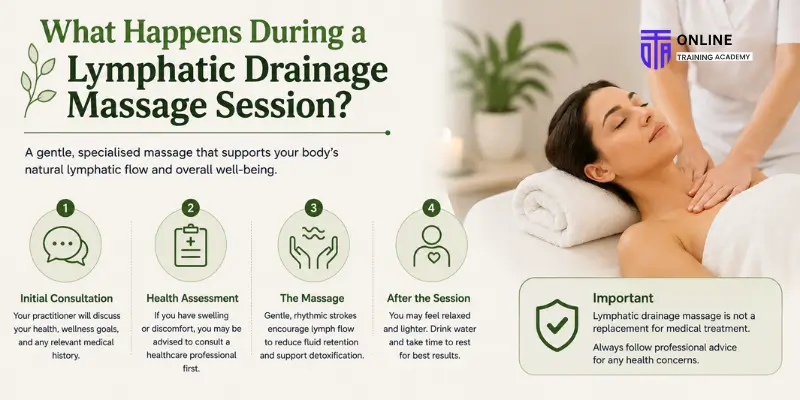
Knowing what to expect can make it easier to decide whether lymphatic drainage massage aligns with your wellness goals. Although each practitioner may have their own approach, most sessions follow a similar structure.
Before the Session
The appointment usually begins with a brief discussion about your general health, wellness goals, and any relevant medical history. This helps the practitioner understand your needs and determine whether the therapy is appropriate for you.
If you are seeking massage because of persistent swelling, discomfort, or another health concern, the practitioner may recommend that you first speak with a healthcare professional to identify the underlying cause.
During the Massage
Unlike many traditional massage techniques, lymphatic drainage massage uses very light, rhythmic movements across specific areas of the body.
Rather than applying firm pressure to muscles, the practitioner gently stretches the skin in the direction of lymphatic flow. The movements are slow, repetitive, and carefully controlled.
Many people describe the experience as:
- Gentle and relaxing
- Calm and unhurried
- Comfortable rather than intense
- Easy to fall asleep during
Because the technique is so gentle, some people are surprised by how different it feels from a traditional massage. However, the light pressure is intentional and reflects the location of lymphatic vessels close to the skin’s surface.
After the Session
People respond differently after a lymphatic drainage massage. Some report feeling relaxed or refreshed, while others simply enjoy taking time away from their daily routine.
Practitioners may recommend simple aftercare tips such as:
- Drinking enough water throughout the day
- Staying physically active with gentle movement
- Paying attention to how your body feels
- Continuing healthy daily habits
It is also important to keep expectations realistic. A single massage session is unlikely to transform your health overnight. Instead, its value often comes from being one part of a consistent wellness routine rather than a standalone solution.
Potential Everyday Wellness Benefits of Lymphatic Drainage Massage
Lymphatic drainage massage is often included in wellness routines because of the calm, gentle experience it provides. While research into its broader wellness benefits is still developing, many people choose this therapy as part of their regular self-care rather than expecting dramatic or immediate results.
The greatest value of lymphatic drainage massage lies in how it complements healthy lifestyle habits. When combined with regular movement, balanced nutrition, good sleep, and stress management, it may contribute to an overall sense of wellbeing.
Supporting Relaxation and Stress Management
Modern life can be physically and mentally demanding. Long working hours, busy schedules, and constant screen time often leave little opportunity to slow down and recharge.
The slow, rhythmic nature of lymphatic drainage massage encourages many people to relax during a session. Unlike deeper massage techniques that work directly on muscles, this gentle approach creates a calm experience that some individuals find soothing after a stressful week.
Although massage should not be considered a treatment for stress-related conditions, making time for relaxation is an important part of maintaining everyday wellbeing.
Encouraging Body Awareness and Self-Care
Wellness is not only about physical health—it is also about developing habits that encourage people to pay attention to how they feel.
Scheduling regular self-care activities can remind people to slow down, take breaks, and prioritise their wellbeing. For some, lymphatic drainage massage becomes part of that routine, offering dedicated time away from work, responsibilities, and everyday distractions.
This sense of intentional self-care can help people feel more connected to their overall health and encourage healthier daily choices.
Supporting Comfort as Part of a Healthy Lifestyle
Some individuals report feeling lighter, more comfortable, or refreshed after a lymphatic drainage massage. Others simply appreciate the opportunity to relax in a quiet environment.
However, these experiences vary from person to person. Factors such as overall health, activity levels, hydration, and lifestyle habits all influence how someone feels after a session.
Rather than expecting dramatic changes, it is more realistic to view lymphatic drainage massage as one supportive element within a broader wellness routine.
Why Individual Experiences Differ
No two people experience massage in exactly the same way.
Several factors can influence how someone responds, including:
- Overall health and fitness
- Daily activity levels
- Hydration
- Sleep quality
- Stress levels
- Personal expectations
This is why it is important to avoid comparing your experience with someone else’s. Wellness is personal, and the benefits of any self-care practice often depend on the individual rather than the treatment alone.
Everyday Habits That Naturally Support Your Lymphatic System

One of the biggest misconceptions about lymphatic drainage massage is that it alone can “cleanse” or “fix” the lymphatic system. In reality, the lymphatic system works continuously every day, and healthy lifestyle habits play a much bigger role in supporting its normal function.
Massage can complement these habits, but it should not replace them.
Stay Physically Active
Unlike the circulatory system, which relies on the heart to pump blood, the lymphatic system depends largely on body movement to help move lymph fluid.
Simple activities such as:
- Walking
- Stretching
- Cycling
- Swimming
- Light strength training
can all contribute to regular movement throughout the day.
Even short periods of activity can be more beneficial than remaining sedentary for long hours.
Stay Hydrated and Eat a Balanced Diet
Hydration supports many normal body functions, including healthy circulation. Drinking enough water throughout the day and eating a balanced diet rich in fruits, vegetables, whole grains, and lean proteins contributes to overall wellbeing.
Rather than searching for “detox” products or miracle solutions, focusing on consistent nutrition is a more sustainable approach to supporting your health.
Prioritise Sleep and Stress Management
Quality sleep allows the body time to recover and restore itself. Likewise, finding healthy ways to manage stress—whether through exercise, mindfulness, hobbies, or relaxation techniques—can contribute to both physical and emotional wellbeing.
Massage may complement these habits by providing a dedicated opportunity to unwind, but it is only one part of maintaining a healthy lifestyle.
How Massage Complements Healthy Habits
Think of lymphatic drainage massage as one piece of a much larger puzzle.
Its role is not to replace healthy habits but to work alongside them.
A balanced wellness routine might include:
- Regular physical activity
- Nutritious meals
- Adequate hydration
- Consistent sleep
- Stress management
- Time for relaxation
- Occasional massage therapy
When these habits are combined, they create a stronger foundation for long-term wellbeing than relying on any single wellness practice.
Who May Benefit From Lymphatic Drainage Massage Therapy?
Lymphatic drainage massage is not something that everyone needs, but some people choose it because it aligns with their personal wellness goals and preferences.
People Looking to Enhance Their Self-Care Routine
Not everyone enjoys firm or deep-pressure massage.
Some people prefer a slower, lighter approach that focuses on relaxation rather than muscle manipulation. Because lymphatic drainage massage uses gentle, rhythmic movements, it may be a suitable option for those who find deeper massage uncomfortable.
Choosing the right massage is often a matter of personal comfort as much as personal goals.
When Professional Medical Advice Is More Appropriate
Although lymphatic drainage massage is widely used in wellness settings, it is important to recognise when professional assessment is needed.
If you experience:
- Persistent swelling
- Unexplained pain
- Sudden changes in your body
- Swelling after illness or injury
you should seek advice from a qualified healthcare professional rather than relying solely on massage therapy.
Understanding the cause of your symptoms is the first step toward choosing the most appropriate form of care.
Common Myths About Lymphatic Drainage Massage and Wellness
As lymphatic drainage massage has grown in popularity, so have misconceptions about what it can achieve. Separating evidence-based information from marketing claims helps people make informed decisions and set realistic expectations.
Myth: Lymphatic Drainage Massage Detoxes the Body
Fact: One of the most common claims is that lymphatic drainage massage “flushes toxins” from the body. While the lymphatic system plays a role in maintaining fluid balance and supporting immune function, the body naturally removes waste through organs such as the liver, kidneys, lungs, and digestive system.
Lymphatic drainage massage should not be viewed as a detox treatment. Instead, it may support overall wellbeing as part of a healthy lifestyle.
Myth: Everyone Needs Lymphatic Drainage Massage
Fact: There is no single wellness practice that is right for everyone.
Some people enjoy lymphatic drainage massage because they find it relaxing or want to include it in their self-care routine. Others may prefer traditional massage, yoga, regular exercise, or other approaches that better suit their goals and lifestyle.
The best wellness routine is one that is personalised rather than based on trends.
Myth: More Sessions Always Mean Better Results
Fact: More frequent massage does not automatically lead to greater benefits.
How often someone chooses lymphatic drainage massage depends on their individual goals, lifestyle, budget, and, where relevant, advice from a healthcare professional. For general wellness, consistency in healthy daily habits is usually more important than the number of massage sessions.
Myth: Massage Can Replace Healthy Lifestyle Habits
Fact: Massage is most effective when it complements—not replaces—healthy behaviours.
Regular movement, balanced nutrition, hydration, quality sleep, and stress management remain the foundation of everyday wellness. Lymphatic drainage massage can be a valuable addition to these habits, but it should not be seen as a substitute for them.
What Does Current Research Say About Lymphatic Drainage Massage and Wellness?
Interest in lymphatic drainage massage has increased significantly, but research into its broader wellness benefits is still evolving.
Where the Evidence Is Strongest
Current evidence is strongest for the use of manual lymphatic drainage in specific healthcare situations, particularly as part of the management of certain forms of lymphoedema under professional guidance.
Research into its effects on general wellness, relaxation, and overall quality of life continues to grow. While some individuals report positive experiences, results vary, and more high-quality studies are needed to better understand its wider applications.
Why Evidence-Based Expectations Matter
Choosing wellness practices based on reliable information helps avoid disappointment and unrealistic expectations.
Rather than expecting dramatic transformations, it is more helpful to view lymphatic drainage massage as one option that may contribute to overall wellbeing alongside healthy daily habits.
A balanced perspective allows people to appreciate its potential benefits while recognising its limitations.
Is Lymphatic Drainage Massage Right for Your Wellness Routine?
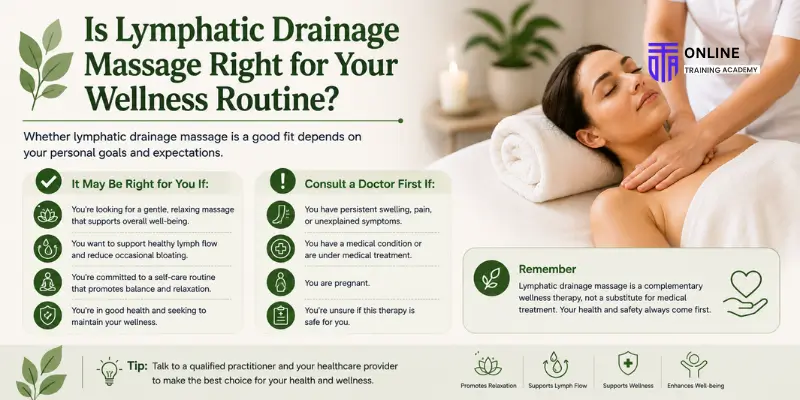
Whether lymphatic drainage massage is a good fit depends on your personal goals and expectations.
If you’re looking for a gentle massage that promotes relaxation and fits into a broader self-care routine, it may be worth considering. However, if you’re experiencing ongoing swelling, pain, or other unexplained symptoms, seeking medical advice should always be the first step.
Questions to Ask Yourself Before Booking
Before scheduling a session, consider the following:
- What am I hoping to achieve from massage?
- Am I looking for relaxation or support for a specific health concern?
- Are my expectations realistic?
- Have I spoken with a healthcare professional if I have persistent symptoms?
Answering these questions can help you choose the most appropriate type of massage for your needs.
Choosing a Qualified Practitioner
A positive experience starts with choosing someone who has appropriate training and understands the therapy they provide.
Look for a practitioner who:
- Explains the treatment clearly
- Discusses your goals and health history
- Encourages realistic expectations
- Advises you to seek medical assessment when necessary
Good communication is just as important as technical skill.
Building a Sustainable Wellness Routine
Long-term wellbeing is rarely the result of one treatment or one healthy habit. Instead, it develops through consistent choices made over time.
A balanced wellness routine may include:
- Regular physical activity
- Nutritious meals
- Staying hydrated
- Quality sleep
- Stress management
- Time for relaxation
- Massage therapy when it aligns with your personal goals
When these habits work together, they create a stronger foundation for supporting both physical and emotional wellbeing.
Conclusion
Everyday wellness isn’t built on quick fixes or the latest health trend. It’s shaped by the small, consistent choices we make each day—staying active, eating well, managing stress, getting enough rest, and making time for self-care.
Lymphatic drainage massage therapy can be a valuable addition to that routine for some people. Its gentle approach may promote relaxation and complement healthy lifestyle habits, but it works best when paired with realistic expectations and evidence-based understanding rather than exaggerated claims.
The most effective wellness routine is one that fits your individual needs and supports your long-term health. By viewing lymphatic drainage massage as one piece of a balanced lifestyle—not a standalone solution—you can make informed choices that contribute to your overall wellbeing in a sustainable way.
FAQs
Yes. Some healthy individuals choose lymphatic drainage massage as part of their self-care routine because they enjoy its gentle, relaxing approach. However, experiences vary, and it should not be viewed as an essential treatment for everyone.
There is no universal schedule. The right frequency depends on your personal goals, lifestyle, and preferences. For medical concerns, always follow advice from a qualified healthcare professional.
Many people find the slow, rhythmic movements calming and relaxing. While relaxation is a common reason people choose this therapy, individual experiences may differ.
Yes. Many people include it alongside other healthy habits such as regular exercise, balanced nutrition, adequate sleep, and stress management as part of a broader wellness routine.
It’s generally recommended to stay hydrated, continue gentle movement, and pay attention to how your body feels. Following any aftercare advice provided by your practitioner can also help support your overall wellbeing.
For many people, lymphatic drainage massage is considered safe when performed by a qualified practitioner. However, it may not be suitable for everyone, so it’s important to discuss any existing medical conditions before treatment.
No. Lymphatic drainage massage is best viewed as a complement to healthy lifestyle habits rather than a replacement for them. Regular physical activity, balanced nutrition, quality sleep, and stress management remain the foundation of long-term wellness.
Learn More





Get a FREE Course
- Learn useful skills online free
- Get CPD accredited certificate
- Add it to your CV today!