

Introduction
A person booking a massage may expect firm pressure and muscle work, only to experience slow, gentle movements instead. This often raises a common question: Is lymphatic drainage massage the same as traditional massage?
Although both use hands-on techniques, they serve different purposes. Lymphatic drainage massage focuses on supporting lymph fluid movement, while traditional massage mainly targets muscles, tension relief, relaxation, and physical comfort. The difference goes beyond pressure—it includes techniques, goals, and practitioner expertise.
Understanding these differences helps people choose the right approach for their needs. This guide compares how each massage works, what they are commonly used for, how they feel, and what factors to consider before choosing between them.
Table of Contents
Lymphatic Drainage Massage Therapy
Lymphatic Drainage Massage Therapy is a comprehensive course that introduces the principles and techniques of manual lymphatic drainage. Learn how to support lymphatic function, reduce swelling, promote relaxation, and apply safe, effective massage practices for client wellbeing in professional or personal settings.
What Is the Difference Between Lymphatic Drainage Massage Therapy and Traditional Massage?
The biggest difference between lymphatic drainage massage and traditional massage is the purpose behind the treatment.
Traditional massage is generally designed to work with muscles and soft tissues. It may help people relax, reduce feelings of muscle tension, and support general physical wellbeing.
Lymphatic drainage massage, also known as Manual Lymphatic Drainage (MLD), has a more specialised focus. It uses gentle, rhythmic movements intended to support the natural movement of lymph fluid through the lymphatic system.
While both therapies involve touch, they approach the body in different ways.
Lymphatic Drainage Massage: A Therapy Focused on Lymph Flow
The lymphatic system is a network of vessels, nodes, and tissues that helps regulate fluid balance and supports immune function. When lymph movement is disrupted, fluid may build up in certain areas, causing swelling or discomfort.
Manual lymphatic drainage uses slow, controlled hand movements that follow lymphatic pathways. Unlike traditional massage, it does not focus on deep pressure or muscle release but aims to encourage the natural movement of lymph fluid.
In healthcare settings, lymphatic drainage massage may be included as part of a wider support plan for individuals affected by certain medical conditions, surgery, or treatments that impact lymphatic function.
Traditional Massage: A Technique Focused on Muscles and Relaxation
Traditional massage includes a wide range of techniques designed to support physical comfort and relaxation.
Depending on the style, it may involve:
- Long gliding strokes
- Kneading movements
- Pressure techniques
- Muscle manipulation
- Stretching approaches
Many people choose traditional massage because they want to:
- Reduce muscle tension
- Relax after stressful periods
- Ease discomfort after physical activity
- Improve feelings of wellbeing
Unlike lymphatic drainage massage, traditional massage usually focuses more directly on muscles, soft tissues, and areas of physical tension.
Why Understanding the Difference Matters Before Booking
Choosing between these therapies depends on the reason someone is seeking massage in the first place.
For example:
A person who spends long hours sitting at a desk and experiences shoulder tension may benefit from a traditional massage approach focused on muscle relaxation.
Someone experiencing lymphatic-related swelling may need a more specialised assessment to determine whether lymphatic drainage massage is appropriate.
Neither option is automatically “better.” They simply serve different purposes.
The most suitable choice depends on:
- The individual’s goals
- Their physical condition
- Their expectations
- Professional advice when health concerns are involved
Understanding Traditional Massage: Techniques, Goals, and Common Uses
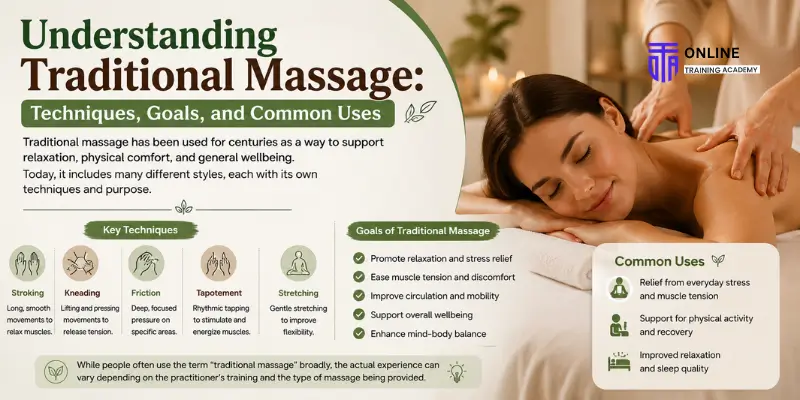
Traditional massage has been used for centuries as a way to support relaxation, physical comfort, and general wellbeing. Today, it includes many different styles, each with its own techniques and purpose.
While people often use the term “traditional massage” broadly, the actual experience can vary depending on the practitioner’s training and the type of massage being provided.
Common Traditional Massage Techniques
Traditional massage may involve different movements designed to work with muscles and soft tissues.
Kneading Movements
Kneading involves rhythmic squeezing and lifting of muscles. It is commonly used to help release areas of tension and improve comfort.
Long Strokes
Long, flowing strokes are often used to promote relaxation and create a calming experience. These movements are commonly associated with Swedish-style massage.
Pressure-Based Techniques
Some massage styles use stronger pressure to target deeper layers of muscle tissue. Deep tissue massage and sports massage are examples where firmer techniques may be used depending on the individual’s needs.
Muscle-Focused Work
Traditional massage often focuses on areas where people commonly hold tension, such as:
- Neck
- Shoulders
- Back
- Legs
- Arms
The intention is usually to support muscle relaxation and physical comfort.
Why People Choose Traditional Massage
Traditional massage is commonly chosen for both physical and emotional wellbeing reasons.
Muscle Tension and Discomfort
Many people seek massage after activities that place stress on muscles, such as exercise, physical work, or prolonged sitting.
Massage may help people feel more comfortable by addressing areas of tightness and tension.
Relaxation and Stress Management
Massage is also widely used as a relaxation practice. The calming environment, gentle touch, and time away from daily demands can contribute to a sense of wellbeing.
Supporting Recovery After Physical Activity
Athletes and active individuals may choose certain massage styles to support recovery routines. Sports massage, for example, is often adapted around training demands and physical performance goals.
However, massage should always be considered alongside appropriate recovery strategies rather than as a replacement for medical care when injuries are present.
Different Types of Traditional Massage
Traditional massage is not one single technique. Different styles may be chosen depending on the person’s goals.
Swedish Massage
Often associated with relaxation, Swedish massage commonly uses flowing strokes, gentle kneading, and moderate pressure.
Deep Tissue Massage
This style focuses on deeper layers of muscle and connective tissue. It typically uses stronger pressure than relaxation-based massage.
Sports Massage
Sports massage is designed around physical activity and may focus on areas affected by training, movement patterns, or athletic demands.
Relaxation Massage
This approach prioritises comfort, calmness, and stress reduction rather than targeted muscle work.
Understanding these differences helps explain why traditional massage cannot be compared to lymphatic drainage massage simply by asking which one is stronger or more effective. They are built around different goals.
What Makes Lymphatic Drainage Massage Different?
Lymphatic drainage massage is different from traditional massage because it works with a completely different system of the body. While traditional massage mainly focuses on muscles, tension, and relaxation, lymphatic drainage massage focuses on supporting the movement of lymph fluid through the lymphatic system.
This difference affects everything from the techniques used to the pressure applied and the reasons someone may choose the therapy.
The Role of the Lymphatic System in This Therapy
The lymphatic system is an important part of the body’s fluid balance and immune support network. It includes lymph vessels, lymph nodes, and lymph fluid that work together to collect excess fluid from tissues and return it to circulation.
When lymphatic flow is disrupted, fluid may build up in certain areas of the body. This can happen after certain surgeries, medical treatments, injuries, or due to conditions such as lymphoedema.
Lymphatic drainage massage is designed around the idea that supporting lymph movement may help manage these challenges when used appropriately.
Unlike traditional massage, the therapist is not primarily trying to release tight muscles. Instead, the focus is on encouraging gentle movement through lymphatic pathways.
Why Lymphatic Drainage Massage Uses Gentle Movements
One of the most noticeable differences between lymphatic drainage massage and traditional massage is the amount of pressure used.
Many people assume that a stronger massage provides better results. However, lymphatic drainage massage works differently.
Lymph vessels are located close to the surface of the skin, meaning they respond to light, controlled movements rather than deep pressure.
A typical lymphatic drainage technique involves:
- Slow, rhythmic movements
- Light stretching of the skin
- Specific directional strokes
- Repeated movements following lymph pathways
The aim is not to press deeply into muscles but to encourage the natural movement of lymph fluid.
This is why a lymphatic drainage massage session may feel very different from a traditional massage. Some people describe it as gentle, calming, and relaxing rather than intense or physically demanding.
How Lymphatic Drainage Massage Fits Into Healthcare Support
Another important difference is the setting where lymphatic drainage massage may be used.
Traditional massage is commonly associated with relaxation centres, wellness clinics, and general physical comfort. Lymphatic drainage massage, however, may also appear within healthcare-related settings when it is considered suitable for a person’s condition.
For example, it may be included as part of support for individuals experiencing:
- Lymphoedema
- Swelling after certain medical procedures
- Lymphatic system-related concerns
In these situations, it is usually one part of a broader approach rather than a standalone solution.
A healthcare plan may also involve:
- Compression therapy
- Exercise and movement guidance
- Skin care recommendations
- Regular monitoring
- Lifestyle support
The purpose is not simply to provide temporary relief but to support the person’s overall wellbeing and daily function.
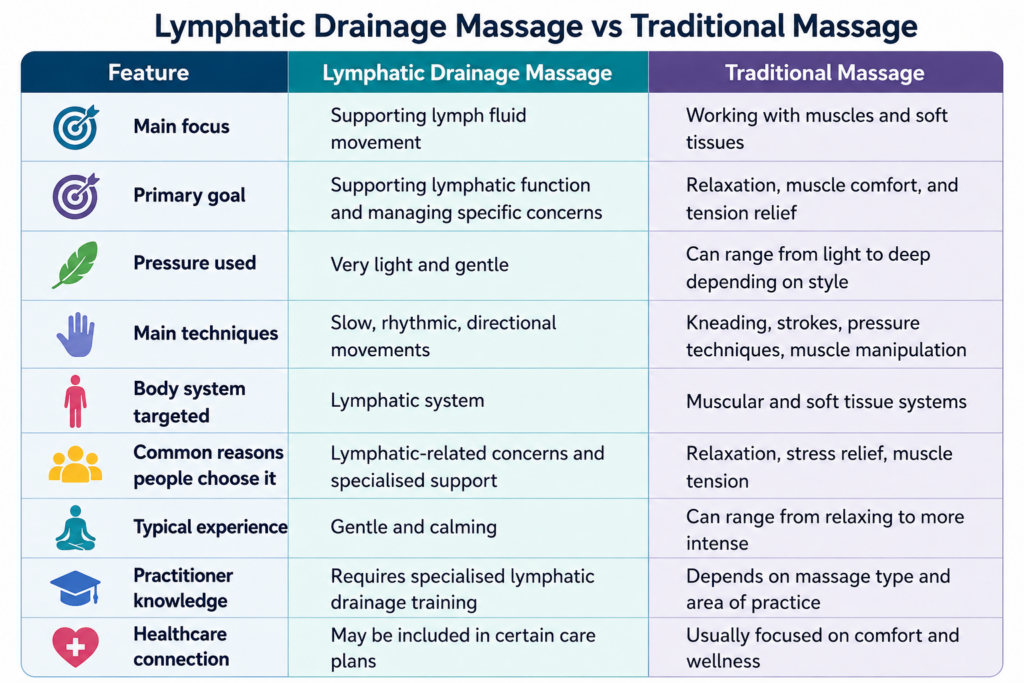
Lymphatic Drainage Massage vs Traditional Massage: Side-by-Side Comparison
Although both therapies involve massage techniques, their goals and approaches are quite different. The following comparison highlights the main differences.
Looking Beyond the Pressure Difference
A common mistake is comparing these therapies only by asking:
“Which massage is stronger?”
However, strength is not the main factor that separates them.
A deeper massage may feel more intense, but that does not make it more suitable for every situation. Similarly, a gentle technique is not necessarily less effective when it has a different purpose.
The important question is:
What outcome are you looking for?
Someone wanting relief from muscle tightness may prefer traditional massage.
Someone needing support for lymphatic-related concerns may require a more specialised approach.
Massage Techniques Compared: How the Approaches Differ
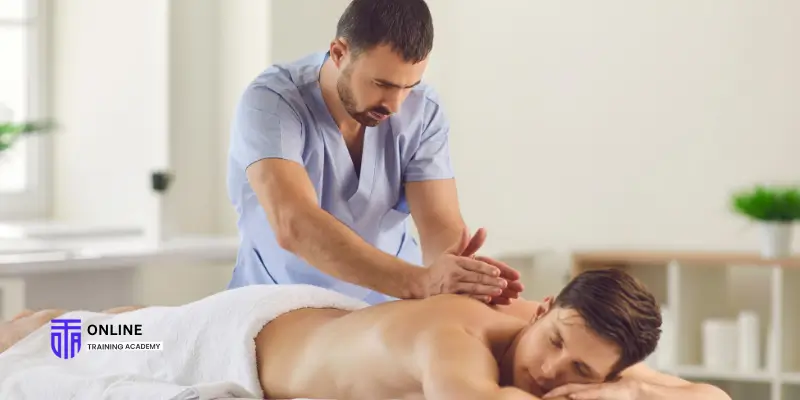
The techniques used in each therapy reflect their different goals.
Lymphatic Drainage Massage Techniques
Manual lymphatic drainage uses carefully structured movements designed around lymphatic anatomy.
Common characteristics include:
- Light pressure
- Slow pacing
- Repetitive movements
- Focus on lymph pathways
- Gentle skin stretching
The therapist may work in a specific sequence depending on the individual’s needs and treatment goals.
The approach requires an understanding of:
- Lymphatic anatomy
- Fluid movement patterns
- Appropriate precautions
- When medical advice may be necessary
Traditional Massage Techniques
Traditional massage techniques are usually designed around muscles, soft tissues, and physical relaxation.
They may include:
- Circular movements
- Kneading
- Friction techniques
- Long strokes
- Pressure application
The therapist may adjust pressure depending on the client’s comfort, preferences, and goals.
For example, someone receiving a relaxation massage may prefer lighter movements, while someone seeking sports massage may choose firmer techniques.
Why Technique Choice Matters
The technique should always match the purpose of the massage.
Using a deep tissue approach when someone requires lymphatic-focused support may not provide the intended outcome. Similarly, choosing lymphatic drainage massage when the main concern is muscle tension may not address the person’s primary goal.
This is why understanding the difference between massage types helps people make better decisions rather than choosing based only on popularity or online recommendations.
Goals and Benefits: Which Massage May Support Different Needs?
The right massage choice depends largely on the reason someone is seeking treatment. Although lymphatic drainage massage and traditional massage both involve therapeutic touch, their intended outcomes are different.
When Lymphatic Drainage Massage May Be Considered
Lymphatic drainage massage may be considered for individuals who need support with lymphatic-related concerns. It is most commonly associated with helping manage swelling linked to changes in lymphatic function.
It may be used alongside other approaches for people experiencing:
- Lymphoedema
- Swelling after certain medical treatments or procedures
- Reduced lymphatic drainage due to health conditions
In healthcare settings, lymphatic drainage massage is usually part of a broader care approach rather than a standalone treatment. The suitability of the therapy depends on the individual’s condition, medical history, and guidance from an appropriate healthcare professional.
When Traditional Massage May Be More Suitable
Traditional massage is often chosen for general physical comfort and relaxation. It may be suitable for people looking to:
- Reduce muscle tension
- Relax after periods of stress
- Support recovery after physical activity
- Improve feelings of overall wellbeing
For example, someone experiencing tight shoulders from long hours at a desk may find traditional massage more aligned with their goal because the focus is on muscles and areas of tension.
Can One Massage Replace the Other?
No. Lymphatic drainage massage and traditional massage serve different purposes, so one should not be viewed as a replacement for the other.
Choosing the right option depends on:
- The reason for seeking massage
- Personal health needs
- Expected outcomes
- Professional advice when medical concerns are involved
The most effective approach is choosing a therapy based on the individual’s needs rather than assuming one type of massage is better overall.
How Do You Know If You Need Lymphatic Drainage Massage?
Choosing between lymphatic drainage massage and traditional massage starts with understanding what you want to achieve.
Signs That May Require Further Assessment
If someone experiences symptoms such as:
- Persistent swelling
- A feeling of heaviness in an arm or leg
- Changes after surgery or medical treatment
- Unexplained fluid buildup
it is important to seek appropriate medical advice before choosing a massage treatment.
Swelling can have many causes, and understanding the reason behind it is essential before starting any therapy.
Questions to Ask Before Choosing a Massage Type
Before booking a session, consider:
- Am I looking for relaxation or support with a specific health concern?
- Has my condition been properly assessed?
- Does the practitioner have appropriate training?
- What results should I realistically expect?
These questions can help avoid confusion and ensure the chosen approach matches the person’s needs.
How Long Does It Take to Notice Results?
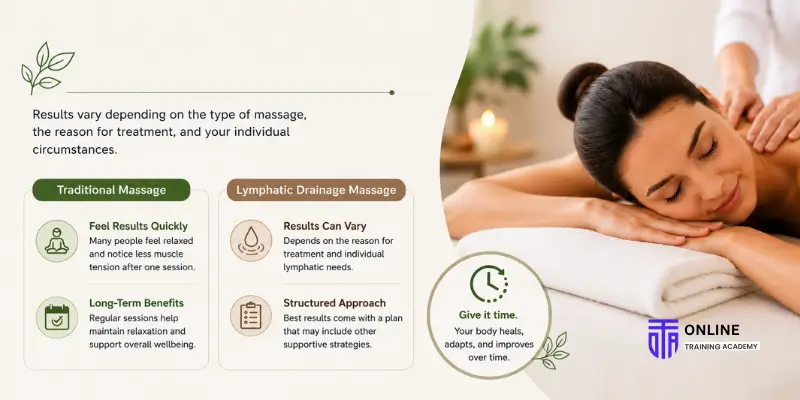
The time it takes to notice changes depends on the type of massage, the reason for treatment, and the individual’s circumstances.
With traditional massage, some people may immediately notice feelings of relaxation or reduced muscle tension after a session. However, longer-term benefits may depend on lifestyle, activity levels, and ongoing care.
For lymphatic drainage massage, results can vary depending on the reason it is being used. Individuals managing lymphatic concerns may require a structured approach that includes other supportive strategies alongside massage.
Why Realistic Expectations Matter
It is important to avoid claims that promise instant results or dramatic changes. Lymphatic drainage massage is not a replacement for medical treatment, and traditional massage is not a solution for every type of discomfort.
The best outcomes usually come from understanding what each therapy can realistically offer and using it appropriately.
Common Myths About Lymphatic Drainage and Traditional Massage
Myth: Lymphatic Drainage Massage Is Just a Softer Traditional Massage
Fact: Although it uses gentle movements, lymphatic drainage massage has a specific focus on supporting lymph flow and requires specialised techniques.
Myth: Stronger Pressure Means Better Results
Fact: The correct pressure depends on the purpose of the therapy. Deep pressure may be useful for some massage goals but is not appropriate for every situation.
Myth: Lymphatic Drainage Massage Removes All Toxins From the Body
Fact: The body naturally processes waste through organs such as the liver and kidneys. Lymphatic drainage massage should not be promoted as a detox treatment.
Conclusion
Lymphatic drainage massage therapy and traditional massage may both involve hands-on techniques, but they are designed for different purposes. Traditional massage primarily targets muscles, tension, and relaxation, while lymphatic drainage massage uses gentle, specialised movements to support lymphatic flow in specific situations.
Knowing these differences can help you choose a therapy that aligns with your health needs and expectations. Rather than focusing on which massage is “better,” it’s more important to understand which approach best suits your goals.
The right massage is one that matches the reason you are seeking treatment. Making an informed choice can help ensure you receive the most appropriate care for your individual needs.
FAQs
Neither option is better for everyone. Lymphatic drainage massage and traditional massage have different purposes, so the right choice depends on individual goals and health needs.
The main difference is the focus. Lymphatic drainage massage supports lymph movement using gentle techniques, while traditional massage usually focuses on muscles, relaxation, and tension relief.
No. Lymphatic drainage massage is typically performed using very light pressure and should not feel painful.
Traditional massage is commonly chosen for relaxation because it often focuses on releasing muscle tension and creating a calming experience.
No. It may support certain healthcare plans but should not replace professional medical advice or recommended treatments.
Yes, depending on the person’s goals and health situation. However, the approach should always match the reason for seeking massage.
Learn More




Get a FREE Course
- Learn useful skills online free
- Get CPD accredited certificate
- Add it to your CV today!