
Introduction
When people hear lymphatic drainage massage, they often think of wellness treatments. However, in health and social care, it has a more specific role. For some individuals experiencing lymphatic problems after surgery, illness, or medical treatment, it may support comfort, mobility, and quality of life as part of a wider care plan.
The lymphatic system helps maintain fluid balance and immune function. When lymph flow is disrupted, it can contribute to swelling, heaviness, and discomfort. Lymphatic drainage massage uses gentle techniques to support lymph movement and is considered a complementary approach alongside appropriate medical care.
This article explores how lymphatic drainage massage therapy works, its role in health and social care, the conditions it may support, its benefits and limitations, and what current research suggests.
Table of Contents
Lymphatic Drainage Massage Therapy
Lymphatic Drainage Massage Therapy is a comprehensive course that introduces the principles and techniques of manual lymphatic drainage. Learn how to support lymphatic function, reduce swelling, promote relaxation, and apply safe, effective massage practices for client wellbeing in professional or personal settings.
What Is Lymphatic Drainage Massage Therapy?
Lymphatic drainage massage therapy, also known as Manual Lymphatic Drainage (MLD), is a specialised technique that uses gentle, rhythmic movements to support the natural flow of lymph fluid through the lymphatic system.
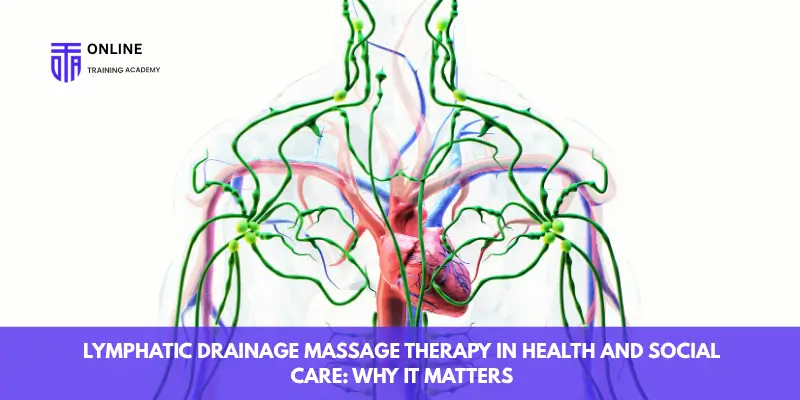
The lymphatic system is a key part of the body’s immune and fluid balance network. It includes lymph vessels, lymph nodes, and lymph fluid, which work together to remove excess fluid from tissues and support immune function. When lymph flow is disrupted, fluid can build up and cause swelling, such as lymphoedema.
Unlike traditional massage, MLD does not use deep pressure or focus on muscle tension. Instead, it follows the pathways of lymphatic vessels with light, controlled movements to encourage fluid movement towards healthy lymph nodes.
How Manual Lymphatic Drainage Works
A trained practitioner begins by considering the individual’s health history, symptoms, and specific needs. The technique usually starts with gentle movements around areas where healthy lymph circulation can be encouraged before working towards affected areas.
The movements are typically:
- Slow and repetitive
- Light in pressure
- Performed in specific directions
- Adapted to the individual's condition
Because lymphatic vessels are located close to the skin’s surface, stronger pressure is not necessarily more effective. In fact, excessive pressure may compress these delicate structures and reduce the intended effect.
How Lymphatic Drainage Massage Differs from Traditional Massage
Although both therapies involve touch, their purpose and approach are different.
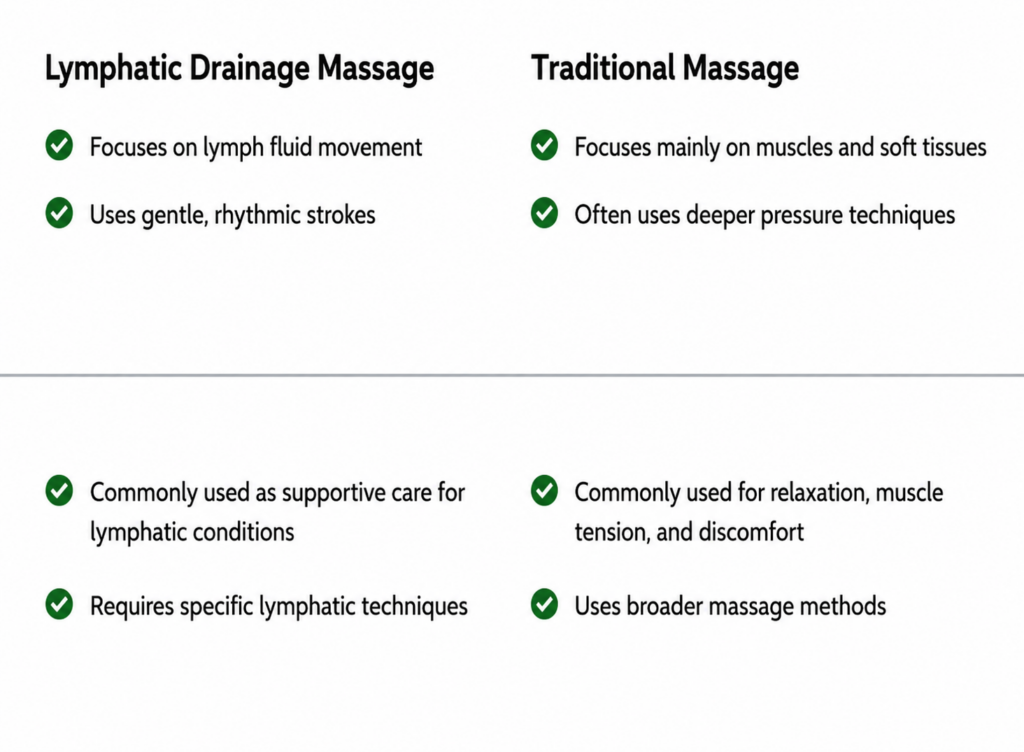
This difference is especially important in healthcare settings because the goal is not simply relaxation. The focus is supporting a specific physiological process when the lymphatic system requires additional assistance.
Why It Matters in Health and Social Care
One of the biggest misconceptions about lymphatic drainage massage is seeing it only as a wellness treatment. In health and social care, its value lies in how it may support people managing conditions that affect lymphatic function.
For example, individuals recovering from cancer treatment or certain surgeries may experience lymphoedema or swelling that affects comfort, movement, and independence. In these cases, lymphatic drainage massage may be used alongside other approaches, such as compression therapy, exercise, skin care, and ongoing monitoring.
The therapy is most effective when included as part of a personalised care plan. Its suitability depends on the individual’s condition, medical history, and guidance from qualified healthcare professionals.
How Does the Lymphatic System Support Overall Health?

Many people only become aware of their lymphatic system when something goes wrong. Unlike the heart, lungs, or digestive system, the lymphatic system does not usually receive the same attention in everyday health conversations. However, this network plays a quiet but essential role in maintaining balance within the body.
The lymphatic system helps regulate fluid levels, supports immune function, and assists the body in protecting tissues from harmful substances. When this system is working properly, it continuously removes excess fluid from tissues and returns it to the bloodstream. When lymphatic flow becomes impaired, the effects can influence a person’s comfort, movement, and overall wellbeing.
Understanding how the lymphatic system works provides important context for why lymphatic drainage massage therapy may be used as part of health and social care support.
Parts of the Lymphatic System: A Basic Overview
The lymphatic system is a complex network made up of several connected components. Each part plays a role in moving lymph fluid throughout the body and supporting normal immune activity.
Lymph Fluid: The System’s Transport Medium
Lymph is a clear fluid that travels through lymphatic vessels. It contains white blood cells, proteins, and waste materials collected from body tissues.
Throughout the day, fluid naturally moves out of blood vessels and into surrounding tissues. The lymphatic system collects this excess fluid and transports it back into circulation. Without this process, fluid could accumulate and lead to swelling.
Lymphatic Vessels: The Body’s Drainage Network
Lymphatic vessels form a network throughout the body, similar to blood vessels. Their role is to collect and transport lymph fluid toward lymph nodes.
These vessels are delicate structures located close to the skin’s surface, which is one reason lymphatic drainage massage uses gentle movements rather than deep pressure. The aim is to encourage natural lymph movement without damaging these sensitive pathways.
Lymph Nodes: The Body’s Filtering Stations
Lymph nodes are small structures found throughout the body, including areas such as:
- The neck
- Under the arms
- The chest
- The abdomen
- The groin
They act as filtering points where lymph fluid is checked for harmful substances such as bacteria or abnormal cells. Within the lymph nodes, immune cells help identify and respond to potential threats.
This is why changes in lymph nodes, such as swelling after an infection or during certain medical conditions, often require attention from healthcare professionals.
Lymphatic Organs and Immune Support
Several organs are also connected to lymphatic function, including the spleen, thymus, and tonsils. Together, these structures support the body’s immune response by helping produce, store, or activate immune cells.
Although lymphatic drainage massage does not directly “boost” immunity in the way some wellness claims suggest, maintaining healthy lymphatic function is an important part of overall body balance.
The Role of the Lymphatic System in Fluid Balance
One of the lymphatic system’s key functions is maintaining fluid balance between body tissues and the bloodstream. While most fluid returns naturally to circulation, the lymphatic system collects and transports the excess fluid back into the body.
When lymph flow is disrupted, fluid can accumulate in tissues, leading to swelling, tightness, heaviness, or discomfort. For people with lymphoedema, these symptoms may become long-term and affect movement, independence, and daily activities.
In health and social care, managing these challenges involves more than reducing physical symptoms. Swelling can also impact confidence, work, personal care, and emotional wellbeing, which is why lymphatic drainage massage may be considered as part of a wider support plan.
The Lymphatic System and Immune Function
The lymphatic system works closely with the immune system, with lymph nodes acting as filtering points that contain immune cells to help identify and respond to bacteria, viruses, and other harmful substances.
When the body fights an infection, lymph nodes may temporarily become enlarged as part of a normal immune response. However, lymphatic drainage massage does not prevent illness, remove toxins, or replace medical treatment. Its role is limited to supporting lymph movement in specific situations.
A clear understanding is important because many online claims about lymphatic massage go beyond current evidence. In health and social care, therapies are considered based on safety, individual needs, and clinical effectiveness rather than popularity or marketing claims.
What Happens When the Lymphatic System Does Not Work Properly?
When lymphatic drainage becomes impaired, the body may struggle to remove excess fluid from tissues. This can happen for several reasons, including:
- Damage to lymph vessels after surgery
- Removal or treatment of lymph nodes
- Certain medical conditions
- Injury or trauma
- Reduced movement over long periods
One of the most recognised conditions linked to lymphatic dysfunction is lymphoedema.
Lymphoedema occurs when lymph fluid builds up in tissues, commonly affecting the arms or legs, although it can occur in other areas of the body. Symptoms may include:
- Persistent swelling
- A feeling of heaviness or tightness
- Reduced flexibility or movement
- Changes in skin texture
- Discomfort in affected areas
For people living with lymphatic conditions, the impact can extend beyond physical symptoms. Some individuals may find everyday tasks more difficult, such as dressing, exercising, working, or maintaining independence.
This broader impact explains why lymphatic drainage massage therapy is relevant within health and social care. Effective support often requires looking beyond a single symptom and considering the person’s overall quality of life.
Why Understanding the Lymphatic System Helps Patients Make Better Decisions
A major challenge surrounding lymphatic drainage massage is separating evidence-based healthcare information from online wellness marketing. Many people searching for this therapy may come across claims about detoxification, rapid weight loss, or dramatic body changes. Understanding the actual role of the lymphatic system helps people distinguish realistic expectations from misleading promises.
A healthcare-focused approach encourages individuals to ask important questions before starting treatment:
- Is this therapy suitable for my specific condition?
- Has any swelling or discomfort been assessed by a healthcare professional?
- Is lymphatic drainage massage being used alongside other recommended treatments?
- Does the practitioner have appropriate training and experience?
Making informed decisions helps patients and caregivers use lymphatic drainage massage safely and appropriately. In health and social care, the focus is not simply on adding another therapy but on providing personalised support that considers a person’s physical needs, independence, comfort, and long-term wellbeing. Understanding the lymphatic system helps people recognise where this therapy may fit within a wider care plan.
What Conditions May Be Supported by Lymphatic Drainage Massage Therapy?
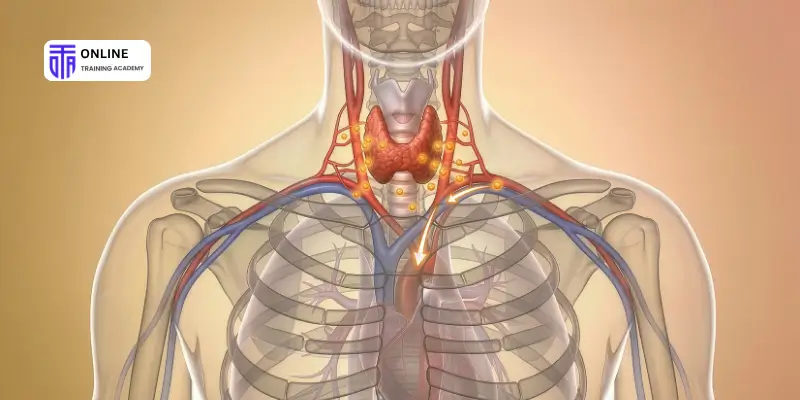
Lymphatic drainage massage therapy is not designed to treat every type of swelling or health concern. Its role is most relevant when there is a connection between symptoms and the lymphatic system. In health and social care, it is generally considered a supportive therapy that may be included alongside other treatments based on an individual’s condition and healthcare needs.
The strongest evidence for manual lymphatic drainage relates to lymphoedema management, particularly when it forms part of a wider approach known as complete decongestive therapy. This may include compression, exercise, skin care, and education alongside specialised massage techniques.
Lymphoedema and Chronic Swelling
Lymphoedema is one of the most recognised conditions associated with lymphatic drainage massage. It occurs when lymph fluid builds up in body tissues because the lymphatic system cannot effectively transport it away.
This may happen due to:
- Cancer treatments involving lymph nodes
- Surgery affecting lymphatic pathways
- Injury to lymph vessels
- Certain medical conditions affecting lymph circulation
For people living with lymphoedema, swelling can affect movement, comfort, and confidence. A carefully designed care plan may use lymphatic drainage massage to support fluid management and improve quality of life.
Recovery After Certain Medical Procedures
Some individuals experience swelling following specific surgeries or medical treatments. For example, procedures involving lymph nodes may affect normal lymph flow.
In these cases, lymphatic drainage massage may sometimes be considered as part of recovery support. However, timing and suitability depend on the individual’s health status, healing progress, and advice from healthcare professionals.
It is important that unexplained swelling is assessed before starting any massage therapy, as swelling can have different causes that require different approaches.
Cancer-Related Lymphatic Concerns
Cancer treatment can sometimes affect the lymphatic system. For example, removal of lymph nodes or radiation therapy may increase the risk of developing lymphoedema.
For people affected by cancer-related lymphatic changes, support is often provided through a multidisciplinary team. This may include doctors, nurses, physiotherapists, lymphoedema specialists, and other healthcare professionals.
Lymphatic drainage massage may be one element of supportive care, but it should always be based on individual assessment rather than a general recommendation.
What Are the Potential Benefits of Lymphatic Drainage Massage?
The potential benefits of lymphatic drainage massage depend on the individual’s condition, overall health, and treatment goals. It is important to understand that benefits are usually connected to specific healthcare situations rather than broad wellness claims found online.
Supporting Swelling Management
One of the main reasons lymphatic drainage massage is used in healthcare is to support the management of fluid accumulation.
By encouraging lymph movement, the technique may help some individuals experience:
- Reduced feelings of heaviness
- Improved comfort
- Better movement in affected areas
- Support with managing swelling alongside other treatments
The effectiveness can vary significantly depending on the cause of swelling and the person’s overall care plan.
Supporting Daily Function and Quality of Life
Health and social care is not only focused on treating symptoms. It also considers how health conditions affect a person’s everyday life.
For individuals experiencing chronic swelling, discomfort may affect:
- Walking and mobility
- Work activities
- Exercise
- Personal care routines
- Social confidence
When included appropriately within a broader care plan, lymphatic drainage massage may help some individuals feel more comfortable and maintain independence.
Supporting Recovery and Wellbeing
Many people report feeling relaxed and comfortable after gentle lymphatic drainage techniques. While relaxation alone is not the primary healthcare purpose, emotional wellbeing can be an important part of recovery and long-term condition management.
What Are the Risks and Limitations of Lymphatic Drainage Massage?
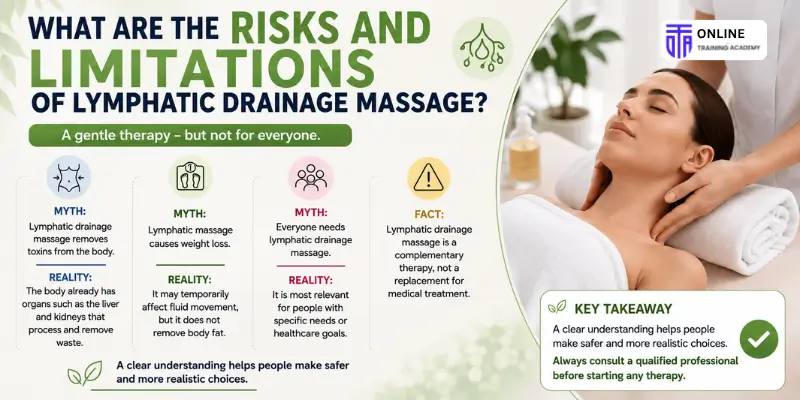
Although lymphatic drainage massage is generally considered gentle, it is not suitable for everyone. Like any healthcare-related intervention, it requires proper assessment and professional judgement.
When Extra Caution Is Needed
A healthcare professional may advise against lymphatic drainage massage or recommend further assessment if someone has:
- Active infections
- Unexplained swelling
- Certain heart conditions
- Suspected blood clots
- Some kidney-related conditions
The reason is simple: swelling can sometimes indicate an underlying medical issue that requires investigation rather than massage.
Common Misunderstandings About Lymphatic Drainage Massage
One of the biggest challenges surrounding this therapy is the spread of exaggerated claims.
For example:
Myth: Lymphatic drainage massage removes toxins from the body.
Reality: The body already has organs such as the liver and kidneys that process and remove waste.
Myth: Lymphatic massage causes weight loss.
Reality: It may temporarily affect fluid movement, but it does not remove body fat.
Myth: Everyone needs lymphatic drainage massage.
Reality: It is most relevant for people with specific needs or healthcare goals.
A clear understanding helps people make safer and more realistic choices.
The Role of Lymphatic Drainage Massage Therapy in Health and Social Care
The importance of lymphatic drainage massage therapy in health and social care comes from its place within person-centred support.
Modern healthcare increasingly recognises that managing a condition involves more than treating a diagnosis. It involves helping people maintain comfort, independence, confidence, and quality of life.
Lymphatic drainage massage may be used within different care environments, including:
- Rehabilitation services
- Specialist lymphoedema clinics
- Hospital-based care
- Community healthcare
- Long-term support services
It may also involve collaboration between different professionals, such as:
- Nurses
- Physiotherapists
- Occupational therapists
- Doctors
- Lymphoedema specialists
- Qualified massage therapists with appropriate training
The therapy is usually most effective when combined with other recommended strategies, such as:
- Compression therapy
- Movement and exercise
- Skin care
- Patient education
- Regular monitoring
This collaborative approach reflects a key principle in health and social care: the best support is rarely based on one single treatment. Instead, it combines different approaches according to the person’s individual needs.
Emerging Research: What Do We Know About Manual Lymphatic Drainage?
Research into manual lymphatic drainage continues to develop. Current evidence supports its role most clearly in specific situations, particularly lymphoedema management.
Researchers continue to explore its potential impact on areas such as:
- Post-surgical recovery
- Cancer-related swelling
- Pain and discomfort management
- Quality of life improvements
However, more research is needed to fully understand how effective it may be for different conditions.
This is why evidence-based practice matters. Healthcare professionals consider research findings alongside clinical experience and individual patient circumstances before recommending any therapy.
Conclusion
Lymphatic drainage massage therapy is often misunderstood because it sits between healthcare and wellness conversations. While online trends sometimes present it as a universal solution, its true value lies in a more focused role: supporting selected individuals as part of a wider health and social care approach.
Understanding the lymphatic system, recognising when the therapy may be appropriate, and knowing its limitations allows patients and caregivers to make informed choices. The most effective healthcare decisions are not based on one treatment alone—they are built around personalised support, professional guidance, and approaches that help people live healthier, more comfortable lives.
For many individuals managing lymphatic challenges, the goal is not simply reducing a symptom. It is restoring confidence, improving daily function, and supporting quality of life through care that considers the whole person.
FAQs
Lymphatic drainage massage is a gentle technique that uses specific movements to encourage lymph fluid movement through the lymphatic system.
It is most commonly associated with lymphoedema management and may support some individuals experiencing swelling related to surgery, medical treatment, or lymphatic dysfunction.
People with certain lymphatic conditions may benefit, especially when the therapy is recommended as part of a wider healthcare plan.
No. Traditional massage usually focuses on muscles and relaxation, while lymphatic drainage massage focuses on supporting lymph flow using gentle techniques.
No. It is considered a complementary approach and should be used alongside appropriate medical advice and care.
Although gentle, it may not be suitable for everyone. People with certain medical conditions should seek professional advice before treatment.
Learn More




Get a FREE Course
- Learn useful skills online free
- Get CPD accredited certificate
- Add it to your CV today!