
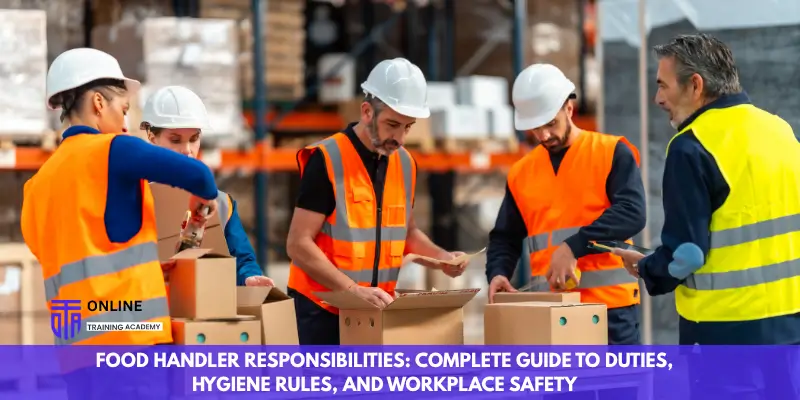
A kitchen can run fast, loud, and under pressure. Orders stack up, timers go off, and everyone moves quickly. In that environment, it’s easy to focus only on speed. But food safety doesn’t slow down just because the kitchen is busy.
Most food safety failures happen during routine work—when someone skips a step to save time or assumes something is “probably fine.” The reality is simple: consistency matters more than speed.
This guide breaks down the real responsibilities of a food handler, not just what the job looks like on the surface, but the rules, habits, and decisions that keep food safe every single day.
Table of Contents
Food Handler Responsibilities: Complete Guide to Duties, Hygiene Rules, and Workplace Safety
A food handler plays a vital role in maintaining food safety by following proper hygiene practices, handling food correctly, preventing contamination, and complying with food safety regulations. Their responsibilities include personal cleanliness, safe food storage, temperature control, cleaning and sanitising equipment, allergen awareness, and reporting potential hazards. By following these duties consistently, food handlers help protect public health, ensure legal compliance, and maintain high standards of workplace safety and food quality.
What Are a Food Handler’s Duties Regarding Food Safety?
A food handler’s primary duty is to prevent contamination at every stage of food handling. This responsibility covers the entire process, from receiving ingredients to serving the final dish.
At a practical level, this means ensuring food is stored at the correct temperature, cooked thoroughly, handled with clean equipment, and protected from contamination. These tasks may seem basic, but they form the foundation of food safety.
Food handlers must also follow established procedures without exception. These include hygiene rules, cleaning schedules, and storage guidelines. Skipping even one of these steps can create risk. The role is not reactive. It is preventive. A food handler’s job is to stop problems before they happen.
Personal Hygiene Standards (Non-Negotiable Rules)
Personal hygiene is one of the most critical factors in food safety. Unlike equipment or storage systems, it depends entirely on the individual.
Proper handwashing is essential. Hands must be washed before handling food, after touching raw ingredients, after using the restroom, and after any activity that may cause contamination. This is not a one-time task—it must be repeated throughout the day.
Clothing also matters. Clean uniforms reduce the risk of transferring dirt or bacteria to food. Hair should be restrained, and nails kept short and clean to prevent contamination.
Jewelry should be avoided because it can trap dirt and bacteria. Even small items like rings can create hygiene risks.
These rules are simple, but they require discipline. Hygiene is not about effort—it is about consistency.
When Must Food Handlers Change Gloves?
Gloves are often misunderstood. They are not a replacement for handwashing. Instead, they are an added layer of protection that must be used correctly.
Food handlers must change gloves whenever there is a risk of contamination. This includes after handling raw meat, touching their face or hair, handling waste, or switching between tasks.
For example, if a worker prepares raw chicken and then moves to assemble a sandwich, they must change gloves before touching the ready-to-eat food. Failing to do so can transfer harmful bacteria directly to the customer’s meal.
Gloves can create a false sense of safety. If they are not changed at the right time, they become a source of contamination rather than protection.
Cleaning and Sanitation Protocols (What Most People Get Wrong)
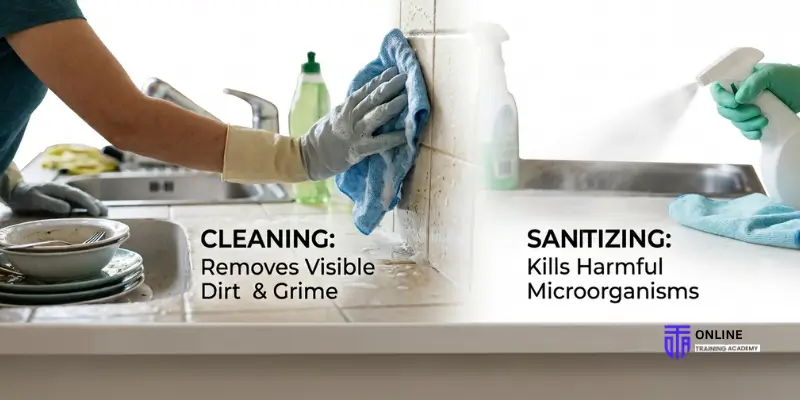
Cleaning and sanitizing are often treated as the same thing, but they serve different purposes.
Cleaning removes visible dirt, grease, and food particles from surfaces. Sanitizing reduces the number of harmful microorganisms to safe levels. Both steps are necessary.
Skipping sanitizing after cleaning leaves surfaces vulnerable to bacteria. Skipping cleaning makes sanitizing less effective because dirt can block disinfectants from working properly.
Food handlers must follow a structured process: clean first, then sanitize. This applies to work surfaces, utensils, and equipment.
Timing also matters. Surfaces should be cleaned and sanitized before use, after use, and whenever contamination is suspected.
Where Must Food Handlers Clean Mops?
Mops are used to clean floors, which are among the most contaminated areas in a kitchen. Because of this, they must never be cleaned in food preparation or handwashing sinks.
Instead, mops should be cleaned in designated utility sinks. These are specifically designed to handle dirty water and prevent contamination of food-related areas.
Using the wrong sink can transfer bacteria from the floor to areas where food is prepared. This is a common mistake that can easily be avoided with proper training and awareness.
Cross-Contamination Prevention (The Most Critical Responsibility)
Cross-contamination occurs when harmful substances are transferred from one surface or food item to another. It is one of the leading causes of foodborne illness.
Preventing cross-contamination requires strict separation of raw and cooked foods. Raw meat, poultry, and seafood must never come into contact with ready-to-eat items.
This separation extends to tools and surfaces. Using the same cutting board for raw meat and vegetables without proper cleaning can spread bacteria.
Storage also plays a role. Raw foods should be stored below cooked or ready-to-eat foods to prevent dripping or contact.
Cross-contamination is not always visible. It happens silently, which makes prevention even more important.
Temperature Control Rules (The Hidden Risk Zone)
Temperature control is one of the most important aspects of food safety. Bacteria grow rapidly within a specific temperature range known as the danger zone.
Food must be kept either cold enough or hot enough to prevent bacterial growth. Cold foods should be stored below 5°C, while hot foods should be kept above 60°C.
Cooking temperatures are equally important. Food must be cooked thoroughly to kill harmful bacteria. Undercooking can leave food unsafe, even if it looks properly prepared.
Food handlers must regularly check and monitor temperatures using reliable tools like thermometers. Guessing is not acceptable when safety is at risk.
Daily Operational Checklist (Consistency Over Effort)
A structured routine helps food handlers maintain safety standards throughout the day. Instead of relying on memory, a checklist ensures that no step is missed.
A typical daily routine includes checking storage temperatures, cleaning and sanitizing surfaces, inspecting food for spoilage, and ensuring proper labeling of stored items.
These tasks are not complex, but they must be done consistently. Skipping a step once may not cause immediate problems, but repeated lapses increase risk over time.
How to Manage Mistakes (Incident Response System)
Mistakes are part of any work environment, including food handling. The key is how they are handled.
When a mistake occurs, the first step is to stop the process immediately. Any food that may be affected should be isolated to prevent further risk. The issue should then be reported to a supervisor. Transparency is essential. Hiding mistakes can lead to larger problems.
Corrective action should follow. This may involve cleaning equipment, discarding contaminated food, or reviewing procedures with staff. The final step is prevention. Understanding why the mistake happened allows the team to adjust processes and avoid repeating it.
Workplace Safety Responsibilities
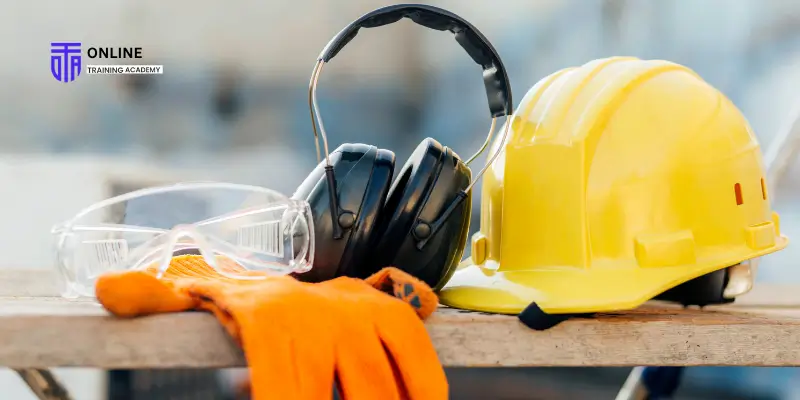
Food handlers are responsible for keeping both the food and the workplace safe. A messy or unsafe kitchen increases the risk of accidents—and accidents often lead to food safety problems.
Common Risks in the Workplace
Food environments have everyday hazards, such as:
- Wet floors → can cause slips and falls
- Hot surfaces and oil → can cause burns
- Sharp tools → can cause cuts
These risks are normal, but they must be controlled.
Safe Use of Equipment
Using tools the right way reduces injuries:
- Keep knives sharp and handle them carefully
- Use gloves or cloth when handling hot items
- Follow instructions for electrical equipment
Small mistakes with tools can lead to serious injuries.
Keep the Workspace Organized
A clean and organized kitchen is safer:
- Clean spills immediately
- Keep walkways clear
- Store tools in their proper place
Good organization helps workers move safely and work faster.
Be Prepared for Emergencies
Food handlers should know how to respond to:
- Cuts and burns
- Fires
- Equipment accidents
Quick action can stop a small problem from getting worse.
How Workplace Safety Affects Food Safety
When workers are injured or distracted:
- They lose focus on hygiene
- They may skip safety steps
- The risk of contamination increases
A safe worker is more focused and careful.
Key Takeaway
Workplace safety is not separate from food safety.
A safe environment helps food handlers do their job properly—and keeps both workers and customers protected.
Conclusion
Food safety is not built on complex systems. It is built on simple actions repeated with precision, every single time. The systems exist to guide behavior, but the outcome always depends on the person doing the work.
A clean surface. A washed hand. A properly stored ingredient. These are not minor tasks—they are control points. Each one either blocks contamination or allows it to pass through unnoticed. The difference is not knowledge. It is execution.
In a busy kitchen, pressure builds quickly. Orders increase, time shrinks, and shortcuts start to feel justified. This is where discipline separates safe operations from risky ones. Following the same rules under pressure is what defines a reliable food handler. Consistency is what protects the process. Not speed. Not experience. Not intention.
The strongest food safety environments are not the ones with the most rules. They are the ones where every worker follows the basics without exception. No guessing. No skipping steps. No “just this once.”
Because food handling is not just a task—it is a responsibility chain. One action connects directly to another, and eventually to the person eating the food. That connection is real, even if it is invisible. A single decision made in seconds can either prevent harm or cause it.
In the end, the role of a food handler goes beyond preparing meals. It is about control, awareness, and accountability. It is about understanding that every plate served carries trust. And that trust is built—or broken—through the smallest actions repeated every day.
FAQs
Preventing contamination and ensuring food is safe at every stage of handling.
As often as necessary, especially before handling food and after any activity that may cause contamination.
No. Gloves are an extra layer of protection but do not replace proper hand hygiene.
It can transfer harmful bacteria to safe food, leading to illness.
In designated utility sinks, not in food preparation or handwashing areas.
The temperature range where bacteria grow rapidly, typically between 5°C and 60°C.
Stop the process, isolate affected food, report the issue, and take corrective action.
Learn More





Get a FREE Course
- Learn useful skills online free
- Get CPD accredited certificate
- Add it to your CV today!