

When 30 Seconds Changes Everything
A small spark starts in a quiet corner of a workplace. No alarm sounds, no one notices, and everything looks normal. Within minutes, smoke begins to spread, visibility drops, and panic replaces routine. Most fire incidents do not begin with chaos; they begin with silence and a moment that seems harmless.
Fire hazards are often hidden in plain sight. They exist in everyday environments such as homes, offices, factories, and public spaces, and they often go unnoticed until they trigger a serious incident. This is why understanding fire hazards and applying the right safety measures is not optional; it is essential for protecting lives, property, and continuity of operations.
This guide brings together practical knowledge, real-world context, and actionable steps to help you identify risks early, prevent fire incidents, and respond effectively when seconds matter most.
Table of Contents
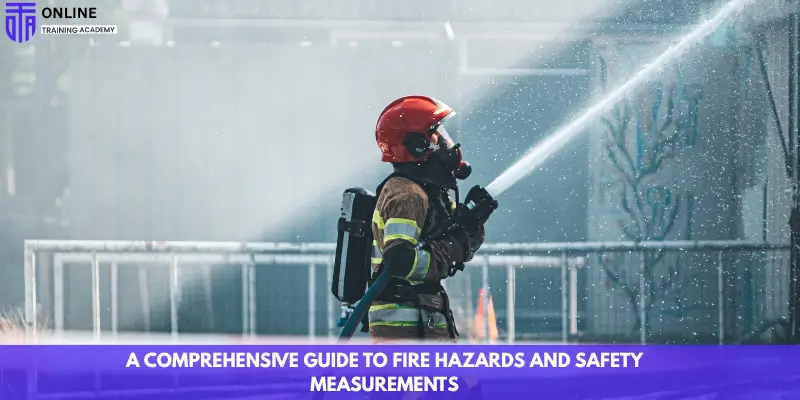
A Comprehensive Guide to Fire Hazards and Safety Measurements
Occupational Health and Safety: Common Hazards and How to Stay Safe explains the importance of identifying workplace hazards and following safety measures to prevent accidents and injuries. It covers common risks such as slips, falls, manual handling, fire hazards, and exposure to harmful substances. The content highlights the role of training, protective equipment, and safe working practices in creating a safer and healthier workplace for everyone.
What Are Fire Hazards and How Do Safety Measurements Work Together?
Fire hazards are any conditions, materials, or behaviors that increase the likelihood of a fire starting or spreading. These hazards are not always obvious, and they often develop gradually through poor maintenance, unsafe practices, or overlooked risks.
In real-world settings, fire hazards take many forms. Physical hazards include flammable materials such as paper, fabric, chemicals, and fuels, while environmental hazards involve factors like poor ventilation or heat sources placed too close to combustible items. Human factors play a major role as well, since negligence, lack of awareness, and unsafe habits often act as the final trigger.
To understand how fires start, it is useful to look at the fire triangle, which consists of heat, fuel, and oxygen. A fire cannot exist without all three elements. Heat can come from electrical faults, open flames, or machinery. Fuel includes anything that can burn, from wood and textiles to gases and liquids. Oxygen is present in the air around us. When these three elements combine under the right conditions, a fire begins. Removing any one of them can prevent or extinguish the fire.
Safety measurements work by interrupting this triangle. Preventive measures aim to remove or reduce fuel and ignition sources. Protective measures focus on controlling fire spread through systems like sprinklers and fire-resistant materials. Reactive measures deal with emergency response, including alarms, evacuation procedures, and firefighting equipment.
The importance of this system goes beyond compliance. Fire incidents can lead to severe financial losses, legal consequences, and long-term operational disruption. More importantly, they put lives at risk. A strong fire safety approach connects systems, processes, and human behavior into one coordinated effort.
What Are the Most Common Fire Hazards in Homes and Workplaces?
Fire hazards are often routine elements of daily life, which is why they are easy to overlook. One of the most common sources of fire is electrical systems. Damaged wiring, overloaded circuits, and poorly installed equipment create heat buildup that can ignite nearby materials. In many offices, extension cords are used as permanent solutions, which increases the risk significantly.
Flammable materials are another major concern. In homes, this may include items like paper, curtains, and cleaning products. In workplaces, especially industrial environments, the risks expand to include chemicals, fuels, and large quantities of combustible materials. Improper storage or lack of labeling increases the likelihood of accidental ignition.
Heat sources also play a critical role. Kitchen appliances, heaters, and industrial machinery generate high temperatures, and when these are placed too close to flammable items, the risk escalates quickly. A common example is welding work conducted near combustible materials without proper isolation or shielding.
Human error remains one of the leading causes of fire incidents. Unattended cooking, careless smoking, and lack of awareness about basic safety practices contribute to a large percentage of fires. These behaviors often seem minor, but they create the conditions for serious consequences.
How Can You Identify Fire Risks Before They Become Disasters?
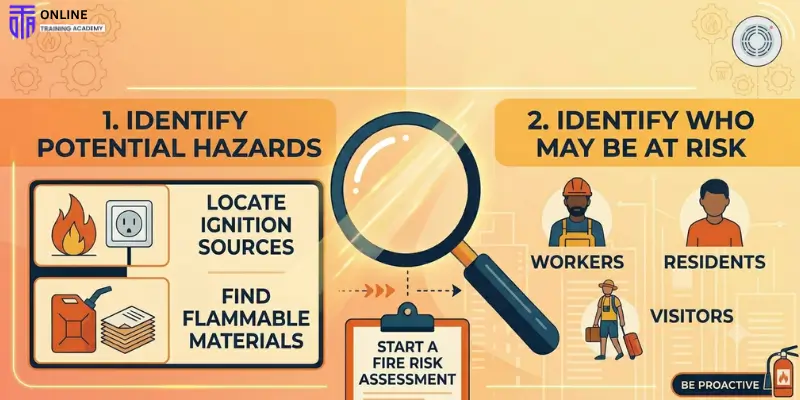
Identifying fire risks early is one of the most effective ways to prevent incidents. This process begins with a structured fire risk assessment. The first step is to identify potential hazards, including ignition sources and flammable materials. The next step is to identify who may be at risk, such as employees, residents, or visitors.
Once hazards and risks are identified, they must be evaluated and prioritized. This involves understanding the likelihood of a fire starting and the potential impact if it does. The findings should be recorded and reviewed regularly, especially when there are changes in layout, equipment, or processes.
There are also warning signs that people often ignore. A burning smell, frequent electrical trips, overheating equipment, and blocked exits are all indicators of potential fire risk. These signs should never be dismissed as minor issues.
Routine inspections and checklists help maintain consistency. Daily checks may include ensuring exits are clear and equipment is functioning properly. Weekly and monthly inspections can focus on more detailed assessments, such as testing alarms and reviewing storage practices.
Consider a simple scenario where a small electrical fault causes occasional sparks in a storage room. If this issue is ignored, it may eventually ignite nearby materials. If it is identified and addressed early, the incident is prevented entirely. This highlights the value of proactive risk identification.
What Are the Most Effective Fire Safety Measures You Should Implement?
Effective fire safety measures focus on prevention, detection, protection, and safe design. Preventive measures aim to reduce risk at the source. This includes proper storage of flammable materials, regular maintenance of electrical systems, and maintaining clean and organized spaces. Removing unnecessary fuel sources significantly lowers the risk of fire.
Detection systems are critical because they provide early warning. Smoke detectors, heat detectors, and alarm systems alert people before a fire spreads beyond control. Early detection can be the difference between a manageable situation and a major incident.
Fire protection equipment plays a key role in controlling fires. Fire extinguishers are available in different types, each designed for specific kinds of fire. For example, water extinguishers are suitable for solid materials, while CO₂ extinguishers are used for electrical fires. Sprinkler systems and fire blankets provide additional layers of protection.
The design of a space also influences fire safety. Emergency exits must be clearly marked and accessible at all times. Proper lighting ensures visibility during evacuation, and building materials should be chosen with fire resistance in mind. A well-designed environment supports safe movement and reduces the spread of fire.
What Should You Do During a Fire Emergency?
The first moments of a fire emergency are critical. Immediate action should focus on raising the alarm and alerting others. Assessing the situation quickly helps determine whether evacuation or initial firefighting is appropriate.
Evacuation procedures must be clear and practiced regularly. People should follow designated exit routes, avoid elevators, and assist those who may need help. Staying low to the ground can reduce exposure to smoke, which is often more dangerous than flames.
Fire extinguishers can be used if the fire is small and manageable. The PASS technique provides a simple method: pull the pin, aim at the base of the fire, squeeze the handle, and sweep from side to side. However, if the fire is spreading or producing heavy smoke, evacuation should be the priority.
After evacuation, it is important to gather at designated assembly points. Conducting a headcount ensures that everyone is accounted for. Emergency services should be informed, and no one should re-enter the building until it is declared safe.
How Do You Build a Fire-Safe Workplace Culture?

A fire-safe environment is not created by equipment alone; it is built through behavior and culture. Training is a key component, but it must go beyond theory. Fire drills should simulate realistic scenarios to prepare people for actual emergencies.
Policies and compliance provide structure, but they must be actively enforced. Clear procedures, defined responsibilities, and accountability systems ensure that safety measures are followed consistently. Legal requirements vary by region, but the principle remains the same: safety must be integrated into daily operations.
Leadership plays a crucial role in shaping safety culture. When leaders prioritize safety and model correct behavior, it influences the entire organization. Encouraging open communication and reporting of hazards helps identify risks early.
Continuous improvement is essential. Reviewing incidents and near-misses provides valuable insights. These lessons should be used to update procedures, improve training, and strengthen systems. A proactive approach ensures that safety evolves with changing conditions.
Conclusion
A fire does not give warnings in a way people expect. It does not announce itself loudly at the start. It begins quietly, often in a moment that feels ordinary, and grows rapidly when conditions allow it.
Most people understand basic fire safety principles, yet incidents continue to occur because knowledge is not always translated into action. The environments that remain safe are not necessarily the ones with the most advanced equipment, but the ones where people recognize risks early and respond without hesitation.
Fire safety is not a one-time effort. It is a continuous process of awareness, prevention, and improvement. When safety becomes a habit rather than a checklist, the chances of a disaster decrease significantly.
FAQs
Electrical faults and human error are the most common causes, often combined with poor maintenance or unsafe practices.
They should be conducted at least once a year or whenever there are significant changes in the environment or operations.
CO₂ or dry powder extinguishers are typically suitable for electrical fires.
No, they are only one part of a comprehensive system that includes prevention, training, and emergency planning.
Water should not be used on electrical or grease fires, and elevators should not be used during evacuation.
Through regular training, clear policies, and strong leadership involvement.
Follow marked exits, stay low to avoid smoke, and move quickly while remaining calm.
Learn More





Get a FREE Course
- Learn useful skills online free
- Get CPD accredited certificate
- Add it to your CV today!