

Why Safeguarding Children Training Matters
“One phone call, one observation, one timely report—sometimes that’s all it takes to protect a child from harm. Understanding safeguarding isn’t just protocol; it’s a potential lifeline.”
Safeguarding children is more than just a legal requirement in the UK—it’s a moral responsibility for anyone who interacts with children. From teachers and healthcare workers to volunteers and childcare professionals, knowing how to spot abuse, respond appropriately, and follow proper reporting procedures can make a profound difference in a child’s life.
This guide provides a comprehensive introduction to safeguarding children training, covering its objectives, legal framework, practical steps, and multi-agency responsibilities. Whether you’re new to safeguarding or looking to refresh your knowledge, this post will give you actionable insights to protect children effectively.
What is Safeguarding Children Training?
Safeguarding children training is designed to help professionals and caregivers recognize, prevent, and respond to abuse or neglect. In the UK, safeguarding encompasses protecting children from physical, emotional, sexual harm, neglect, and exploitation. Unlike child protection—which deals with immediate risks—safeguarding is proactive, aiming to create safe environments and reduce harm before it occurs.
Key Objectives of Safeguarding Training
The core goals of safeguarding children training include:
- Recognizing abuse and neglect: Understanding physical, emotional, sexual, and neglect indicators.
- Responding appropriately: Knowing how to act professionally when concerns arise.
- Reporting and documentation: Learning the correct reporting channels and keeping accurate records.
- Understanding legal responsibilities: Familiarity with UK legislation, guidance, and organizational policies.
Table of Contents
Introduction to Safeguarding Children Training: A Complete Guide
Introduction to Safeguarding Children Training provides essential knowledge on how to recognise, respond to, and prevent harm to children. The training helps individuals understand their safeguarding responsibilities, identify signs of abuse or neglect, and follow appropriate reporting procedures. It is designed to promote child welfare, create safer environments, and ensure that children receive the protection and support they need.
Who Needs Safeguarding Training?
Safeguarding is everyone’s responsibility, not just those in direct caregiving roles. Training ensures that individuals know how to recognize risks, respond appropriately, and protect children effectively.
Key groups who should complete safeguarding training include:
- Teachers and school staff: They spend significant time with children and are often the first to notice behavioral or physical changes. Training helps them identify early warning signs and take prompt action.
- Healthcare professionals and therapists: Nurses, doctors, counselors, and therapists can detect abuse through physical exams, psychological assessments, or conversations with children. Understanding safeguarding ensures they respond correctly while maintaining professional boundaries.
- Social workers and child protection officers: These professionals coordinate protective interventions, monitor at-risk families, and implement support plans. Training equips them with updated statutory guidance and multi-agency protocols.
- Volunteers, mentors, and youth workers: Even in informal roles, adults can observe warning signs during activities, sports, or mentoring sessions. Training helps them know when and how to report concerns.
- Anyone in a role involving direct contact with children: This includes transport staff, extracurricular instructors, and administrative staff in schools or community programs.
Why training is valuable even for indirect contact roles:
- You may not interact with children daily, but noticing subtle signs of distress—like changes in mood, repeated absences, or withdrawn behavior—can prevent harm.
- Training increases confidence in reporting concerns and understanding your legal and organizational responsibilities.
- Being informed helps create a safer environment for all children, reinforcing a culture of vigilance and care.
Understanding Child Abuse and Neglect
Types of Child Abuse
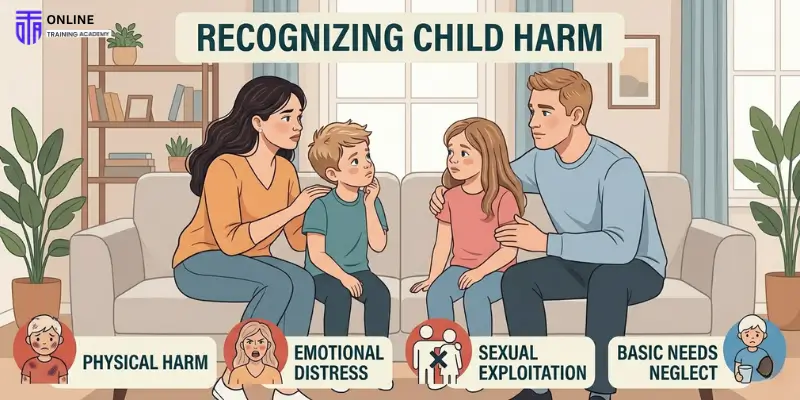
Child abuse can take many forms, each with unique signs and long-term consequences. Understanding the types helps professionals identify risks early and respond effectively:
Physical Abuse
- Includes hitting, shaking, burning, or other acts causing physical harm.
- Often leaves visible marks, such as bruises in unusual places, burns, or repeated injuries with vague explanations.
- Emotional Abuse:
- Constant criticism, humiliation, threats, or rejection that damages self-esteem.
- May not leave physical marks but can profoundly impact mental health, leading to anxiety, low self-confidence, or difficulties forming healthy relationships.
Sexual Abuse:
- Exploitation, inappropriate sexual activity, or grooming.
- Signs can be physical (injuries, infections) or behavioral (withdrawal, sexualized behavior beyond age-appropriate norms).
Neglect:
- Failure to meet a child’s basic needs, such as adequate food, clothing, shelter, medical care, or education.
- Often manifests as poor hygiene, malnutrition, frequent lateness or absences from school, or unsafe living conditions.
Exploitation:
- Includes criminal exploitation (e.g., forced involvement in crimes), trafficking, or child sexual exploitation.
- Children may appear fearful, secretive, or controlled by unknown adults.
Signs and Indicators of Abuse
Recognizing abuse early can significantly reduce harm. Professionals should look for patterns rather than isolated incidents:
- Physical signs: Unexplained bruises, burns, fractures, or injuries in unusual locations (e.g., back, thighs). Frequent injuries may indicate repeated harm.
- Behavioral signs: Withdrawal, aggression, fear of adults, sudden academic decline, or reluctance to go home. Changes in behavior can indicate stress or trauma.
- Emotional and psychological signs: Anxiety, depression, excessive clinginess, low self-esteem, or self-harm. Children may express feelings indirectly, such as through play or drawings.
- Environmental signs: Unsafe living conditions, lack of supervision, or neglectful caregivers can also be indicators of risk.
It’s important to note that one sign alone does not confirm abuse, but patterns or multiple indicators should raise concern.
Responding to Abuse Concerns
When you suspect a child is at risk, your response can make a critical difference. Follow these steps:
Stay calm and professional:
- Avoid expressing shock or panic, which can scare the child.
- Listen without judgment, letting the child know they are being taken seriously.
Document observations accurately:
- Record facts: date, time, context, and specific behaviors or statements.
- Avoid assumptions or interpretations; stick to what you directly observe or hear.
Report concerns to the right channels:
- Contact your Designated Safeguarding Lead (DSL) or safeguarding officer.
- If immediate danger is present, contact local authorities or child protection services directly.
Follow organizational procedures:
- Ensure confidentiality while sharing information appropriately.
- Maintain a clear record of actions taken for accountability and continuity of care.
Additional tips:
- Do not confront the alleged abuser directly.
- Avoid making promises to the child that you cannot keep (e.g., “I won’t tell anyone”).
- Participate in follow-up meetings or multi-agency discussions if required.
Legal and Statutory Framework for Safeguarding

Understanding the legal framework is critical for anyone involved in safeguarding children. It not only ensures compliance with the law but also guides professionals in making decisions that protect children and support families. The UK has a robust statutory system designed to define responsibilities, set standards, and promote multi-agency collaboration.
Key Legislation in the UK
Children Act 1989 & 2004
- The Children Act 1989 laid the foundation for child protection in the UK, emphasizing that the welfare of the child is paramount.
- It establishes that local authorities have a duty to investigate and act if a child is at risk of significant harm.
- The Children Act 2004 strengthened these responsibilities and introduced the role of Every Child Matters, focusing on five key outcomes: health, safety, enjoyment and achievement, economic well-being, and contribution to society.
- These acts define roles for social workers, teachers, and other professionals, making it clear that anyone working with children has a legal duty to report concerns.
Working Together to Safeguard Children 2023
This guidance is the updated multi-agency framework for child protection in the UK.
- It emphasizes:
- Child-centered approaches: Every decision should prioritize the child’s needs.
- Family-centered support: Working collaboratively with parents and carers to deliver tailored interventions.
- Multi-agency collaboration: Coordinated action between schools, health services, social care, and law enforcement.
The 2023 update also introduces national standards for multi-agency working, helping professionals understand the expected behaviors, actions, and considerations to improve child protection outcomes.
Care Act 2014
While primarily focused on adult safeguarding, the Care Act recognizes that the well-being of children and adults is interconnected, especially when families face complex needs.
It outlines:
- The responsibilities of local authorities and professionals in preventing harm.
- The requirement for organizations to identify risks, report concerns, and safeguard vulnerable adults, which can include parents or caregivers whose actions may affect children.
- For safeguarding children training, understanding the Care Act is important because it encourages a holistic approach, considering family dynamics and intergenerational risks.
Local Safeguarding Policies
In addition to national legislation, local safeguarding policies provide specific guidance for organizations and regions.
These policies:
- Define reporting procedures and escalation pathways.
- Set local thresholds for concern, outlining when a case should be referred to child protection services.
- Establish responsibilities for schools, healthcare providers, and community organizations.
Professionals must be aware of both national legislation and local policies to ensure they act correctly and efficiently.
Why Legislation Matters in Practice
- Provides clarity on roles and responsibilities for all professionals.
- Ensures children’s safety is the top priority while balancing family involvement.
- Guides professionals in documenting concerns and taking legal steps when necessary.
- Serves as the foundation for training programs, which help staff translate legal obligations into practical actions.
Example: A teacher noticing repeated bruising in a child’s arms can rely on the Children Act 1989/2004 to understand their duty to report, follow the 2023 guidance for multi-agency consultation, and consult local safeguarding policies to ensure proper documentation and escalation.
Six Safeguarding Principles
Training emphasizes six core principles:
- Empowerment: Supporting children to make informed decisions.
- Prevention: Acting early to minimize risks.
- Proportionality: Responding appropriately to the level of risk.
- Protection: Taking steps to ensure children are safe.
- Partnership: Collaborating with families, agencies, and professionals.
- Accountability: Ensuring responsibilities are clear and actions are documented.
‘Making Safeguarding Personal’ Approach
This child-centered approach encourages:
- Involving children in decisions affecting them
- Balancing family involvement with protective measures
- Tailoring support to individual needs while maintaining safety
The Importance of Multi-Agency Working
Understanding Multi-Agency Safeguarding
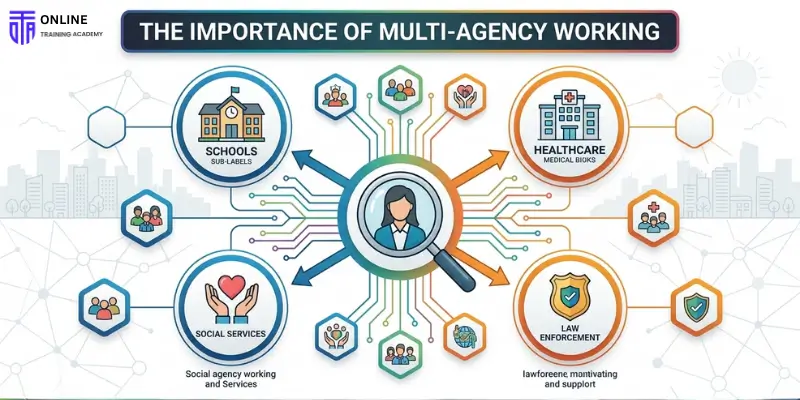
Effective safeguarding requires collaboration between schools, healthcare, social services, law enforcement, and other professionals. Sharing information ensures risks are identified quickly and interventions are coordinated.
Practical Examples of Multi-Agency Working
- A child displaying behavioral changes at school triggers consultation between teachers, social services, and a healthcare provider.
- Coordinated home visits and assessments can prevent neglect before it escalates.
Updated Standards in Working Together 2023
The latest guidance emphasizes:
- Family-focused approaches: Building trust with parents and carers
- National multi-agency standards: Consistent child protection practices
- Improved outcomes: Children receive timely, appropriate, and coordinated support
Practical Steps in Safeguarding Training
Recognizing and Recording Concerns
- Use clear, factual language in documentation
- Note observations: time, date, context, and any direct statements from the child
- Maintain confidentiality while sharing with the right professionals
Reporting Procedures
- Internal: Notify the DSL or safeguarding officer in your organization
- External: Contact local authority child protection services if necessary
- Follow up: Ensure the case is monitored and outcomes are documented
Ongoing Training and Professional Development
- Attend refresher courses regularly
- Stay informed about legislative updates, guidance, and emerging risks
- Encourage peer learning and case discussions for continuous improvement
Taking Action to Protect Children
“A child’s life changing because someone knew what to look for and had the courage to act. That’s the real power of safeguarding training—it turns knowledge into protection.”
Safeguarding children training equips professionals and caregivers with the skills to recognize abuse, respond appropriately, and collaborate effectively. Understanding legal frameworks, following reporting procedures, and engaging in multi-agency working ensures children’s safety and well-being.
If you work with children or vulnerable adults, enrolling in safeguarding training and keeping your knowledge up-to-date is not just a professional requirement—it’s a commitment to protecting lives.
FAQs
- Safeguarding prevents harm, while child protection addresses immediate threats.
- Anyone working with children in schools, healthcare, social care, or volunteering roles.
- At least annually or whenever statutory guidance changes.
- Always report concerns to the DSL; never ignore suspicions.
- Yes, from basic awareness to Level 3 for advanced management roles.
- Shared information and coordinated action identify risks earlier and improve outcomes.
- Detailed, factual records including dates, times, observations, and actions taken.
Learn More


Get a FREE Course
- Learn useful skills online free
- Get CPD accredited certificate
- Add it to your CV today!