

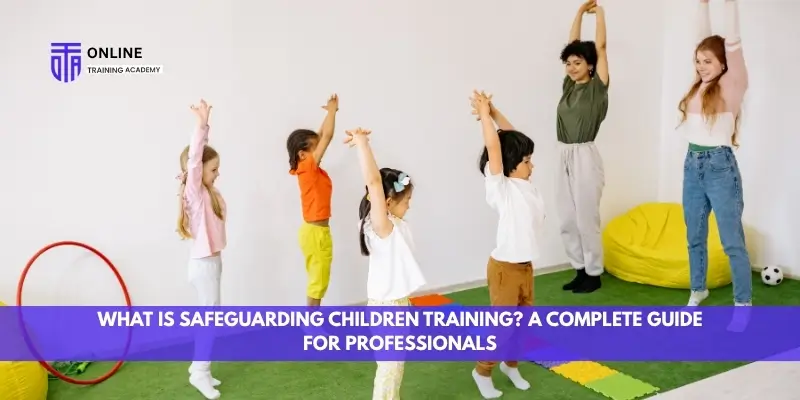
Every year, millions of children interact with teachers, healthcare professionals, childcare providers, and community volunteers. While these adults guide, teach, and care for children, they also hold a vital responsibility: ensuring the safety and wellbeing of the children in their care.
Unfortunately, not all dangers are visible. Abuse and neglect can be subtle, often hidden behind behaviours, emotional changes, or physical signs that are easy to overlook. Professionals who are unaware or uncertain about how to respond may miss opportunities to intervene early, leaving children at risk.
Safeguarding children training exists to equip professionals with the knowledge and confidence to recognise risks, respond appropriately, and act within legal and ethical frameworks. It is essential for creating environments where children can thrive without fear of harm.
In this comprehensive guide, we will explore:
- What safeguarding children training is
- Why it is crucial for professionals
- The types of abuse and neglect it covers
- What participants learn during training
- Who should take safeguarding training
- How it helps create a safe culture in schools and organisations
By understanding the importance of safeguarding training, professionals can protect children more effectively and contribute to safer communities.
Table of Contents
What Is Safeguarding Children Training? A Complete Guide for Professionals
The “What Is Safeguarding Children Training? A Complete Guide for Professionals” article helps readers understand the core principles of safeguarding, including recognising signs of harm, key legal responsibilities, essential reporting procedures, and practical steps to ensure the safety and protection of children in professional settings.
What Is Safeguarding Children Training?
Safeguarding children training is a structured educational program designed to help professionals and volunteers protect children from harm, abuse, and neglect. The training teaches participants how to identify warning signs, respond appropriately, and report concerns through the correct channels.
Definition of Safeguarding Children Training
At its core, safeguarding training ensures that individuals working with children understand their responsibilities in protecting vulnerable young people. It goes beyond merely knowing what abuse is; it focuses on recognising the subtle signs that may indicate a child is at risk, responding in a professional manner, and ensuring that concerns are escalated to the right authorities.
This training is essential across many sectors, including education, healthcare, social work, childcare, and community organisations. Professionals in these environments often interact closely with children and may be the first to notice changes in behaviour, physical health, or emotional wellbeing that indicate a safeguarding issue.
Definition of Safeguarding Children Training
The main objectives of safeguarding children training are to help participants:
- Identify child abuse and neglect in all its forms
- Recognise signs and indicators of abuse or neglect
- Understand how to respond to safeguarding concerns
- Learn proper reporting procedures
- Document observations accurately
- Familiarise themselves with relevant legislation and guidance
By achieving these objectives, participants gain the skills and confidence to protect children while following the law and organisational policies.
Key Skills Gained Through Training
Participants can expect to develop practical skills such as:
- Recognising behavioural and physical signs of abuse
- Listening effectively to children who disclose concerns
- Following organisational safeguarding procedures
- Maintaining professional boundaries and confidentiality
These skills enable professionals to act promptly and appropriately when a child’s safety is at risk, helping to prevent further harm.
Why Is Safeguarding Children Training Important?
Safeguarding children training is not optional for most professionals—it is essential. Children cannot always advocate for themselves, and adults must be prepared to identify and act on potential threats.
Early Detection of Abuse and Neglect
Many forms of abuse occur in private settings and are not immediately obvious. Safeguarding training teaches professionals how to identify subtle physical signs, such as bruising or unexplained injuries, as well as behavioural changes like withdrawal, aggression, or fearfulness. Early recognition allows timely intervention, potentially preventing prolonged harm.
Protecting Children’s Physical and Emotional Wellbeing
Safeguarding goes beyond physical protection. Emotional abuse, neglect, and exposure to harmful situations can have long-lasting effects on a child’s mental health and development. Professionals trained in safeguarding can recognise these risks and take action to protect children’s overall wellbeing.
Legal and Professional Responsibilities
Many organisations are legally required to implement safeguarding measures. Professionals in education, healthcare, childcare, and social care must comply with safeguarding legislation. Training ensures they understand:
- Their legal obligations
- How to follow organisational policies
- The processes for reporting concerns correctly
This reduces the risk of negligence or unintentional oversights that could harm a child.
Empowering Staff to Act with Confidence
One of the biggest barriers to effective safeguarding is hesitation. Staff may fear making the wrong judgement or causing conflict. Safeguarding training equips professionals with clear guidelines and procedures, ensuring they can respond confidently and appropriately when concerns arise.
What Types of Abuse Are Covered in Safeguarding Training?
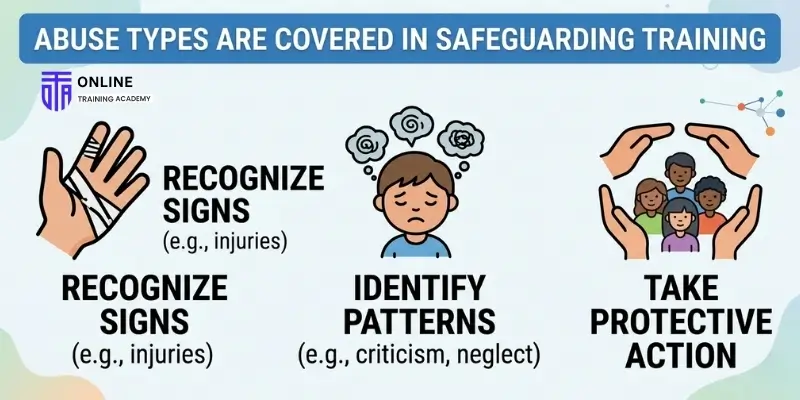
A key component of safeguarding training is understanding the different types of abuse that children may face. Professionals must be able to recognise these forms to take effective action.
Physical Abuse
Physical abuse involves deliberately causing harm to a child. This can include:
- Hitting, shaking, or burning
- Excessive physical punishment or restraint
- Fabricating or inducing illness
Professionals are trained to distinguish between accidental injuries and intentional harm, especially in young children, where this distinction can be challenging.
Sexual Abuse
Sexual abuse occurs when a child is coerced, manipulated, or forced into sexual activity. It can happen in person or online and may involve strangers, acquaintances, or even family members.
Training emphasises recognising behavioural and emotional signs, such as:
- Withdrawal or fear of a specific person
- Inappropriate sexualised behaviour
- Anxiety, depression, or low self-esteem
Emotional Abuse
Emotional abuse includes patterns of behaviour that harm a child’s mental and emotional wellbeing. This may include:
- Humiliation, intimidation, or verbal abuse
- Exposure to domestic violence
- Unrealistic expectations or constant criticism
Unlike physical abuse, emotional abuse is often subtle but can have serious long-term consequences.
Neglect
Neglect is the persistent failure to meet a child’s basic needs, such as:
- Adequate food, clothing, and shelter
- Proper supervision and safety
- Access to healthcare and education
Indicators of neglect include poor hygiene, frequent hunger, inappropriate clothing, and developmental delays. Safeguarding training helps professionals spot these warning signs and act promptly.
What Does Safeguarding Children Training Typically Include?
Safeguarding training usually combines theoretical knowledge with practical guidance.
Recognising Signs and Indicators of Abuse
Participants learn to identify both behavioural and physical indicators, including changes in:
- Mood or behaviour
- Academic performance
- Social interactions
- Physical appearance or health
Responding to Safeguarding Concerns
Training teaches how to respond to a child disclosure or concerning behaviour, including:
- Listening without judgement
- Avoiding leading questions
- Reassuring the child
- Knowing what steps to take next
Reporting Safeguarding Concerns
Correct reporting is essential. Training covers:
- Who to report concerns to, typically a designated safeguarding lead (DSL)
- How to escalate serious concerns to child protection services
- The importance of acting promptly and following organisational procedures
Recording Observations
Accurate documentation can be crucial in safeguarding cases. Training covers:
- How to write clear, factual records
- Maintaining confidentiality
- Recording dates, times, and details of concerns
Understanding Safeguarding Legislation
Participants become familiar with laws, regulations, and guidance that support child protection, including:
- National safeguarding legislation
- Professional codes of conduct
- Local organisational policies
Who Needs Safeguarding Children Training?
Safeguarding training is important for anyone who works closely with children.
Education Professionals
- Teachers
- Teaching assistants
- School leadership and administrative staff
- Physical appearance or health
Childcare and Early Years Providers
- Nursery staff
- Childminders
- Preschool educators
Healthcare Professionals
- Doctors, nurses, and therapists
- Mental health workers
- Social care professionals
Volunteers and Community Workers
- Youth leaders
- Sports coaches
- Charity and religious organisation volunteers
Essentially, any professional or volunteer who has regular contact with children should complete at least basic safeguarding training.
How Safeguarding Training Helps Create a Safe Culture

Safeguarding is not just an individual responsibility—it is an organisational one.
Encouraging Staff to Speak Up
A safe culture ensures that staff feel confident raising concerns without fear of criticism or retaliation. Regular training and clear reporting procedures support this culture.
Supporting Children’s Safety and Wellbeing
Safeguarding is holistic. It encompasses:
- Physical safety
- Emotional wellbeing
- Mental health
Trained staff can respond to risks in any of these areas, helping children feel secure and supported.
Continuous Improvement Through Training
Safeguarding policies and procedures evolve over time. Continuous training ensures staff remain up-to-date with:
- Legislative changes
- Emerging risks (e.g., online abuse)
- Best practices for child protection
Regular updates foster vigilance and responsiveness, keeping children safer.
Conclusion
A school where staff understand the subtle signs of abuse, know exactly how to respond, and follow consistent procedures for reporting concerns. In such an environment, children feel safer, supported, and protected.
Safeguarding children training equips professionals with these skills. It ensures they can recognise abuse, respond responsibly, and act within legal and ethical frameworks. By understanding the types of abuse, reporting procedures, and safeguarding legislation, staff not only comply with their duties but actively contribute to the safety and wellbeing of children.
Ultimately, safeguarding training is an investment in both the child and the professional. It creates safer schools, organisations, and communities, and empowers adults to act decisively when children are at risk. For anyone who works with children, completing safeguarding training is not just a requirement—it is a commitment to ensuring that every child has the chance to grow up safe, secure, and valued.
FAQs
It teaches professionals how to recognise, respond to, and report concerns about child abuse or neglect.
Anyone working with children, including teachers, childcare staff, healthcare professionals, volunteers, and social workers.
Physical abuse, sexual abuse, emotional abuse, and neglect.
In many sectors, yes. It is often a legal requirement or organisational policy.
Basic courses may take a few hours; advanced courses can span multiple days.
Follow organisational procedures, report to the designated safeguarding lead or relevant authority, and document observations accurately.
Many organisations recommend refresher training every one to three years.
Learn More



Get a FREE Course
- Learn useful skills online free
- Get CPD accredited certificate
- Add it to your CV today!