

Why Lymphatic Drainage Matters
Your body has an incredible, often overlooked system working quietly behind the scenes—the lymphatic system. Like a network of rivers, it moves fluids, removes waste, and supports your immune system. Unlike the circulatory system, however, it has no pump. Without movement or stimulation, lymph fluid can stagnate, leading to puffiness, swelling, and discomfort.
In the UK, lymphatic drainage massage (LDM) has grown in popularity—not just in luxury spas, but also in physiotherapy clinics and wellness centres. Its appeal lies in its gentle, non-invasive approach that supports both medical recovery and general wellness. From relaxation to aesthetic benefits, LDM can help you feel healthier, look more refreshed, and even recover faster after injury or surgery.
In this guide, we’ll explore the key benefits of lymphatic drainage massage, how it works, who can benefit, practical at-home tips, and what to expect from professional treatments—all tailored for a UK audience.
How Does a Lymphatic Drainage Massage Work?
Lymphatic drainage massage is a specialized therapy that stimulates the lymphatic system, which includes lymph nodes, vessels, and organs that filter and circulate lymph fluid. Unlike deep tissue massage, which focuses on muscle release, LDM uses gentle, rhythmic strokes to move lymph toward nodes where it can be processed and eliminated.
How LDM Affects the Body
- Stimulates Lymph Flow – LDM stretches the skin and tissues, encouraging lymph to move from stagnant areas toward functional lymph nodes.
- Reduces Fluid Retention – It helps drain excess fluid, reducing puffiness and swelling in areas such as the face, arms, and legs.
- Supports Detoxification – By encouraging lymph to circulate efficiently, the body removes waste products and toxins more effectively.
- Promotes Relaxation – The slow, soothing motions calm the nervous system, reducing stress and promoting mental wellbeing.
- Enhances Circulation – While LDM targets lymph, improved circulation also supports nutrient delivery to tissues, enhancing energy and skin health.
Table of Contents
Key Benefits of Lymphatic Drainage Massage: How This Gentle Therapy Supports Your Health and Well-Being
"The article 'Key Benefits of Lymphatic Drainage Massage: How This Gentle Therapy Supports Your Health and Well-Being' guides readers through the main advantages of lymphatic drainage massage, including improved circulation, detoxification, relaxation, and enhanced overall wellness, with clear explanations and helpful tips to support daily health."
Who Can Benefit from a Lymphatic Drainage Massage?
LDM is suitable for a wide range of people, including those seeking relaxation, recovery, or medical support.
1. Individuals with Lymphedema
Lymphedema occurs when lymph fluid builds up in the arms or legs, causing swelling and discomfort. LDM can reduce swelling, improve mobility, and ease discomfort. In the UK, physiotherapists often integrate LDM with compression garments, exercises, and manual therapy for optimal results.
2. Post-Surgery Recovery
After surgery, lymphatic flow can slow, causing fluid retention and swelling. LDM helps restore circulation, reduce swelling, and accelerate recovery. In particular:
- Breast surgery – Helps prevent fluid buildup and promotes lymph node function.
- Cosmetic procedures – Reduces post-op swelling and improves healing.
- Orthopaedic surgery – Supports joint recovery by reducing tissue congestion.
3. Athletes and Active Individuals
Intense exercise produces metabolic waste in muscles, causing soreness and fatigue. LDM can:
- Flush waste products to reduce soreness.
- Improve recovery times.
- Promote optimal performance.
Athletes in the UK often incorporate LDM into pre- and post-training routines, especially for football, rugby, and endurance sports.
4. Individuals with Compromised Immune Systems
The lymphatic system is vital to immunity. LDM helps the body remove toxins and pathogens more efficiently, supporting overall health for those recovering from illness or with chronic conditions.
5. People Managing Chronic Conditions
LDM may alleviate symptoms of fibromyalgia, lipedema, chronic venous insufficiency, or rheumatoid arthritis. Benefits include:
- Reduced swelling and inflammation.
- Improved circulation and energy levels.
- Enhanced comfort and mobility.
6. Everyday Wellness Seekers
Even healthy individuals can benefit from LDM by:
- Relieving stress and tension after long workdays or commutes.
- Reducing facial puffiness, especially in the morning.
- Supporting skin health by reducing fluid retention and encouraging a radiant complexion.
The Key Advantages of a Lymphatic Drainage Massage
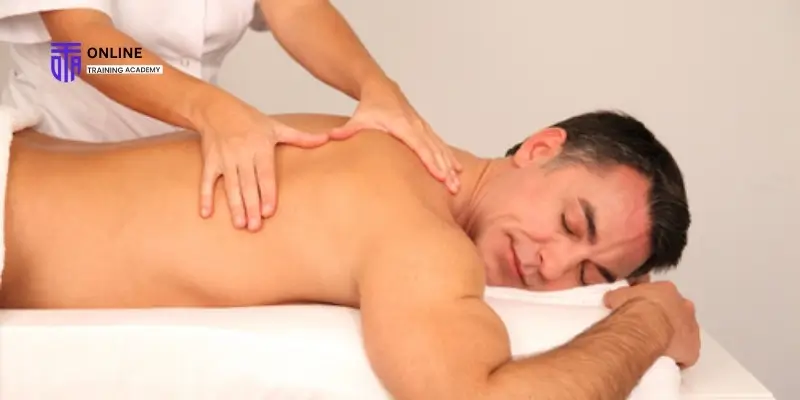
LDM offers holistic benefits for both physical and mental well-being.
1. Reduces Swelling and Inflammation
By promoting lymph flow, LDM clears excess fluid from tissues, reducing puffiness and discomfort. This is particularly beneficial for:
- Post-surgical patients.
- Individuals with lymphedema.
- Anyone experiencing fluid retention from lifestyle or diet.
2. Enhances Immune Function
Efficient lymph circulation ensures toxins are filtered and white blood cells are produced, improving the body’s defense against infections.
3. Promotes Detoxification
By aiding the body’s natural cleansing processes, LDM reduces toxin accumulation in tissues, supporting overall health. Many users report improved skin clarity and energy levels with regular sessions.
4. Supports Post-Surgical Recovery
LDM can minimise swelling, prevent fluid buildup, reduce scar tissue, and promote faster healing, making it valuable for recovery from cosmetic or orthopaedic surgery.
5. Improves Circulation
Enhanced lymph flow also improves blood circulation, ensuring oxygen and nutrients reach tissues efficiently. This supports healthy skin, faster healing, and better energy levels.
6. Relieves Stress and Anxiety
The gentle, rhythmic strokes of LDM calm the nervous system, reducing stress and promoting mental clarity—a useful tool for managing work or family-related stress.
7. Improves Skin Health and Appearance
By reducing puffiness and aiding detoxification, LDM can improve:
- Skin tone and radiance.
- Elasticity and hydration.
- Overall facial contouring.
8. Helps Manage Chronic Conditions
Those with fibromyalgia, lipedema, or rheumatoid arthritis may find symptom relief, reduced pain, improved circulation, and better mobility.
9. Relieves Sinus Congestion and Allergies
Massaging lymph nodes around the face and neck can promote sinus drainage, reducing congestion and allergy-related swelling.
10. Enhances Overall Well-Being
By promoting fluid balance, reducing toxins, and boosting immunity, LDM contributes to a sense of vitality and balance.
Lymphatic Drainage Massage in the UK: History and Modern Practice
Although trendy now, LDM has long-standing roots in Europe:
- 17th century – Early studies of lymph nodes and vessels in Denmark and Sweden.
- 1930s – Danish doctors Emil and Estrid Vodder developed modern LDM techniques, noticing that targeted massage could improve lymph node function.
- Today in the UK – LDM is widely available in physiotherapy clinics, wellness centres, and private practices, often used for post-surgery recovery, chronic conditions, and stress relief.
Modern UK therapists may combine manual lymph drainage, compression therapy, and movement exercises to provide tailored, effective care.
How to Incorporate Lymphatic Drainage Massage into Your Daily Routine
Even though professional therapy is recommended for medical conditions or severe fluid retention, you can safely perform simple lymphatic drainage techniques at home. Incorporating these into your daily routine not only supports your lymphatic system but also promotes relaxation, reduces puffiness, and improves overall well-being.
Here’s a step-by-step guide to get started:
1. Gentle Neck Massage
Your neck contains some of the body’s major lymph nodes. Stimulating these helps move lymph fluid from the head and face toward the drainage pathways in the collarbone area.
How to do it:
- Sit comfortably with a straight back and relaxed shoulders.
- Place the flats of your fingers on either side of your neck, just below your ears.
- Using gentle upward strokes, glide your fingers down toward your collarbone.
- Repeat 8–10 times on each side, keeping pressure light—this isn’t a deep tissue massage.
Tip: Incorporate this step during your morning skincare routine. Applying a few drops of facial oil or serum helps your fingers glide easily and adds skincare benefits.
2. Facial Lymphatic Massage
This technique helps reduce puffiness, dark circles, and fluid retention in the face, especially around the eyes and jawline.
How to do it:
- Cleanse your face and apply a few drops of oil or serum for smooth movement.
- Using your fingertips, start at the centre of your forehead or under your eyes.
- Glide outward toward the temples and ears, following the natural lymphatic pathways.
- Massage the jawline and cheeks using a gentle “hooking” motion from the chin up to the ears.
- Repeat 5–10 times per area, ensuring movements are slow and rhythmic.
Extra tip: You can also gently pinch the area under your eyebrows, moving from the inner to outer edges. This stimulates lymph nodes around the eyes and reduces puffiness.
3. Chest and Collarbone Activation
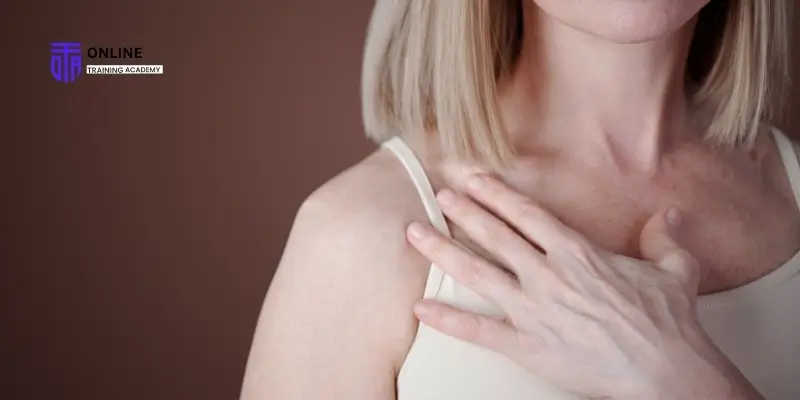
Preparing the chest and collarbone area is essential, as lymph fluid eventually drains into the lymph nodes located there.
How to do it:
- Sit upright or lie down comfortably.
- Place your hands lightly on your collarbones.
- Use soft circular motions or light strokes downward toward the shoulders.
- Perform 10–15 gentle strokes, focusing on opening up the lymph pathways.
Tip for UK lifestyles: This step is perfect while watching morning TV or listening to a podcast. It takes only 2–3 minutes but primes your lymphatic system for the rest of the day.
4. Daily Breathing Exercises
Deep breathing is surprisingly effective at stimulating lymphatic flow throughout your body. This is because the lymphatic system relies on body movement and breathing, as it doesn’t have its own pump like the heart.
How to do it:
- Sit or stand comfortably with your back straight.
- Place your hands lightly on your stomach.
- Take a slow, deep breath in through your nose, letting your stomach expand.
- Exhale slowly through pursed lips, allowing your stomach to flatten.
- Repeat 5–10 deep breaths, taking short pauses between each to avoid dizziness.
Tip: Combine this with your neck or chest massage for a full lymphatic activation session. Doing this first thing in the morning or before bed enhances relaxation and boosts energy.
5. Make It a Simple Habit
Integrating these techniques into your daily life doesn’t have to be time-consuming. A few tips for a UK-friendly routine:
- Morning skincare – Apply your serum or oil, then perform a 5–7 minute lymphatic massage to reduce puffiness and wake up your face.
- TV time or commute – Use neck and chest massage techniques while watching your favourite show or listening to music.
- Evening wind-down – Finish your day with gentle facial and neck massage combined with deep breathing to relax and promote overnight lymphatic activity.
- Weekend wellness ritual – Extend your session to include arms and legs, using gentle upward strokes to encourage lymph movement through the whole body.
6. Extra Tools You Can Use
While hands are sufficient for a daily routine, a few simple tools can enhance lymphatic massage at home:
- Jade roller or gua sha – Perfect for facial massage, helping glide gently along the lymph pathways.
- Soft massage ball or rolled towel – Can be used for gentle shoulder, upper back, or neck lymph stimulation.
- Facial cupping – Use occasionally to encourage circulation and drainage, but follow safety instructions carefully.
7. Safety Tips for At-Home Lymphatic Drainage
- Always use light pressure—the lymphatic system is close to the skin.
- Avoid massaging infected, inflamed, or swollen areas without professional advice.
- Stop if you feel pain, dizziness, or discomfort.
- Consult a UK-based physiotherapist or certified lymphatic drainage therapist if you have medical conditions, recent surgery, or chronic swelling.
Final Tip
Think of at-home lymphatic drainage as a mini wellness ritual rather than a chore. Even 5–10 minutes a day can improve circulation, reduce puffiness, and promote relaxation. Pairing this with mindful breathing or a short walk outside boosts lymphatic flow naturally, giving you both physical and mental benefits in one simple routine.
FAQs
Typically, 1–2 sessions per week, or shorter daily self-massage routines.
No. It uses gentle, rhythmic strokes. Pain indicates pressure is too firm.
Yes. LDM promotes lymph flow, reduces swelling, and speeds recovery.
Avoid LDM if you have active infections, fever, or open wounds. Otherwise, it’s safe.
Yes. LDM reduces puffiness, encourages detoxification, and promotes a healthy complexion.
Yes, but professional guidance is recommended for medical conditions.
No. It reduces fluid retention but does not burn fat.
Learn More





Get a FREE Course
- Learn useful skills online free
- Get CPD accredited certificate
- Add it to your CV today!