


Best Face Lymphatic Drainage Techniques for Glowing Skin
Introduction
Even with the best skincare routine, hydration, and sleep, many people find that their skin still looks tired, puffy, or dull. While stress, diet, and lifestyle play a role, another factor often goes unnoticed—the health of your facial lymphatic system.
The facial lymphatic system is a network of tiny vessels and nodes responsible for draining excess fluid, toxins, and metabolic waste from facial tissues. Unlike the circulatory system, it doesn’t have its own pump, relying instead on movement, muscle activity, and gentle manual stimulation to function effectively. When lymph flow slows due to stress, poor sleep, inflammation, sinus congestion, or post-procedure swelling, fluid can accumulate in tissues. The result? A heavy, congested feeling, puffiness around the eyes, and a dull complexion.
Facial lymphatic drainage is a gentle, precise massage technique designed to stimulate lymphatic flow, reduce fluid retention, and support natural skin health. Beyond aesthetics, it relieves tension, improves circulation, and promotes relaxation. By learning proper techniques—often taught by experienced professionals—you can integrate lymphatic massage into your routine for lasting results.
This explores the best face lymphatic drainage techniques for glowing skin, including professional and at-home approaches, benefits, science-backed insights, detailed step-by-step instructions, and expert tips.
What Is Facial Lymphatic Drainage?
Facial lymphatic drainage is a specialized massage technique that encourages the flow of lymphatic fluid through the face and neck. Because lymph vessels lack their own pump, gentle, rhythmic pressure is required to move excess fluid toward the nearest lymph nodes, typically located near the neck and collarbones.
Key functions of facial lymphatic drainage:
- Fluid Drainage: Prevents puffiness and swelling by directing excess fluid away from the eyes, cheeks, and jawline.
- Toxin Removal: Helps eliminate metabolic waste from the skin’s deeper layers.
- Circulation Support: Stimulates blood flow, delivering oxygen and nutrients to skin cells for a radiant glow.
- Relaxation: Activates the parasympathetic nervous system, reducing tension and stress.
Combining lymphatic drainage with mindful breathing or a relaxing environment (like soft music or aromatherapy) enhances the calming effect and encourages better lymph flow.
Table of Contents
Best Face Lymphatic Drainage Techniques for Glowing Skin
"The 'Best Face Lymphatic Drainage Techniques for Glowing Skin' guide teaches readers simple, safe facial massage methods, key benefits for skin health, step-by-step instructions, and expert tips to boost circulation, reduce puffiness, and reveal a radiant, refreshed complexion."
Benefits of Facial Lymphatic Drainage
Facial lymphatic drainage offers both cosmetic and wellness advantages. The benefits can be grouped into visible effects on the skin, muscle and tension relief, and overall wellness.
1. Restores Radiance
By stimulating circulation, facial lymphatic drainage delivers oxygen-rich blood to skin cells. The result is revived and radiant skin, giving your complexion a healthy glow without relying solely on skincare products.
2. Reduces Puffiness
Fluid accumulation, particularly around the eyes and cheeks, causes puffiness and a tired appearance. Lymphatic drainage directs fluid toward lymph nodes, sculpting the face naturally. This technique is especially effective after sinus congestion or poor sleep.
3. Relieves Facial Tension
Stress, jaw clenching, or frequent facial expressions can lead to tight muscles. Gentle massage encourages relaxation in areas like the jaw, temples, and forehead. Over time, this reduces the strain that contributes to a tense, fatigued look.
4. Promotes Relaxation
Manual stimulation of the lymphatic system triggers the parasympathetic nervous system, the “rest-and-digest” response. Facial lymphatic massage not only improves skin appearance but also promotes mental calm, making it an excellent addition to a wellness routine.
Step-by-Step Facial Lymphatic Drainage Techniques
Here is a comprehensive method for achieving optimal results. Each step is designed to move lymph fluid efficiently while enhancing skin tone, relaxation, and radiance.
Step 1: Prepare Your Skin
- Apply a lightweight oil, balm, or hydrating mask to create a smooth surface.
- This allows fingers or tools to glide without tugging the skin, protecting delicate areas like under the eyes.
- Pro Tip: Oils such as jojoba, rosehip, or argan oil not only lubricate but also provide nourishing antioxidants for the skin.
Step 2: Neck Massage
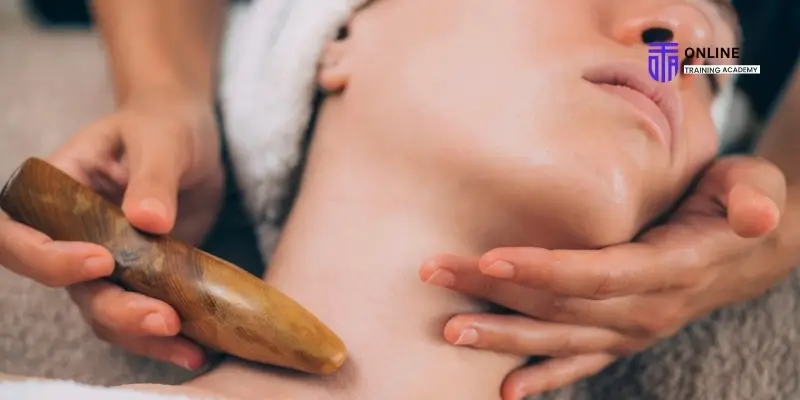
- Begin at the top of the neck with a flat palm or a gua sha tool.
- Sweep downward toward the lymph nodes near your collarbones, encouraging fluid to drain from the face.
- This also serves as a warm-up, preparing the skin for more delicate facial areas.
Step 3: Jawline and Cheeks
- Begin at the top of the neck with a flat palm or a gua sha tool.
- Sweep downward toward the lymph nodes near your collarbones, encouraging fluid to drain from the face.
- This also serves as a warm-up, preparing the skin for more delicate facial areas.
Step 4: Eye Area
- The eye region is highly sensitive and prone to fluid accumulation.
- Use the ring finger to lightly sweep from the inner corner to the outer corner, then down to the collarbones.
- Repeat 3–5 times, keeping pressure soft.
Step 5: Brows and Forehead
- Form a “V” with your index and middle fingers.
- Trace above and below the brows, gliding toward the temples.
- Sweep from the center of the forehead to the temples several times.
- Finish by gliding fingers from temples to the back of the ears and down to the collarbones.
Regular practice—daily or several times per week—amplifies benefits. Learning these techniques under expert guidance ensures precision, safety, and maximum effectiveness.
At-Home Facial Lymphatic Drainage Routine
You don’t need a professional session to experience benefits. A simple at-home routine can be integrated into your morning or evening skincare regimen:
Step 1: Deep Diaphragmatic Breathing
- Place your hands on your abdomen.
- Inhale deeply through the nose, allowing your stomach to rise, then exhale slowly.
- Repeat five times to stimulate lymph flow and prepare the body for massage.
Step 2: Comfortable Position
- Sit, stand, or lie down—choose what feels most relaxed.
Step 3: Gentle Pressure
- Using palms or fingertips, start at your forehead and gently stretch the skin downward toward the lymph nodes in the neck.
- Follow the natural pathways: forehead → brows → eyes → cheeks → jaw → neck.
Step 4: Focus on Delicate Areas
- The eye area requires the softest touch.
- Use the ring finger to gently tap or roll from inner to outer corners.
Step 5: Repeat and Hydrate
- Repeat each motion 5 times.
- Finish with light moisturization or facial oil for hydration.
Optional Tools:
- Gua Sha Stones – Sculpt and improve lymph flow.
- Facial Rollers – Gentle pressure for fluid movement.
- Soft Brushes – Light sweeping for circulation.
The Science Behind Facial Lymphatic Drainage
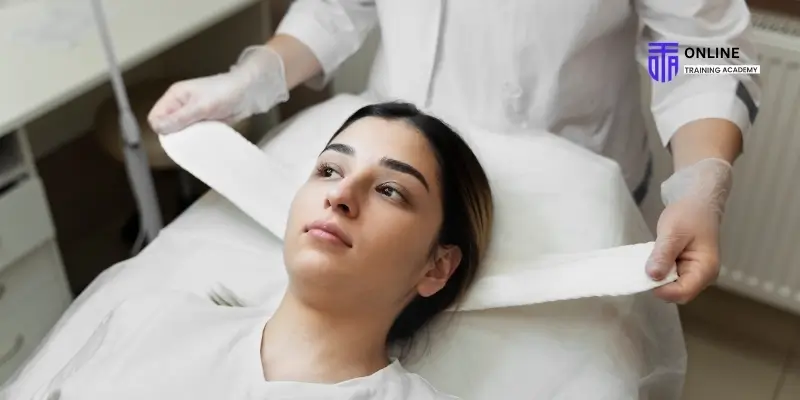
Puffiness Reduction
- Fluid accumulation causes puffiness under the eyes, cheeks, and jaw.
- Massage encourages fluid movement toward lymph nodes, naturally reducing swelling and giving the face a defined look.
Skin Tone and Glow
- Stimulates microcirculation, delivering nutrients and oxygen
- Short-term improvements in tone and radiance are widely reported.
Muscle and Tension Relief
- Relieves tightness in the jaw, temples, and forehead.
- Improves comfort and reduces stress-related tension patterns.
Research Insights
- Studies suggest a link between lymphatic function and skin appearance.
- A 2010 study showed that lymphatic drainage on the body reduced fat thickness and swelling, hinting at potential facial benefits.
- While cosmetic results are often anecdotal, the relaxation, reduced puffiness, and improved circulation are consistently reported by clients.
Professional vs. DIY Facial Lymphatic Drainage
Professional Treatments
- Performed by trained aestheticians or lymphatic specialists.
- Includes rhythmic strokes, precise pressure, and guidance toward lymph nodes.
- Sessions may incorporate deep breathing, soft sculpting, and complementary therapies.
- Typically lasts 30–60 minutes.
DIY Practice
- Ideal for regular maintenance.
- Combines manual techniques, oils, and tools.
- Focus on technique over force to prevent skin irritation.
Indirect Guidance Note: Learning from experts—whether through workshops, tutorials, or well-structured programs—helps improve technique, making self-administered routines safer and more effective.
Who Can Benefit from Facial Lymphatic Drainage?
Facial lymphatic drainage isn’t just a luxury—it can be a valuable tool for improving both skin appearance and overall facial wellness. While most people can safely incorporate gentle lymphatic massage into their routine, certain individuals may notice particularly noticeable benefits. Understanding who is ideal for this technique and the precautions to take ensures safety and maximizes results.
Ideal Candidates
Morning Puffiness or Under-Eye Bags
- Fluid naturally accumulates in the tissues overnight, especially around the eyes, causing puffiness and a tired look.
- Facial lymphatic drainage helps direct this excess fluid toward lymph nodes in the neck, reducing swelling and leaving the face more sculpted and refreshed.
Dull or Congested Skin
- Poor circulation, environmental toxins, or stress can leave skin looking dull and lifeless.
- Gentle massage stimulates blood flow and oxygen delivery, promoting a brighter, more radiant complexion. Over time, regular drainage can improve skin tone and texture.
Stress-Induced Facial Tension
- Many people unconsciously clench their jaw, tighten their forehead, or hold tension in the temples.
- Lymphatic massage relaxes these tight muscles, reducing the appearance of lines caused by stress and encouraging a softer, more relaxed expression.
Post-Aesthetic or Dental Procedure Recovery (With Professional Guidance)
- Swelling is common after procedures like fillers, dental work, or minor cosmetic treatments.
- Lymphatic drainage can help reduce post-procedure swelling, improve comfort, and promote faster recovery. It is important, however, that massage in these cases is performed or instructed by trained professionals, to avoid interfering with healing or sensitive areas.
Post-Aesthetic or Dental Procedure Recovery (With Professional Guidance)
- Congestion from allergies, colds, or sinus issues can lead to puffiness around the eyes, cheeks, and nasal area.
- Lymphatic drainage encourages fluid movement in sinus areas, relieving pressure and improving facial comfort.
Precautions
While facial lymphatic drainage is generally safe, certain conditions require caution:
Avoid Areas with Open Wounds, Infections, or Severe Skin Conditions
- Massaging broken skin or active infections can worsen irritation or spread bacteria.
- Conditions such as severe eczema, dermatitis, or acne lesions should be treated cautiously, or skipped until resolved.
Seek Medical Advice for Sudden, Painful, or Unexplained Swelling
- Rapid or asymmetrical swelling may indicate underlying medical issues, such as an infection, allergic reaction, or lymphatic blockage.
- Always consult a healthcare professional before performing lymphatic massage in these situations to ensure safety.
Post-Surgical or Medical Restrictions
- Individuals recovering from certain surgeries or with medical conditions affecting the lymphatic system should obtain professional guidance before attempting facial lymphatic drainage.
- Incorrect technique or excessive pressure can interfere with recovery or exacerbate swelling.
Facial lymphatic drainage is particularly beneficial for those experiencing puffiness, dull skin, stress-related tension, post-procedure swelling, or sinus congestion. By following proper technique and observing precautions—avoiding wounds, seeking medical guidance when needed, and being mindful of sensitive conditions—anyone can safely integrate this practice into their wellness and skincare routine.
Conclusion
Facial lymphatic drainage is a natural, non-invasive method to reduce puffiness, enhance skin radiance, relieve tension, and support relaxation. Whether performed at home or by a professional, integrating these techniques into a regular skincare and wellness routine can improve both appearance and well-being.
Learning proper techniques—through guided programs or expert tutorials—ensures effectiveness, safety, and long-lasting results. Over time, regular practice can transform the face, leaving it refreshed, glowing, and revitalized from the inside out.
FAQs
Yes, particularly for puffiness, fluid retention, and enhancing natural glow, though results are temporary.
Not required, but gua sha or facial rollers can enhance results when used correctly.
No; it improves tone and puffiness temporarily but does not change skin structure.
Generally yes, unless there are open wounds, infections, or severe skin conditions.
DIY supports routine maintenance, but professional guidance ensures precision and safety.
Light oils, balms, or masks to allow smooth movement and protect delicate skin.
Learn More





Get a FREE Course
- Learn useful skills online free
- Get CPD accredited certificate
- Add it to your CV today!