597 Students
Working in health and social care in Canada requires more than just compassion—it demands a strong understanding of safety, dignity, communication, and safeguarding practices. The Care Certificate Preparation (Standards 1–15) course is designed to introduce learners to essential care principles used in healthcare, community support, and residential care environments. essionals, this course covers everything from duty of care and person-centred …
Working in health and social care in Canada requires more than just compassion—it demands a strong understanding of safety, dignity, communication, and safeguarding practices. The Care Certificate Preparation (Standards 1–15) course is designed to introduce learners to essential care principles used in healthcare, community support, and residential care environments.
essionals, this course covers everything from duty of care and person-centred support to safeguarding, infection control, mental health awareness, and basic life support. It reflects the core expectations of care work across hospitals, care homes, and community services in Canada.
Study online at your own pace and build essential knowledge for working in care environments. Upon completion, you will receive a certificate that supports your professional development in health and social care. Enrol today and take your first step toward a meaningful care career.
The Care Certificate Preparation Standards (1 to 15) Course only gives you the theoretical knowledge that you need to excel in this field. This Course doesn’t entitle you to practise as a professional in this specific field.
This course is ideal for:
All of our courses, includingThe Care Certificate Preparation Standards (1 to 15) Course, are fully accredited, providing you with up-to-date skills and knowledge and helping you to become more competent and effective in your chosen field.
All of our courses are accredited by the CPD Quality Standards as conforming to universally accepted Continuing Professional Development (CPD) guidelines.

The Quality Licence Scheme (QLS) is a trusted endorsement framework that certifies high-quality, non-regulated training programmes across various sectors.
The Association of Healthcare Trainers (AoHT) promotes high-quality healthcare training, supporting providers to deliver relevant, industry-aligned education and improve professional standards.

Once you’ve successfully completed your course, you will immediately be sent a digital certificate. Also, you can have your printed certificate delivered by post (shipping cost CA$9.99). All of our courses are fully accredited, providing you with up-to-date skills and knowledge and helping you to become more competent and effective in your chosen field.
The detailed curriculum outline of our The Care Certificate Preparation is as follows:
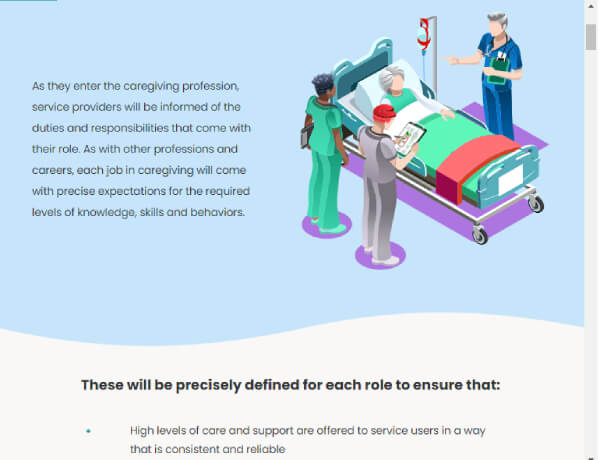
This standard explains the core responsibilities of a care worker, including professional boundaries, accountability, and expected conduct. It helps learners understand how their role contributes to safe and effective care delivery.
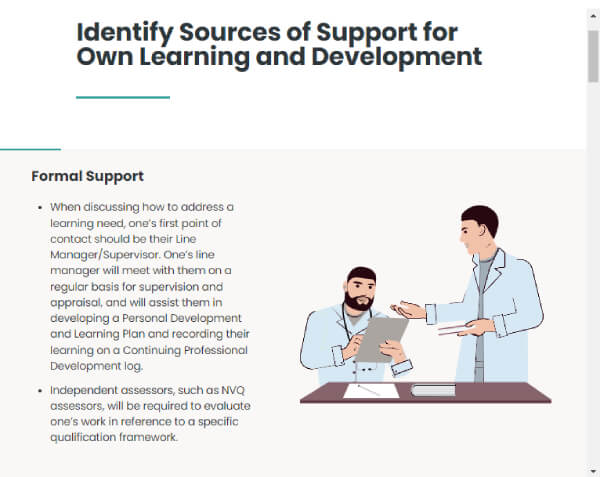
Focuses on self-reflection and continuous improvement in care practice. Learners explore how to identify strengths, address gaps, and build ongoing professional growth.
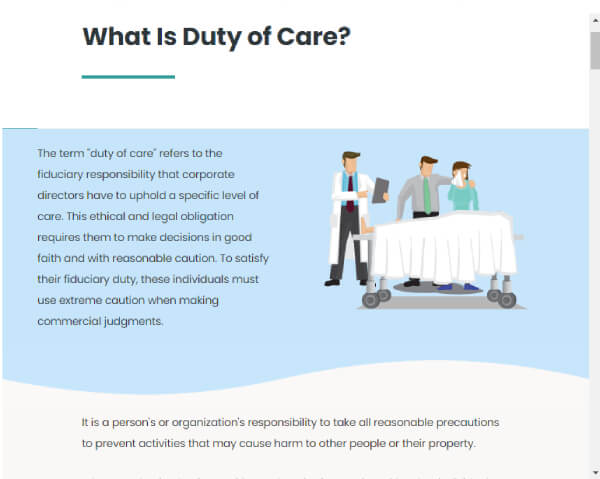
Covers the legal and ethical responsibility to act in the best interests of individuals receiving care. It also explains how to balance safety with respect for independence and choice.
Introduces the importance of fair treatment and respect for all individuals. It highlights inclusive care practices that support people regardless of background, identity, or needs.
This standard focuses on tailoring care to individual preferences, needs, and values. It ensures that service users remain central to all care planning and delivery.
Explores effective communication methods in care settings, including verbal, non-verbal, and written skills. It also covers how to communicate clearly with service users, families, and care teams.
Highlights how to protect personal space, confidentiality, and respect while delivering care. Learners understand how dignity improves trust and comfort in care environments.
Covers the importance of balanced nutrition and proper hydration in maintaining health. It also explains how to support individuals with eating and drinking safely.
Introduces key conditions affecting mental and cognitive health. It focuses on understanding needs and providing compassionate, appropriate support.
Explains how to recognise signs of abuse or neglect and respond appropriately. It emphasises protecting vulnerable adults and following reporting procedures.
Focuses on child protection responsibilities in care settings. Learners understand how to identify risks and take correct safeguarding actions.
Introduces emergency response skills such as CPR awareness and basic life-saving techniques. It prepares learners to respond effectively in urgent situations.
Covers workplace safety practices, hazard identification, and accident prevention. It ensures learners understand how to maintain a safe care environment.
Focuses on confidentiality, data protection, and secure record-keeping. It explains how sensitive information must be managed responsibly.
Explores hygiene practices and infection prevention methods. It highlights how proper procedures reduce the spread of infections in care environments.
This course is ideal for individuals starting a career in healthcare, care assistants, support workers, students, and anyone interested in working in Canada’s health and social care industry.
Learners gain skills in communication, safeguarding, infection control, person-centred care, health and safety, and understanding responsibilities within care environments.
Yes, it can support your application for entry-level roles such as care assistant, support worker, or healthcare aide, especially when combined with hands-on experience and additional training.
Yes, the course includes dedicated standards on safeguarding adults and children, as well as infection control practices used in Canadian care settings.
Yes, it is designed for beginners with no prior experience in healthcare or social care, making it suitable for new learners in Canada.
Yes, learners receive a certificate upon successful completion, which can support career development in Canada’s healthcare and social care sector.
| Standard 01: Understand Your Role | |||
| The Duties and Responsibilities of a Care Worker | 00:14:00 | ||
| Employment Rights and Responsibilities | 00:16:00 | ||
| Aims, objectives and values of the service | 00:14:00 | ||
| Responsibilities to the Individuals | 00:13:00 | ||
| Different Working Relationships in Care Settings | 00:14:00 | ||
| The Importance of Partnership Working | 00:16:00 | ||
| Standard 02: Your personal development | |||
| Identify Sources of Support for Own Learning and Development | 00:16:00 | ||
| Skills That Healthcare Professionals Need | 00:17:00 | ||
| Standard 03: Duty of Care | |||
| What Is Duty of Care | 00:16:00 | ||
| Dilemmas That may Arise Between the Duty of Care and an Individual’s Right | 00:15:00 | ||
| Procedures for Responding to Complaints | 00:15:00 | ||
| Recognising Adverse Events, Incidents, Errors and Near Misses | 00:15:00 | ||
| Factors and Difficult Situations That may Cause Confrontation | 00:13:00 | ||
| Standard 04: Equality and Diversity | |||
| Understanding Diversity | 00:14:00 | ||
| Discrimination that can be Deliberately or Unintentional | 00:16:00 | ||
| legislation and Codes of Practice Relating to Equality | 00:15:00 | ||
| Respecting individuals’ beliefs, culture, values and preferences | 00:14:00 | ||
| Sources of Information for Diversity, Equality, and Inclusion | 00:15:00 | ||
| Standard 05: Work in a Person Centred Way | |||
| Putting Person-Centred Values into Practice | 00:16:00 | ||
| The Importance of Finding out the History, Preferences, Wishes and Needs | 00:13:00 | ||
| Environmental Factors that may cause Discomfort or Distress | 00:14:00 | ||
| Raising concerns directly with the individual concerned | 00:15:00 | ||
| Caregiving is more than just monitoring medicines and driving to doctor | 00:15:00 | ||
| Ensuring the comfort of individuals where they have restricted movement | 00:16:00 | ||
| Promoting person centred values | 00:13:00 | ||
| Recognising the signs of pain or discomfort | 00:14:00 | ||
| Standard 06: Communication | |||
| Different Ways that People Communicate | 00:12:00 | ||
| Why it is important to observe and be receptive to an individual | 00:12:00 | ||
| Establishing an Individual’s Communication and Language Needs, Wishe | 00:14:00 | ||
| Barriers to Effective Communication | 00:15:00 | ||
| How to Check whether the Health Care Support Worker and Adult Social Care | 00:13:00 | ||
| What Is Confidentiality | 00:13:00 | ||
| The Use of Appropriate Verbal and Non-Verbal Communication | 00:16:00 | ||
| Communication Aids | 00:16:00 | ||
| Standard 07: Privacy and dignity | |||
| What is meant by privacy and dignity | 00:15:00 | ||
| Maintaining the Privacy of the Individual | 00:14:00 | ||
| Ways of Helping Individuals to Make Informed Choices | 00:14:00 | ||
| How Valuing People Contributes to Active Participation | 00:12:00 | ||
| Supporting the Active Participation of Individuals in Their Care | 00:16:00 | ||
| Standard 08: Fluids and nutrition | |||
| The Importance of Food Safety, Including Hygiene, in the Preparation and Handling of Food | 00:16:00 | ||
| Ensuring That Drinks Are Within Reach of Those That Have Restorations on Their Movement | 00:15:00 | ||
| Ensuring That Any Nutritional Products Are Within Reach of Those That Have Restrictions on Their Movement | 00:14:00 | ||
| Standard 09: Mental Health, Dementia and Learning Disabilities | |||
| How Someone May Feel if They Have Mental Health Conditions | 00:17:00 | ||
| How Conditions Influence a Person | 00:17:00 | ||
| How Positive Attitudes Towards Those With Mental Health Conditions | 00:16:00 | ||
| Adjustments which may be Necessary in Care Delivery | 00:16:00 | ||
| Importance of Early Detection of Mental Health Needs | 00:19:00 | ||
| Requirements of Legislation and Policies | 00:15:00 | ||
| Effect of Listed Legislation and Policies | 00:18:00 | ||
| Capacity | 00:17:00 | ||
| Standard 10: Safeguarding Adults | |||
| Safeguarding Adults | 00:17:00 | ||
| Types of Abuse | 00:15:00 | ||
| Defining Harm | 00:16:00 | ||
| Indicators of Abuse | 00:17:00 | ||
| Factors Which have Featured in Adult Abuse and Neglect | 00:14:00 | ||
| How Care Environments can Promote and Undermine People’s Dignity and Rights | 00:18:00 | ||
| Reducing the Likelihood of Abuse with Risk Enablement and Management | 00:19:00 | ||
| Standard 11: Safeguarding Children | |||
| Safeguarding Children at Level 1 | 00:11:00 | ||
| Actions to Take If a Child, Young Person (Met in Any Circumstances) Is Suspected to Be Abused | 00:14:00 | ||
| Appropriate Actions to take When Abuse is Suspected | 00:15:00 | ||
| Legislation, Local and National Policies and Procedures Related to Safeguarding | 00:15:00 | ||
| The Importance of Sharing Information with the Relevant Agencies | 00:16:00 | ||
| Standard 12: Basic life support | |||
| Basic Life Support (BLS) | 00:14:00 | ||
| Standard 13: Health and Safety | |||
| Legislation Relating to General Health and Safety in a Health or Social Care | 00:16:00 | ||
| Health and Safety Policies and Procedures | 00:18:00 | ||
| How to Access Additional Support and Information Relating to Health and Safety | 00:15:00 | ||
| The Importance of Risk Assessment for Health and Safety Standards | 00:16:00 | ||
| Legislation Relating to Moving and Assisting | 00:17:00 | ||
| Procedures to Follow When Accidents or Illness Occur | 00:17:00 | ||
| Agreed Ways of Working in Relation to Medication | 00:15:00 | ||
| Hazardous Substances in the Workplace | 00:17:00 | ||
| Prevent Fires from Starting or Spreading | 00:19:00 | ||
| Protecting Security | 00:18:00 | ||
| Identifying Common Signs of Stress in a Work Setting | 00:17:00 | ||
| Standard 14: Handling information | |||
| Agreed Ways of Working regarding the Recording, | 00:15:00 | ||
| Importance to Have Secure Systems for Recording, Storing and Sharing Information | 00:13:00 | ||
| How to Keep Records That Are Up to Date, Complete, Accurate and Legible | 00:13:00 | ||
| Standard 15: Infection control | |||
| The Main Ways an Infection Can Get into the Body | 00:18:00 | ||
| Effective Hand Hygiene | 00:17:00 | ||
| Risk to the individuals | 00:15:00 | ||
| Common Types of Personal Protective Clothing, Equipment and Procedures | 00:16:00 | ||
| Google Review | |||
| Google Review | 00:00:00 | ||
$125 Original price was: $125.$20Current price is: $20. ex VAT
SAVE 84% - OFFER ENDS SOON
![]() |
01 Year of full Course access
Intermediate
Endorsed Certificate of Compleiton