
400 Students
The uniform is only one part of the job—the real responsibility is earning trust when people need it most. Across Ontario, security guards help protect businesses, healthcare facilities, residential buildings, schools, construction sites, and public events by staying alert, responding calmly, and making informed decisions. This course introduces the knowledge needed to understand the role of a security guard while …

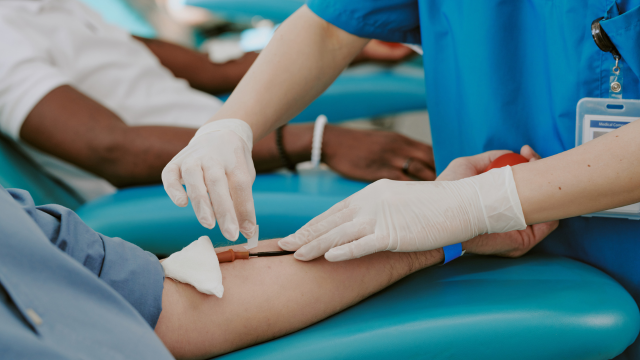
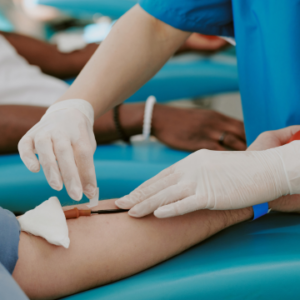
A single blood sample can reveal hundreds of clues about a person’s health—but only when it’s collected correctly. Behind every accurate laboratory result is a trained healthcare professional who understands precision, patient care, and clinical safety. This Phlebotomy course introduces the essential knowledge and techniques needed to perform blood collection procedures confidently while following recognised healthcare standards used across Canadian clinical settings.
Whether you’re preparing for a healthcare career, expanding your existing clinical knowledge, or exploring opportunities in hospitals, diagnostic laboratories, or community care, this course provides a structured introduction to phlebotomy, vascular access principles, catheterisation theory, anatomy, infection prevention, and professional communication. Every topic is designed to help you understand not only how procedures are performed but also why accuracy and patient safety matter at every stage.
Study entirely online and progress at a pace that fits your schedule. By the end of the course, you’ll have a stronger understanding of phlebotomy principles, improved confidence in clinical decision-making, and an accredited qualification that supports your ongoing professional development within Canada’s healthcare sector.
By completing this Phlebotomy course, you will be able to:
Phlebotomy is a CPD accredited course designed to introduce learners to the principles of blood collection, specimen handling, anatomy, infection prevention, vascular access, catheterisation theory, and professional healthcare communication. It provides a strong theoretical foundation for individuals interested in diagnostic services and patient care while promoting safe, ethical, and high-quality clinical practice. Whether you’re beginning your healthcare journey or expanding your existing knowledge, this course supports your understanding of essential procedures commonly used in Canadian healthcare environments.
Upon successfully completing your Phlebotomy course with Online Training Academy, you will receive a digital certificate instantly. If you would like a printed copy, it can be delivered anywhere within Canada for CAD 9.99. This accredited certificate recognises your commitment to expanding your healthcare knowledge and can strengthen your profile when pursuing further education or healthcare-related opportunities.
Healthcare is built on accuracy, compassion, and attention to detail. If you’re interested in developing the knowledge that supports safe clinical procedures, this course provides an excellent starting point.
This course is ideal for:
Every accurate diagnosis begins long before a doctor reviews the results. Blood collection is one of the most frequently performed clinical procedures, making phlebotomy an essential part of modern healthcare. Understanding how specimens are collected, handled, and prepared helps support reliable laboratory testing and high standards of patient care.
Rather than focusing only on procedures, this course explores the reasoning behind clinical decisions. You’ll develop a stronger understanding of anatomy, infection prevention, communication, vascular access, and professional responsibilities—knowledge that supports safe practice across a wide range of healthcare environments.
As Canada’s healthcare system continues to grow, employers value individuals who demonstrate initiative and a commitment to continuous learning. Whether you’re preparing for further study or enhancing your existing healthcare knowledge, this course provides a valuable foundation for future professional development.
Completing this Phlebotomy course can support a variety of healthcare career pathways across Canada.
Job Role | Average Salary |
Phlebotomy Technician | CAD $45,000 – $65,000 per year |
Laboratory Assistant | CAD $44,000 – $62,000 per year |
Medical Laboratory Technician (Assistant Level) | CAD $48,000 – $70,000 per year |
Healthcare Assistant | CAD $42,000 – $60,000 per year |
Clinical Support Worker | CAD $43,000 – $61,000 per year |
Patient Care Assistant | CAD $42,000 – $60,000 per year |
Diagnostic Clinic Assistant | CAD $45,000 – $66,000 per year |
Community Health Support Worker | CAD $44,000 – $63,000 per year |
To enrol in this course, learners should:
Collecting a blood sample may appear straightforward, but every stage requires careful attention to safety, accuracy, and patient wellbeing. Understanding these principles helps reduce errors, improve specimen quality, and contribute to better healthcare outcomes.
This qualification demonstrates your commitment to learning recognised clinical practices and strengthening your healthcare knowledge. Employers appreciate candidates who understand professional communication, infection prevention, ethical responsibilities, and quality standards within patient care environments.
More importantly, the knowledge gained throughout this course provides a strong platform for continued learning. Whether you plan to pursue additional healthcare qualifications or broaden your understanding of clinical procedures, the skills introduced here can support your professional journey across Canada’s healthcare sector.
All of our courses, including this Phlebotomy course, are fully CPD accredited. The curriculum is regularly reviewed to reflect current healthcare knowledge and best practices, helping learners build relevant clinical understanding while supporting continuous professional development.
The detailed curriculum outline of our Phlebotomy course is as follows:
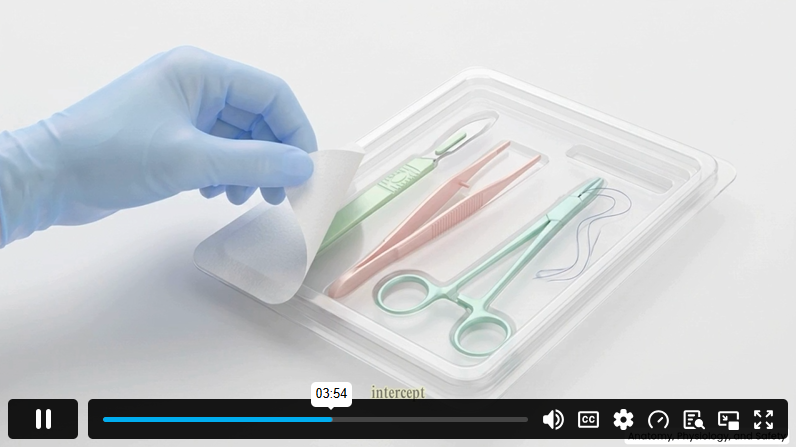
Before a diagnosis is confirmed, one small procedure often sets everything in motion. This opening module introduces the purpose of phlebotomy and catheterisation, explains their role in modern healthcare, and explores the responsibilities of practitioners who perform these essential clinical procedures.
What if understanding the human body could make every clinical decision more precise? Gain a clear understanding of veins, blood circulation, body systems, and infection prevention while learning why patient safety remains the foundation of every successful healthcare procedure.
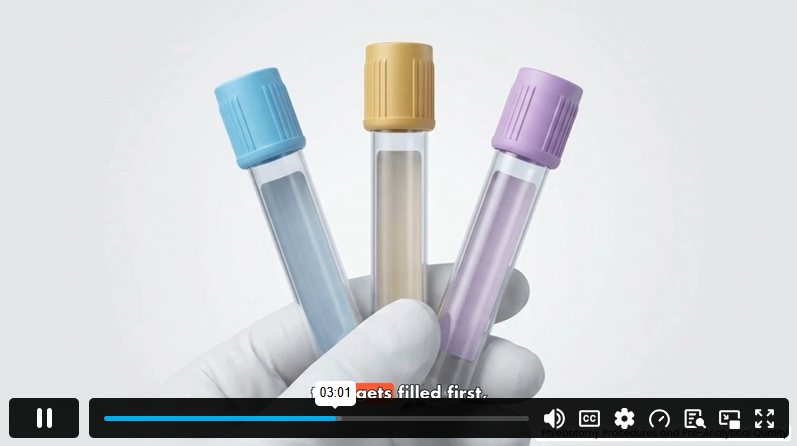
Here’s an insight many people overlook: laboratory accuracy begins long before a sample reaches the lab. Explore each stage of the blood collection process, from patient identification and specimen handling to quality assurance practices that help minimise errors and improve reliable diagnostic testing.
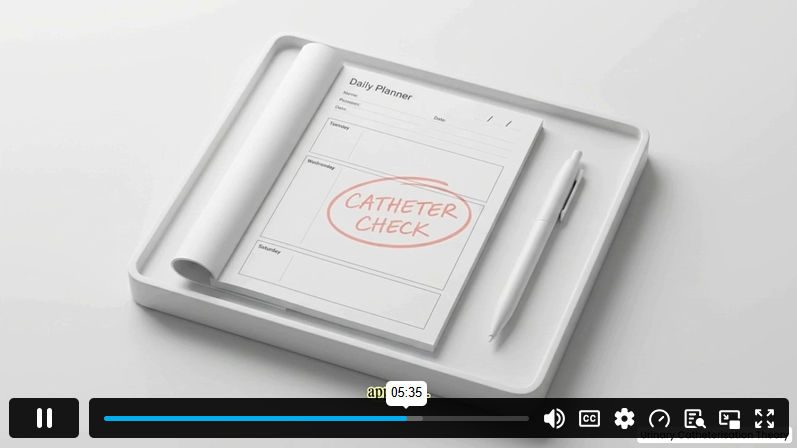
Imagine knowing the procedure but not understanding when—or why—it should be performed. This module examines the theoretical principles of urinary catheterisation, including indications, contraindications, infection prevention, patient dignity, and the importance of following recognised clinical protocols.
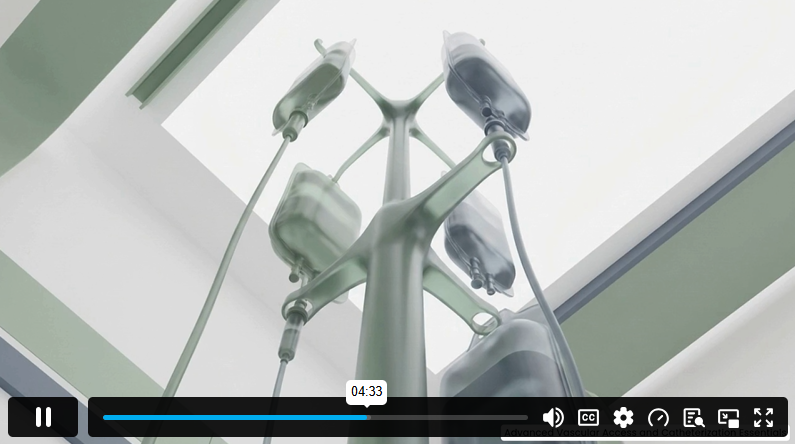
As healthcare needs become more complex, so do the techniques used to support patient care. Discover the principles behind advanced vascular access, different catheter types, potential complications, and the clinical reasoning that guides safe and effective practice in a variety of healthcare settings.
Technical knowledge earns trust, but professional communication helps keep it. Learn how respectful interactions, accurate documentation, ethical behaviour, confidentiality, and teamwork contribute to safe, person-centred care while strengthening collaboration across multidisciplinary healthcare environments.
Yes. The course is designed for beginners and introduces the fundamental principles of phlebotomy, anatomy, patient care, infection prevention, and professional healthcare practice.
Yes. The course is written for learners interested in healthcare careers in Canada and reflects widely recognised clinical principles and professional healthcare standards.
No. Previous healthcare experience is not required. The course starts with foundational concepts before progressing to more specialised topics.
Yes. You’ll learn the anatomy and physiology relevant to blood collection, vascular access, and safe clinical practice.
Absolutely. Infection prevention, safety procedures, specimen quality, and patient-centred care are integrated throughout the course.
Yes. The curriculum includes the theoretical principles of urinary catheterisation and introduces essential concepts related to advanced vascular access.
Yes. It provides valuable theoretical knowledge that supports learners interested in healthcare, diagnostic services, laboratory environments, and patient care settings.
Yes. You can study entirely online, giving you the flexibility to learn around your personal and professional commitments.
Yes. After successfully completing the course, you’ll receive a digital certificate immediately. A printed certificate can also be ordered for delivery within Canada.
This course combines anatomy, patient safety, communication, clinical procedures, and professional standards into one structured learning experience, helping learners build a strong foundation for future healthcare development.
| Phlebotomy | |||
| Module 1 Foundations of Phlebotomy and Catheterisation | 00:05:00 | ||
| Module 2 Anatomy, Physiology, and Safety | 00:07:00 | ||
| Module 3 Phlebotomy Procedures and Pre-Analytical Quality | 00:06:00 | ||
| Module 4 Urinary Catheterisation Theory | 00:08:00 | ||
| Module 5 Advanced Vascular Access and Catheterization Essentials | 00:07:00 | ||
| Module 6 Clinical Communication and Professional Standards in Healthcare | 00:06:00 | ||
$125 Original price was: $125.$20Current price is: $20. ex VAT
SAVE 84% - OFFER ENDS SOON
![]() |
01 Year of full Course access
Intermediate
Endorsed Certificate of Compleiton