445 Students
Strong negotiation skills are essential across Canada’s business, customer service, healthcare, sales, and management sectors. This Negotiation Skills course is designed to help learners develop the communication and decision-making abilities needed to manage discussions, resolve disagreements, and achieve positive outcomes in professional environments. Whether you are new to negotiation or already working in a client-facing or leadership role, this course …
Strong negotiation skills are essential across Canada’s business, customer service, healthcare, sales, and management sectors. This Negotiation Skills course is designed to help learners develop the communication and decision-making abilities needed to manage discussions, resolve disagreements, and achieve positive outcomes in professional environments.
Whether you are new to negotiation or already working in a client-facing or leadership role, this course introduces effective negotiation techniques, conflict management strategies, influencing methods, and objection-handling approaches. Learners can apply these skills in Canadian workplaces including offices, retail businesses, healthcare settings, sales departments, customer support teams, and project-based environments.
This flexible online course allows you to study at your own pace while building valuable workplace communication skills. Upon completion, learners receive certification that can strengthen their CV and support career development. Enrol today and build the confidence to negotiate effectively in modern Canadian workplaces.
Please note: This Mental Health First Aid Course only gives you the theoretical knowledge that you need to excel in this field. This Course doesn’t entitle you to practise as a professional in this specific field.
By the end of the Mental Health First Aid Course, learners will be able to:
These outcomes are focused on real-life application in environments such as Canadian hospitals, schools, long-term care homes, and workplace settings.
This course is ideal for:
No previous experience is required. The content is designed to guide learners step-by-step, making it suitable for those entering health and social care fields in Canada or expanding their awareness of mental wellbeing.
The Mental Health First Aid Online course offered by Online Training Academy is not a regulated qualification. It is designed for educational purposes only, to support knowledge development and awareness. This course does not replace accredited, in-person Mental Health First Aid certification required for workplace or professional compliance.
All of our courses, including this Mental Health First Aid (MHFA), are fully accredited, providing you with up-to-date skills and knowledge and helping you to become more competent and effective in your chosen field.
All of our courses are accredited by the CPD Certification Service as conforming to universally accepted Continuing Professional Development (CPD) guidelines.
The Quality Licence Scheme (QLS) is a trusted endorsement framework that certifies high-quality, non-regulated training programmes across various sectors.
The Association of Healthcare Trainers (AoHT) promotes high-quality healthcare training, supporting providers to deliver relevant, industry-aligned education and improve professional standards.
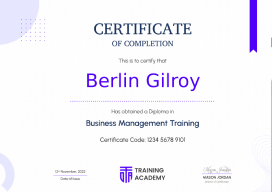
Once you’ve successfully completed your course, you will immediately be sent a digital certificate. Also, you can have your printed certificate delivered by post (shipping cost CA$9.99). All of our courses are fully accredited, providing you with up-to-date skills and knowledge and helping you to become more competent and effective in your chosen field.
This module introduces the core principles of successful negotiation in workplace and business settings. Learners will explore different negotiation styles, communication methods, and preparation techniques used to reach positive outcomes. The module also explains how to build confidence during discussions and manage negotiations professionally. By the end of the module, learners will understand how to approach negotiations strategically and effectively.
This module focuses on identifying, understanding, and managing workplace conflict in a constructive way. Learners will explore common causes of disagreements and techniques for resolving issues calmly and professionally. The module also covers communication strategies that support teamwork and positive workplace relationships. Learners will gain skills that can help reduce tension and improve collaboration.
This module explores the communication and persuasion techniques used to influence others effectively and ethically. Learners will understand how to build trust, present ideas clearly, and encourage cooperation in professional environments. The module also highlights the importance of confidence, active listening, and relationship-building. These skills are valuable in leadership, customer service, and team-based roles.
This module teaches learners how to respond confidently to objections, concerns, and resistance during conversations or negotiations. Learners will explore active listening techniques and methods for addressing misunderstandings professionally. The module also focuses on maintaining positive communication during challenging discussions. By completing this module, learners will be better prepared to manage objections in workplace and customer-facing situations.
Canada’s primary negotiation style fosters collaboration. It aims to find solutions where both parties benefit. Canadians place a strong emphasis on consensus-building. This may mean a more measured pace in decision-making as they make efforts to include and consider all stakeholder perspectives.
Canadian “sorry” kinda makes sense… #linguistics #language …Canadians frequently use “sorry” as a polite social lubricant, often pronouncing it “soar-ee” (rhyming with “sorry” not “sari”). It functions as a habitual, often reflexive, way to say “excuse me,” “pardon me,” or to acknowledge minor, non-guilty inconveniences rather than a sincere apology.
In Canada, rudeness is generally defined by actions that disrupt social harmony, violate personal space, or show a lack of consideration for others. Key taboos include cutting in line, excessive volume, not saying “sorry” or “please,” being disrespectful of personal privacy (asking about salary/politics), and showing up on time to a party (slightly late is better).
The answer should showcase the candidate’s communication skills, patience, and problem-solving abilities. The candidate should also emphasize their ability to balance their own interests while working toward a mutually beneficial solution.
| Negotiation Skills | |||
| Module 01: Negotiation Techniques | 00:17:00 | ||
| Module 02: Conflict Management | 00:15:00 | ||
| Module 03: Influencing People | 00:07:00 | ||
| Module 04: Handling Objections | 00:09:00 | ||
| Trust Pilot Review | |||
| Trust Pilot Review | 00:00:00 | ||
$199 Original price was: $199.$20Current price is: $20. ex VAT
SAVE 90% - OFFER ENDS SOON
![]() |