1129 Students
Medical emergencies can happen anywhere, and knowing how to assess injuries and respond appropriately can make a significant difference before advanced medical care arrives. This Medical Emergency: Assessing and Treating Injuries course introduces the essential principles of emergency assessment, injury management, infection control, and patient safety. Designed with Canada’s healthcare sector in mind, it provides foundational knowledge for responding confidently …
Medical emergencies can happen anywhere, and knowing how to assess injuries and respond appropriately can make a significant difference before advanced medical care arrives. This Medical Emergency: Assessing and Treating Injuries course introduces the essential principles of emergency assessment, injury management, infection control, and patient safety. Designed with Canada’s healthcare sector in mind, it provides foundational knowledge for responding confidently in a variety of care settings.
Whether you’re beginning a healthcare career or already working in healthcare, caregiving, emergency response, or community support, this course explores patient assessment, life-saving priorities, common and major injuries, environmental emergencies, and ethical practice. These skills are valuable in hospitals, long-term care homes, clinics, community care, and other Canadian healthcare environments.
Study online at your own pace and learn whenever it fits your schedule. Earn a certificate that demonstrates your commitment to expanding your emergency care knowledge and take the next step towards supporting safer patient outcomes.
Please note: This Medical Emergency: Assessing and Treating Injuries Course only gives you the theoretical knowledge that you need to excel in this field. This Course doesn’t entitle you to practise as a professional in this specific field.
This course is ideal for:
All of our courses, including this Medical Emergency: Assessing and Treating Injuries Course, are fully accredited, providing you with up-to-date skills and knowledge and helping you to become more competent and effective in your chosen field.
All of our courses are accredited by the CPD Quality Standards as conforming to universally accepted Continuing Professional Development (CPD) guidelines.
The Quality Licence Scheme (QLS) is a trusted endorsement framework that certifies high-quality, non-regulated training programmes across various sectors.
The Association of Healthcare Trainers (AoHT) promotes high-quality healthcare training, supporting providers to deliver relevant, industry-aligned education and improve professional standards.
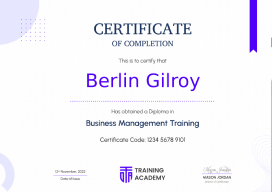
Once you’ve successfully completed your course, you will immediately be sent a digital certificate. Also, you can have your printed certificate delivered by post (shipping cost CA$9.99). All of our courses are fully accredited, providing you with up-to-date skills and knowledge and helping you to become more competent and effective in your chosen field.
Begin by exploring the wide range of healthcare environments where emergency care may be provided. You’ll gain an understanding of different workplace settings, multidisciplinary teams, and the importance of delivering safe, patient-centred care.
Healthcare professionals have important legal and ethical responsibilities. This module introduces patient rights, consent, confidentiality, accountability, and the professional standards that guide safe clinical practice.
Building on the previous module, you’ll explore ethical decision-making, documentation, communication, and maintaining high standards of care while working within healthcare policies and regulations.
A structured assessment is the foundation of effective emergency care. Learn how to identify immediate concerns, assess patient condition, prioritise care, and communicate findings clearly during medical emergencies.
In emergencies, quick decisions matter. This module explains how healthcare providers prioritise life-threatening conditions, maintain patient safety, and provide immediate support while awaiting additional medical assistance.
Discover how common injuries such as cuts, burns, sprains, fractures, and minor trauma are recognised and managed while maintaining patient comfort and reducing further harm.
Serious injuries require rapid assessment and coordinated care. You’ll explore major trauma, severe bleeding, head injuries, spinal injuries, fractures, and emergency management principles.
Extreme temperatures and environmental conditions can cause medical emergencies. This section covers heat-related illnesses, hypothermia, frostbite, dehydration, and other environmental injuries that require prompt recognition.
Not every emergency involves trauma. Learn how to recognise common medical emergencies, respond appropriately, and understand when immediate escalation to emergency medical services is required.
Emergency situations often involve multiple challenges. This module highlights important safety considerations, effective communication, patient dignity, teamwork, and maintaining calm under pressure.
Preventing the spread of infection is essential in every healthcare setting. You’ll learn about standard precautions, hand hygiene, personal protective equipment (PPE), cleaning procedures, and infection prevention practices.
Complete the course by exploring the role of fluids and electrolytes in maintaining normal body function. You’ll learn why imbalances occur, how they affect patients, and why monitoring hydration is an important aspect of healthcare.
This course is ideal for aspiring healthcare workers, healthcare assistants, personal support workers, caregivers, nursing students, community support workers, first aid responders, and anyone interested in learning more about emergency medical care in Canada.
Yes. The course is beginner-friendly and requires no previous healthcare experience. It introduces emergency care concepts in a clear, structured, and easy-to-follow format.
The curriculum includes healthcare settings, legal and ethical responsibilities, patient assessment, life-saving priorities, common and major injuries, environmental injuries, medical emergencies, infection control, and fluid and electrolyte balance.
No. This course provides foundational knowledge only and does not qualify learners to work as a licensed paramedic or emergency medical technician. These careers require approved education, clinical training, and provincial certification or licensing in Canada.
A structured patient assessment helps identify life-threatening conditions quickly, prioritise care, communicate important information, and support timely medical intervention. Early assessment plays an essential role in improving patient outcomes.
Infection control helps reduce the spread of bacteria, viruses, and other infectious diseases between patients, healthcare workers, and visitors. Following proper hand hygiene, personal protective equipment (PPE) procedures, and cleaning protocols is essential for maintaining a safe healthcare environment.
| Module 1: Working in Different Healthcare Settings | |||
| Working in Different Healthcare Settings | 00:15:00 | ||
| Module 2: Legal, Standards and Professional Aspects of Ethical Practice: Part - 1 | |||
| Legal, Standards and Professional Aspects of Ethical Practice: Part – 1 | 00:50:00 | ||
| Module 3: Legal, Standards and Professional Aspects of Ethical Practice: Part - 2 | |||
| Legal, Standards and Professional Aspects of Ethical Practice: Part – 2 | 00:48:00 | ||
| Module 4: Initial Assessment | |||
| Initial Assessment | 00:31:00 | ||
| Module 5: Life-Saving Priorities | |||
| Life-Saving Priorities | 00:30:00 | ||
| Module 6: Common Injuries | |||
| Common Injuries | 00:36:00 | ||
| Module 7: Major Injuries | |||
| Major Injuries | 00:41:00 | ||
| Module 8: Environmental Injuries | |||
| Environmental Injuries | 00:17:00 | ||
| Module 9: Medical Emergency | |||
| Medical Emergency | 00:16:00 | ||
| Module 10: Things to Keep in Mind | |||
| Things to Keep in Mind | 00:15:00 | ||
| Module 11: Infection Control | |||
| Infection Control | 00:57:00 | ||
| Module 12: Fluid and Electrolyte Balance | |||
| Fluid and Electrolyte Balance | 00:21:00 | ||
| Mock Exam | |||
| Mock Exam – Medical Emergency: Assessing and Treating Injuries | 00:20:00 | ||
| Final Exam | |||
| Final Exam – Medical Emergency: Assessing and Treating Injuries | 00:20:00 | ||
$125 Original price was: $125.$20Current price is: $20. ex VAT
SAVE 84% - OFFER ENDS SOON
![]() |
01 Year of full Course access
Intermediate
Endorsed Certificate of Compleiton