342 Students
Manual handling tasks are common across many Canadian workplaces, including healthcare, construction, warehousing, manufacturing, retail, and logistics. This Manual Handling and Safety at Work course provides learners with a comprehensive understanding of manual handling risks, workplace safety responsibilities, and safe lifting practices. The course is designed to help individuals recognise hazards and contribute to safer working environments. Suitable for beginners …
Manual handling tasks are common across many Canadian workplaces, including healthcare, construction, warehousing, manufacturing, retail, and logistics. This Manual Handling and Safety at Work course provides learners with a comprehensive understanding of manual handling risks, workplace safety responsibilities, and safe lifting practices. The course is designed to help individuals recognise hazards and contribute to safer working environments.
Suitable for beginners and existing workers, the course explores manual handling legislation, common workplace injuries, risk assessments, hazard control measures, and safe lifting techniques. Learners can apply this knowledge in a wide range of industries where lifting, carrying, pushing, pulling, or moving loads form part of daily operations.
Study online at your own pace and build valuable workplace safety knowledge that can support compliance, injury prevention, and career development. Enrol today and strengthen your understanding of safe manual handling practices.
Please note: This Manual Handling and Safety at Work Course only gives you the theoretical knowledge that you need to excel in this field. This Course doesn’t entitle you to practise as a professional in this specific field.
This course is ideal for:
dAll of our courses, including this Manual Handling and Safety at Work are fully accredited, providing you with up-to-date skills and knowledge and helping you to become more competent and effective in your chosen field.
All of our courses are accredited by the CPD Quality Standards as conforming to universally accepted Continuing Professional Development (CPD) guidelines.
The Quality Licence Scheme (QLS) is a trusted endorsement framework that certifies high-quality, non-regulated training programmes across various sectors.
The Association of Healthcare Trainers (AoHT) promotes high-quality healthcare training, supporting providers to deliver relevant, industry-aligned education and improve professional standards.
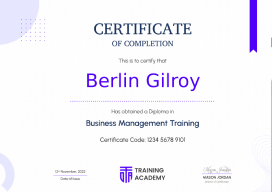
Once you’ve successfully completed your course, you will immediately be sent a digital certificate. Also, you can have your printed certificate delivered by post (shipping cost CA$9.99). All of our courses are fully accredited, providing you with up-to-date skills and knowledge and helping you to become more competent and effective in your chosen field.
Begin with an overview of manual handling principles and workplace safety responsibilities. Learn about relevant legislation, guidance, and the importance of following safe working practices to reduce injury risks.
Explore the common hazards associated with lifting, carrying, pushing, and pulling tasks. This module examines workplace injuries, their causes, and the impact they can have on employees and organisations.
Develop an understanding of risk assessment processes used to identify and evaluate manual handling hazards. Learn how assessing risks helps organisations implement effective safety measures.
Discover strategies used to minimise manual handling risks in the workplace. The module focuses on hazard control measures, safer working methods, and creating a culture of workplace safety.
Conclude the course by learning the principles of safe lifting and load handling. Explore techniques that help reduce strain, improve efficiency, and support injury prevention during manual handling tasks.
Yes. The course is designed for beginners and provides a clear introduction to manual handling safety and workplace risk management.
You will learn about manual handling legislation, common workplace hazards, injury prevention, risk assessments, risk control measures, and safe lifting techniques.
Common injuries include strains, sprains, back injuries, muscle fatigue, and other musculoskeletal disorders caused by improper lifting or repetitive movements.
Yes. The course provides valuable knowledge that can help employees and supervisors contribute to safer workplace practices.
Yes. Manual handling safety is relevant across many Canadian industries where employees regularly move, lift, carry, or handle materials.
Yes. Upon successful completion, you will receive a certificate demonstrating your knowledge of manual handling and workplace safety.
| Manual Handling and Safety at Work | |||
| Module 01: Introduction, Legislation and Guidance | 00:20:00 | ||
| Module 02: Manual Handling Hazards and Injuries | 00:23:00 | ||
| Module 03: Manual Handling Risk Assessments | 00:20:00 | ||
| Module 04: Controlling and Reducing the Risks | 00:28:00 | ||
| Module 05: Safe Lifting Techniques | 00:15:00 | ||
| Mock Exam | |||
| Mock Exam – Manual Handling and Safety at Work | 00:20:00 | ||
| Final Exam | |||
| Final Exam – Manual Handling and Safety at Work | 00:20:00 | ||
$40 Original price was: $40.$20Current price is: $20. ex VAT
SAVE 50% - OFFER ENDS SOON
![]() |
01 Year of full Course access
Level 2
Endorsed Certificate of Compleiton