138 Students
A Learning Disability Nursing Course provides essential knowledge and practical skills for supporting individuals with intellectual and developmental disabilities. It focuses on delivering person-centred care, promoting independence, and improving quality of life for individuals across different stages of life. Learning disability nursing plays a vital role in Canada’s healthcare and social support systems. Nurses and healthcare professionals in this field …
A Learning Disability Nursing Course provides essential knowledge and practical skills for supporting individuals with intellectual and developmental disabilities. It focuses on delivering person-centred care, promoting independence, and improving quality of life for individuals across different stages of life.
Learning disability nursing plays a vital role in Canada’s healthcare and social support systems. Nurses and healthcare professionals in this field work closely with patients, families, and multidisciplinary teams to provide safe, compassionate, and structured care tailored to individual needs.
This CPD-accredited Learning Disability Nursing Course is designed by qualified professionals and aligned with industry standards. With interactive modules, tutor support, lifetime access, and an instant free CPD certificate, learners gain flexible, beginner-friendly training that supports professional growth in healthcare and specialist nursing practice.
Please note: This Learning Disability Nursing Course only gives you the theoretical knowledge that you need to excel in this field. This Course doesn’t entitle you to practise as a professional in this specific field.
By the end of the Learning Disability Nursing Course, learners will be able to:
All of our courses, including this Learning Disability Nursing Course Course, are fully accredited, providing you with up-to-date skills and knowledge and helping you to become more competent and effective in your chosen field.
All of our courses are accredited by the CPD Quality Standards as conforming to universally accepted Continuing Professional Development (CPD) guidelines.
The Quality Licence Scheme (QLS) is a trusted endorsement framework that certifies high-quality, non-regulated training programmes across various sectors.
The Association of Healthcare Trainers (AoHT) promotes high-quality healthcare training, supporting providers to deliver relevant, industry-aligned education and improve professional standards.

Once you’ve successfully completed your course, you will immediately be sent a digital certificate. Also, you can have your printed certificate delivered by post (shipping cost CA$9.99). All of our courses are fully accredited, providing you with up-to-date skills and knowledge and helping you to become more competent and effective in your chosen field.
The detailed curriculum outline of our End of Life Care is as follows:
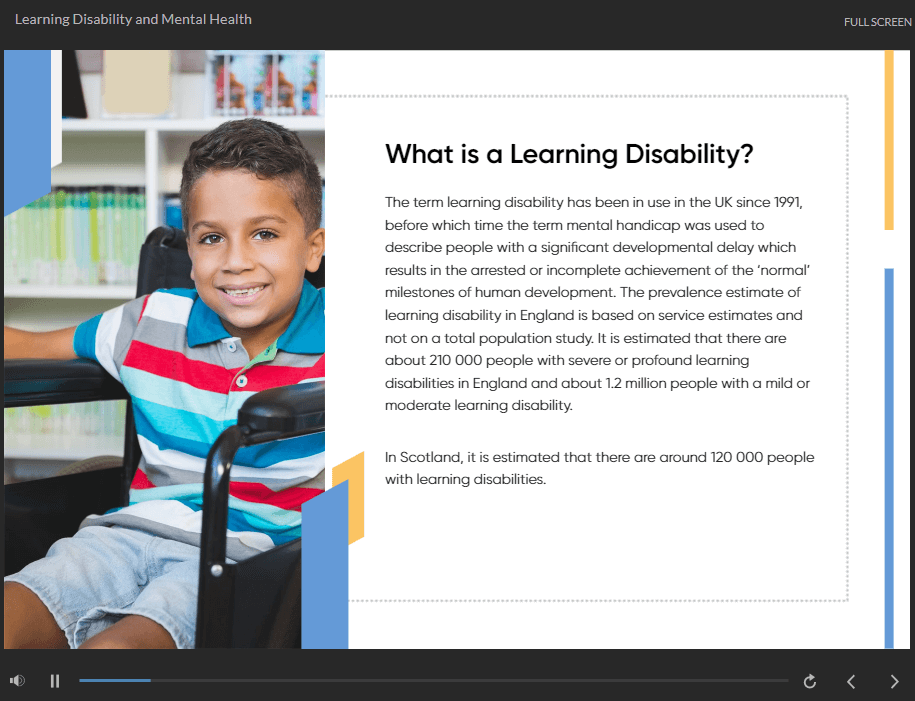
Explore the relationship between learning disabilities and mental health conditions. Learn how co-occurring challenges impact care and support strategies.
Gain a foundational understanding of learning disability nursing roles. Learn how nurses provide specialised care and support independence.
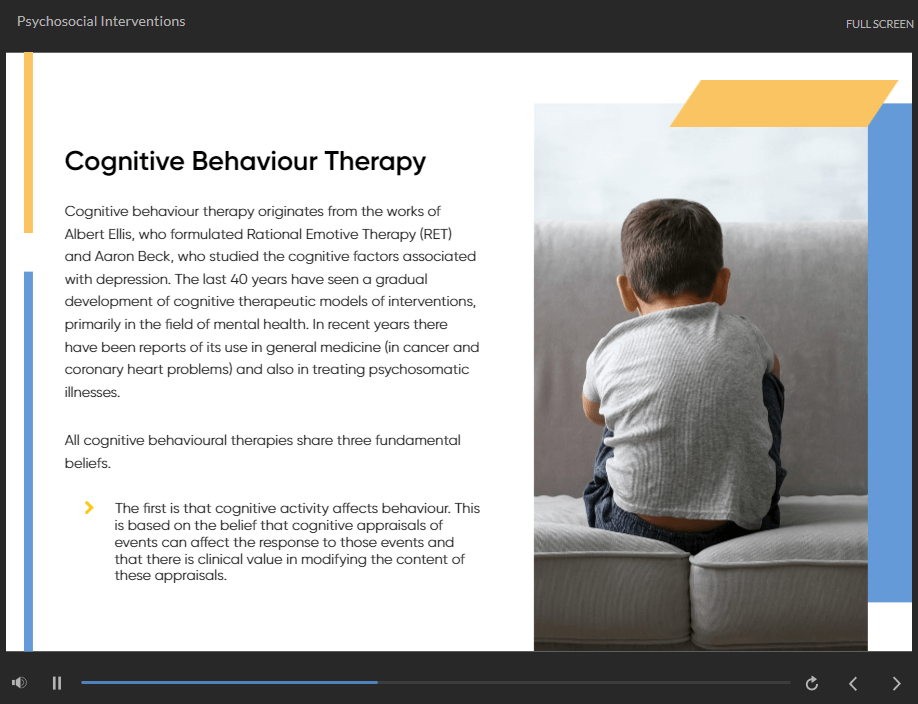
Study psychosocial approaches used in disability care. Learn how therapeutic communication and support improve patient wellbeing.
Understand psychodynamic theories in nursing practice. Explore how emotional and behavioural patterns influence care planning.
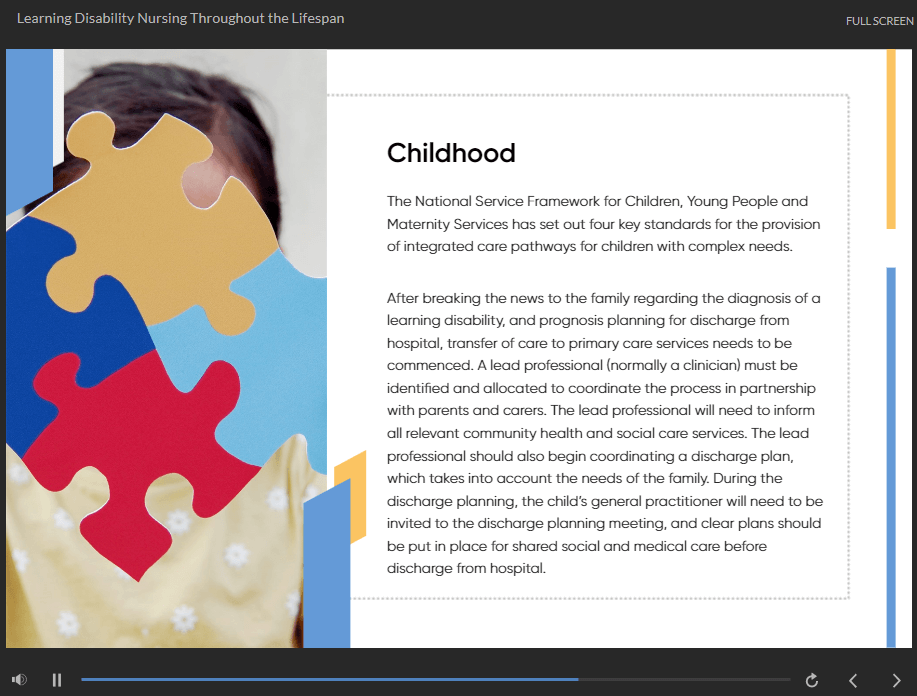
Learn how care needs change across childhood, adulthood, and later life. Understand lifespan-based support strategies.
Explore how nurses promote health, independence, and quality of life. Learn preventive and supportive care strategies.
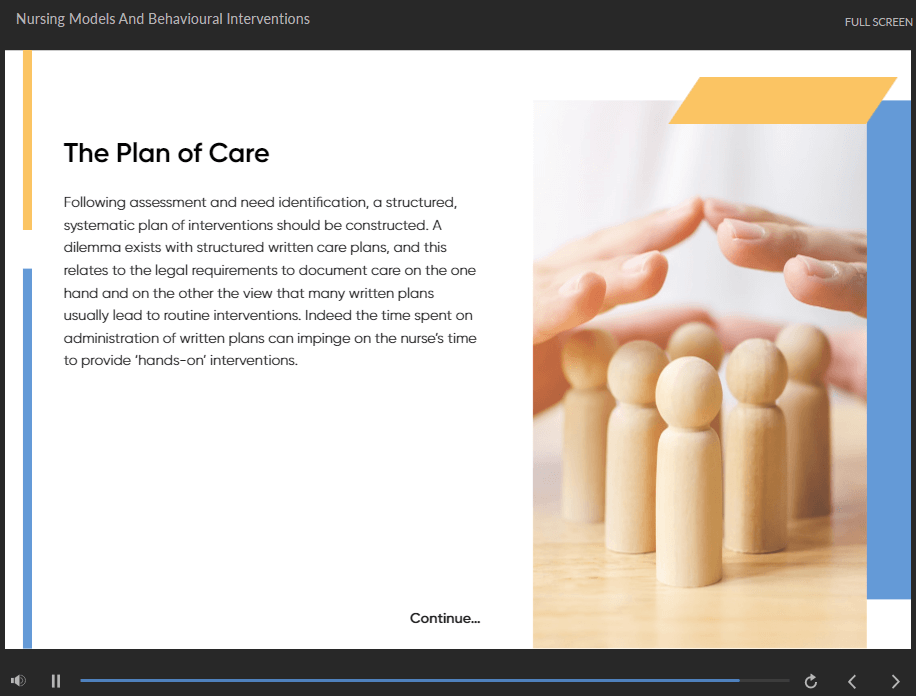
Develop skills in creating structured care plans. Learn how to assess needs and implement personalised support strategies.
Understand nursing frameworks and behavioural techniques used in disability care. Learn how structured models guide practice.
Explore emerging trends in learning disability care. Learn how evolving healthcare systems impact nursing roles.
Understand future career pathways and expanding roles in disability nursing. Learn about new opportunities in healthcare systems.
Learning disabilities are conditions that affect how a person understands, processes, or uses information, impacting learning and daily functioning.
They are usually caused by differences in brain development, genetics, or neurological factors, and are not linked to intelligence.
They are identified through assessments that evaluate learning, communication, and cognitive development challenges.
Common difficulties include dyslexia, dyscalculia, and dyspraxia, which affect reading, math, and coordination.
No, autism is a developmental condition, but some individuals with autism may also have learning disabilities.
A learning disability affects specific learning skills, while a disorder is a broader term that may affect multiple areas of development or functioning.
| Learning Disability Nursing | |||
| Module 01: Learning Disability and Mental Health | 00:30:00 | ||
| Module 02: Learning Disability Nursing | 00:30:00 | ||
| Module 03: Psychosocial Interventions | 00:30:00 | ||
| Module 04: Psychodynamic Approaches | 00:30:00 | ||
| Module 05: Learning Disability Nursing Throughout the Lifespan | 01:00:00 | ||
| Module 06: Role of the Learning Disability Nurse in Promoting Health and Well-Being | 01:00:00 | ||
| Module 07: Care Planning in Mental Health Settings | 00:30:00 | ||
| Module 08: Nursing Models and Behavioural Interventions | 00:30:00 | ||
| Module 09: The Future of Learning Disability Nursing | 00:30:00 | ||
| Module 10: Future Spheres of Practice for Learning Disability Nursing | 00:30:00 | ||
| Google Review | |||
| Google Review | 00:00:00 | ||
$125 Original price was: $125.$20Current price is: $20. ex VAT
SAVE 84% - OFFER ENDS SOON
![]() |