617 Students
Behind every criminal investigation is a deeper question — what drives human behaviour and how can psychology support the pursuit of justice? The Forensic Psychology and Police Investigations Course explores the connection between psychology, criminal behaviour, and investigative processes used within modern law enforcement and justice systems. Designed for beginners and learners interested in criminology, psychology, or policing, this course …
Behind every criminal investigation is a deeper question — what drives human behaviour and how can psychology support the pursuit of justice? The Forensic Psychology and Police Investigations Course explores the connection between psychology, criminal behaviour, and investigative processes used within modern law enforcement and justice systems.
Designed for beginners and learners interested in criminology, psychology, or policing, this course examines offender behaviour, research methods, investigative psychology, courtroom procedures, and real-world forensic psychology practices. Learners can apply this knowledge in policing support, criminal justice, community services, behavioural research, and related sectors across Canada.
Study online with flexible, self-paced learning that fits around work and personal commitments. Build valuable knowledge of criminal psychology and investigative processes while earning a recognised certificate that supports career development within Canada’s justice and public safety sectors.
Please note: This Mental Health First Aid Course only gives you the theoretical knowledge that you need to excel in this field. This Course doesn’t entitle you to practise as a professional in this specific field.
This course is ideal for:
All of our courses, including this Forensic Psychology and Police Investigations Course, are fully accredited, providing you with up-to-date skills and knowledge and helping you to become more competent and effective in your chosen field.
All of our courses are accredited by the CPD Quality Standards as conforming to universally accepted Continuing Professional Development (CPD) guidelines.
The Quality Licence Scheme (QLS) is a trusted endorsement framework that certifies high-quality, non-regulated training programmes across various sectors.

The Association of Healthcare Trainers (AoHT) promotes high-quality healthcare training, supporting providers to deliver relevant, industry-aligned education and improve professional standards.
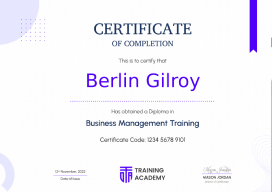
Once you’ve successfully completed your course, you will immediately be sent a digital certificate. Also, you can have your printed certificate delivered by post (shipping cost CA$9.99). All of our courses are fully accredited, providing you with up-to-date skills and knowledge and helping you to become more competent and effective in your chosen field.
Begin with an overview of forensic psychology and its role within criminal investigations and the justice system. Learners explore how psychology contributes to understanding criminal behaviour and supporting investigative processes.
Understanding research is essential within forensic psychology. This section examines common research methods, data collection approaches, and how psychological studies contribute to criminal behaviour analysis and investigative practices.
Different theories attempt to explain why criminal behaviour occurs. Learners explore psychological, biological, and social theories linked to offending patterns and behavioural influences.
Offender behaviour can be influenced by personality, environment, experiences, and psychological factors. This module examines behavioural traits, risk factors, and patterns commonly studied within forensic psychology.
Psychology can play an important role in supporting police investigations and case analysis. Learners discover how behavioural profiling, interviewing techniques, witness psychology, and investigative strategies may be applied during criminal investigations.
Court proceedings may involve psychological evidence and expert input in certain cases. This module explores the role of forensic psychology within courtroom settings, including testimony, assessments, and legal considerations.
The final section examines how forensic psychology is applied in real-world environments such as correctional services, rehabilitation programmes, investigative settings, and behavioural support services.
Forensic psychologists may conduct behavioural assessments, analyse criminal behaviour, assist with investigations, evaluate offenders, prepare reports, and provide expert opinions in court proceedings.
No. Forensic psychology focuses on human behaviour and mental processes, while forensic science involves scientific analysis such as DNA testing, fingerprints, and laboratory evidence examination.
Psychology may support investigations through behavioural analysis, witness interviewing techniques, suspect profiling, risk assessment, and understanding patterns linked to criminal behaviour.
Yes, behavioural profiling exists, but real forensic psychology is broader than what is often shown in television dramas. Professionals may analyse behaviour patterns and psychological factors linked to offenders and investigations.
Yes, the course is suitable for beginners and does not require previous experience in psychology, criminology, or policing.
| Module 01: Introduction | |||
| Introduction: About the Course and the Tutor | 00:03:00 | ||
| History of development of Forensic Psychology | 00:06:00 | ||
| Module 02: Research Methods in Forensic Psychology | |||
| Research Design and Methodology | 00:12:00 | ||
| Critical evaluation of psychological research | 00:09:00 | ||
| Module 03: Theories of Offending | |||
| Introduction to theories of offending | 00:06:00 | ||
| Theories of sexual offending | 00:08:00 | ||
| Theories of violent offending | 00:08:00 | ||
| Theories of fire-setting behaviour | 00:08:00 | ||
| Module 04: Personal Attributes of Offenders | |||
| Personal characteristics of offenders | 00:06:00 | ||
| Personality disordered offenders | 00:06:00 | ||
| Psychopathic offenders | 00:07:00 | ||
| Mental Illness and offending | 00:07:00 | ||
| Module 05: Forensic Psychology in Police Investigations | |||
| An Introduction to Offender Profiling | 00:05:00 | ||
| Approaches to Offender Profiling | 00:05:00 | ||
| The Effectiveness of Offender Profiling | 00:06:00 | ||
| Module 06: Forensic Psychology in the Courtroom | |||
| Eye-witness testimony | 00:07:00 | ||
| Expert witness testimony | 00:04:00 | ||
| Attitudes towards victims | 00:06:00 | ||
| Module 07: Forensic Psychology in Practice | |||
| ’What works’ literature in reducing re-offending | 00:06:00 | ||
| Interventions to reduce risk of re-offending | 00:07:00 | ||
| Incident management (Crisis Negotiation) | 00:08:00 | ||
| Mock Exam | |||
| Mock Exam – Forensic Psychology and Police Investigations | 00:20:00 | ||
| Final Exam | |||
| Final Exam – Forensic Psychology and Police Investigations | 00:20:00 | ||
| Trust Pilot Review | |||
| Trust Pilot Review | 00:00:00 | ||
$125 Original price was: $125.$20Current price is: $20. ex VAT
SAVE 84% - OFFER ENDS SOON
![]() |
01 Year of full Course access
Intermediate
Endorsed Certificate of Compleiton