322 Students
The Food Poisoning (Foodborne Illnesses) Course is a comprehensive online training programme designed to help learners understand the causes, prevention, and management of foodborne illnesses. This course explores bacterial and non-bacterial food poisoning, contamination risks, food allergens, temperature control, and food safety practices that help protect public health. Foodborne illnesses affect millions of people worldwide every year and can have …
The Food Poisoning (Foodborne Illnesses) Course is a comprehensive online training programme designed to help learners understand the causes, prevention, and management of foodborne illnesses. This course explores bacterial and non-bacterial food poisoning, contamination risks, food allergens, temperature control, and food safety practices that help protect public health.
Foodborne illnesses affect millions of people worldwide every year and can have serious consequences for individuals, businesses, and healthcare systems. Whether you work in food service, hospitality, healthcare, food manufacturing, or simply want to improve your food safety knowledge, understanding how food poisoning occurs is essential. This course provides practical, easy-to-understand guidance on identifying hazards and preventing contamination.
Developed by qualified professionals and aligned with industry standards, this CPD accredited course offers interactive learning modules, tutor support, lifetime access, and an Instant Free CPD Certificate upon successful completion. Suitable for beginners and professionals alike, the course delivers valuable food safety knowledge recognised across Canada.
Please note: This Food Poisoning (Foodborne Illnesses) Course only gives you the theoretical knowledge that you need to excel in this field. This Course doesn’t entitle you to practise as a professional in this specific field.
This course is ideal for:
All of our courses, including this Food Poisoning (Foodborne Illnesses) Course, are fully accredited, providing you with up-to-date skills and knowledge and helping you to become more competent and effective in your chosen field.
All of our courses are accredited by the CPD Quality Standards as conforming to universally accepted Continuing Professional Development (CPD) guidelines.
The Quality Licence Scheme (QLS) is a trusted endorsement framework that certifies high-quality, non-regulated training programmes across various sectors.
The Association of Healthcare Trainers (AoHT) promotes high-quality healthcare training, supporting providers to deliver relevant, industry-aligned education and improve professional standards.

Once you’ve successfully completed your course, you will immediately be sent a digital certificate. Also, you can have your printed certificate delivered by post (shipping cost CA$9.99). All of our courses are fully accredited, providing you with up-to-date skills and knowledge and helping you to become more competent and effective in your chosen field.
Learn about the most common bacterial causes of food poisoning and how foodborne illnesses develop. This module explains transmission routes, symptoms, and prevention strategies.
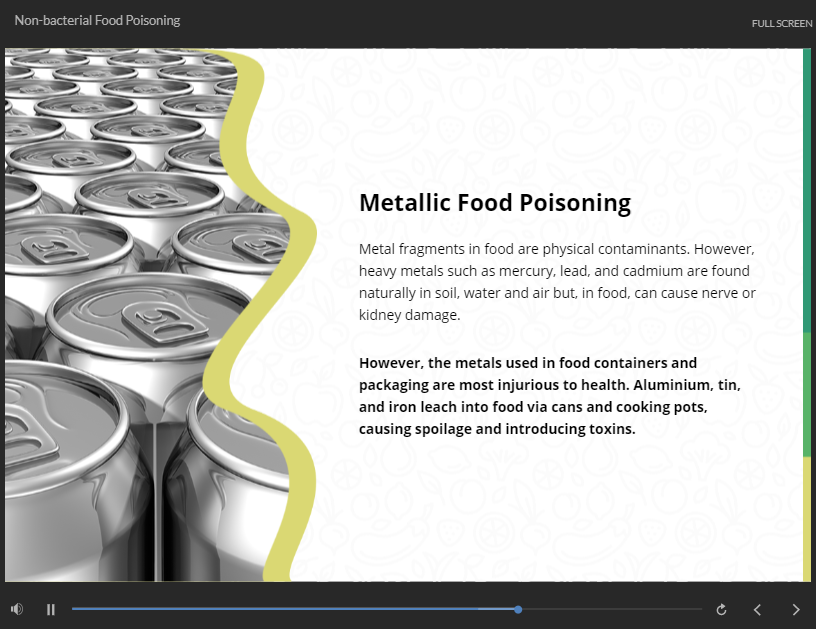
Explore non-bacterial causes of food poisoning, including viruses, toxins, chemicals, and natural contaminants. Learners will understand how these hazards affect food safety.
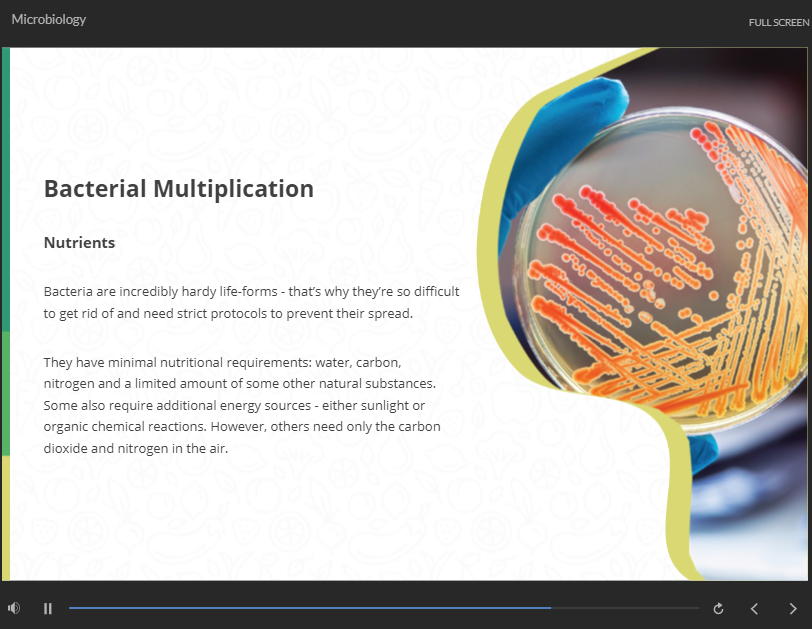
Gain an understanding of microorganisms commonly found in food environments. This module explains how bacteria, viruses, moulds, and yeasts impact food quality and safety.
Identify physical, chemical, and biological contamination risks within food operations. The module highlights common causes of contamination and practical prevention methods.
Learn effective techniques for preventing food contamination throughout storage, preparation, cooking, and serving processes. This module focuses on maintaining high food safety standards.
Explore how the human body responds to harmful microorganisms and foodborne pathogens. Learners will understand how immune defences help protect against illness.
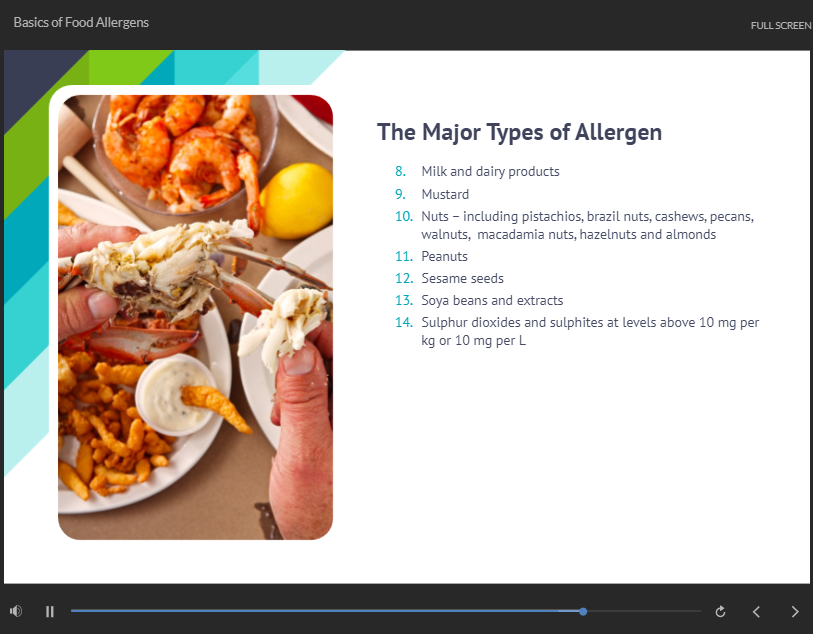
This module introduces common food allergens and explains how allergic reactions can occur. Learners will understand the importance of allergen awareness in food settings.
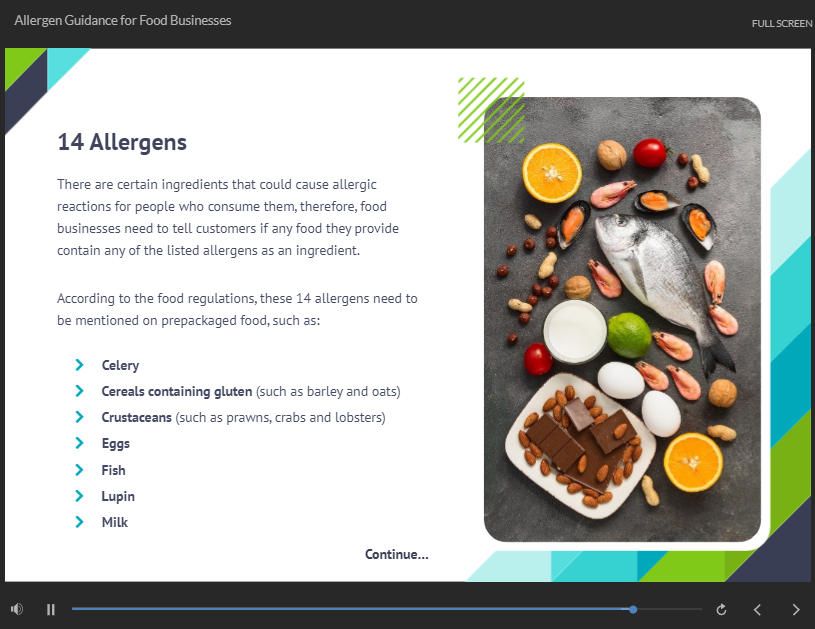
Learn practical allergen management procedures for food businesses. Topics include communication, food preparation controls, and reducing cross-contamination risks.
Understand how consumers can identify allergen information and make safer food choices. The module highlights labelling requirements and consumer awareness.
Discover why temperature control is one of the most important aspects of food safety. This module covers safe cooking, cooling, storage, and reheating temperatures.
Learn how to monitor food temperatures accurately and maintain reliable records. The module explains best practices for temperature verification and compliance.
Explore the causes of food spoilage and methods used to extend shelf life. Learners will understand preservation techniques that support food quality and safety.
Food-borne illness is an infection or illness caused by consuming contaminated food or beverages containing harmful bacteria, viruses, parasites, toxins, or chemicals.
Food poisoning is a type of foodborne illness. The terms are often used interchangeably, although foodborne illness is the broader term.
It is called food poisoning because the illness occurs when harmful substances or microorganisms in food cause adverse health effects after consumption.
Raw or undercooked meat, poultry, seafood, eggs, dairy products, unwashed produce, and improperly stored foods are commonly associated with food poisoning.
In many regions, foodborne illnesses caused by bacteria such as Salmonella and Campylobacter are among the most commonly reported cases.
Poor hand hygiene and cross-contamination during food preparation are among the most common causes of foodborne illness.
| Module 01: Food Poisoning (Bacterial) and Food-Borne Illness | |||
| Food Poisoning (Bacterial) and Food-Borne Illness | 00:32:00 | ||
| Module 02: Food Poisoning (Non-Bacterial) | |||
| Food Poisoning (Non-Bacterial) | 00:32:00 | ||
| Module 03: Food Microbiology | |||
| Food Microbiology | 00:28:00 | ||
| Module 04: Contamination Hazards | |||
| Contamination Hazards | 00:28:00 | ||
| Module 05: Controlling Contamination | |||
| Controlling Contamination | 00:39:00 | ||
| Module 06: Body’s Defence Mechanism | |||
| Body’s Defence Mechanism | 00:28:00 | ||
| Module 07: Basics of Food Allergens | |||
| Basics of Food Allergens | 00:13:00 | ||
| Module 08: Allergen Guidance for Food Businesses | |||
| Allergen Guidance for Food Businesses | 00:22:00 | ||
| Module 09: Allergen Guidance for Consumers | |||
| Allergen Guidance for Consumers | 00:14:00 | ||
| Module 10: Food and Temperature Control | |||
| Food and Temperature Control | 00:34:00 | ||
| Module 11: Checking, Verifying and Recording Temperature | |||
| Checking, Verifying and Recording Temperature | 00:25:00 | ||
| Module 12: Food Spoilage and Preservation | |||
| Food Spoilage and Preservation | 00:38:00 | ||
$125 Original price was: $125.$20Current price is: $20. ex VAT
SAVE 84% - OFFER ENDS SOON
![]() |
01 Year of full Course access
Endorsed Certificate of Compleiton