
1263 Students
Clean water, pollution control, renewable energy, and sustainable infrastructure are becoming some of the biggest engineering priorities of the modern world. The Environmental Engineering course explores how engineering solutions are used to protect natural resources, improve public health, and address environmental challenges affecting communities across Canada and beyond. Designed for beginners, technical learners, sustainability enthusiasts, and individuals interested in engineering …
Clean water, pollution control, renewable energy, and sustainable infrastructure are becoming some of the biggest engineering priorities of the modern world. The Environmental Engineering course explores how engineering solutions are used to protect natural resources, improve public health, and address environmental challenges affecting communities across Canada and beyond.
Designed for beginners, technical learners, sustainability enthusiasts, and individuals interested in engineering and environmental systems, this course introduces wastewater treatment, groundwater systems, pollution control, recycling, land management, renewable energy, and environmental law. Learners will explore how environmental engineering supports safer and more sustainable living environments.
As industries and governments continue focusing on sustainability and environmental protection, environmental engineering knowledge is becoming increasingly valuable. Discover how engineering and environmental science work together to shape cleaner, healthier, and more sustainable communities for the future.
Please note: This Environmental Engineering Course only gives you the theoretical knowledge that you need to excel in this field. This Course doesn’t entitle you to practise as a professional in this specific field.
This course is ideal for:
All of our courses, including this Environmental Engineering Course, are fully accredited, providing you with up-to-date skills and knowledge and helping you to become more competent and effective in your chosen field.
All of our courses are accredited by the CPD Quality Standards as conforming to universally accepted Continuing Professional Development (CPD) guidelines.
The Quality Licence Scheme (QLS) is a trusted endorsement framework that certifies high-quality, non-regulated training programmes across various sectors.

The Association of Healthcare Trainers (AoHT) promotes high-quality healthcare training, supporting providers to deliver relevant, industry-aligned education and improve professional standards.
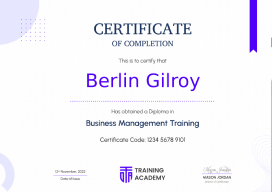
Once you’ve successfully completed your course, you will immediately be sent a digital certificate. Also, you can have your printed certificate delivered by post (shipping cost CA$9.99). All of our courses are fully accredited, providing you with up-to-date skills and knowledge and helping you to become more competent and effective in your chosen field.
The detailed curriculum outline of our Environmental engineering Course is as follows:
Begin by exploring the foundations of environmental engineering and how engineering solutions help protect public health and natural ecosystems. Learners will gain an overview of environmental systems, sustainability, and resource management.
Discover how wastewater treatment systems remove contaminants and improve water safety for communities and industries. The module explains treatment processes used to manage wastewater responsibly.
Clean drinking water is essential for public health and sustainability. This module explores water purification methods, groundwater treatment systems, and environmental safety measures linked to water quality.
Explore how groundwater moves through natural systems and supports ecosystems, agriculture, and communities. Learners will examine groundwater flow, water resources, and environmental management challenges.
This section explains the causes and environmental impact of air pollution along with methods used to improve air quality and reduce environmental risks.
Renewable energy is transforming environmental engineering practices worldwide. This module introduces solar energy systems and explores how solar technology supports sustainable energy development.
Learn how waste disposal systems and recycling practices help reduce pollution and conserve resources. The module also highlights sustainable waste management strategies used in modern communities.
This module focuses on land use planning, environmental conservation, and responsible land management practices. Learners will explore how land management supports environmental sustainability.
Environmental laws help regulate pollution, resource management, and environmental protection efforts. This module introduces legal frameworks connected to environmental engineering and sustainability practices.
Conclude the course by exploring sustainable development principles and how environmental engineering contributes to long-term environmental, social, and economic balance.
Environmental engineers work on projects related to water treatment, pollution control, waste management, renewable energy, and environmental protection systems.
This course covers environmental pollution, wastewater treatment, groundwater systems, air pollution, solar energy, recycling, land management, environmental law, and sustainable development.
Environmental and sustainability-related careers continue growing across Canada due to increasing focus on clean energy, environmental protection, and infrastructure development.
Yes. The course is designed for beginners and does not require previous engineering or environmental science experience.
Sustainable development focuses on balancing environmental protection, economic growth, and social wellbeing for future generations.
Yes. Learners receive a certificate upon successful completion of the course for continuing education and career development.
| Module 01: Introduction to Environmental Engineering | |||
| Introduction to Environmental Engineering | 00:20:00 | ||
| Module 02: Environmental Pollutions | |||
| Environmental Pollutions | 00:14:00 | ||
| Module 03: Wastewater Treatment | |||
| Wastewater Treatment | 00:16:00 | ||
| Module 04: Drinking Water and Groundwater Treatment | |||
| Drinking Water and Groundwater Treatment | 00:10:00 | ||
| Module 05: Groundwater Hydrology | |||
| Groundwater Hydrology | 00:16:00 | ||
| Module 06: Air Pollution | |||
| Air Pollution | 00:16:00 | ||
| Module 07: Solar Energy | |||
| Solar Energy | 00:16:00 | ||
| Module 08: Waste Disposal and Recycling | |||
| Waste Disposal and Recycling | 00:16:00 | ||
| Module 09: Land Management | |||
| Land Management | 00:20:00 | ||
| Module 10: Environmental Law | |||
| Environmental Law | 00:18:00 | ||
| Module 11: Sustainable Development | |||
| Sustainable Development | 00:12:00 | ||
| Assignment | |||
| Assignment – Environmental engineering | 00:00:00 | ||
| Google Review | |||
| Google Review | 00:00:00 | ||
$125 Original price was: $125.$20Current price is: $20. ex VAT
SAVE 84% - OFFER ENDS SOON
![]() |
01 Year of full Course access
Intermediate
Endorsed Certificate of Compleiton