621 Students
Understanding how children learn, behave, and develop is essential in today’s education system. This Educational Psychology & Development course explores the psychological foundations of learning and child development, with a strong focus on classroom application and support roles such as Teaching Assistants (TAs) within Canadian educational settings. Designed for beginners and education support learners, the course builds knowledge of cognitive, …
Understanding how children learn, behave, and develop is essential in today’s education system. This Educational Psychology & Development course explores the psychological foundations of learning and child development, with a strong focus on classroom application and support roles such as Teaching Assistants (TAs) within Canadian educational settings.
Designed for beginners and education support learners, the course builds knowledge of cognitive, emotional, social, and moral development while linking theory to real classroom practice. Learners also explore behaviour management, safeguarding, communication with pupils and parents, and inclusive learning strategies used across schools and early years environments in Canada.
With flexible online learning, this course allows you to study at your own pace while building a strong foundation for roles in education support and childcare. On completion, you will receive a certificate that supports your professional development journey. Start learning how children think, grow, and learn—and how to support them effectively in real educational environments.
Please note: This Educational Psychology & Development Course only gives you the theoretical knowledge that you need to excel in this field. This Course doesn’t entitle you to practise as a professional in this specific field.
This course is ideal for:
All of our courses, including this Educational Psychology & Development Course, are fully accredited, providing you with up-to-date skills and knowledge and helping you to become more competent and effective in your chosen field.
All of our courses are accredited by the CPD Quality Standards as conforming to universally accepted Continuing Professional Development (CPD) guidelines.
The Quality Licence Scheme (QLS) is a trusted endorsement framework that certifies high-quality, non-regulated training programmes across various sectors.

The Association of Healthcare Trainers (AoHT) promotes high-quality healthcare training, supporting providers to deliver relevant, industry-aligned education and improve professional standards.
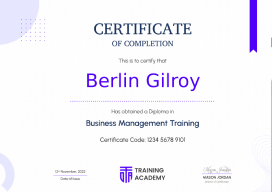
Once you’ve successfully completed your course, you will immediately be sent a digital certificate. Also, you can have your printed certificate delivered by post (shipping cost CA$9.99). All of our courses are fully accredited, providing you with up-to-date skills and knowledge and helping you to become more competent and effective in your chosen field.
The detailed curriculum outline of our Educational Psychology & Development course is as follows:
This module introduces the foundations of how children think, feel, and behave. It explores psychological theories that explain learning patterns and developmental stages in early and school-age children.
This module explores the wide range of influences that shape a child’s growth and learning journey. Learners examine how family background, parenting styles, cultural values, education systems, and peer interactions all contribute to behaviour and development. It also highlights how external environments and life experiences can positively or negatively affect a child’s emotional and cognitive progress.
This section focuses on how children develop thinking abilities over time, including memory, attention span, reasoning, and problem-solving skills. It explains how children interpret information differently at various stages of growth and how learning capacity evolves through experience, practice, and environmental stimulation.
Learners explore how children form relationships, express emotions, and develop empathy toward others. The module explains the importance of emotional regulation and social interaction in shaping behaviour, confidence, and classroom participation. It also highlights how emotional wellbeing directly impacts learning outcomes.
This module examines how personality traits develop and how intelligence is shaped through both genetics and environment. It explores how early experiences, education, and social interaction influence confidence, behaviour patterns, and intellectual growth over time.
This section explains how children gradually develop communication skills, starting from early sounds to full language use. Learners study speech progression, vocabulary development, and early literacy foundations, as well as how language development supports social and academic success.
This module focuses on how children develop a sense of right and wrong. It explores how moral reasoning is influenced by family guidance, cultural norms, education, and social experiences. Learners also understand how values and behaviour patterns are formed in early life.
This module introduces the professional responsibilities of a teaching assistant role. It covers teamwork, classroom support techniques, learner assistance strategies, and the importance of continuous professional growth within educational environments.
Learners discover how to create structured, safe, and inclusive classroom environments that encourage active learning. The module highlights organisation, engagement strategies, and environmental factors that improve student focus and participation.
This section explores how behaviour is influenced by environment, communication, and emotional needs. It also explains how strong relationships between staff and students help create a positive and productive learning atmosphere.
Communication is a key skill in education. This module focuses on building trust, using clear instructions, active listening, and maintaining supportive interactions that help students feel understood and motivated.
This module provides insight into how educational institutions are structured and managed. It covers school organisation, administrative systems, roles of staff members, and how management supports effective teaching and learning.
Learners explore safeguarding principles that ensure student safety and wellbeing. The module explains how to identify risks, follow reporting procedures, and maintain a protective environment in educational settings.
This module reinforces key stages of child growth, including physical, emotional, cognitive, and social development. It connects theoretical understanding with practical observations in classroom environments.
This section focuses on identifying and managing challenging behaviours in educational settings. Learners understand underlying causes of behaviour and explore strategies to support positive change and student wellbeing.
Strong relationships are essential in education. This module highlights how communication with parents and pupils supports academic progress, emotional wellbeing, and consistent learning support at home and school.
This module covers essential child protection policies and procedures. It explains how to respond to concerns, maintain confidentiality, and ensure children are protected from harm in all educational settings.
Learners gain insight into structured early years education frameworks. This module explains how early learning environments are designed to support development, readiness for school, and foundational skill-building.
This module introduces inclusive education practices for supporting children with diverse learning, emotional, and physical needs. It highlights adaptation strategies, patience, and collaboration with families and professionals.
This section focuses on phonics-based teaching methods used to support early reading and literacy development. Learners understand how sounds, letters, and words are taught in structured learning stages.
This module explains why early childhood experiences are critical in shaping long-term academic, emotional, and social development. It highlights how early support influences future learning success.
Learners explore Early Years Foundation Stage (EYFS) methods used in structured early education systems. It covers activity planning, learning outcomes, and strategies that support child development through play and guided learning.
It is the study of how children learn, think, behave, and develop, focusing on applying psychology to education and classroom practice.
Yes. The course is designed to support learners aiming for teaching assistant and education support roles across Canadian schools.
You will learn about child psychology, cognitive and emotional development, behaviour management, safeguarding, and inclusive education practices.
Yes. The course includes a dedicated module on supporting children with special needs in inclusive learning environments.
Yes. The course is fully online and can be completed at your own pace.
You may explore roles such as teaching assistant, classroom support worker, education assistant, and learning support roles in Canada.
| Module 01: Child Psychology | |||
| Child Psychology | 00:10:00 | ||
| Module 02: Factors that Influence Development | |||
| Factors that Influence Development | 00:38:00 | ||
| Module 03: Cognitive Development | |||
| Cognitive Development | 00:27:00 | ||
| Module 04: Social and Emotional Development | |||
| Social and Emotional Development | 00:45:00 | ||
| Module 05: Personality and Intellectual Development of Children | |||
| Personality and Intellectual Development of Children | 00:38:00 | ||
| Module 06: Stages of Language Development | |||
| Stages of Language Development | 00:29:00 | ||
| Module 07: Understanding Moral Development | |||
| Understanding Moral Development | 00:20:00 | ||
| Module 08: Professional Developments for a TA | |||
| Professional Developments for a TA | 00:29:00 | ||
| Module 09: Providing the Best Learning Environment | |||
| Providing the Best Learning Environment | 00:00:00 | ||
| Module 10: Understanding Behaviour & Relationships as a TA | |||
| Understanding Behaviour & Relationships as a TA | 00:00:00 | ||
| Module 11: Experienced TAs Maintain Strong Communications with The Students | |||
| Experienced TAs Maintain Strong Communications with The Students | 00:16:00 | ||
| Module 12: Educational Administration and Management | |||
| Educational Administration and Management | 00:13:00 | ||
| Module 13: Safeguarding Students | |||
| Safeguarding Students | 00:16:00 | ||
| Module 14: Child Development | |||
| Child Development | 00:15:00 | ||
| Module 15: Serious Behavioural Issues and Problems of Students | |||
| Serious Behavioural Issues and Problems of Students | 00:14:00 | ||
| Module 16: Developing Relationship with Pupils and Parents | |||
| Developing Relationship with Pupils and Parents | 00:20:00 | ||
| Module 17: Child Protection | |||
| Child Protection | 00:25:00 | ||
| Module 18: Early Years Provision | |||
| Early Years Provision | 00:21:00 | ||
| Module 19: Children with Special Needs | |||
| Children with Special Needs | 00:41:00 | ||
| Module 20: Teaching Phonics | |||
| Teaching Phonics | 00:21:00 | ||
| Module 21: Importance of Early Years in Development | |||
| Importance of Early Years in Development | 00:21:00 | ||
| Module 22: EYFS Teaching Techniques | |||
| EYFS Teaching Techniques | 00:16:00 | ||
| Mock Exam | |||
| Mock Exam – Educational Psychology & Development | 00:20:00 | ||
| Final Exam | |||
| Final Exam – Educational Psychology & Development | 00:20:00 | ||
| Google Review | |||
| Google Review | 00:00:00 | ||
$199 Original price was: $199.$20Current price is: $20. ex VAT
SAVE 90% - OFFER ENDS SOON
![]() |
01 Year of full Course access
Intermediate
Endorsed Certificate of Compleiton