283 Students
Meta Description Learn Sports Medicine fundamentals, including injury prevention, exercise, recovery, fitness, and athlete health. Suitable for beginners and individuals already involved in sports, fitness, healthcare, or coaching, this course explores common sports injuries, sports medicine careers, medical challenges faced by athletes, imaging technologies, and performance enhancement strategies. Learners can apply this knowledge in sports clubs, fitness centres, rehabilitation settings, …
Suitable for beginners and individuals already involved in sports, fitness, healthcare, or coaching, this course explores common sports injuries, sports medicine careers, medical challenges faced by athletes, imaging technologies, and performance enhancement strategies. Learners can apply this knowledge in sports clubs, fitness centres, rehabilitation settings, schools, community programmes, and athletic organisations across Canada.
Suitable for both beginners and existing workers, the course explores coaching, mentoring, performance management, hazard identification, risk control, business continuity planning, and caregiver responsibilities. These skills can be applied in healthcare facilities, community care services, residential care settings, support organisations, and administrative management roles throughout Canada.
Study online at your own pace and gain a recognised certificate that supports your learning and career development goals. Enrol today and build a strong foundation in the exciting and evolving field of sports medicine.
Please note: This Sports Medicine Fundamentals Course only gives you the theoretical knowledge that you need to excel in this field. This Course doesn’t entitle you to practise as a professional in this specific field.
By the end of the Sports Medicine Fundamentals Course, learners will be able to:
All of our courses, including this Sports Medicine Fundamentals Course, are fully accredited, providing you with up-to-date skills and knowledge and helping you to become more competent and effective in your chosen field.
All of our courses are accredited by the CPD Quality Standards as conforming to universally accepted Continuing Professional Development (CPD) guidelines.
The Quality Licence Scheme (QLS) is a trusted endorsement framework that certifies high-quality, non-regulated training programmes across various sectors.
The Association of Healthcare Trainers (AoHT) promotes high-quality healthcare training, supporting providers to deliver relevant, industry-aligned education and improve professional standards.
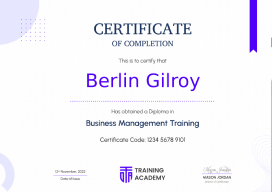
Once you’ve successfully completed your course, you will immediately be sent a digital certificate. Also, you can have your printed certificate delivered by post (shipping cost CA$9.99). All of our courses are fully accredited, providing you with up-to-date skills and knowledge and helping you to become more competent and effective in your chosen field.
Gain an introduction to the field of sports medicine and its importance in athlete health, injury prevention, treatment, and recovery. Explore how healthcare professionals, coaches, and fitness specialists work together to support safe participation in physical activity and competitive sport.
Discover the diverse career opportunities available within sports medicine and sports science. Learn about roles such as athletic therapist, physiotherapy assistant, sports rehabilitation specialist, exercise consultant, sports trainer, and other professionals who contribute to athlete care and performance.
Examine some of the most frequently encountered sports injuries affecting athletes and active individuals. This module explores causes, symptoms, risk factors, prevention strategies, and recovery considerations for injuries such as sprains, strains, fractures, tendon injuries, and concussions.
Explore medications commonly used in sports medicine to support pain management, inflammation control, and recovery. Learn about responsible medication use, potential side effects, and important considerations regarding athlete health and safety.
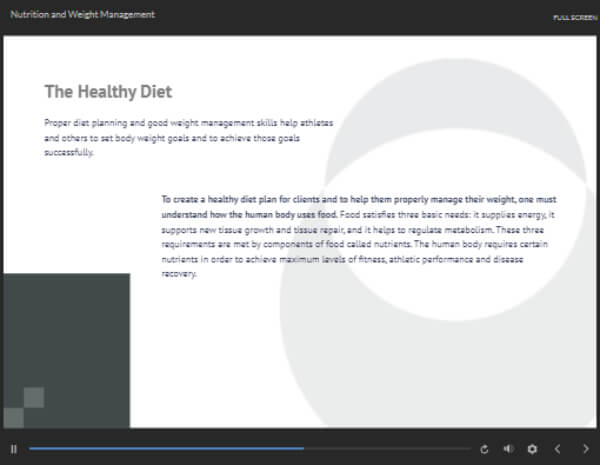
Nutrition plays a critical role in athletic performance and recovery. This module examines healthy eating principles, hydration strategies, energy requirements, weight management approaches, and the importance of balanced nutrition for active individuals.
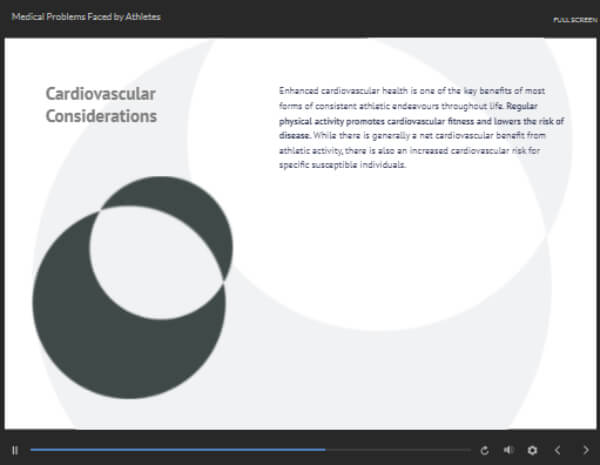
Athletes may experience a variety of health concerns beyond physical injuries. Explore common medical conditions such as dehydration, heat-related illness, respiratory conditions, fatigue, and overtraining syndrome while learning strategies for prevention and management.
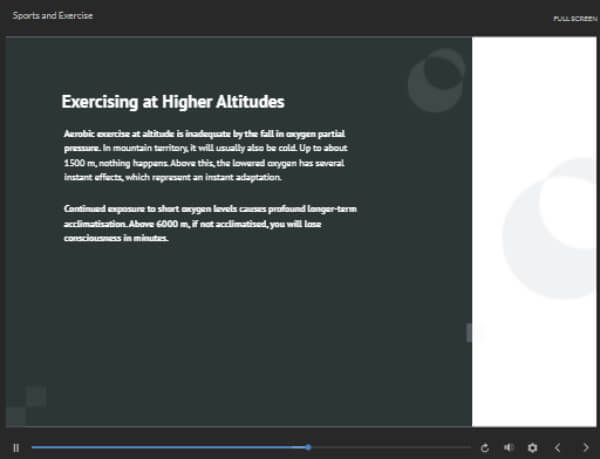
Understand the relationship between physical activity, fitness, and overall health. This module explores exercise principles, training adaptations, fitness development, and the physiological benefits of regular participation in sport and exercise.
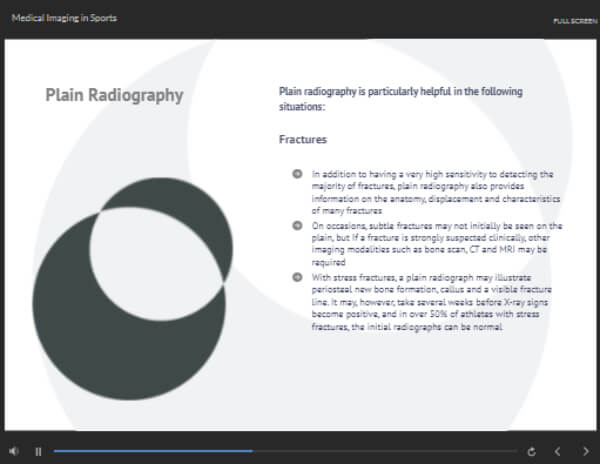
Modern diagnostic imaging plays an important role in identifying and assessing sports injuries. Learn about imaging techniques such as X-rays, ultrasound, MRI, and CT scans, and understand how these technologies assist healthcare professionals in diagnosis and treatment planning.
Explore the factors that influence athletic performance, including training methods, recovery practices, nutrition, psychology, and conditioning. This module examines evidence-based approaches that help athletes maximise their potential while maintaining health and wellbeing.
Conclude the course by examining emerging developments shaping the future of sports medicine and sports science. Explore innovations in technology, injury prevention, performance analysis, rehabilitation, wearable devices, and data-driven athlete management.
Yes, the course is designed for beginners and does not require previous healthcare or sports medicine experience.
Sports medicine knowledge can support careers in athletic therapy, fitness, rehabilitation, sports coaching, exercise science, and wellness services.
Yes, the course covers some of the most common sports-related injuries, including their causes, prevention methods, and recovery considerations.
Nutrition supports energy production, recovery, injury prevention, performance, and overall athlete health.
Common imaging technologies include X-rays, MRI scans, CT scans, and ultrasound imaging to assess injuries and guide treatment decisions.
Yes, the course explores training, recovery, nutrition, and other factors that influence sports performance.
| Module 01: Sports Medicine | |||
| Sports Medicine | 00:18:00 | ||
| Module 02: Careers in Sports Medicine | |||
| Careers in Sports Medicine | 00:16:00 | ||
| Module 03: Top Ten Common Sports Injuries | |||
| Top Ten Common Sports Injuries | 00:28:00 | ||
| Module 04: Common Sports Medicines | |||
| Common Sports Medicines | 00:26:00 | ||
| Module 05: Nutrition and Weight Management | |||
| Nutrition and Weight Management | 00:30:00 | ||
| Module 06: Medical Problems Faced by Athletes | |||
| Medical Problems Faced by Athletes | 00:33:00 | ||
| Module 07: Sports and Exercise | |||
| Sports and Exercise | 00:34:00 | ||
| Module 08: Imaging in Sports Medicine | |||
| Imaging in Sports Medicine | 00:32:00 | ||
| Module 09: Performance Enhancement | |||
| Performance Enhancement | 00:18:00 | ||
| Module 10: The Future of Sports Science | |||
| The Future of Sports Science | 00:20:00 | ||
| Trust Pilot Review | |||
| Trust Pilot Review | 00:00:00 | ||
$125 Original price was: $125.$20Current price is: $20. ex VAT
SAVE 84% - OFFER ENDS SOON
![]() |
01 Year of full Course access
Intermediate
Endorsed Certificate of Compleiton