864 Students
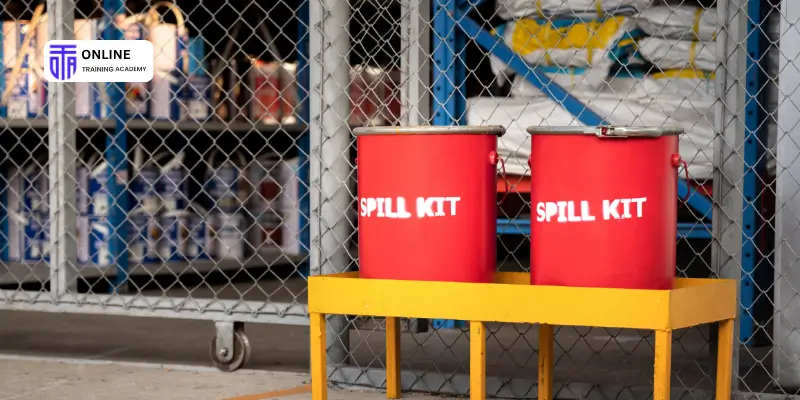
Spill Kit Training: Chemicals & Oils – Level 2 introduces learners to the safe management of chemical and oil spills in Canadian workplaces. The course covers different types of spill kits, absorbent materials, kit selection, storage, PPE, containment methods, cleanup, reporting, and waste handling. It is suitable for workers, supervisors, maintenance staff, warehouse teams, facility personnel, and others who may …
Spill Kit Training: Chemicals & Oils – Level 2 introduces learners to the safe management of chemical and oil spills in Canadian workplaces. The course covers different types of spill kits, absorbent materials, kit selection, storage, PPE, containment methods, cleanup, reporting, and waste handling. It is suitable for workers, supervisors, maintenance staff, warehouse teams, facility personnel, and others who may need to respond to workplace spills.
The training helps learners recognise spill hazards, select suitable response equipment, contain leaks, reduce secondary risks, and follow workplace reporting procedures. It can be useful across manufacturing, transportation, warehousing, maintenance, laboratories, construction, and other Canadian work environments where chemicals or oils are handled.
Online, self-paced learning allows learners to study around work and other commitments. Structured course materials and certification on successful completion provide a flexible way to strengthen spill-response knowledge and support workplace safety development.
The course develops knowledge of spill response procedures and the safe use of spill-control equipment.
This training is suitable for people who may encounter or respond to chemical and oil spills as part of their workplace responsibilities.
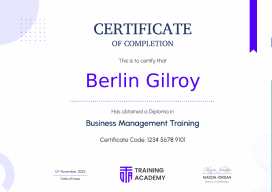
Once you’ve successfully completed your course, you will immediately be sent a digital certificate. Also, you can have your printed certificate delivered by post (shipping cost £3.99). All of our courses are fully accredited, providing you with up-to-date skills and knowledge and helping you to become more competent and effective in your chosen field. Our certifications have no expiry dates, although we do recommend that you renew them every 12 months.
Knowing how to respond to a spill quickly can help limit exposure, property damage, environmental harm, and disruption to workplace operations.
Salary varies by province, experience, employer, industry, and job responsibilities.
All of our courses, including this Spill Kit Training: Chemicals & Oils – Level 2 Course, are fully accredited, providing you with up-to-date skills and knowledge and helping you to become more competent and effective in your chosen field.
All of our courses are accredited by the CPD Quality Standards as conforming to universally accepted Continuing Professional Development (CPD) guidelines.
The Quality Licence Scheme (QLS) is a trusted endorsement framework that certifies high-quality, non-regulated training programmes across various sectors.
The Association of Healthcare Trainers (AoHT) promotes high-quality healthcare training, supporting providers to deliver relevant, industry-aligned education and improve professional standards.
Knowing what is inside a spill kit is only part of effective preparation. Learners explore different kit types, component functions, suitable kit sizes, storage arrangements, and routine checks to keep equipment ready for use.
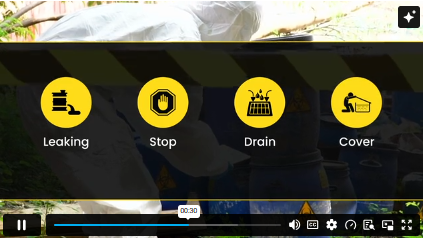
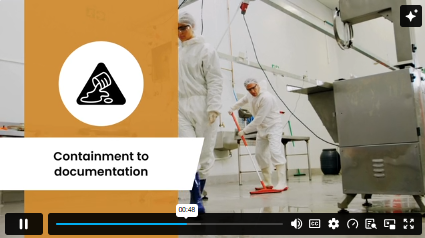
A spill response needs to control the immediate hazard without creating additional risks. This section covers initial actions, containment, absorbent materials, PPE, cleanup, disposal, and ways to prevent secondary hazards.
Clear reporting helps ensure that spills are properly investigated and followed up. Learners look at notification procedures, workplace responsibilities, communication channels, legal considerations, and accurate incident record keeping.
The location of a spill kit can make a difference when a response is time-sensitive. Learners consider high-risk areas, access routes, signage, labelling, and the relationship between spill kits and other workplace safety equipment.
Cleaning the visible spill does not always mean the area is fully restored. Learners examine residual contamination, decontamination of response equipment, workplace restoration, and appropriate segregation of spill-related waste.
The course covers chemical and oil spill response, different spill kits, kit components, PPE, containment methods, reporting procedures, spill documentation, storage, cleanup, decontamination, and waste segregation.
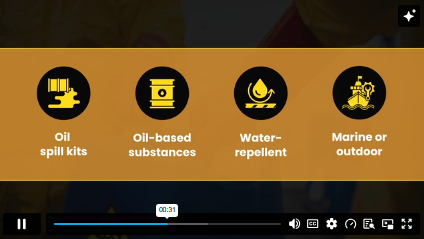
Oil-only spill kits are designed to absorb oils while generally repelling water. Chemical spill kits use materials selected for a wider range of hazardous liquids. The appropriate kit depends on the substance involved and its hazards.
The first step is to assess the situation without unnecessarily exposing yourself or others to the substance. Workers should follow the workplace spill procedure, use appropriate PPE, and only attempt containment or cleanup when it is safe and within their training.
PPE helps reduce exposure to hazardous substances during containment and cleanup. The required protection depends on the chemical or oil involved, its hazards, and the workplace’s established safety procedures.
It can benefit warehouse workers, maintenance teams, manufacturing employees, laboratory staff, supervisors, facilities personnel, and others who may encounter chemical or oil spills at work.
There is no single Canada-wide requirement stating that every worker must complete a specific “Spill Kit Training – Level 2” course. Employers must provide appropriate workplace health and safety training based on the hazards present and the requirements applicable in their province or territory. For hazardous products, Canadian workplaces may also have WHMIS training obligations.
| Introduction | |||
| 1. Introduction | 00:01:00 | ||
| Module 1. Spill Kits and Their Application | |||
| 1.1. Spill Kits and Their Application | 00:01:00 | ||
| 1.1.1. Types of Spill Kits and Their Uses | 00:01:00 | ||
| 1.1.2. Kit Components and Their Functions | 00:01:00 | ||
| 1.1.3. Storing Kits for Easy Access | 00:01:00 | ||
| 1.1.4. Kit Readiness and Maintenance | 00:01:00 | ||
| Reading Materials | |||
| Spill Kits and Their Application | 00:00:00 | ||
| Module 2. Responding to Chemical and Oil Spills | |||
| 2.1. Responding to Chemical and Oil Spills | 00:01:00 | ||
| 2.1.1. Immediate Spill Response Steps | 00:01:00 | ||
| 2.1.2. Containment Methods and Materials | 00:01:00 | ||
| 2.1.3. Cleaning and Disposal Procedures | 00:01:00 | ||
| 2.1.4. Preventing Secondary Hazards | 00:01:00 | ||
| Reading Materials | |||
| Responding to Chemical and Oil Spills | 00:00:00 | ||
| Module 3. Reporting and Accountability | |||
| 3.1. Reporting and Accountability | 00:01:00 | ||
| 3.1.1. When and How to Report a Spill | 00:01:00 | ||
| 3.1.2. Understanding Internal Procedures | 00:01:00 | ||
| 3.1.3. Key Contacts and Communication | 00:01:00 | ||
| 3.1.4. Legal Considerations and Responsibility | 00:01:00 | ||
| Reading Materials | |||
| Reporting and Accountability | 00:00:00 | ||
| Conclusion | |||
| Conclusion | 00:01:00 | ||
$125 Original price was: $125.$20Current price is: $20. ex VAT
SAVE 84% - OFFER ENDS SOON
![]() |
01 Year of full Course access
Level 2
Endorsed Certificate of Compleiton