153 Students
The Real Estate Agent course introduces the knowledge and processes involved in buying, selling, listing, valuing, and letting property. It gives learners an overview of how real estate transactions work and the responsibilities involved when supporting property clients. Learners explore different types of real estate agents, getting started in the role, finding sellers and buyers, property valuation, negotiation, property letting, …
The Real Estate Agent course introduces the knowledge and processes involved in buying, selling, listing, valuing, and letting property. It gives learners an overview of how real estate transactions work and the responsibilities involved when supporting property clients.
Learners explore different types of real estate agents, getting started in the role, finding sellers and buyers, property valuation, negotiation, property letting, technology, and real estate regulation. The course is suitable for beginners, aspiring real estate agents, property professionals, sales staff, and learners interested in Canada’s real estate sector.
Online learning provides flexibility for learners balancing work, education, or other commitments. Structured course materials allow learners to review real estate topics at a suitable pace while building industry knowledge. Successful completion provides a certificate that can support continuing learning and career development.
Please note: This Real Estate Agent Course only gives you the theoretical knowledge that you need to excel in this field. This Course doesn’t entitle you to practise as a professional in this specific field.
This course is ideal for:
All of our courses, including this Real Estate Agent Course, are fully accredited, providing you with up-to-date skills and knowledge and helping you to become more competent and effective in your chosen field.
All of our courses are accredited by the CPD Quality Standards as conforming to universally accepted Continuing Professional Development (CPD) guidelines.
The Quality Licence Scheme (QLS) is a trusted endorsement framework that certifies high-quality, non-regulated training programmes across various sectors.
The Association of Healthcare Trainers (AoHT) promotes high-quality healthcare training, supporting providers to deliver relevant, industry-aligned education and improve professional standards.
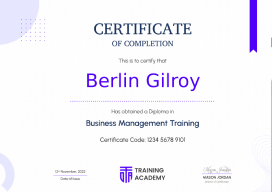
Once you’ve successfully completed your course, you will immediately be sent a digital certificate. Also, you can have your printed certificate delivered by post (shipping cost CA$9.99). All of our courses are fully accredited, providing you with up-to-date skills and knowledge and helping you to become more competent and effective in your chosen field.
Begin with the role of a real estate agent and the services agents provide to property clients. The section introduces the main responsibilities and activities associated with real estate work.
Explore different roles within real estate and how responsibilities can vary depending on the client and transaction. Learners gain a clearer understanding of buyer, seller, and other property-related roles.
Learn about the early stages of working in real estate, including developing client relationships and organising the activities involved in property transactions. The section provides an introduction to starting a real estate career.
Explore how agents work with property owners who are considering selling. Learners examine the listing process and the importance of understanding seller needs and property information.
Property valuation plays an important role in real estate decisions. This section introduces the valuation process and the factors that can influence how a property’s value is considered.
Negotiation is central to many property transactions. Learners explore the principles involved in negotiating between parties while considering client objectives, property details, and transaction terms.
Examine approaches to finding potential buyers and supporting them through the property search process. Learners explore how agents communicate with buyers and help move transactions forward.
Explore the fundamentals of property letting and the role of agents when supporting rental arrangements. The section introduces key considerations involved in working with landlords and prospective tenants.
Technology has changed how properties are marketed, searched for, and communicated about. Learners explore the role of digital tools and technology in supporting modern real estate activities.
Explore the importance of regulation within the real estate sector. Learners develop awareness of rules, responsibilities, and compliance considerations relevant to real estate work in Canada.
You will learn about the role of a real estate agent, different types of agents, getting started in the industry, property listings, valuation, negotiation, finding buyers, letting property, technology, and regulatory considerations.
Yes. The course is designed to introduce the fundamentals of real estate and does not require previous real estate experience. It can suit beginners, career changers, sales staff, and learners considering further real estate education.
Yes. Online learning allows learners to study real estate topics around work, education, or other commitments. It can provide a flexible way to build foundational knowledge before pursuing further training or licensing requirements.
Requirements vary by province or territory. Canadian Job Bank states that real estate agents and salespersons typically require secondary school completion, a real estate training course, and provincial or territorial licensing. You should check the regulator in the province or territory where you intend to work.
Negotiation can help buyers and sellers communicate their interests and reach mutually acceptable transaction terms. Real estate agents may negotiate aspects such as price, conditions, closing arrangements, and other transaction details within their role and applicable rules.
No. A course certificate may demonstrate completion of learning, but it does not replace mandatory licensing or registration requirements. Canadian Job Bank confirms that provincial or territorial licensure is required for real estate agents and salespersons.
| Module 1 - Estate Agent: An Introduction | |||
| Introduction to Estate Agents | 00:24:00 | ||
| Module 2 - Different Types of Estate Agents | |||
| Different Types of Estate Agents | 00:18:00 | ||
| Module 3 - Getting Started on the Job | |||
| Getting Started on the Job | 00:19:00 | ||
| Module 4 - Listing Property: Finding the Sellers | |||
| Listing Property Finding the Sellers | 00:27:00 | ||
| Module 5 - Valuation Process | |||
| Valuation Process | 00:24:00 | ||
| Module 6 – Negotiating as an Estate Agent | |||
| Negotiating as an Estate Agent | 00:12:00 | ||
| Module 7 - Selling Property: Finding the Buyers | |||
| Selling Property – Finding the Buyers | 00:26:00 | ||
| Module 8 – Letting Property | |||
| Letting Property | 00:34:00 | ||
| Module 9 – Technology for Estate Agents | |||
| Technology for Estate Agents | 00:21:00 | ||
| Module 10 - Regulation of Estate Agents | |||
| Regulation of Estate Agents | 00:16:00 | ||
| Mock Exam | |||
| Mock Exam – Real Estate Agent | 00:20:00 | ||
| Final Exam | |||
| Final Exam – Real Estate Agent | 00:20:00 | ||
$199 Original price was: $199.$20Current price is: $20. ex VAT
SAVE 90% - OFFER ENDS SOON
![]() |
01 Year of full Course access
Level 3
Endorsed Certificate of Compleiton