244 Students
What makes therapy effective? While techniques and theories matter, research consistently shows that the therapeutic relationship is one of the most important factors in successful outcomes. This Psychotherapy Training: Therapeutic Relationship & Approaches course introduces learners to the foundations of psychotherapy, helping them understand how therapists build trust, support clients, and apply different therapeutic approaches in mental health settings. Designed …
What makes therapy effective? While techniques and theories matter, research consistently shows that the therapeutic relationship is one of the most important factors in successful outcomes. This Psychotherapy Training: Therapeutic Relationship & Approaches course introduces learners to the foundations of psychotherapy, helping them understand how therapists build trust, support clients, and apply different therapeutic approaches in mental health settings.
Designed for aspiring counsellors, support workers, psychology students, healthcare professionals, and individuals interested in mental health, this course explores psychotherapy theories, therapeutic relationships, mental health conditions, crisis support, and professional practice. The knowledge gained can be valuable across Canada’s healthcare, community support, counselling, social services, and mental health sectors.
Study online at your own pace and gain a recognised certificate that supports your professional development. Build a deeper understanding of psychotherapy and discover how therapeutic relationships can help individuals navigate life’s challenges.
Please note: This Psychotherapy Training: Therapeutic Relationship & Approaches Course only gives you the theoretical knowledge that you need to excel in this field. This Course doesn’t entitle you to practise as a professional in this specific field.
By the end of the Psychotherapy Training: Therapeutic Relationship & Approaches Course, learners will be able to:
All of our courses, including this Psychotherapy Training: Therapeutic Relationship & Approaches Course Course, are fully accredited, providing you with up-to-date skills and knowledge and helping you to become more competent and effective in your chosen field.
All of our courses are accredited by the CPD Quality Standards as conforming to universally accepted Continuing Professional Development (CPD) guidelines.
The Quality Licence Scheme (QLS) is a trusted endorsement framework that certifies high-quality, non-regulated training programmes across various sectors.

The Association of Healthcare Trainers (AoHT) promotes high-quality healthcare training, supporting providers to deliver relevant, industry-aligned education and improve professional standards.
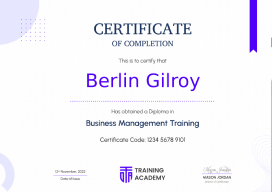
Once you’ve successfully completed your course, you will immediately be sent a digital certificate. Also, you can have your printed certificate delivered by post (shipping cost CA$9.99). All of our courses are fully accredited, providing you with up-to-date skills and knowledge and helping you to become more competent and effective in your chosen field.
Every meaningful therapeutic journey starts with understanding people. Begin by exploring the course structure, learning objectives, and the core concepts that shape modern psychotherapy practice.
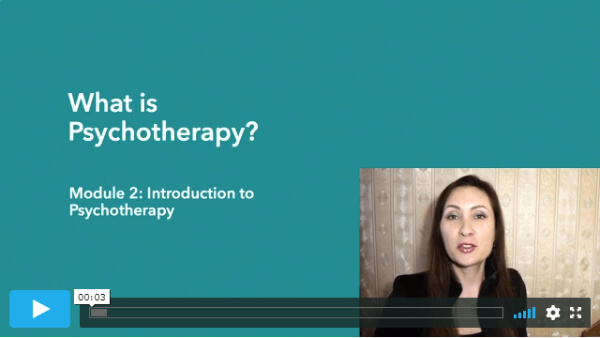
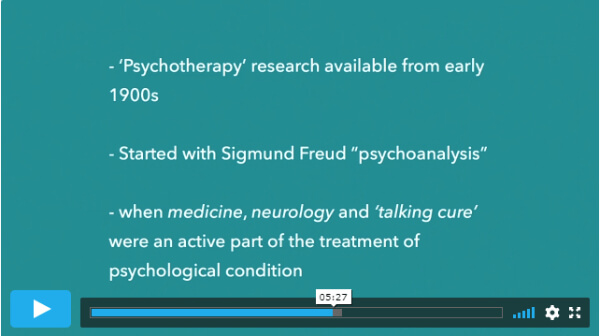
Psychotherapy is more than simply talking about problems. This module introduces the purpose of psychotherapy, its history, and the ways therapeutic interventions can support emotional wellbeing and personal growth.
A client may forget specific techniques, but they rarely forget how a therapist made them feel. Discover how trust, empathy, respect, and a safe therapeutic environment contribute to positive therapeutic outcomes.
Why do different therapists work in different ways? Explore the major schools of thought in psychotherapy, including the theories and perspectives that influence modern therapeutic practice.
From cognitive and behavioural approaches to humanistic and psychodynamic therapies, psychotherapy comes in many forms. Learn about the different methods used to support diverse client needs and goals.
Effective support begins with understanding the challenges people face. This module provides an overview of common mental health conditions and explores how psychotherapy can contribute to ongoing support and recovery.
Some clients seek help during the most difficult moments of their lives. Learn how therapists and support professionals respond to crisis situations while maintaining safety, professionalism, and compassionate care.
What does a career in therapy involve beyond client sessions? Explore professional responsibilities, ethical considerations, communication skills, and the realities of working within therapeutic and mental health settings.
Psychotherapy is a structured therapeutic process that helps individuals explore thoughts, emotions, behaviours, and life challenges with the support of a trained professional.
Yes. The course provides an accessible introduction to psychotherapy concepts and is suitable for learners with little or no previous experience.
No. This course provides educational knowledge about psychotherapy. Professional practice requirements vary by province and may require additional education, supervised training, and registration.
You’ll explore how trust, empathy, communication, professional boundaries, and a supportive environment contribute to effective therapeutic outcomes.
The course may benefit aspiring counsellors, support workers, healthcare professionals, psychology students, and anyone interested in understanding mental health and therapeutic approaches.
Yes. Learners receive a certificate upon successful completion of the course.
| Module 01: Introduction to the Course | |||
| About the Instructor | 00:05:00 | ||
| About the Course | 00:04:00 | ||
| Module 02: Introduction to Psychotherapy | |||
| What is ‘Psychotherapy’? | 00:09:00 | ||
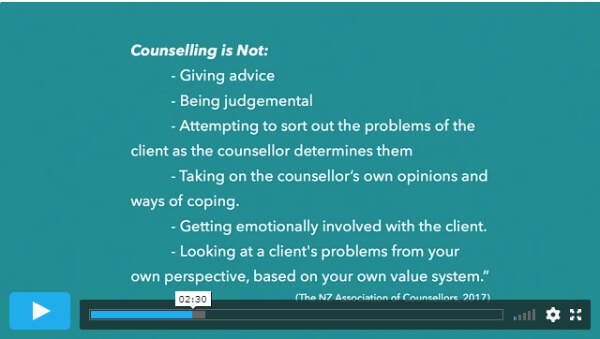
| Difference between ‘Counselling’ and ‘Psychotherapy | 00:10:00 | ||
| Who needs psychotherapy? | 00:09:00 | ||
| Module 03: Therapeutic Relationship & Environment | |||
| Setting up therapeutic environment | 00:08:00 | ||
| Listening Skills & Listening Stages | 00:09:00 | ||
| Establishing positive therapeutic relationship | 00:10:00 | ||
| Stress – and Anger management | 00:13:00 | ||
| Module 04: Approaches & Schools of Thought | |||
| Person-Centred Therapy | 00:10:00 | ||
| Psychodynamic Therapy & Psychoanalysis | 00:11:00 | ||
| Gestalt Therapy | 00:13:00 | ||
| Existential Psychotherapy | 00:09:00 | ||
| Module 05: Types & Forms of psychotherapy | |||
| Individual Psychotherapy | 00:06:00 | ||
| Group sessions (workshops) | 00:10:00 | ||
| Couple psychotherapy | 00:10:00 | ||
| Online (Skype) Therapy | 00:10:00 | ||
| Module 06: Mental Health Conditions | |||
| Psychotherapy for Depression | 00:09:00 | ||
| Psychotherapy for Anxiety disorders | 00:07:00 | ||
| Psychotherapy for Schizophrenia | 00:09:00 | ||
| Gender Identity Disorder (Gender Dysphoria) | 00:10:00 | ||
| Psychotherapy for Eating Disorders | 00:09:00 | ||
| Module 07: Helping the client in crisis | |||
| Suicidal thinking & talking | 00:10:00 | ||
| Self harm cases | 00:10:00 | ||
| Relationship breakdown | 00:09:00 | ||
| Module 08: Working as a Therapist | |||
| How to set up own practice | 00:08:00 | ||
| Registration & Accreditation | 00:08:00 | ||
| Where to advertise own services | 00:10:00 | ||
| Thank you & Good Bye! | 00:03:00 | ||
| Assignment | |||
| Assignment – Psychotherapy Training: Therapeutic Relationship & Approaches | 00:00:00 | ||
| Google Review | |||
| Google Review | 00:00:00 | ||
PRIVATE
SAVE 0% - OFFER ENDS SOON
![]() |
01 Year of full Course access
Intermediate
Endorsed Certificate of Compleiton